Key Takeaways
- ✓Algeria in 2026 offers uncrowded cities, ruins, and Sahara landscapes with daily costs around US$30–150 depending on travel style.
- ✓Spring and autumn are best for northern cities and ruins, while the Sahara is a winter destination (November–February) to avoid extreme heat.
- ✓Most visitors still need a pre-arranged visa; check your nationality’s rules and use the Singapore-focused visa guide as a model for documentation.
- ✓Algeria is cash-heavy, so plan currency exchange, ATM access, and card use in advance using the dedicated money guide.
- ✓Mobile coverage is strong in the north but patchy in the interior and Sahara; set up Hello eSIM and download offline maps before remote travel.
- ✓Major cities are generally safe with standard precautions, but Sahara and remote areas should be visited only with licensed tours and up-to-date safety advice.
- ✓Use the 3, 5, and 10-day itinerary guides to design a realistic route that matches your time, budget, and comfort level.
- ✓Combine the cultural, safety, transport, and budget guides with Hello’s planning and expense features for a smoother, more organized Algeria trip.
Algeria is one of North Africa’s most intriguing destinations in 2026 – a vast country where Mediterranean cities, Roman ruins, Berber mountain villages, and Saharan oases all coexist. This guide is your hub for planning an unforgettable Algeria trip, whether you’re here for desert adventures, coastal culture, or slow travel.
You’ll find an at-a-glance overview of budgets, the best time to visit, visa and entry requirements, transport options, food highlights, safety and cultural tips, and how to stay connected with Hello eSIM. Each section links to detailed cluster guides like Algeria Travel Budget Guide: Daily Costs and Money Tips, Algeria Safety Guide: Tips for a Safe Trip, and Getting Around Algeria: Transport Guide for Travellers for deep dives.
Use this pillar guide as your Algeria trip planner: compare seasons and daily costs, choose between 3, 5, or 10-day itineraries, and build a realistic route that matches your travel style and comfort level. Whether you’re combining Algeria with Japan or Thailand, or making it your main destination, this page gives you everything you need to feel confident before you book.
Why Visit Algeria in 2026
Algeria in 2026 offers a rare mix of uncrowded Roman ruins, atmospheric French-influenced cities, and dramatic Sahara landscapes, all at relatively low daily costs compared with nearby North African destinations.
Stretching from the Mediterranean to deep Saharan dunes, Algeria is the largest country in Africa and still feels refreshingly undiscovered compared to tourist heavyweights like Thailand. As of 2026, typical daily costs sit around US$30–150 per person, depending on whether you’re backpacking, going mid-range, or splurging on desert lodges and private tours. You’ll find grand boulevards and coffee culture in Algiers and Oran, ancient sites like Tipasa and Djemila, and oasis towns that feel a world away from the coast.
Security has improved in major cities, and there’s increasing infrastructure for visitors, though travel remains more logistically complex than in places like Japan. You should still plan carefully for visas, cash, and long-distance travel, especially if heading south to the Sahara, where regulated tours are mandatory for many routes and regions.
To get a feel for how much time you need, start with the itineraries cluster: use 3 Days in Algeria: A Day-by-Day Itinerary for a first taste, Algeria in 5 Days: The Perfect Extended Itinerary for a deeper look at coastal and cultural highlights, and Algeria in 10 Days: The Ultimate Travel Itinerary if you want to add desert gateways and secondary cities.
Algeria rewards travellers who enjoy slower, more immersive trips: lingering in cafés, wandering old quarters, and accepting that distances are vast and plans occasionally change.
Best Time to Visit Algeria
The best time to visit Algeria overall is spring (March–May) and autumn (September–November), when temperatures are mild across the north and not yet extreme in the desert, making it ideal for city sightseeing and road trips.
Algeria has distinct climatic zones: a Mediterranean coast, high plateaus, Atlas mountains, and the Sahara. In coastal cities like Algiers and Oran, spring and autumn bring comfortable daytime temperatures around 15–25°C, fewer crowds, and good conditions for exploring historic neighborhoods and seafronts. Summer can be hot and humid but is popular for beach trips, while winter is cool and occasionally wet.
The Sahara is best in winter (November–February), when daytime temperatures are bearable and nights are cold but manageable with proper gear. Summer heat in the deep desert can approach or exceed 45–50°C, making many routes unpleasant or unsafe without specialist arrangements. If you’re planning dune camping, long 4x4 crossings, or treks around Tamanrasset or Djanet, aim for mid-November to late February.
Here’s an at-a-glance seasonal comparison:
| Region / Focus | Best Months (2026) | Typical Day Temps | Notes |
|---|---|---|---|
| Coastal cities (Algiers, Oran) | Mar–May, Sep–Nov | 15–25°C | Ideal for museums, cafés, walking tours |
| Roman ruins & inland sites | Mar–May, Oct–Nov | 18–28°C | Avoid peak summer heat on exposed sites |
| Sahara desert (oases, dunes) | Nov–Feb | 20–30°C | Strong sun but manageable; cold nights |
| Beaches (Kabylia coast) | Jun–Sep | 25–32°C | Warm sea, busier local holiday period |
For detailed seasonal tips, check month-by-month insights in your itineraries: shorter trips like 3 Days in Algeria and Algeria in 5 Days focus on the north, while Algeria in 10 Days is better for combining coast and desert at the right time of year.
Budget Overview: How Much Does Algeria Cost?
As of 2026, expect to spend roughly US$30–150 per person per day in Algeria, depending on whether you travel as a budget backpacker, comfortable mid-range visitor, or on a more luxury, tour-heavy itinerary.
Algeria is generally cheaper than many European destinations and often more affordable than highly touristed parts of North Africa. However, some costs (visas, Sahara tours, domestic flights) can quickly push up your total budget. Cash remains important, and you should understand the local currency and payment habits before you go; the Algeria Currency & Money Guide: Exchange, Cards, and Tips explains how to handle cash, ATMs, tipping, and card payments.
For a simple planning framework, use this comparison table:
| Travel Style (2026) | Daily Budget (per person) | What This Typically Includes |
|---|---|---|
| Budget | US$30–50 | Basic hotel or hostel, street food/local cafés, public transport, limited paid sights, minimal internal flights |
| Mid-range | US$50–90 | Comfortable hotels or guesthouses, mix of restaurants, some guided day tours, occasional domestic flights or trains |
| Comfort/Luxury | US$90–150+ | Boutique or high-end stays, private drivers, Sahara tours or desert camps, frequent flights, higher-end dining |
Factor in visa and Letter of Invitation (LOI) fees, which can exceed US$100 depending on your nationality, plus domestic flights (often US$50–150 per segment) and southern tours from around US$200+ for multi-day trips. To see daily budget breakdowns by category (accommodation, food, transport, activities), head to the detailed Algeria Travel Budget Guide: Daily Costs and Money Tips.
For shared trips with friends, the Hello app’s expense splitting and budget tracking features are particularly useful: log cash expenses, split trip costs fairly, and watch your running total for the whole group.
Visa & Entry Requirements (With Singapore Example)
Most travellers still need a pre-arranged visa for Algeria in 2026, though there are evolving rules for organized Sahara trips and limited visa-on-arrival options tied to licensed tours.
Algeria’s visa policy varies by nationality, trip purpose, and where you plan to visit. As of 2026, the safest assumption for independent travellers is that you will need to apply for a visa in advance via an Algerian embassy or consulate, often with supporting documents such as hotel bookings, an invitation letter, or a detailed itinerary. For some organized southern desert tours, there are emerging visa-on-arrival mechanisms, but these typically require booking through a recognized operator and should not be relied on for general travel without confirmation.
If you hold a Singapore passport, the dedicated guide Algeria Visa & Entry Requirements for Singapore Passport Holders walks you through visa types, required documents, passport validity rules, and suggested timelines. It also covers customs allowances and entry tips tailored to Singapore citizens, such as how much cash you can bring, what electronics or drone rules apply, and any health or insurance expectations.
For other nationalities, you can use the Singapore-focused article as a template: check your nearest Algerian diplomatic mission’s website, confirm whether a Letter of Invitation (LOI) is needed, and ensure your passport is valid at least six months beyond your travel dates. Always verify latest requirements in 2026 before booking non-refundable flights.
When planning entry, pair the visa guide with the Algeria Safety Guide: Tips for a Safe Trip to review current advisories, regional restrictions, and recommendations on registering with your embassy if you’ll be travelling to remote areas.
Getting Around: Transport & Distances
Algeria is huge, so plan for long distances and mixed transport: domestic flights for big jumps, trains and buses between northern cities, and regulated tours or private 4x4s for Sahara routes.
From the moment you land, you’ll notice how large and spread-out the country is. Northern coastal cities like Algiers, Oran, and Constantine are linked by rail, buses, and domestic flights, making multi-city itineraries feasible on a short trip. For these corridors, the Getting Around Algeria: Transport Guide for Travellers explains airport transfers, inter-city trains, long-distance buses, taxis, and any ride-hailing options.
In Algiers, expect airport transfers by taxi or arranged pick-up, plus urban transport via buses and possibly tram or metro lines. Between cities, trains can be comfortable for daytime journeys, while buses are more budget-friendly and serve smaller towns. Domestic flights are often the most time-efficient way to link distant regions, especially if your trip is under 10 days and you want to see more than one area.
For the Sahara and remote interior, independent travel is highly restricted or impractical; licensed tours and local guides are essential, both for safety and for compliance with local regulations. Multi-day desert trips from gateways like Ghardaïa or Timimoun must be arranged in advance and usually include transport, accommodation, and meals.
Use the itineraries cluster – 3 Days in Algeria, Algeria in 5 Days, and Algeria in 10 Days – to see real-world transport choices embedded into day-by-day plans: when to fly vs. take the train, how long drives realistically take, and which neighborhoods to stay in for easy connections.
Food & Dining: What to Eat in Algeria
Algerian food blends Maghrebi, Mediterranean, and Berber influences, with hearty couscous, slow-cooked stews, grilled meats, and sweet pastries forming the backbone of local dining as of 2026.
Expect generous portions, bread with almost every meal, and lots of flavor rather than extreme spice. Classic dishes include couscous with vegetables or lamb, chorba (a comforting soup), rechta (homemade noodles in broth), and mechoui (slow-roasted meat). Street food and casual cafés offer snacks like mahjouba (stuffed flatbread), brochettes (skewers), and simple sandwiches at very reasonable prices.
The Algeria Food Guide: Must-Try Dishes, Prices, and Tips breaks down specific dishes, average restaurant prices, and how to navigate menus if you have dietary restrictions. You’ll also find advice on vegetarian options, what to expect if you eat halal, and how to judge whether a spot looks hygienic.
Here’s a quick look at typical costs in 2026:
- Local café meal: usually very budget-friendly, often within a budget traveller’s daily food allowance.
- Mid-range restaurant dinner: fits comfortably into a mid-range daily budget (see Algeria Travel Budget Guide).
- Hotel or high-end restaurant: more aligned with the comfort/luxury range.
Tap water safety varies; many travellers prefer bottled water, especially outside major cities. As a Muslim-majority country, alcohol availability is limited and more common in specific hotels or licensed venues. To make the most of eating out, pair the food guide with the Algeria Cultural Guide: Etiquette, Customs, and Tips to understand mealtime norms, tipping, and how to order politely.
Top Experiences & Suggested Itineraries
Algeria’s top experiences range from Mediterranean cityscapes and Roman ruins to Sahara oases and desert camps, best explored with tailored 3, 5, or 10-day itineraries depending on your time and pace.
In the north, Algiers offers French colonial architecture, the Casbah, waterfront promenades, and cafés. Oran and Constantine add their own character with hilltop views, music scenes, and dramatic bridges. Nearby, Roman sites like Tipasa and Djemila showcase remarkably preserved ruins with far fewer crowds than you’d find in many Mediterranean countries.
Heading inland, oasis towns and Sahara gateways open up a different side of Algeria: ksour (fortified villages), palm groves, and sand dunes punctuate multi-day 4x4 journeys. These are best done with experienced local guides and often require more planning and budget.
Use the itineraries cluster to choose your trip shape:
- 3 days: Focus on Algiers and nearby highlights with 3 Days in Algeria: A Day-by-Day Itinerary – ideal for a city break or an add-on to a broader North Africa or combined trip with Japan or Thailand.
- 5 days: Follow Algeria in 5 Days: The Perfect Extended Itinerary for a deeper immersion in coastal cities, ruins, and culture.
- 10 days: Use Algeria in 10 Days: The Ultimate Travel Itinerary to combine north and south, with time for desert gateways and slower exploration.
When planning, cross-reference with the Algeria Safety Guide for region-specific advice and the Getting Around Algeria: Transport Guide for realistic travel times.
Staying Connected: Hello eSIM & Mobile Coverage
For 2026, the easiest way to stay online in Algeria is a Hello eSIM, which taps into strong 4G and growing 5G coverage in northern cities while accepting that signal drops in remote Sahara areas.
Mobile networks in Algeria are most reliable along the Mediterranean coast and in major urban centers such as Algiers, Oran, Constantine, and Annaba. Here, 4G – and increasingly 5G – speeds are good enough for navigation, messaging, social media, and video calls. As you travel inland toward Ghardaïa, Timimoun, or the deep Sahara, coverage becomes more patchy and may fall back to 3G or even 2G on some stretches. In remote desert routes, there are genuine no-service zones where you must rely on your guide, pre-downloaded offline maps, and local knowledge.
The dedicated eSIM for Algeria: Best Plans, Coverage, and Setup Tips explains how Hello eSIM works for Algeria, typical data plan sizes and prices as of 2026, and step-by-step setup instructions. Price comparison data there notes that single-country eSIM plans commonly range from around US$5–10 for 3–5 GB to US$25–35 for 20–30 GB in 2026, depending on validity and speed.
For a typical two-week northern itinerary, budgeting 5–8 GB of data is usually enough if you rely mainly on Wi‑Fi in accommodation and use mobile data for maps, messaging, and occasional streaming. Before you fly, install your Hello eSIM in the app so it activates as soon as your phone connects to local networks on arrival.
In the Sahara, always download offline maps, keep screenshots of key bookings and contacts, and don’t assume continuous coverage. Pair the eSIM guide with the Algeria Safety Guide to understand why connectivity is part of broader risk management in remote regions.
Culture, Safety & Etiquette
Algeria is generally safe for thoughtful travellers in 2026, especially in major cities, but you should combine basic precautions, cultural sensitivity, and up-to-date safety advice for a smooth trip.
According to recent travel guidance, large urban centers like Algiers, Oran, and Constantine are considered reasonably secure for visitors who follow standard city travel habits: stay aware of your surroundings, avoid political demonstrations, keep valuables discreet, and use trusted transport options. Remote regions and parts of the Sahara require more caution, licensed guides, and adherence to any local or national travel restrictions.
The Algeria Safety Guide: Tips for a Safe Trip covers health advisories, common scams, emergency contacts, and how to choose appropriate travel insurance. It helps you distinguish between areas suitable for independent travel and those where you should only go with vetted tour operators.
Culturally, Algeria is a Muslim-majority country with its own etiquette norms. The Algeria Cultural Guide: Etiquette, Customs, and Tips explains greeting customs, how to dress modestly (especially in conservative or rural areas), what’s appropriate in mosques, and useful local phrases. Being respectful about photography, personal space, and public displays of affection goes a long way.
A simple decision framework:
- Urban north (Algiers, Oran, Constantine): Suitable for independent travellers, with standard city-smart precautions.
- Rural / mountainous areas: Check local advice, travel during daylight, and stay on commonly used routes.
- Sahara & deep south: Only with licensed tours and guides; monitor official advisories and your embassy information.
For money-related safety (ATMs, carrying cash, avoiding loss), combine the safety guide with the Algeria Currency & Money Guide and track your expenses in the Hello app to minimize how much cash you carry at any given time.
Money, Currency & Practical Logistics
As of 2026, Algeria remains a cash-heavy economy, so you’ll need to understand local currency, exchange options, ATM access, and how to organize expenses before arriving.
The Algeria Currency & Money Guide: Exchange, Cards, and Tips provides detailed advice on which currency to bring, where to exchange, and how widely cards are accepted. In many everyday situations – small shops, markets, local cafés – cash is still king, while mid-range hotels and some larger establishments may accept cards. ATMs are more common in cities than in smaller towns and may not always be available or functioning in remote regions.
When building your budget, reference the Algeria Travel Budget Guide: Daily Costs and Money Tips for daily spending by travel style, then layer on:
- Visa and LOI fees.
- Domestic flights between distant cities.
- Sahara or specialist tours.
- Travel insurance and contingency funds.
For practical logistics beyond money, use the Getting Around Algeria: Transport Guide for Travellers to understand how you’ll actually move around with luggage, and the Algeria Safety Guide for what to pack in a basic safety kit (e.g., copies of documents, emergency numbers).
The Hello app can help you track and split expenses, making it easier to see at a glance if you’re staying within your planned budget. Log cash payments, tag them by category (accommodation, food, transport, tours), and share the trip with friends so everyone can see who paid what.
Combining money awareness with practical logistics – transport, safety, connectivity via Hello eSIM – is what turns Algeria from an intimidating destination on paper into a manageable, rewarding trip in reality.
Before You Go: Pre-Trip Checklist
Before you visit Algeria in 2026, confirm your visa, prepare for cash-based payments, plan connectivity with Hello eSIM, and choose a realistic itinerary that matches your comfort level.
Here’s a practical checklist you can work through:
-
Visa & documents
- Check requirements for your nationality and apply early.
- If you’re from Singapore, follow Algeria Visa & Entry Requirements for Singapore Passport Holders.
- Ensure your passport has at least six months’ validity and spare pages.
-
Itinerary & timing
- Decide on 3, 5, or 10 days using 3 Days in Algeria, Algeria in 5 Days, and Algeria in 10 Days.
- Choose dates that align with the best seasons for your focus (city vs Sahara).
-
Budget & money
- Set a daily budget using the Algeria Travel Budget Guide.
- Read the Algeria Currency & Money Guide to plan how much cash to bring and how you’ll access funds.
-
Transport & tours
- Review the Getting Around Algeria: Transport Guide for Travellers for airport transfers and inter-city options.
- If visiting the Sahara, research and pre-book licensed tours.
-
Connectivity
- Set up Hello eSIM using eSIM for Algeria: Best Plans, Coverage, and Setup Tips.
- Download offline maps for any remote or desert travel.
-
Culture, safety & health
- Read the Algeria Cultural Guide for etiquette, dress, and key phrases.
- Check the Algeria Safety Guide for current safety advice, scams, and emergency contacts.
Crossing these items off before you leave makes your arrival smoother and reduces surprises, so you can focus on enjoying Algeria’s cities, landscapes, and food instead of paperwork and logistics.
Algeria Visa & Entry Requirements for Singapore Passport Holders
Itineraries3 Days in Algeria: A Day-by-Day Itinerary
ItinerariesAlgeria in 5 Days: The Perfect Extended Itinerary
ItinerariesAlgeria in 10 Days: The Ultimate Travel Itinerary
Budget PlanningAlgeria Travel Budget Guide: Daily Costs and Money Tips
Currency & MoneyAlgeria Currency & Money Guide: Exchange, Cards, and Tips
Getting AroundGetting Around Algeria: Transport Guide for Travellers
eSIM & ConnectivityeSIM for Algeria: Best Plans, Coverage, and Setup Tips
Cultural GuideAlgeria Cultural Guide: Etiquette, Customs, and Tips
Safety & HealthAlgeria Safety Guide: Tips for a Safe Trip
Frequently Asked Questions
Is Algeria safe to visit in 2026 for independent travellers?
Major cities like Algiers, Oran, and Constantine are generally considered safe for independent travellers who follow standard precautions, while remote regions and parts of the Sahara require more caution and licensed tours. The Algeria Safety Guide: Tips for a Safe Trip breaks down regional advice, common scams, health considerations, and insurance tips so you can make informed decisions about where to go and how to travel.
How much should I budget per day for a trip to Algeria?
As of 2026, plan roughly US$30–50 per person per day for budget travel, US$50–90 for mid-range, and US$90–150+ for comfort/luxury, not including international flights. Your actual costs depend on how many domestic flights and Sahara tours you add. The Algeria Travel Budget Guide: Daily Costs and Money Tips provides detailed breakdowns by category (accommodation, food, transport, activities) plus money-saving tips.
What is the best time of year to visit Algeria’s Sahara desert?
The best time to visit Algeria’s Sahara is winter, from roughly November to February, when daytime temperatures are more manageable and nights are cold but not dangerously extreme with proper gear. Summer heat can reach or exceed 45–50°C, making desert trips uncomfortable or unsafe. Plan city sightseeing for spring and autumn, and time any multi-day desert tours for the cooler months.
Do I need a visa to visit Algeria, and how do I apply?
Most travellers still need a pre-arranged visa for Algeria in 2026, typically obtained from an Algerian embassy or consulate with supporting documents such as hotel bookings and a Letter of Invitation. For Singapore citizens, Algeria Visa & Entry Requirements for Singapore Passport Holders explains requirements, processing times, and customs rules in detail. Other nationalities should check their nearest Algerian mission’s website for the latest instructions.
How can I stay connected in Algeria, and will my phone work there?
In 2026, mobile coverage is strong in northern cities and along the Mediterranean coast, with 4G and expanding 5G, while it becomes patchier inland and sparse in parts of the Sahara. The easiest solution is to use Hello eSIM, which you can set up before you fly. The eSIM for Algeria: Best Plans, Coverage, and Setup Tips walks you through choosing a data plan, installing the eSIM, and understanding where you can expect reliable signal.
Is Algeria a good destination for vegetarian or halal travellers?
Algeria is a Muslim-majority country, so halal-friendly options are widely available, and many traditional dishes are naturally halal. Vegetarian travellers will find some suitable dishes, especially vegetable-based couscous, salads, and certain stews, but may need to be a bit more proactive when ordering. The Algeria Food Guide: Must-Try Dishes, Prices, and Tips explains common dishes, how they’re prepared, and how to communicate dietary needs.
How many days do I need in Algeria to see the main highlights?
Three days is enough for a focused city break in Algiers and nearby sites, while five days lets you combine multiple northern cities and Roman ruins. Ten days is ideal for adding desert gateways or slower exploration across regions. Use 3 Days in Algeria, Algeria in 5 Days, and Algeria in 10 Days to choose the itinerary that fits your schedule and interests.
eSIM Plans for Algeria
Detailed Articles
Dive deeper into specific topics covered in this guide.
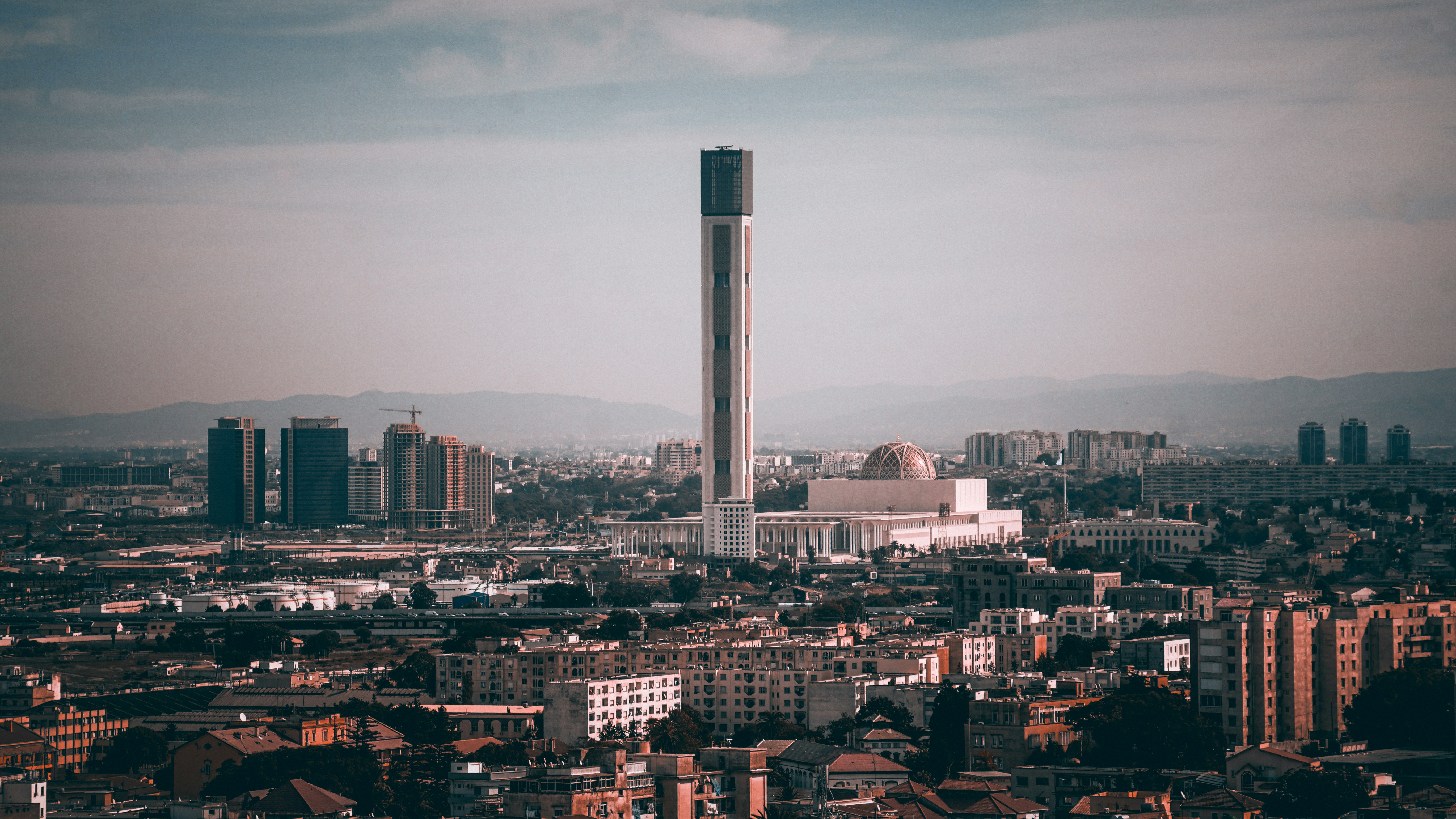
3 Days in Algeria: A Day-by-Day Itinerary
A detailed 3-day itinerary for Algeria with daily activities, costs, neighborhoods, and transport tips.
8 June 2026
Algeria in 5 Days: The Perfect Extended Itinerary
A detailed 5-day itinerary for Algeria with daily activities, costs, neighborhoods, and transport tips for an extended stay.
3 May 2026
Algeria in 10 Days: The Ultimate Travel Itinerary
A comprehensive 10-day itinerary for Algeria covering top attractions, hidden gems, daily costs, and transport between cities.
17 June 2026
Algeria Travel Budget Guide: Daily Costs and Money Tips
How much does it cost to travel in Algeria? Daily budget breakdowns for budget, mid-range, and luxury travellers.
21 February 2026
Algeria Currency & Money Guide: Exchange, Cards, and Tips
Currency exchange, credit card acceptance, ATM tips, tipping culture, and money-saving advice for Algeria.
23 July 2026
Algeria Visa & Entry Requirements for Singapore Passport Holders
Visa requirements, passport validity, customs allowances, and entry tips for Singapore citizens travelling to Algeria.
6 July 2026
Algeria Safety Guide: Tips for a Safe Trip
Safety tips, health advisories, emergency contacts, common scams, and travel insurance advice for Algeria.
15 July 2026
Getting Around Algeria: Transport Guide for Travellers
Airport transfers, public transport, ride-hailing apps, inter-city travel, and driving tips for Algeria.
21 May 2026
More Travel Guides
Destination Guide
Complete Bosnia and Herzegovina Travel Guide 2026
Everything you need to know about travelling to Bosnia and Herzegovina — budget, visa, food, transport, eSIM connectivity, and itineraries.
Destination Guide
Complete Bahamas Travel Guide 2026
Everything you need to know about travelling to Bahamas — budget, visa, food, transport, eSIM connectivity, and itineraries.
Destination Guide
Complete Bahrain Travel Guide 2026
Everything you need to know about travelling to Bahrain — budget, visa, food, transport, eSIM connectivity, and itineraries.
Destination Guide
Complete Sint Eustatius Travel Guide 2026
Everything you need to know about travelling to Sint Eustatius — budget, visa, food, transport, eSIM connectivity, and itineraries.