Algeria Cultural Guide: Etiquette, Customs, and Tips
Essential do's and don'ts, greeting customs, dress codes, local phrases, and cultural tips for Algeria.
By Hello Travel Team
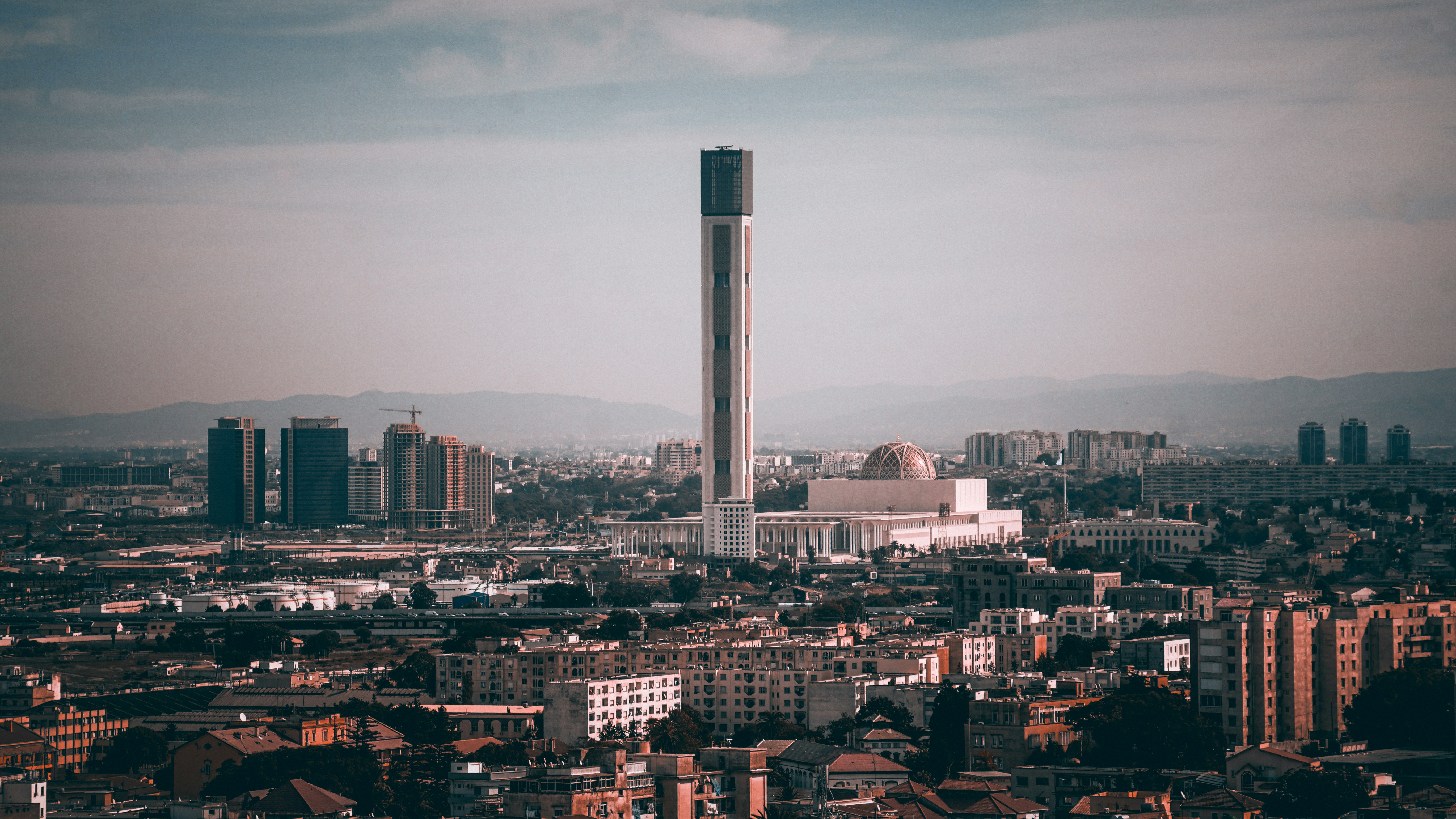
TL;DR: Essential Algeria Cultural Do’s and Don’ts for Travelers
Algeria’s culture blends Arab, Berber, and Mediterranean influences, so travelers should prioritize modest dress, polite greetings, and respect for Islam, especially during Ramadan and in mosques. Learn basic French and Arabic phrases, ask before taking photos, and plan around major holidays and Friday prayer times.
Algeria is one of Africa’s largest countries, with over 45 million people in 2026, according to Algeria’s National Statistics Office, spread across coastal cities like Algiers and Oran and desert regions such as Ghardaïa and the Sahara. This size and diversity mean cultural norms can vary, but a few core etiquette rules apply almost everywhere: greet people warmly, dress conservatively, and show visible respect for religion and elders.
English is not widely spoken compared to French and Arabic, so learning simple phrases and having offline translation tools will make everyday interactions smoother, from ordering coffee (about $1–2 in 2026 in local cafés) to negotiating taxi fares. Connectivity helps with navigation in sprawling cities; many travelers now rely on an eSIM from Hello to stay online for maps, translation, and local transport apps.
If you remember only the basics—no public intoxication, avoid overly affectionate displays in public, remove shoes in homes when requested, and never criticize Algeria’s history or politics casually—you’ll already be in the top tier of culturally aware visitors. The rest of this guide breaks down greetings, dress codes, business etiquette, holidays, and gift customs so you can travel Algeria confidently and respectfully.
Algeria Culture Basics: Values, Daily Life, and Social Norms
Algeria’s culture centers on family, hospitality, and Islamic values, so visitors should expect warm welcomes, strong social ties, and schedules shaped by prayer times and religious observance. Show respect by being patient, avoiding loud confrontation, and following local rhythms rather than rushing interactions.
Modern Algeria is predominantly Muslim (over 97% of the population, according to Pew Research Center), and Islamic practices shape daily routines, from the call to prayer echoing over Algiers’ bay to family gatherings around couscous on Fridays. Family comes first: multi-generational households are common, and major decisions often involve relatives.
Social interactions tend to be more formal than in many Western countries. Titles matter—using “Monsieur” and “Madame” in French or “Sidi” and “Lalla” in Arabic when you don’t know someone’s name is considered polite. In cafés or restaurants, it’s usual for one person to insist on paying, especially if they invited you; splitting the bill is still less common socially, though more frequent among younger urban Algerians.
Day-to-day costs vary by city. In 2026, a simple meal at a local restaurant in Algiers might be $5–10, while a coffee and pastry could be around $2–4. Public buses in major cities are generally under $1 per ride, and shared taxis between nearby towns can range from $3–10 depending on distance.
To align with Algeria etiquette, keep your tone calm, avoid swearing, and never show visible irritation in public queues. Respect for elders is non‑negotiable: offer your seat on transport, let older people speak first, and greet them before others when entering a room.
Greeting Customs and Local Phrases: How to Say Hello in Algeria
Algerian greetings are warm and often formal, typically involving a handshake, inquiries about family, and a mix of Arabic and French phrases; start with a polite “Salam alaykum” or “Bonjour” and let locals set the tone for handshakes, cheek kisses, and small talk.
In cities like Algiers, Oran, and Constantine, you’ll hear Algerian Arabic (Darija), Berber languages (such as Kabyle), and French in daily use. As a visitor, a few phrases go a long way:
-
Arabic/Darija basics
- “Salam alaykum” – Peace be upon you (standard Muslim greeting)
- “Sabah el khir” – Good morning
- “Masa’ el khir” – Good evening
- “Shukran” – Thank you
- “Min fadlek” – Please (to a man) / “Min fadlek(i)” (to a woman)
-
French basics
- “Bonjour / Bonsoir” – Hello / Good evening
- “Merci beaucoup” – Thank you very much
- “S’il vous plaît” – Please
- “Parlez‑vous anglais ?” – Do you speak English?
Handshakes are common between men; between men and women, it’s polite to wait and see if the woman offers her hand. Among close friends and relatives, cheek kissing between same-gender people is standard. Avoid using first names immediately with older people or in business; follow their lead.
Because English is less widespread, most travelers find it useful to keep key phrases in a note app and use translation tools. Staying connected with Hello’s eSIM for Algeria makes it easier to look up expressions on the go and navigate between neighborhoods where different languages are more common.
Dress Codes, Religious Sites, and Photography Etiquette in Algeria
Algeria dress codes are generally modest, especially in rural areas and religious sites, so visitors should cover shoulders and knees, avoid overly tight clothing, and always ask before photographing people, military locations, or government buildings.
In coastal cities, you’ll see a mix of styles: women in hijab and long coats, others in jeans and tunics, and men in shirts, jeans, and sportswear. However, Algeria customs still favor modesty—short shorts, strapless tops, and very tight outfits are best avoided outside beach resorts. For women, a light scarf is handy for unexpected mosque visits or conservative areas; for men, long trousers or modest knee‑length shorts and a short‑sleeve shirt are safe choices.
When visiting mosques or religious sites:
- Remove shoes before entering prayer areas.
- Wear loose, non‑transparent clothing.
- Women should cover arms, legs, and hair; men should avoid sleeveless tops and shorts.
Photography etiquette is crucial. It is generally fine to photograph public streets, markets, and landscapes, but avoid:
- Military and police buildings, checkpoints, and border areas.
- Government offices and critical infrastructure (bridges, ports, some stations).
- Close-up photos of women and children without explicit permission.
Some traditional communities, especially in parts of the Sahara and the M’zab Valley, are sensitive about photography; a simple “Photo, s’il vous plaît?” and a friendly smile often clarify what’s acceptable. In crowded souks, pickpocket risk is low compared to some cities, but keeping your phone discreet while shooting photos is wise.
Here’s a quick comparison to help you pack smart:
| Situation | Recommended Dress | Notes |
|---|---|---|
| City sightseeing (Algiers, Oran) | Jeans, modest top, light scarf | Casual but not revealing |
| Mosque or shrine visit | Long sleeves, long pants/skirt, scarf for women | Remove shoes inside |
| Sahara excursions | Loose long sleeves, hat, sunglasses | Protect from sun and sand |
| Business meeting | Smart-casual or light formal wear | Men often wear jackets; women avoid overly bright outfits |
Business Etiquette, Meetings, and Money Manners in Algeria
Algeria business etiquette combines formal greetings, relationship‑building, and respect for hierarchy, so arrive on time, dress smartly, use titles, and expect meetings to start with personal conversation before any contracts or pricing are discussed.
Business culture is more formal than social life. Handshakes are standard, and using French or Arabic greetings shows effort. Initial meetings focus on trust: discussing your background, previous projects in North Africa, or mutual contacts. Direct, overly aggressive negotiation is frowned upon; instead, people appreciate clear, calm explanations and time to consider proposals.
Punctuality is expected, but meetings may start late due to traffic or overlapping commitments, particularly in Algiers. Plan buffer time: a taxi ride from central Algiers to the business district in Hydra can be 30–45 minutes depending on traffic, costing roughly $4–8 in 2026 for standard taxis.
Typical office hours run from around 8:30/9:00 to 17:00, Sunday to Thursday in many government and some corporate sectors, with Friday as the main rest and prayer day. Always confirm exact hours in advance, as private companies may follow Monday–Friday schedules.
Money etiquette matters too. In restaurants with colleagues, the host often pays; insisting on splitting can be perceived as unfamiliar with Algeria customs. Tipping in mid‑range restaurants is modest—rounding up the bill or leaving about 5–10% is appreciated but not compulsory. For small cafés, leaving coins is enough.
Using tools like Hello’s expense tracking and splitting features can help you keep clear records of shared taxi fares, client dinners, and cash payments, especially since many transactions are still cash‑based and some smaller venues don’t accept cards.
Holidays, Ramadan, and Travel Planning Do’s and Don’ts in Algeria
Key Algeria holidays—especially Ramadan, Eid al-Fitr, Eid al-Adha, and Independence Day—shape opening hours, transport schedules, and social etiquette, so travelers should check dates, expect slower rhythms, and avoid eating or drinking publicly during daylight hours in Ramadan.
Algeria’s calendar blends national and religious events. Major dates include:
- Independence Day (5 July) – Celebrates independence from France in 1962; expect patriotic events, some closures, and evening gatherings.
- Revolution Day (1 November) – Marks the start of the Algerian War of Independence in 1954, with official ceremonies and a reflective tone.
- Ramadan – The month of daytime fasting; dates move each year based on the lunar calendar. In 2026, Ramadan is expected to fall around February–March, according to regional Islamic councils.
During Ramadan, most Muslims refrain from eating, drinking, and smoking between dawn and sunset. As a visitor, it’s considerate to:
- Avoid eating or drinking in public during fasting hours.
- Be patient with slower service; many staff are fasting.
- Enjoy iftar (the sunset meal) invitations—these are memorable cultural experiences.
Transport and shops often shift hours: some businesses open later, close midday, then reopen in the evening. According to Algerian tourism authorities, domestic travel spikes around Eid al-Fitr and Eid al-Adha as families visit relatives, which can make intercity buses and trains busier than usual.
For budgeting, note that prices for accommodation can fluctuate: in 2026, mid‑range hotel rooms in Algiers typically range from $60–120 per night but may increase around major holidays. Using Hello’s budget tracking and multi‑currency features helps keep your spending on track when prices and schedules vary around festive periods.
Gift-Giving Customs and Common Questions About Algeria Etiquette
In Algeria, thoughtful, modest gifts—especially sweets or items from your home country—are welcomed when visiting someone’s home, but avoid alcohol unless you are certain it is appropriate, and never give overly expensive presents that might cause embarrassment.
When invited to an Algerian home, it’s polite to bring something: pastries from a respected local bakery (around $5–10 for a box in 2026), chocolates, or a small souvenir from your country. If children are present, simple toys or books are appreciated, but check with parents first. Gifts are often opened later, not necessarily in front of the giver, so don’t be surprised if your present is set aside.
Alcohol is a sensitive topic. While Algeria does produce and sell some wine and beer, religious norms mean alcohol is not appropriate for many families. Unless you know your hosts drink, choose non‑alcoholic gifts. Avoid anything overly political or that could be interpreted as criticism of religion or history.
Here are quick answers to common Algeria culture questions:
-
Is it safe to travel in Algeria?
Major cities and popular tourist areas are generally safe with normal urban precautions. Always check current travel advisories and avoid restricted border zones. -
Can I wear shorts in Algeria?
Knee‑length shorts are usually fine for men in cities and tourist areas. Very short or tight shorts are best avoided, especially for women and in conservative regions. -
How much cash should I carry?
Algeria is still cash‑leaning for everyday purchases. In 2026, many travelers carry the equivalent of $20–50 per day for small expenses, while using cards for larger payments when available. -
Do I need to speak French or Arabic?
Not mandatory, but highly helpful. Learning basic phrases greatly improves interactions.
For handling shared trip costs—like group Sahara tours that can range from $60–150 per person for a day trip in 2026—Hello’s expense splitting in multiple currencies makes it easier to settle up fairly without awkward money conversations.
Explore These Destinations
Stay Connected
Make the most of Algeria
From eSIM connectivity to expense tracking, Hello is the all-in-one companion that keeps your trip stress-free.
Related Articles
Algeria Currency & Money Guide: Exchange, Cards, and Tips
Currency exchange, credit card acceptance, ATM tips, tipping culture, and money-saving advice for Algeria.
23 July 2026
Algeria Safety Guide: Tips for a Safe Trip
Safety tips, health advisories, emergency contacts, common scams, and travel insurance advice for Algeria.
15 July 2026
Algeria Visa & Entry Requirements for Singapore Passport Holders
Visa requirements, passport validity, customs allowances, and entry tips for Singapore citizens travelling to Algeria.
6 July 2026