Algeria Safety Guide: Tips for a Safe Trip
Safety tips, health advisories, emergency contacts, common scams, and travel insurance advice for Algeria.
By Hello Travel Team
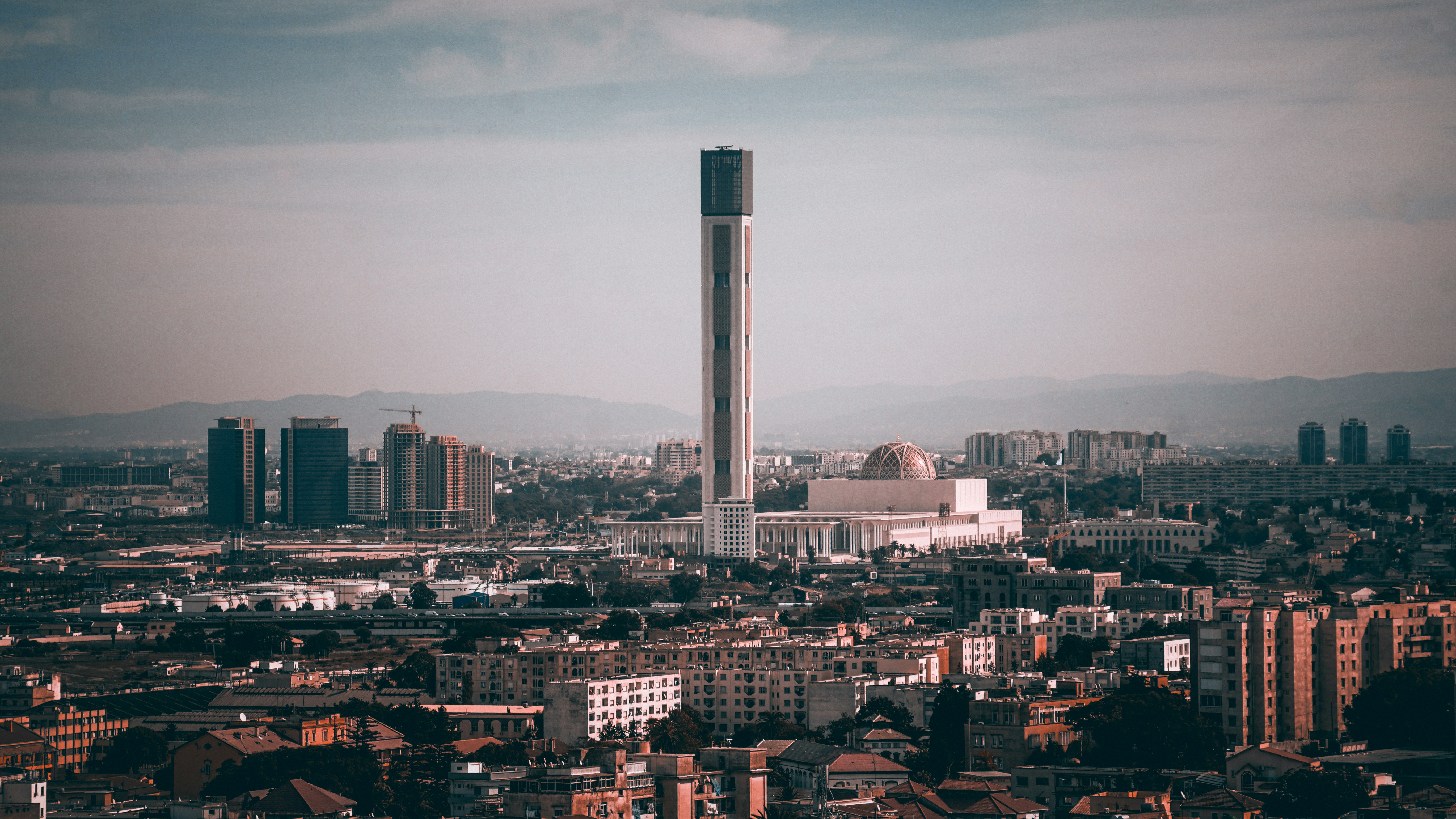
Algeria Safety Guide: TL;DR
Yes, Algeria can be a rewarding destination for prepared travellers, particularly in Algiers, Oran, Constantine, Tipaza, and established Sahara tour areas. Overall, official advisories commonly recommend a high degree of caution because of terrorism, kidnapping, remote-border risks, and limited medical services outside major cities. Avoid border zones and independent overland travel through the Sahara, follow local guidance, and arrange comprehensive insurance before departure.
Carry copies of your passport, keep valuables discreet, use registered accommodation and reputable guides, and save Algeria emergency numbers offline. Police are generally reached on 17 or 1548, fire services on 14, and ambulance services on 16 or 1021. Check your government’s latest advisory before travel because restrictions can change.
Is Algeria Safe? Understanding Algeria Travel Safety and Higher-Risk Areas
Algeria is generally manageable for cautious visitors in major cities and organised tourist areas, but it is not a destination for careless border travel, unsupervised desert journeys, or spontaneous remote-road adventures. Official travel advice recommends heightened caution nationwide and warns against areas near the borders with Mali, Niger, Mauritania, Libya, and parts of Tunisia because of terrorism, criminal activity, and kidnapping risks.
In practical terms, most city sightseeing follows familiar precautions: avoid isolated streets after dark, use licensed taxis or hotel-arranged transport, and keep your phone and wallet secure in busy markets, railway stations, and transport hubs. Algiers’ Casbah, Oran’s waterfront, Constantine’s bridges, and Roman sites around Tipaza are best visited during daylight, preferably with a local guide when exploring less-touristed lanes.
For the Sahara, book with an established Algerian operator, confirm permits and transport arrangements, share your itinerary, and avoid independent overland travel. Travel by air between major destinations where practical. Do not photograph military installations, police facilities, airports, ports, or government buildings. Modest clothing and respectful behaviour around mosques and religious sites will also make interactions smoother.
Algeria Scams, Theft, Transport, and Local Customs
The most realistic everyday risks for visitors are opportunistic theft, inflated prices, unofficial transport, and confusing currency or payment arrangements rather than organised scams targeting every tourist. Reduce exposure by agreeing prices before accepting a taxi, guide, porter, restaurant recommendation, or market purchase, and confirm whether the amount is in Algerian dinars rather than another currency.
Common situations to handle carefully include:
- Taxi overcharging: ask your hotel to arrange a car, use official taxis, and confirm the fare before departure. Avoid unmarked vehicles.
- Market pressure: compare prices at several stalls, decline firmly but politely, and never hand over your passport as security for a purchase.
- Card or cash confusion: count change at the counter and keep small dinar notes for cafés, taxis, and public toilets.
- Distraction theft: use a zipped cross-body bag in crowds and avoid displaying expensive cameras or jewellery.
- Unofficial guides: select guides recommended by established hotels, recognised tour companies, or tourism offices.
Algeria remains largely cash-oriented outside major hotels and international businesses. Keep emergency cash separately from your wallet, but do not carry your entire budget at once. Hello’s expense tools can help record cash spending, scan receipts in different languages and currencies, and split shared costs automatically when travelling with friends.
Algeria Emergency Numbers, Connectivity, and Singapore Consular Help
Save emergency contacts before departure because mobile coverage and English-language assistance can vary, especially outside Algiers and other large cities. The commonly published numbers are police 17 or 1548, fire 14, and ambulance 16 or 1021; some numbers work differently from landlines and mobile phones, so ask your accommodation to place the call if a number fails.
| Service | Algeria number | Practical advice |
|---|---|---|
| Police | 17 or 1548 | Ask for hotel staff or a local person to explain your location |
| Fire | 14 | Give the address, landmark, and nearest main road |
| Ambulance | 16 or 1021 | Private clinics may offer better facilities than remote public hospitals |
| Singapore assistance | Singapore Ministry of Foreign Affairs mission directory | Confirm the current Algeria contact before departure |
Singapore travellers should use the Singapore Ministry of Foreign Affairs overseas-mission directory to verify the nearest diplomatic representation and its emergency consular contact, as mission arrangements and telephone numbers can change. Consular staff can advise on lost passports, serious incidents, detention, and local procedures, but they cannot pay medical bills or guarantee evacuation.
For dependable arrival communications, consider Hello eSIM for Algeria. Buy and activate an eSIM from Hello before flying so you can access maps, message your accommodation, contact family, and share your itinerary immediately after landing. Keep offline maps and written contacts as backup.
Algeria Health Advice: Vaccinations, Water, Food, and Medical Care
Book a travel-health appointment at least eight weeks before Algeria, especially if visiting the Sahara, rural regions, or staying for several weeks. Routine vaccinations should be current, and a clinician may discuss hepatitis A, typhoid, polio, tetanus, measles, and rabies according to your itinerary and activities. A yellow-fever certificate may be required when arriving from a country with yellow-fever transmission or after a qualifying transit; Algeria itself is not generally considered a yellow-fever-risk country.
Health precautions include:
- Drink sealed bottled water or properly treated water; avoid ice when its source is uncertain.
- Choose food that is thoroughly cooked and served hot, and wash hands before eating.
- Use insect repellent and wear long, loose clothing. Health authorities identify insect-borne illnesses including leishmaniasis and West Nile virus in the region.
- Avoid freshwater swimming and do not assume remote desert clinics can provide advanced care.
- Carry regular medicines in original packaging with prescriptions and a small first-aid kit.
Medical facilities are stronger in major cities than in remote areas, while private clinics may require immediate payment. Travel insurance should cover outpatient care, hospitalisation, medical evacuation, repatriation, and adventure activities such as trekking or desert excursions. Save your insurer’s 24-hour assistance number and keep proof of cover offline.
Solo Female, LGBTQ+ and Responsible Travel Safety in Algeria
Solo women can travel through Algeria with careful planning, but conservative social expectations mean clothing, transport, and evening routines deserve attention. Wear shoulders-and-knees-covering clothing in towns and religious settings, choose reputable hotels, avoid accepting rides from strangers, and use hotel-arranged taxis after dark. Share daily plans with someone at home and consider joining a group for desert routes or remote archaeological sites.
Public affection is best avoided, and asking permission before photographing people is respectful. Keep your passport and accommodation address accessible, and learn a few French or Arabic phrases such as “no, thank you,” “how much?” and “where is the police?” French is widely useful in urban areas, while Arabic and Tamazight are official languages.
LGBTQ+ travellers should understand that Algeria is socially conservative and same-sex sexual activity is criminalised. Discretion is essential: avoid public displays of affection, carefully review accommodation privacy, and consider specialist advice before booking. Do not assume that dating-app conversations or invitations are risk-free; protect identifying information and meet only in public places if meeting anyone at all.
Responsible travel also means respecting photography restrictions, religious customs, and local communities. Dress appropriately, support licensed local guides, avoid unlicensed desert trips, and never enter restricted border areas for a photograph or shortcut.
Common Questions About Is Algeria Safe for Travellers?
Is Algeria safe for tourists? Major cities and established tourist routes can be visited safely with sensible precautions, but official advisories recommend heightened caution and avoiding several border regions. Conditions can change, so review advice shortly before departure.
What are the Algeria emergency numbers? Police are commonly reached on 17 or 1548, fire services on 14, and ambulances on 16 or 1021. Save both the number and your hotel’s address, and ask a local person to help if language or mobile access causes difficulty.
Can I drink tap water in Algeria? Travellers should generally choose sealed bottled water or properly treated water, particularly outside major cities. Check that bottle seals are intact and avoid ice when the water source is uncertain.
Do I need travel insurance for Algeria? Yes. Choose a policy covering medical treatment, evacuation, repatriation, cancellation, baggage, and activities in your itinerary. Confirm that desert travel, trekking, and remote-area transport are not excluded.
Can women travel alone in Algeria? Yes, with conservative dress, reputable accommodation, planned transport, and extra caution after dark. Group tours are preferable for remote Sahara travel.
Is Algeria LGBTQ+ friendly? Algeria is not a permissive destination for LGBTQ+ travellers. Same-sex sexual activity is criminalised, and discretion, privacy, and careful planning are strongly advised.
How can I stay connected? An eSIM from Hello can provide mobile data on arrival; download offline maps and keep emergency details saved in case coverage is interrupted.
Explore These Destinations
Stay Connected
Ready for Algeria?
eSIM data, expense splitting, budget tracking, and more. Everything you need for a smooth trip in one app.
Related Articles
Algeria Currency & Money Guide: Exchange, Cards, and Tips
Currency exchange, credit card acceptance, ATM tips, tipping culture, and money-saving advice for Algeria.
23 July 2026
Algeria Visa & Entry Requirements for Singapore Passport Holders
Visa requirements, passport validity, customs allowances, and entry tips for Singapore citizens travelling to Algeria.
6 July 2026
eSIM for Algeria: Best Plans, Coverage, and Setup Tips
Everything you need to know about using eSIM in Algeria. Best data plans, network coverage, and setup instructions.
27 June 2026