Morocco Cultural Guide: Etiquette, Customs, and Tips
Essential do's and don'ts, greeting customs, dress codes, local phrases, and cultural tips for Morocco.
By Hello Travel Team
This article contains affiliate links. If you book through them, Hello may earn a commission at no additional cost to you. Our editorial recommendations are independent. Learn more.
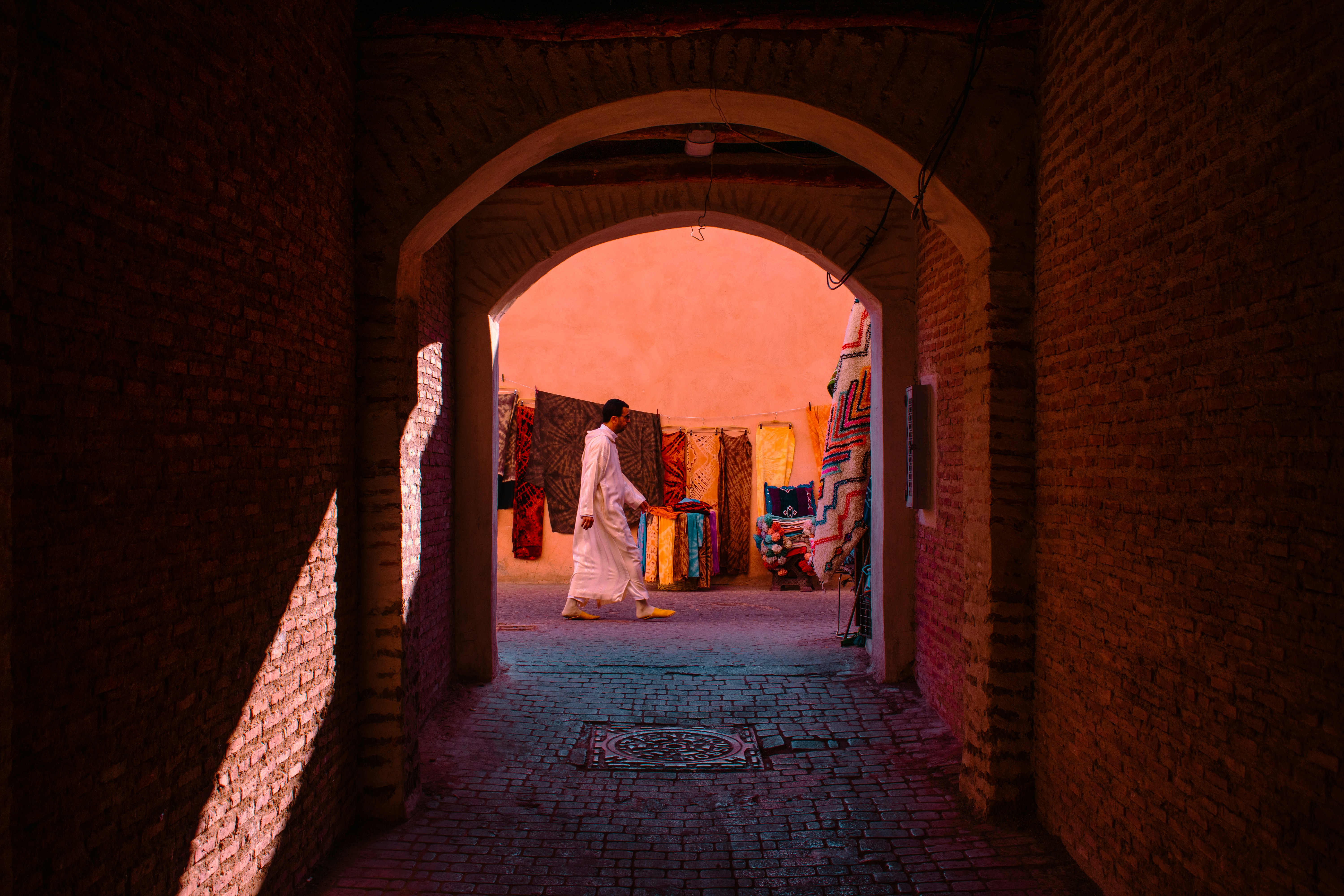
TL;DR: Morocco Culture, Etiquette, and Essential Dos and Don’ts
Morocco’s culture is warm and welcoming, but travellers should follow simple etiquette: greet people politely, dress modestly, ask before taking photos, respect religious spaces, and be mindful of Ramadan and local holidays when planning activities. These basic dos and don’ts will keep your trip smooth and respectful.
Morocco blends Arab, Berber, and French influences, creating a unique cultural mix you’ll feel in everyday interactions, from bargaining in the souks to sharing mint tea with locals. Most Moroccans are friendly and curious, and a few well-chosen words in Arabic or French go a long way.
For travellers, the key is to balance curiosity with respect. Avoid public displays of affection, dress a bit more conservatively than at home, especially in smaller towns, and be patient with different concepts of time and punctuality.
If you’re planning several cities—from Casablanca and Rabat to Fes and Marrakesh—consider practicalities like staying connected, tracking shared expenses, and planning around major holidays when businesses may close early. A quick cultural check before you go will help you enjoy Morocco’s hospitality without unintended faux pas.
Using tools like the Hello app for trip planning, budget tracking, and eSIM connectivity lets you focus on the rich local experiences—seemingly small things like knowing how to greet someone or how to behave in a mosque make the difference between feeling like a tourist and travelling thoughtfully.
Essential Morocco Dos and Don’ts for Respectful Travel
Morocco’s main cultural dos and don’ts are simple: greet people politely, dress modestly, respect religious practices, avoid excessive alcohol or public affection, and always ask before photographing people or religious sites. Follow these basics and you’ll be welcomed almost everywhere you go.
A few key dos:
- Do greet with “Salam Alaikum” (peace be upon you) and a smile.
- Do use your right hand when giving or receiving items, including money.
- Do learn to say thank you: “Shukran” in Arabic and “Merci” in French.
- Do bargain in markets, but keep it friendly, not aggressive.
Important don’ts:
- Don’t wear revealing clothing in medinas, rural areas, or near religious sites.
- Don’t eat, drink, or smoke in public during daylight hours in Ramadan, especially outside tourist zones.
- Don’t snap photos of people—particularly women or religious leaders—without permission.
- Don’t criticize religion or the King; politics and religion are sensitive topics.
To stay culturally aware across cities like Marrakesh, Fes, and Tangier, it helps to keep notes, bookings, and costs organized. The Hello app’s budget tracking and expense splitting features make it easy to log small daily expenses—like 10–20 MAD for street snacks and 60–120 MAD for simple restaurant meals in 2026—so you can focus on experiencing Morocco’s customs, not hunting for receipts.
Greeting Customs, Polite Phrases, and Everyday Morocco Etiquette
Moroccan greetings are warm but formal: use “Salam Alaikum” plus a handshake or light nod, and avoid overly familiar physical contact with strangers. Adding a few polite Arabic and French phrases shows respect and instantly improves your interactions in shops, taxis, and riads.
In most situations, a Moroccan greeting follows a simple pattern: a verbal greeting, a handshake (often lighter than in Western countries), and a brief exchange of “How are you?” questions. Between men and women who are not related, handshakes may be skipped; follow the other person’s lead.
Useful phrases include:
- Salam Alaikum – Peace be upon you (standard greeting)
- Wa Alaikum Salam – And peace be upon you (response)
- Shukran – Thank you
- La Shukran – No, thank you
- Sabah el khair – Good morning
- Masa el khair – Good evening
French is widely used in cities, so “Bonjour,” “Merci,” and “S’il vous plaît” work almost everywhere. In tourist areas like Marrakesh’s Jemaa el-Fna, basic English is common, but trying local phrases is appreciated.
Table: Quick Morocco greeting etiquette
| Situation | Appropriate Greeting | Physical Contact |
|---|---|---|
| Meeting a man | Salam Alaikum | Light handshake |
| Meeting a woman (non-relative) | Salam Alaikum | Follow her lead; often no handshake |
| Entering a shop | Salam Alaikum or Bonjour | None needed |
| Leaving a place | Shukran, Ma’a salama (goodbye) | None needed |
Staying connected helps if you want to quickly check phrases or map your route between medina alleys and new neighborhoods. An eSIM from Hello for Morocco gives you instant data on arrival, so you can look up local expressions and navigate without hunting for SIM shops.
Dress Codes, Mosque Visits, and Photography Rules in Morocco
Travellers in Morocco should dress modestly—covering shoulders and knees—especially in medinas, rural areas, and religious sites, and should always ask before taking close-up photos of people or prayer spaces. Respecting dress codes and photography rules prevents awkward moments and shows genuine cultural sensitivity.
In cities like Marrakesh and Casablanca, you’ll see a mix of styles: locals in djellabas and hijabs alongside tourists in jeans and long skirts. Short sleeves are generally fine, but very short shorts, crop tops, and low-cut clothing can attract unwanted attention, particularly in traditional areas like Fes el-Bali.
For mosque and religious site etiquette:
- Non-Muslims may visit certain mosques like Casablanca’s Hassan II Mosque on guided tours; others are closed to visitors.
- Dress conservatively: long trousers or skirts, covered shoulders, and no tight or transparent clothing.
- Remove shoes when entering prayer areas and remain quiet.
Photography guidelines:
- Ask permission before photographing individuals, especially women or religious figures.
- Avoid taking photos of people at prayer or of military/police installations.
- In souks, some artisans welcome photos if you buy or tip; clarify first.
In 2023, Morocco welcomed over 14.5 million tourists, according to the Moroccan Tourism Ministry, and authorities have become more explicit about protecting privacy and sensitive sites. Carrying a connected phone with Hello’s expense tracking is useful here: you can note tips paid to guides (often 30–50 MAD per person) and small photography fees without losing track of your daily budget.
Business Etiquette, Gift-Giving, and Planning Around Moroccan Holidays
Morocco’s business etiquette combines formality with relationship-building: arrive on time, dress smartly, be patient with indirect communication, and understand that trust often matters more than speed. For gifting, choose quality items and avoid alcohol unless you’re certain it’s appropriate, especially with more traditional contacts.
Business meetings typically start with small talk about family or travel before moving to work topics, and hierarchy is respected; greet senior people first and address them by their professional titles when known. Handshakes are common, but again, gender norms apply—men and women may avoid shaking hands unless clearly comfortable.
Gift-giving customs:
- Small, thoughtful gifts from your home country—regional food specialties, books, or quality stationery—are appreciated.
- Present gifts with your right hand (or both hands) and avoid overly expensive items that could feel awkward.
Major holidays to plan around:
- Ramadan (dates shift yearly): working hours shorten, some restaurants close during daylight, and evenings become very lively after iftar.
- Eid al-Fitr and Eid al-Adha: family-focused days; expect many shops and offices to close or reduce hours.
- Islamic New Year and Prophet’s Birthday: quieter religious observances but still affect government schedules.
In 2024, the World Tourism Organization noted that North African destinations like Morocco saw strong post-pandemic recovery, meaning holidays can be busy in main tourist hubs. If you’re splitting costs for work trips or group travel during peak holidays, Hello’s multi-currency expense splitting makes it easy to manage shared riad bookings, taxis (often 10–40 MAD per ride in cities), and business meals.
Staying Connected and On Budget: Practical Tips for Travelling Morocco
The easiest way to enjoy Morocco’s culture without stress is to arrive connected, keep your expenses organized, and know average local prices so you can budget realistically. A bit of planning around data, cash, and daily costs makes time in medinas and mountains far more relaxed.
Many travellers now rely on digital tools for navigation, translation, and bookings. Buying and activating a Hello eSIM for Morocco before departure means you land in Casablanca or Marrakesh with instant data—no queuing in airport SIM shops or dealing with physical cards. Plans start from around 5GB, with prices updated live in the app.
Typical 2026 cost ranges:
- Street food snacks (sfenj doughnuts, msemen pancakes): 5–15 MAD.
- Simple café meals or tagines: 60–120 MAD per person.
- Mid-range restaurant dinner with drinks: 150–250 MAD.
- Intercity bus (e.g., Marrakesh–Fes): 120–220 MAD depending on company.
Hello’s AI receipt scanning and voice expense entry help you quickly log these costs in any currency, while automatic exchange rates keep your home-budget perspective clear. This is handy in souks where cash is still king and card acceptance can vary.
Table: Everyday travel costs in Morocco (2026 estimates)
| Item | Typical Price (MAD) | Notes |
|---|---|---|
| Local taxi ride | 10–40 | Within city, meters or negotiated |
| Mint tea | 10–25 | Often served as a hospitality gesture |
| Riad room (mid-range) | 350–700 | Per night, double room |
| Museum entry | 30–70 | Varies by city and site |
Combining cultural awareness with these practical tools lets you focus on conversations, tea rituals, and local crafts rather than worrying about overspending.
Common Questions: Morocco Culture, Customs, and Etiquette FAQs
Most common Morocco culture questions focus on dress codes, safety, tipping, and behaviour during Ramadan: dress modestly, keep bargaining friendly, tip small but often, and show extra respect during religious periods. With these basics in mind, Morocco is a welcoming and rewarding place to visit.
Is Morocco safe for travellers?
Morocco is generally considered one of the safer destinations in North Africa, with tourism forming a major part of the economy. As with any busy country, petty theft can occur in crowded medinas, so use standard precautions: keep valuables secure, avoid flashing expensive items, and stick to reputable taxis at night.
What should I wear in Morocco?
In cities, modest casual clothing is fine—long trousers or skirts, T-shirts or blouses with covered shoulders. Swimwear belongs at pools and beaches, not in the streets. In conservative towns or religious visits, opt for looser clothing and consider carrying a light scarf.
Do I need to tip?
Tipping is customary but usually modest: round up taxi fares, leave 5–10 MAD in cafés, and 10–20 MAD in restaurants if service isn’t already included. For guides or drivers on day trips, 50–100 MAD per person is a common gesture.
How should I behave during Ramadan?
During Ramadan, be discrete if you eat or drink in public during the day and expect shorter working hours. Many travellers enjoy joining iftar meals after sunset, which is a good moment to experience community and hospitality.
Using the Hello app for trip planning and expense tracking helps you compare daily costs between cities—say, tourist-heavy Marrakesh versus quieter coastal towns—so you can adjust your budget while still respecting local customs and rhythms.
Explore These Destinations
Stay Connected
Book this trip
Compare options on trusted travel sites
Plan activities for this trip
Continue to a reviewed booking partner to check schedules, inclusions, and terms.

Make the most of Morocco
From eSIM connectivity to expense tracking, Hello is the all-in-one companion that keeps your trip stress-free.
Related Articles
Morocco Safety Guide: Tips for a Safe Trip
Safety tips, health advisories, emergency contacts, common scams, and travel insurance advice for Morocco.
20 July 2026
Morocco Visa & Entry Requirements for Singapore Passport Holders
Visa requirements, passport validity, customs allowances, and entry tips for Singapore citizens travelling to Morocco.
11 July 2026
eSIM for Morocco: Best Plans, Coverage, and Setup Tips
Everything you need to know about using eSIM in Morocco. Best data plans, network coverage, and setup instructions.
2 July 2026