Mongolia Cultural Guide: Etiquette, Customs, and Tips
Essential do's and don'ts, greeting customs, dress codes, local phrases, and cultural tips for Mongolia.
By Hello Travel Team
TL;DR: Mongolia Culture, Etiquette, and Essential Do’s and Don’ts
Mongolia’s culture values hospitality, respect for elders, and a deep connection to the land, so travellers should greet politely, accept offered food or tea, and avoid loud or showy behaviour. Dress modestly, especially at monasteries, and follow local customs when entering gers, taking photos, or giving gifts.
Mongolia welcomed around 640,000 international visitors in 2023, according to the Mongolian Tourism Association, and the government aims to reach 1 million tourists annually by the late 2020s, so cultural etiquette is increasingly important as locals interact with more foreign travellers. In practice, this means removing your shoes at home entrances, handling items with both hands, and never pointing your feet at people or sacred objects.
For connectivity and logistics, many travellers now rely on an eSIM from Hello to stay online across Mongolia’s vast steppes, especially in Ulaanbaatar, provincial towns like Kharkhorin and Dalanzadgad, and during long overland tours. With instant activation and trip budget tracking in the Hello app, you can focus on learning Mongolia’s customs, not hunting for SIM cards.
Use the following sections as a quick cultural playbook: how to greet, what to wear, what to avoid, when to visit around holidays, business etiquette basics, and how to navigate photography and gift-giving without causing offense. Think of it as having a culturally savvy friend in your pocket while you explore Mongolia.
Core Mongolia Etiquette: Do’s, Don’ts, and Everyday Behaviour
The most important Mongolia etiquette rules are simple: be modest, accept hospitality graciously, show respect for elders and sacred sites, and avoid behaviour that feels pushy, loud, or careless with the land and animals. If in doubt, observe what locals do and quietly follow their lead.
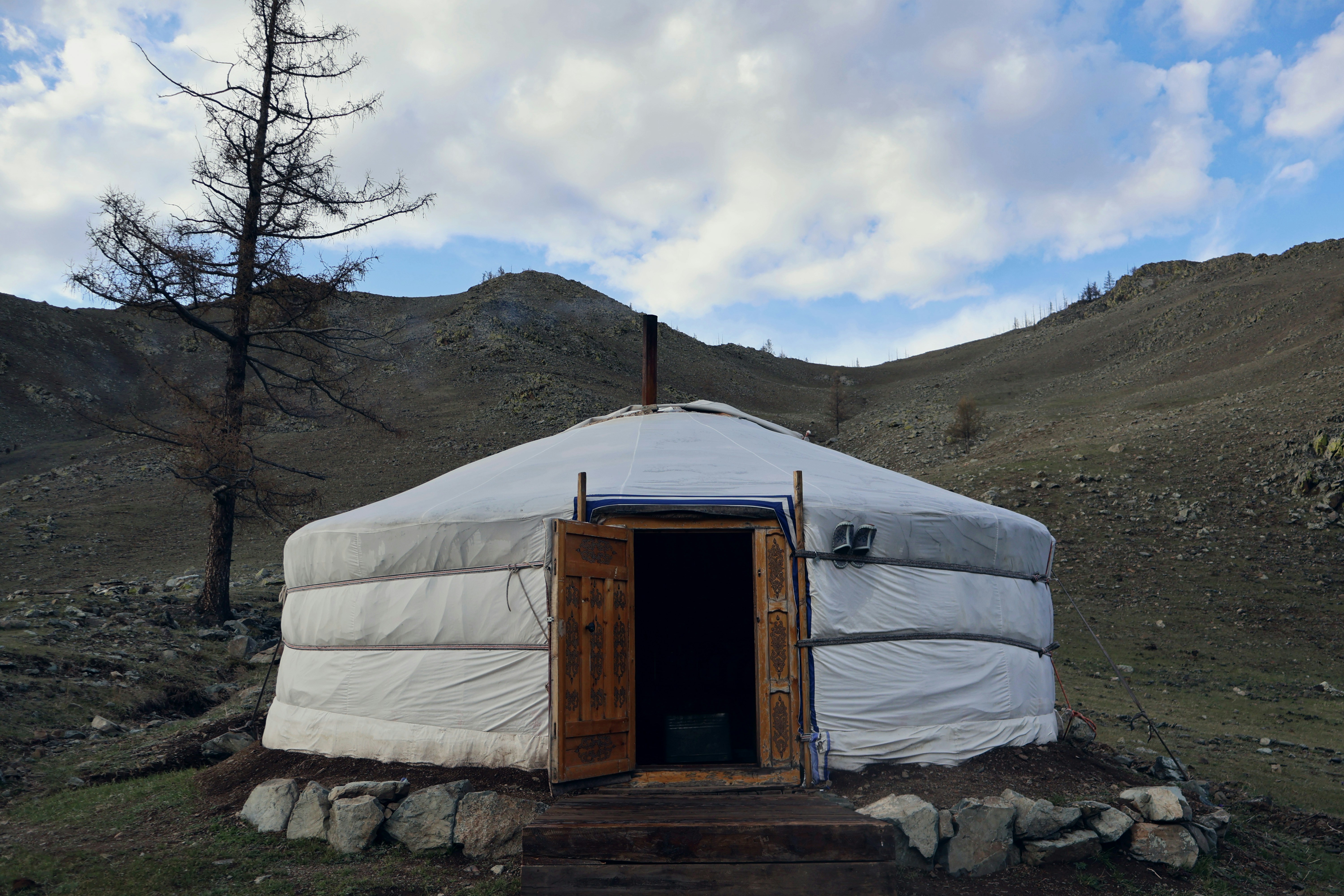
Daily manners matter in Mongolia, whether you’re in Ulaanbaatar or a remote ger camp. Locals generally appreciate calm, polite behaviour: speak softly, avoid public displays of anger, and don’t boast or flash wealth. When entering someone’s home or ger, step over the threshold rather than on it, move clockwise inside, and never lean against the central support pillars.
A few non-obvious don’ts to remember:
- Don’t whistle inside a ger (it’s considered bad luck).
- Don’t touch someone’s head or hat.
- Don’t walk between the two central ger pillars.
- Don’t point at people or sacred objects with your index finger; use an open hand.
On the do’s side, always accept at least a taste of offered food or tea (usually salty milk tea) as a sign of respect. If you can’t finish it, place the bowl down gently rather than refusing outright. When paying or handing over items, use your right hand supported by the left, especially with elders.
For practical context, many mid-range restaurants in Ulaanbaatar charge around $10–18 per person in 2026; tipping is not mandatory but small rounding up or leaving change is appreciated in tourist-focused venues.
Greetings, Basic Mongolian Phrases, and How to Address People
To greet people in Mongolia politely, use a friendly hello, shake hands lightly when appropriate, and learn a few key Mongolian phrases; respect for elders is shown through softer tone, attentive listening, and often using two hands when shaking hands or exchanging items.
In urban areas, a simple English “hello” often works, but making the effort with Mongolian is warmly appreciated. Common phrases include:
- “Sain baina uu?” – Hello (formal)
- “Sain uu?” – Hi (informal)
- “Bayarlalaa” – Thank you
- “Uuchlaarai” – Excuse me / I’m sorry
- “Tiim” – Yes / “Ügüikh” – No
Older Mongolians may still practice the traditional New Year-style greeting called “zolgokh” during Tsagaan Sar (Lunar New Year), where younger people support the elder’s arms and offer well-wishes. As a visitor, you’ll mostly just respond with a smile and “Bayarlalaa.”
Use titles and given names rather than family names in casual conversation. For guides, drivers, and hosts, addressing them by first name with a polite tone is acceptable. If you’re unsure, ask, “Bi yamar nerer duudakh ve?” (What should I call you?).
Body language matters: avoid very strong eye contact that feels confrontational; instead, look at the person, smile lightly, and keep your posture relaxed. Handshakes are common in business and urban contexts, but in rural areas you may simply nod or offer a light handshake without gripping too hard.
As more than 68% of Mongolians live in urban areas (per Mongolia’s National Statistics Office), you’ll find a blend of traditional and modern greeting styles—being flexible and observant is key.
Dress Codes in Mongolia: What to Wear and Religious Site Etiquette
Travellers in Mongolia should dress in practical layers that cover shoulders and knees, choose sturdier clothes for the countryside, and wear conservative outfits when visiting monasteries or official buildings; modesty and practicality are more important than fashion or brand names.
Mongolia’s climate swings dramatically: winter temperatures can drop below −30°C in many regions, while summer days in the Gobi can exceed 30°C. Pack layers—thermal base, fleece, windproof outer shell—and sturdy shoes. In Ulaanbaatar, jeans, casual trousers, and simple tops are fine, but avoid very revealing outfits, especially outside nightlife districts.
At Buddhist monasteries such as Gandantegchinlen Monastery in Ulaanbaatar or Erdene Zuu in Kharkhorin:
- Wear long trousers or a long skirt.
- Cover shoulders; tank tops are best avoided.
- Remove hats inside temple halls.
- Avoid flashy logos with religious or political symbols.
You can use this quick comparison for planning outfits:
| Setting | Recommended Dress | What to Avoid |
|---|---|---|
| Ulaanbaatar city | Casual smart: jeans, trousers, modest tops | Very short shorts, crop tops in formal areas |
| Monasteries | Long pants/skirts, covered shoulders, closed shoes | Sleeveless tops, mini skirts, loud prints |
| Countryside/ger camp | Layered outdoor wear, hiking boots | Delicate shoes, impractical fashion |
In winter, a basic cold-weather kit (thermal base layer, insulated jacket, hat, gloves) can cost $120–200 in 2026 if purchased locally in Ulaanbaatar outdoor shops. Renting traditional deels (Mongolian robes) for festivals or photoshoots is possible through some tour companies, usually around $15–30 per day.
Photography, Business Etiquette, and Modern Mongolia Customs
In Mongolia, always ask before photographing people or religious rituals, follow monastery rules about cameras, and apply straightforward business etiquette: be punctual, dress modestly, and communicate clearly and calmly without aggressive bargaining.
Photography etiquette is especially important around monks, nomadic families, and sacred sites. At monasteries, you’ll often see signs indicating whether photography is allowed; some inner halls prohibit photos or charge a small camera fee of about $2–5 in 2026. Always:
- Ask permission before photographing people, especially children.
- Avoid drone flights near monasteries or military zones; permits may be required.
- Never step over offering tables or touch statues and ritual objects.
In business settings—whether meeting a tour operator, local entrepreneur, or government office—smart-casual clothing is fine. Arrive on time or slightly early; while Mongolian time can be flexible socially, business culture in Ulaanbaatar is increasingly punctual. Exchanging business cards is common; offer and receive with both hands where possible.
Negotiation is generally polite and direct. You can negotiate prices at markets and for some private services, but aggressive haggling is frowned upon. For example, a half-day city tour might cost $35–60 per person in 2026, and small discounts are possible for groups, but demanding very low prices can feel disrespectful.
As Mongolia’s GDP per capita has risen above $5,000 according to World Bank data, more Mongolians work in services and tourism, leading to a hybrid etiquette mix: traditional hospitality in rural areas and more structured, professional norms in the capital.
Holidays, Gift-Giving Customs, and Mongolia Dos and Don’ts for Hosts
Key Mongolian holidays like Naadam and Tsagaan Sar shape travel plans and etiquette: expect busy transport, higher prices, and more family gatherings, and follow local gift-giving customs by offering small, thoughtful items rather than expensive or flashy presents.
Tsagaan Sar (Lunar New Year) is Mongolia’s most important family holiday, usually falling between late January and late February. During this time, Ulaanbaatar can be quiet as many residents travel to the countryside to visit relatives. Buses and flights may sell out, and prices for intercity travel can rise 10–20% compared with non-holiday weeks. As a guest, you may be offered buuz (steamed dumplings) and sweet treats—accept with gratitude, and consider bringing a small gift such as good-quality tea, chocolates, or a practical household item.
Naadam, held annually from July 11–13, is Mongolia’s national festival featuring wrestling, horse racing, and archery. Ticketed events in Ulaanbaatar’s stadium can range from $20–50 in 2026 for foreigners, while regional Naadam celebrations are often free and more informal. During Naadam, modest but cheerful dress is fine; many locals wear colorful deels.
For gift-giving, avoid overly personal items, very expensive gifts, or alcohol unless you know your hosts well. Good choices include:
- Tea, coffee, or chocolate from your home country.
- Simple children’s books or art supplies for families.
- Practical outdoor items (flashlights, scarves) for rural hosts.
When presenting gifts, use both hands, avoid wrapping in stark white or black (often associated with mourning), and expect your gift to be set aside rather than opened immediately—that’s normal and polite in Mongolia.
Common Questions About Mongolia Culture, Connectivity, and Etiquette
Most travellers’ questions about Mongolia culture focus on greetings, visiting gers, tipping, and staying connected in the countryside; the short answer is be modest, say “Bayarlalaa” often, accept hospitality, and use modern tools like Hello eSIM and the Hello app to simplify logistics.
Q: Is it rude to refuse food or drink in Mongolia?
Yes, outright refusal is considered impolite. It’s better to accept a small amount of milk tea or snacks and then stop when you’re full. You can place the bowl down gently or say you’re satisfied rather than saying no directly.
Q: How should I behave when entering a ger?
Step over the threshold, not on it; move clockwise inside; do not walk between the two central pillars; and sit where your host indicates. Keep your hat on unless asked otherwise—it’s not the same as entering a Western home.
Q: Do I need to tip in Mongolia?
Tipping isn’t mandatory, but in tourist restaurants and with guides, a 5–10% tip or rounding up the bill is appreciated. For multi-day tours costing $80–150 per day in 2026, many travellers budget $5–10 per day for drivers and guides.
Q: How can I stay connected across Mongolia’s vast countryside?
Many visitors use Hello’s eSIM plans for Mongolia, activated before arrival via the Hello app, so they land in Mongolia with data ready for maps, translation, and expense tracking. You can explore Hello eSIM for Mongolia to compare current data packages.
Q: Is English widely spoken?
English is increasingly common among younger people and those working in tourism, especially in Ulaanbaatar, but limited in rural areas. Having a few Mongolian phrases and offline maps or translation in the Hello app helps enormously.
Explore These Destinations
Stay Connected
Make the most of Mongolia
From eSIM connectivity to expense tracking, Hello is the all-in-one companion that keeps your trip stress-free.
Related Articles
Mongolia Safety Guide: Tips for a Safe Trip
Safety tips, health advisories, emergency contacts, common scams, and travel insurance advice for Mongolia.
20 July 2026
Mongolia Visa & Entry Requirements for Singapore Passport Holders
Visa requirements, passport validity, customs allowances, and entry tips for Singapore citizens travelling to Mongolia.
11 July 2026
eSIM for Mongolia: Best Plans, Coverage, and Setup Tips
Everything you need to know about using eSIM in Mongolia. Best data plans, network coverage, and setup instructions.
3 July 2026