eSIM for Mongolia: Best Plans, Coverage, and Setup Tips
Everything you need to know about using eSIM in Mongolia. Best data plans, network coverage, and setup instructions.
By Hello Travel Team
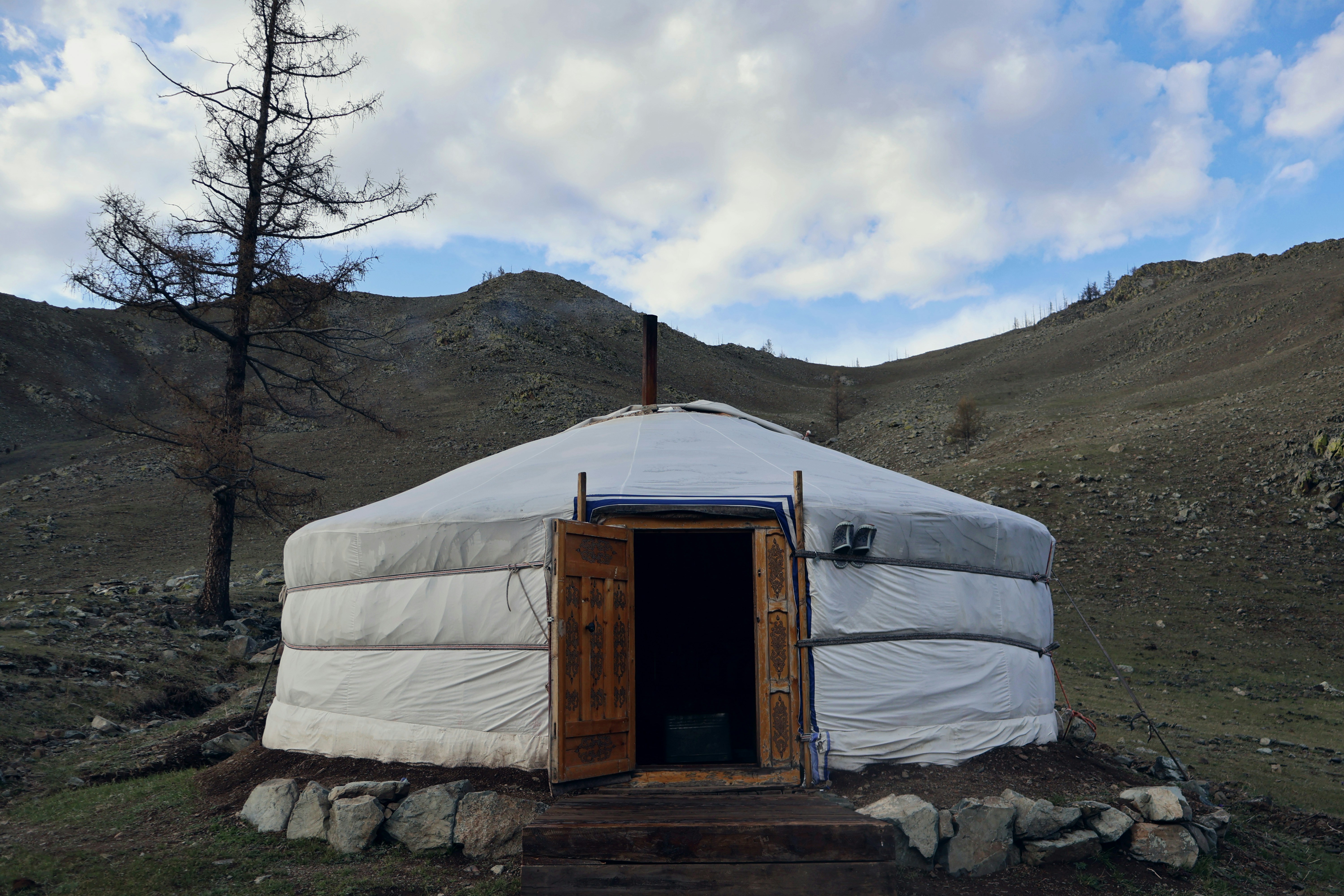
TL;DR: Is an eSIM for Mongolia worth it?
For most visitors, a Mongolia eSIM from Hello is the simplest way to get mobile data immediately after landing in Ulaanbaatar, without visiting a shop or changing your physical SIM. Hello offers plans starting at 5GB, which is a practical amount for a 10–14-day trip using maps, messaging, translation, and occasional social media; however, no mobile plan can cover every remote steppe or desert route.
Hello’s eSIM plans for 200+ countries can be purchased and activated before departure, so you can arrive with Mongolia travel internet ready to use. Expect strong 4G in Ulaanbaatar, provincial capitals, and along major roads, while coverage may disappear for hours between towns, around isolated ger camps, and deep in the Gobi or northern wilderness. Download offline maps, keep your passport and accommodation details accessible, and treat connectivity as useful—but not guaranteed—in remote Mongolia.
Best Mongolia eSIM plan for different trip lengths
The best Mongolia eSIM plan depends more on your route than on the number of days: a 5GB plan suits normal navigation and messaging, while heavier users should choose more data for video, hotspotting, or frequent uploads. For a typical 2026 itinerary, 5GB is a sensible starting point for 10–14 days in Ulaanbaatar plus a regional circuit.
| Trip style | Suggested data | Typical usage |
|---|---|---|
| 5–7 days in Ulaanbaatar | 5GB | Maps, translation, messaging, ride-hailing, light browsing |
| 10–14 days with a Gobi or Terelj trip | 5–10GB | Navigation, bookings, photos, social media, occasional video |
| 2–4 weeks with frequent uploads | 10GB or more | Video calls, cloud backups, streaming, hotspot use |
Prices for Hello’s Mongolia plans are updated live, so check the Hello eSIM for Mongolia page before buying rather than relying on an old price shown in a guide. Since plans start from 5GB, compare validity and data allowances together. A plan that appears inexpensive may be poor value if it expires before your return flight.
To stretch Mongolia mobile data, disable automatic photo backups, download Google Maps or another navigation app over Wi-Fi, and use hotel or café Wi-Fi for large uploads. Most travellers do not need unlimited data because long rural stretches may have no signal anyway.
Mongolia mobile data coverage: Ulaanbaatar, Gobi, and the steppe
Mongolia mobile data is reliable in populated areas but inherently uneven across the country: 4G is widely available in Ulaanbaatar and many provincial capitals, while open steppe, mountain valleys, and remote desert routes can have long dead zones. According to recent 2026 coverage guides, MobiCom reaches about 95% of the population and Unitel about 88%, but population coverage is not the same as geographic coverage.
In Ulaanbaatar, expect dependable 4G around Sukhbaatar Square, the State Department Store, Chinggis Khaan International Airport, Zaisan, and most central districts. Dalanzadgad generally has usable service in town, while coverage around Yolyn Am, Bayanzag, and isolated Gobi ger camps can be limited or absent. Terelj and Karakorum are usually more connected near settlements and major routes than in the surrounding countryside. Lake Khövsgöl and northern mountain areas can also have significant gaps.
Plan around these realities:
- Download offline maps for Ulaanbaatar, Terelj, Karakorum, Dalanzadgad, and your planned route.
- Save hotel, driver, tour operator, and emergency details before leaving town.
- Ask your guide where the next reliable signal is expected.
- Carry a power bank because searching for signal can drain a phone quickly.
An eSIM from Hello gives you convenient access where the underlying local network reaches, but it cannot create coverage in areas without towers.
How to set up a Hello eSIM for Mongolia before departure
The safest setup is to install your Hello eSIM while you still have dependable Wi-Fi, then activate mobile data when you land in Mongolia; this avoids airport queues and leaves your physical SIM available for calls or account verification. Hello is available through its travel companion app for iOS and Android, and plans can be purchased before departure.
Follow these steps:
- Confirm that your phone is unlocked and supports eSIM. On most recent iPhones, Google Pixel devices, and Samsung Galaxy models, check the mobile-network settings for an option such as “Add eSIM.”
- In the Hello app, choose Mongolia, select a plan, and complete the purchase.
- Install the eSIM using the in-app instructions or QR code while connected to Wi-Fi.
- Label the line “Hello Mongolia” so you do not accidentally change the wrong SIM.
- Keep your home SIM active for calls if needed, but set Hello as the mobile-data line after landing.
- Turn off data roaming on your home line to avoid accidental charges.
Activation timing can vary by plan, so read the plan details before installation. If your phone asks whether to enable data roaming for the Hello line, follow Hello’s instructions; this may be required for the travel eSIM to connect. Test mobile data outside Chinggis Khaan International Airport before heading into the city.
Practical Mongolia travel internet tips for 2026
The most useful Mongolia travel internet strategy is to combine Hello mobile data in towns with offline tools for remote travel, because even a strong plan cannot overcome the country’s vast distances and sparse tower coverage. Mongolia is the world’s least densely populated country, and that geography explains why a signal can be excellent in one settlement and unavailable shortly afterward.
In Ulaanbaatar, use Hello for maps, translation, restaurant research, digital tickets, and ride-hailing. Wi-Fi is common in hotels, cafés, and coworking spaces, but speed and reliability vary. Outside the capital, download maps and documents before departing provincial centres. A typical overland journey can involve several hours between settlements, particularly on rough tracks across the Gobi or steppe.
For a practical 2026 budget, allow roughly $5–15 per day for casual meals, $15–30 for a comfortable restaurant meal, and considerably more for guided multi-day excursions; exact prices vary by city, season, and tour style. Use Hello’s expense tools to scan receipts in different languages and currencies, import bank statements, and split shared costs automatically with travel companions. That is especially helpful when one person pays for a ger camp, fuel, or a group driver in Mongolian tögrög while others reimburse in another currency.
Keep a paper or offline copy of your passport details, travel insurance, bookings, and key phone numbers. Connectivity is a convenience, not a substitute for preparation.
Common questions about eSIM Mongolia plans
Most travellers can use an eSIM Mongolia plan successfully in cities and on major tourist routes, but they should expect coverage gaps in remote landscapes and prepare offline alternatives before leaving the capital.
Does Mongolia support eSIM? Yes, compatible unlocked phones can use a Hello eSIM for mobile data in Mongolia. Install it over Wi-Fi before departure and follow the plan’s activation instructions.
Will a Hello eSIM work in the Gobi Desert? It can work in towns such as Dalanzadgad, but coverage is not continuous across the Gobi. Around Yolyn Am, Bayanzag, remote ger camps, and long overland stretches, service may be weak or unavailable.
How much Mongolia mobile data do I need? For 10–14 days, 5GB is a practical baseline for maps, messaging, translation, and light browsing. Choose 10GB or more if you upload many photos, make video calls, stream media, or use your phone as a hotspot.
Can I use my regular SIM as well? Usually, yes, if your phone supports dual-SIM operation. Set Hello as the data line and disable data roaming on your home SIM to reduce the risk of unexpected charges.
Can I call local numbers with Hello? Check the specific Hello plan because travel eSIMs are generally designed primarily for data. Use messaging apps, internet calling, or your accommodation’s phone when available.
What if my eSIM does not connect? Restart the phone, confirm the Hello line is enabled, check that mobile data is assigned to it, and verify the required roaming setting. If there is still no service, move outdoors or closer to a populated area; the issue may be local coverage rather than installation.
Explore These Destinations
Stay Connected
Stay connected in Mongolia
Get an eSIM before you land. Hello gives you instant data in 200+ countries — no SIM swaps, no roaming fees.
Related Articles
Mongolia Safety Guide: Tips for a Safe Trip
Safety tips, health advisories, emergency contacts, common scams, and travel insurance advice for Mongolia.
20 July 2026
Mongolia Visa & Entry Requirements for Singapore Passport Holders
Visa requirements, passport validity, customs allowances, and entry tips for Singapore citizens travelling to Mongolia.
11 July 2026
Mongolia in 10 Days: The Ultimate Travel Itinerary
A comprehensive 10-day itinerary for Mongolia covering top attractions, hidden gems, daily costs, and transport between cities.
22 June 2026