Mongolia Safety Guide: Tips for a Safe Trip
Safety tips, health advisories, emergency contacts, common scams, and travel insurance advice for Mongolia.
By Hello Travel Team
TL;DR: Is Mongolia Safe for Travellers?
Yes—Mongolia is generally safe for visitors who use normal precautions, although remote landscapes, severe weather, limited medical facilities, and petty crime require careful planning. Most trips are trouble-free; the biggest risks are not violent crime but getting lost or stranded outside Ulaanbaatar, road accidents, contaminated water, and opportunistic theft in crowded places. Keep valuables secure, use reputable tour operators, avoid travelling into the countryside without reliable transport and communications, and purchase comprehensive travel insurance. Save Mongolia’s emergency numbers—police 102, fire 101, and ambulance 103—before arrival. Staying connected with a Hello eSIM for Mongolia can help with maps, translation, bookings, and contacting assistance when mobile coverage is available.
Mongolia Travel Safety: Main Risks and Practical Precautions
Mongolia is considered a destination where travellers should exercise normal precautions, but the country’s geography makes ordinary problems more serious: outside Ulaanbaatar, distances are vast, roads may be unpaved, and professional medical help can be many hours away. In the capital, watch for pickpocketing around Sükhbaatar Square, markets, bus stations, Naadam crowds, and busy nightlife areas. Keep phones and wallets out of sight, carry only the cash you need, and use a hotel safe for passports.
Road travel deserves particular attention. Avoid unlicensed drivers, overnight rural journeys, and vehicles without seat belts. Before a multi-day trip, confirm the vehicle, driver, route, fuel plan, accommodation, and backup communications. Weather can change rapidly across the steppe, particularly in spring and autumn; do not underestimate cold, wind, dust, or snow.
| Situation | Safer choice |
|---|---|
| Ulaanbaatar nightlife | Travel with friends and use a pre-arranged ride |
| Rural excursion | Choose a reputable operator with an experienced driver |
| Hiking or horse riding | Carry water, layers, offline maps, and first-aid supplies |
| Valuables | Use a hotel safe and keep digital copies of documents |
| Remote travel | Share your itinerary and expected return time |
Travel insurance should cover emergency evacuation, medical treatment, personal liability, baggage, and activities such as horse riding or trekking.
Mongolia Scams, Theft, and Local Customs to Know
The most common Mongolia scams are modest but inconvenient: inflated taxi fares, unclear tour costs, fake or poorly explained currency exchanges, and occasional distractions designed to facilitate theft. Agree on a taxi fare before entering, or arrange transport through your accommodation or tour company. For excursions, request a written itinerary showing inclusions, fuel or park fees, accommodation standards, and cancellation terms. Count change carefully and use established banks or exchange counters rather than informal street exchanges.
Be cautious with unsolicited help around transport hubs and crowded attractions, especially if someone creates a distraction or asks you to inspect a wallet, phone, or bag. Keep your bank card in sight and avoid handing over your passport as security for informal services. If a disagreement develops, remain calm and move to a hotel, police station, or staffed public location.
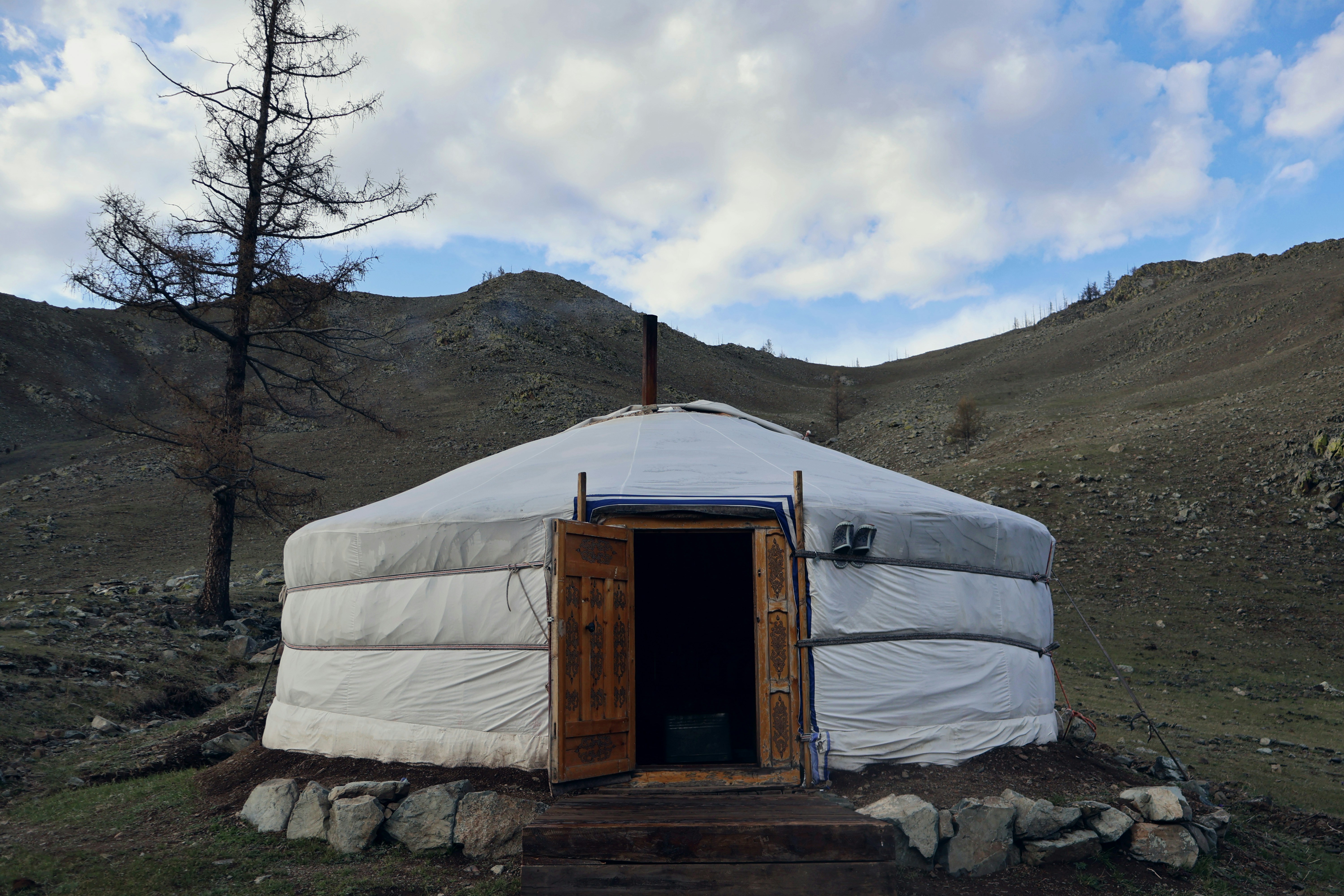
Respect local customs in ger camps and rural communities. Ask before photographing people, livestock, religious sites, or private homes. Step clockwise around a stupa or ovoo, avoid touching sacred objects, and accept food or tea politely even if you take only a small amount. When staying in a ger, do not lean against the support poles or point your feet directly at the stove. These habits reduce misunderstandings and make interactions more welcoming.
Mongolia Emergency Numbers and Singapore Consular Assistance
Save Mongolia’s emergency numbers before leaving the airport: call 102 for police, 103 for ambulance, and 101 for fire; from some international phones, add Mongolia’s country code and confirm that the call connects. Mongolia’s infectious-disease emergency line is listed as 100 by Singapore’s Ministry of Foreign Affairs. English may not always be available, so keep your hotel address, destination, and location written in Mongolian or pinned on an offline map.
| Service | Number | Best use |
|---|---|---|
| Police | 102 | Theft, assault, road incidents, immediate danger |
| Ambulance | 103 | Serious injury or medical emergency |
| Fire | 101 | Fire or rescue incident |
| Infectious disease | 100 | Infectious-disease assistance |
Singapore does not maintain a resident embassy in Ulaanbaatar; the nearest Singapore diplomatic mission is generally the Embassy of the Republic of Singapore in Beijing. Singapore citizens should register their trip with the Ministry of Foreign Affairs and check its Mongolia advisory for current contact details before departure, since telephone numbers and consular arrangements can change. If your passport is lost, contact local police first for a report, then the Singapore mission. Keep scanned copies of your passport, insurance policy, flight details, and emergency contacts in secure cloud storage and offline on your phone.
Mongolia Health Advice: Vaccinations, Water, and Medical Care
A travel-clinic appointment four to six weeks before departure is the best way to prepare for Mongolia because recommended vaccines depend on your health, season, route, and rural activities. Ensure routine vaccinations are current, including measles-mumps-rubella, tetanus-diphtheria-pertussis, polio, influenza, and COVID-19 where appropriate. Hepatitis A is commonly recommended; Hepatitis B, typhoid, and rabies may be advised for longer stays, rural travel, animal contact, or limited access to healthcare. Ask a clinician whether tick-borne encephalitis or other vaccines apply to your itinerary.
Drink sealed bottled water, boiled water, or water treated with a reliable filter or purification tablets. Avoid untreated tap water and questionable ice, particularly outside Ulaanbaatar. Carry oral rehydration salts, sunscreen, lip balm, insect repellent, prescription medicines, and a small first-aid kit. Do not touch unfamiliar dogs, foxes, marmots, or other wildlife; seek urgent medical care after any bite or scratch because rabies occurs in Mongolia.
Medical facilities are strongest in Ulaanbaatar and more limited in the countryside. Insurance should cover private treatment and evacuation, not merely hospital reimbursement. Pack enough regular medication for the entire trip, with prescriptions and generic medicine names, because replacement supplies may be difficult to find remotely.
Solo Female, LGBTQ+, and Remote Traveller Safety in Mongolia
Solo female travellers can visit Mongolia safely, but independent trips require more planning than city breaks because transport, language, and emergency support become limited outside Ulaanbaatar. Use reputable accommodation, avoid walking alone late at night, and arrange airport transfers and rural transport in advance. Share your itinerary with someone at home, choose ger camps with reviews, and avoid accepting drinks or rides from strangers. On horseback or trekking trips, confirm safety equipment, riding experience, emergency procedures, and whether the guide carries a working phone or radio.
LGBTQ+ travellers should expect a more conservative social environment than in many Western destinations. Same-sex relationships are legal, but social attitudes can vary and legal protections are not comprehensive. Public displays of affection may attract unwanted attention, particularly outside the capital. Use discretion, select welcoming accommodation, and consider local LGBTQ+ organisations or specialist travel advice before departure. If harassment occurs, move to a safe public place and contact police on 102.
Remote travel also affects personal safety regardless of gender or identity. A Hello eSIM can provide data for navigation, translation, weather updates, and messages in areas with network coverage, while offline maps remain essential because coverage is not guaranteed across the steppe. Download maps and important documents before leaving Ulaanbaatar.
Common Questions About Mongolia Travel Safety
Mongolia is safe for most tourists when they prepare for distance, weather, transport, and limited rural services rather than focusing only on crime. These answers address the questions travellers most often ask.
Is Mongolia safe for first-time visitors? Generally yes. Start with Ulaanbaatar and a reputable guided itinerary, then add countryside travel once transport, accommodation, and communications are confirmed.
Is Mongolia safe for solo travel? City travel can be manageable, but solo independent travel across the steppe is not recommended without reliable transport, offline navigation, emergency supplies, and a person monitoring your itinerary.
Can tourists drink tap water in Mongolia? Use bottled, boiled, or properly purified water. Carry a refillable bottle and treatment method for remote areas.
What are Mongolia’s emergency numbers? Police is 102, ambulance is 103, and fire is 101. Save them with your hotel and tour operator’s numbers.
Do I need travel insurance for Mongolia? Yes. Choose a policy with medical evacuation, hospital treatment, personal liability, trip interruption, baggage protection, and explicit cover for horse riding, trekking, or other planned activities. Keep the insurer’s 24-hour assistance number accessible.
How can I manage costs safely? Prices vary by itinerary, but a simple restaurant meal in Ulaanbaatar may cost around US$5–15 in 2026, while guided multi-day countryside trips cost substantially more. Hello’s app can scan receipts in different languages and currencies, track budgets, split expenses among friends, and import bank statements, helping groups monitor shared transport and ger-camp costs.
Explore These Destinations
Stay Connected
Ready for Mongolia?
eSIM data, expense splitting, budget tracking, and more. Everything you need for a smooth trip in one app.
Related Articles
Mongolia Visa & Entry Requirements for Singapore Passport Holders
Visa requirements, passport validity, customs allowances, and entry tips for Singapore citizens travelling to Mongolia.
11 July 2026
eSIM for Mongolia: Best Plans, Coverage, and Setup Tips
Everything you need to know about using eSIM in Mongolia. Best data plans, network coverage, and setup instructions.
3 July 2026
Mongolia in 10 Days: The Ultimate Travel Itinerary
A comprehensive 10-day itinerary for Mongolia covering top attractions, hidden gems, daily costs, and transport between cities.
22 June 2026