Mongolia Currency & Money Guide: Exchange, Cards, and Tips
Currency exchange, credit card acceptance, ATM tips, tipping culture, and money-saving advice for Mongolia.
By Hello Travel Team
TL;DR: Mongolia currency and money basics
The Mongolian tögrög (MNT, ₮) is the only practical currency for everyday spending in Mongolia, and cash still matters outside central Ulaanbaatar. In 2026, a useful planning rate is roughly 1 SGD = 2,600–2,700 MNT, while 1 USD = about 3,585 MNT at the mid-market rate, so it helps to compare exchange quotes before you swap money.
Mongolia currency, exchange rates, and what your money is worth
Mongolia currency is the tögrög, usually written as MNT or ₮, and prices are typically shown in whole numbers because the unit value is small. For planning, travel guides published in 2026 place the rate around 3,500–3,600 MNT per 1 USD, while live market data shows about ₮3,585 per US$1; that makes it easier to estimate local costs without doing a full conversion every time. A rough SGD benchmark from travel guidance is around 1 SGD = 2,550 MNT in early 2026, though this moves with the market.
If you are converting cash, bring clean, unmarked USD notes if possible, because exchange offices may reject worn or damaged bills. In practice, travellers from Singapore often find it simplest to exchange a small amount on arrival, then top up later once they know their spending pace. The Hello app can help here because it tracks expenses in multiple currencies with automatic exchange-rate conversion, so you can see your spending in SGD while paying in MNT.
Where to exchange money in Mongolia for the best rate
The best Mongolia exchange rate is usually found in licensed banks and exchange bureaus in Ulaanbaatar, not at the airport. Local guides consistently point travellers toward the State Department Store area, the Flower Center (Tsetseg Tuv), and Naiman Sharga for more competitive rates than hotels or airport counters.
Here is a practical comparison for travellers:
| Option | Typical rate | Convenience | Best for |
|---|---|---|---|
| Airport exchange | Weaker | Very high | First small cash top-up |
| Major banks | Good | High in city | Safe, reliable exchanges |
| Licensed bureaus near State Department Store / Flower Center | Often best | High in central Ulaanbaatar | Larger exchanges |
| Hotels | Usually weakest | High | Emergency only |
Banks such as Khan Bank, Golomt Bank, and Trade and Development Bank are widely used for currency exchange and are considered reliable. If you are arriving late, it is sensible to exchange a modest amount at the airport for transport and food, then handle the rest in town where rates are usually better.
Cards, contactless payments, ATMs, and digital wallets in Mongolia
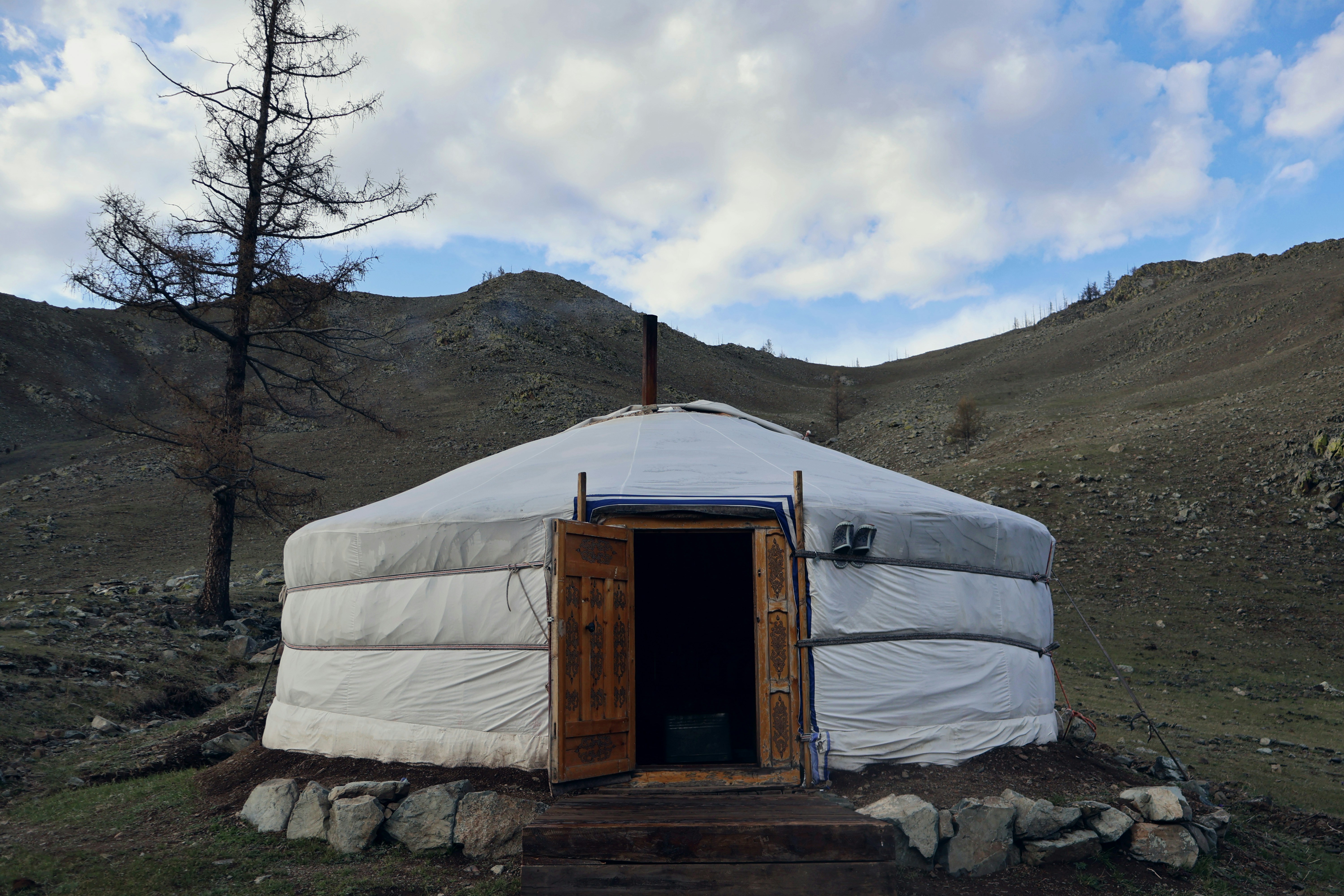
Credit cards work well in Ulaanbaatar, but cash is still essential once you leave the capital. Hotels, larger restaurants, tour operators, and upscale shops often accept Visa or Mastercard, while smaller cafés, local markets, drivers, and ger camps may be cash-only.
Contactless payment is available in some modern businesses, but it is not as universal as in Singapore, so you should treat it as a convenience rather than a guarantee. ATMs are available at Chinggis Khaan International Airport, throughout Ulaanbaatar, and in major towns, but fees and withdrawal limits vary by bank, so it is smart to test one withdrawal first and check your card issuer’s overseas charges.
For digital payments, Mongolia is not a single-wallet market like some nearby destinations, but mobile payment habits are growing in urban areas and some merchants may accept QR or app-based payments linked to local banks. If you are staying connected on arrival, an eSIM from Hello helps you access maps, banking apps, and ride-hailing without hunting for airport Wi‑Fi. For Mongolia, that is especially useful if you are switching between hotel Wi‑Fi in the city and patchier connectivity on longer drives.
Mongolia tipping culture, scam avoidance, and smart cash habits
Tipping in Mongolia is appreciated but usually modest, not mandatory. In restaurants, rounding up or leaving around 5–10% for good service is a reasonable travel norm in tourist areas, while guides and drivers often receive a small cash tip at the end of a tour. In many everyday situations, locals do not expect a tip, so you will not look rude if you simply pay the bill amount.
A few money scams and mistakes are worth avoiding. Street exchange is risky because it can involve counterfeit notes or bad counting, and some travellers are also caught by poor rates at hotels or “too good to be true” unofficial changers. Another common issue is bringing old or damaged US bills, which may be refused. Keep your larger denominations tucked away, count your cash immediately after exchange, and ask for smaller notes for taxis, snacks, and tips.
For budgeting, Hello’s expense tracking is handy because it supports multi-currency spending, receipt scanning, and automatic exchange-rate conversion, so you can keep a clean record of what you actually spent in MNT and SGD.
How much things cost in Mongolia and ways to save money
Mongolia can be affordable, but transport and private tours can push your budget up quickly. In 2026, a basic meal in Ulaanbaatar may cost roughly 10,000–25,000 MNT, while a nicer restaurant meal often lands closer to 30,000–60,000 MNT per person, depending on location and drink choices. ATMs and card terminals make city travel easier, but once you head into the steppe, cash planning becomes much more important.
The biggest savings usually come from being strategic with transport and exchanges. Withdraw or exchange enough cash for a few days at a time rather than converting everything at the airport, because rates in town are often better. If you are booking tours, ask whether the quote is in MNT or USD and what is included, since some operators use foreign-currency pricing for visitors. For longer overland trips, carry a mix of small and medium notes so you do not struggle to get change.
Three practical money-saving habits help most travellers:
- Use cards for larger city purchases, but keep cash for rural areas.
- Exchange money in central Ulaanbaatar rather than at the airport.
- Track each expense in the Hello app so your budget stays clear in both local currency and SGD.
Common questions about Mongolia money, exchange rates, and payments
Most Mongolia money questions come down to cash access, card acceptance, and how much to exchange on arrival. Here are the answers travellers usually need before they land.
Is Mongolia cash-based? Yes, outside central Ulaanbaatar, cash is still the safest assumption, especially for rural tours, smaller restaurants, and transport.
How much cash should I bring to Mongolia? A practical approach is to arrive with enough MNT or exchange enough on day one for 2–4 days of spending, then top up in the city if needed.
Can I use US dollars in Mongolia? USD may be accepted for some tours, hotels, or higher-end services, but everyday transactions are supposed to be settled in tögrög, so plan to pay in MNT for normal purchases.
Are ATMs easy to find? Yes in Ulaanbaatar and at the airport, but less reliably in remote areas, so do not rely on ATMs once you leave the city.
Is contactless payment common? It exists in modern businesses, but card tap-to-pay is not universal, so carry cash as a backup.
Explore These Destinations
Stay Connected
Track your Mongolia trip budget
Split expenses with friends, track spending by category, and see real-time currency conversions — all in one app.
Related Articles
Mongolia Safety Guide: Tips for a Safe Trip
Safety tips, health advisories, emergency contacts, common scams, and travel insurance advice for Mongolia.
20 July 2026
Mongolia Visa & Entry Requirements for Singapore Passport Holders
Visa requirements, passport validity, customs allowances, and entry tips for Singapore citizens travelling to Mongolia.
11 July 2026
eSIM for Mongolia: Best Plans, Coverage, and Setup Tips
Everything you need to know about using eSIM in Mongolia. Best data plans, network coverage, and setup instructions.
3 July 2026