Getting Around Mali: Transport Guide for Travellers
Airport transfers, public transport, ride-hailing apps, inter-city travel, and driving tips for Mali.
By Hello Travel Team
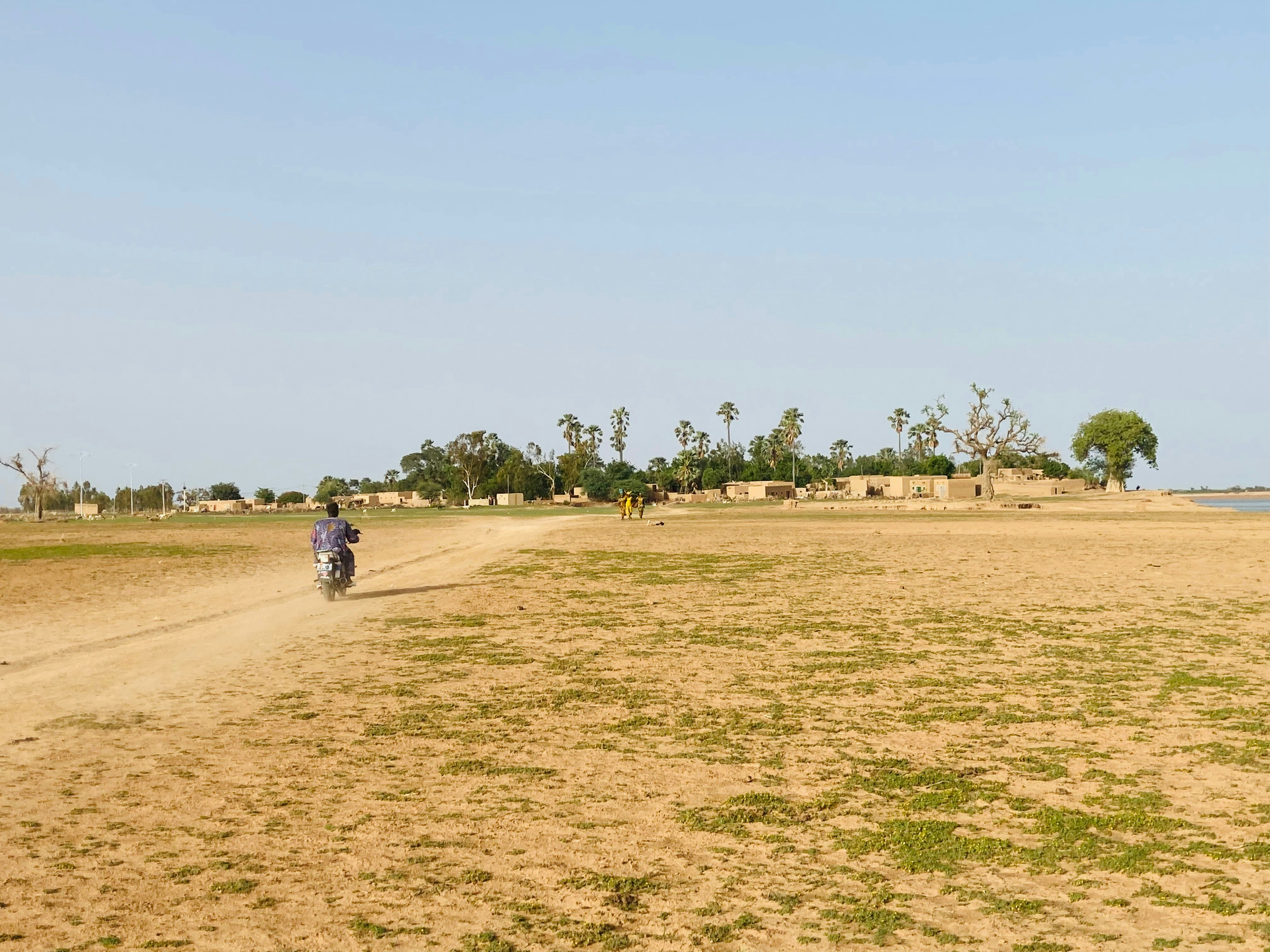
TL;DR: How to Get Around Mali as a Traveller
Getting around Mali as a traveller mostly means using taxis, intercity buses, and private drivers, with limited formal public transport and no metro systems, so plan ahead and budget for bargaining-based fares, especially in Bamako.
Mali’s transport network is functional but informal, and understanding that early will save you both money and stress. In cities like Bamako, you’ll rely on shared and private taxis rather than buses or trains, while for longer distances, scheduled intercity buses link major hubs such as Bamako, Ségou, Mopti, and Kayes. Typical taxi fares from Bamako-Sénou Airport into central neighborhoods are around 5,000–10,000 XOF (about $8–16 in 2025–2026) depending on the time of day and your negotiation skills, with some guides noting average airport–city prices closer to XOF 7,000 (~€10–11) as a realistic target.
For intercity trips, modern bus companies offer routes like Bamako–Ségou for roughly 5–12,500 XOF ($5–$20) depending on operator and comfort level, with journey times of about 3–5 hours. Ride-hailing apps are not widely established in Mali yet, so taxis and private transfers remain your main option—making reliable mobile data crucial for maps, messaging drivers, and checking routes. That’s where an eSIM from Hello becomes genuinely useful: you can arrive in Mali already connected, track expenses, and share costs with friends using the Hello app’s budget tools while you move around the country.
Mali Airport Transfers: From Bamako-Sénou Airport to the City
Airport transfers in Mali, especially at Bamako-Sénou Airport (BKO), are dominated by taxis and pre-booked private drivers, with typical fares to central Bamako around 5,000–10,000 XOF ($8–$16) in 2025–2026 if you negotiate confidently with drivers.
Bamako-Sénou Airport sits roughly 15 km from downtown Bamako, and there is currently no dedicated airport bus or rail link, so almost every traveller uses taxis or a pre-arranged pickup. Recent travel guides note that a realistic, non-inflated fare for central areas like ACI 2000, Hippodrome, or Hamdallaye is about XOF 7,000 (~€10–11) in daytime, with drivers often attempting higher starting prices and expecting bargaining. Other sources set the common range at 5,000–10,000 XOF, with higher prices late at night or for more distant neighborhoods.
Private transfers booked online or through hotels and NGOs are more expensive but predictable, often quoted between 18,000–22,000 XOF for a standard sedan and 25,000–35,000 XOF for an SUV or minivan, with fixed fares that don’t change for nighttime arrivals or traffic.
Because vehicles are typically older and there are no standard meters, always:
- Agree the price before getting in
- Confirm whether the price is per ride or per person
- Keep small bills of 1,000–2,000 XOF for payment
Having live mobile data via a Hello eSIM for Mali lets you check routes on maps, translate French, and show your destination clearly to drivers, which can help you negotiate fair airport transfer prices.
Here’s a quick comparison of typical airport transfer options in Bamako:
| Mode | Typical Cost (2025–2026) | Best For | Key Notes |
|---|---|---|---|
| Local taxi (negotiated) | 5,000–10,000 XOF ($8–$16) | Most travellers | No meter, price varies, bargain confidently |
| Pre-booked private sedan | 18,000–22,000 XOF ($30–36) | Comfort & fixed price | Good for late-night or group travel |
| Pre-booked SUV/minivan | 25,000–35,000 XOF ($40–58) | Families & groups | More space for luggage |
| Hotel/NGO car | Often included or 10,000–20,000 XOF | Business & aid workers | Safer, arranged in advance |
City Transport in Mali: Taxis, Shared Rides, and Limited Public Transport
City transport in Mali, especially in Bamako, is based on informal taxis and shared rides, with no metro system and very limited formal bus networks, so expect to negotiate fares and rely on local knowledge rather than fixed schedules or transport cards.
Unlike destinations such as Japan, where metros and IC transit cards dominate, Mali’s urban transport scene is far more low-key and informal. There is no metro in Bamako and no widely-used city rail. Public buses exist but are often old, crowded, and irregular; most travellers and many locals prefer taxis or arranged drivers.
In Bamako, city taxis are usually older sedans without working meters. According to several 2025–2026 taxi guides, a short city trip typically costs 1,000–2,000 XOF ($1.50–$3), while longer cross-town rides reach 3,000–5,000 XOF ($5–$8). Airport transfers fall in the 6,000–10,000 XOF range, consistent with the airport data above. Drivers may quote higher prices to foreigners at busy hubs like the Grand Marché or riverfront, so bargaining is expected.
Key tips for using city transport in Mali:
- Always agree the fare upfront, in French or basic Bambara phrases
- Ask locals or hotel staff what a fair price should be for your route
- Expect shared taxis on some corridors, where multiple passengers split costs
- Keep cash in small denominations; mobile payments are still limited
There are no city-wide transport cards or passes like you’d find in European capitals. Instead, you pay per ride in cash. Downloaded maps and navigation apps become your best tool for orienting yourself—which is where Hello’s eSIM connectivity helps, letting you stay online continuously rather than hunting for Wi‑Fi before every taxi ride.
Inter-City Travel in Mali: Buses, Private Cars, and Key Routes
Inter-city travel in Mali is best done by scheduled buses and private drivers, with popular routes like Bamako–Ségou costing around 5,000–12,500 XOF ($5–$20) and journey times of 3–6 hours depending on operator and road conditions.
Several bus companies operate between major cities, using both ordinary and air-conditioned coaches. Timetables can change, but as of 2025–2026, services from Bamako to Ségou are among the most commonly used by travellers. International route aggregators and local booking platforms note fares as low as $5–$8 for basic buses, while newer digital ticketing services list Bamako–Ségou journeys around 12,500 XOF with multiple departures per day and more comfortable, air-conditioned coaches.
Other key corridors include Bamako–Mopti, Bamako–Kayes, and Bamako–Sikasso, with typical travel times ranging from 5 to 8 hours and prices increasing slightly with distance and comfort level. Conditions can vary, especially in the rainy season, so it’s wise to choose reputable companies and daytime departures.
When planning inter-city travel in Mali:
- Buy tickets 1 day in advance where possible, especially on popular routes
- Ask specifically for climatisé (air‑conditioned) buses if comfort matters
- Arrive at the bus station early; boarding can be hectic
- Keep valuables on your person, not in the hold
If you prefer more flexibility, hiring a private car with driver is possible through hotels or travel agencies. Daily rates are often negotiated but can run 40,000–80,000 XOF ($65–$130) plus fuel for long trips. Using a Hello eSIM helps you coordinate with operators, navigate remote areas, and stay in touch if schedules change.
Driving and Car Rental in Mali: Safety, Permits, and Practical Tips
Driving in Mali is feasible for experienced travellers, but due to variable road conditions, security concerns, and informal traffic rules, most visitors either hire a car with a local driver or stick to buses and taxis rather than self‑drive rentals.
Mali’s main paved roads between major cities are generally passable, but outside these corridors, surfaces can quickly deteriorate into potholes, dirt tracks, or flood-prone sections in the rainy season. Night driving is strongly discouraged because of poor lighting, animals on the road, and higher accident risks.
Car rental for self-drive is less common than in more tourist-heavy countries; where available, rates for basic vehicles often start around 30,000–50,000 XOF per day ($50–$80) plus insurance and fuel, with four-wheel-drive vehicles costing more. Many agencies, hotels, and NGOs instead arrange vehicles with drivers, which can cost from 40,000–80,000 XOF per day ($65–$130) depending on distance and vehicle type.
For permits, travellers usually need:
- A valid national driving licence
- An International Driving Permit (IDP), especially if your licence is not in French
Traffic enforcement can be informal, so having an IDP and photocopies of your passport and visa makes police checkpoints smoother.
If you do drive yourself:
- Avoid nighttime travel
- Check local security advisories before rural journeys
- Carry cash for fuel and possible tolls
- Save offline maps and emergency contacts on your phone
Budget-wise, fuel and vehicle costs can add up quickly, so use Hello’s budget tracking and expense splitting features to keep a clear record of shared road-trip costs when travelling with friends.
Staying Connected in Mali: Hello eSIM, Navigation, and Travel Budgeting
Reliable connectivity in Mali is essential for navigation, coordinating transport, and tracking travel expenses, and using an eSIM from Hello lets you arrive in Bamako already online, with data plans starting from 5GB and instant activation via the Hello app.
While Mali’s transport systems rely heavily on informal arrangements, almost all modern logistics—whether messaging a driver, checking bus departures, or confirming hotel pickups—are easier when you have stable mobile data. Local SIMs can be time-consuming to purchase on arrival due to registration requirements, queues, and language barriers. In contrast, Hello’s eSIM plans for Mali can be bought and activated before you fly, so your phone connects as soon as you land.
Hello’s travel companion app (available on iOS, Android, and at travelwithhello.com) combines:
- eSIM connectivity across 200+ countries, including Mali
- Trip planning and budget tracking tools
- Powerful expense splitting with automatic currency conversion
As of 2026, data plans via Hello typically start at 5GB, with live pricing updated in-app. This is ideal for:
- Using maps for taxi routes
- Checking bus station locations
- Translating into French or Bambara
- Staying in touch with friends and family
On top of connectivity, Hello’s AI receipt scanning (any language/currency), voice expense entry, and multi-currency tracking let you log everyday transport costs—like 1,000–2,000 XOF city taxi fares or 5,000–12,500 XOF bus tickets—and see how your Mali transport budget compares with other trips, whether you’re in Mali or later heading to Japan with a Hello eSIM for Japan.
Common Questions: Getting Around Mali Transport Q&A
Most travellers get around Mali using taxis and intercity buses, spending roughly 1,000–2,000 XOF ($1.50–$3) for short city rides and 5,000–12,500 XOF ($5–$20) for common intercity routes like Bamako–Ségou, with airport taxis from Bamako-Sénou typically costing 5,000–10,000 XOF ($8–$16).
Q: How much is a taxi from Bamako-Sénou Airport into the city?
A: Recent guides and taxi price trackers for 2025–2026 suggest 5,000–10,000 XOF ($8–$16) as a fair range to central Bamako, with many travellers aiming for about XOF 7,000 (~€10–11) after bargaining. Drivers may quote higher prices first, especially late at night.
Q: Is there a metro or city rail in Bamako?
A: No. Bamako has no metro or city rail system. Urban transport relies on taxis, shared rides, and some local buses, which are often crowded and irregular. Travellers overwhelmingly use taxis.
Q: What do typical city taxi rides cost?
A: For short hops within Bamako, expect 1,000–2,000 XOF ($1.50–$3), while longer cross-town journeys can reach 3,000–5,000 XOF ($5–$8). Always agree on a fare before getting in, as meters are rare or unused.
Q: How do I travel from Bamako to Ségou?
A: The most common option is an intercity bus. International route services and local booking platforms report fares in the $5–$8 bracket for basic services, and up to 12,500 XOF (~$20) for air‑conditioned coaches, with travel times of about 3–5 hours depending on operator and stops.
Q: Can I drive myself in Mali?
A: It’s possible but not generally recommended unless you’re experienced in West African conditions. You’ll need a valid licence and usually an International Driving Permit (IDP). Many visitors hire a car with a driver instead, at 40,000–80,000 XOF ($65–$130) per day, plus fuel.
Q: Do I need mobile data for transport in Mali?
A: Strongly yes. Navigation apps, translation, and messaging drivers are much easier with data. Using Hello eSIM means you can arrive connected, and then track and split your taxi and bus costs directly in the Hello app while exploring Mali.
Explore These Destinations
Stay Connected
Stay connected in Mali
Get an eSIM before you land. Hello gives you instant data in 200+ countries — no SIM swaps, no roaming fees.
Related Articles
Mali Currency & Money Guide: Exchange, Cards, and Tips
Currency exchange, credit card acceptance, ATM tips, tipping culture, and money-saving advice for Mali.
28 July 2026
Mali Safety Guide: Tips for a Safe Trip
Safety tips, health advisories, emergency contacts, common scams, and travel insurance advice for Mali.
19 July 2026
Mali Visa & Entry Requirements for Singapore Passport Holders
Visa requirements, passport validity, customs allowances, and entry tips for Singapore citizens travelling to Mali.
10 July 2026