Macao Cultural Guide: Etiquette, Customs, and Tips
Essential do's and don'ts, greeting customs, dress codes, local phrases, and cultural tips for Macao.
By Hello Travel Team
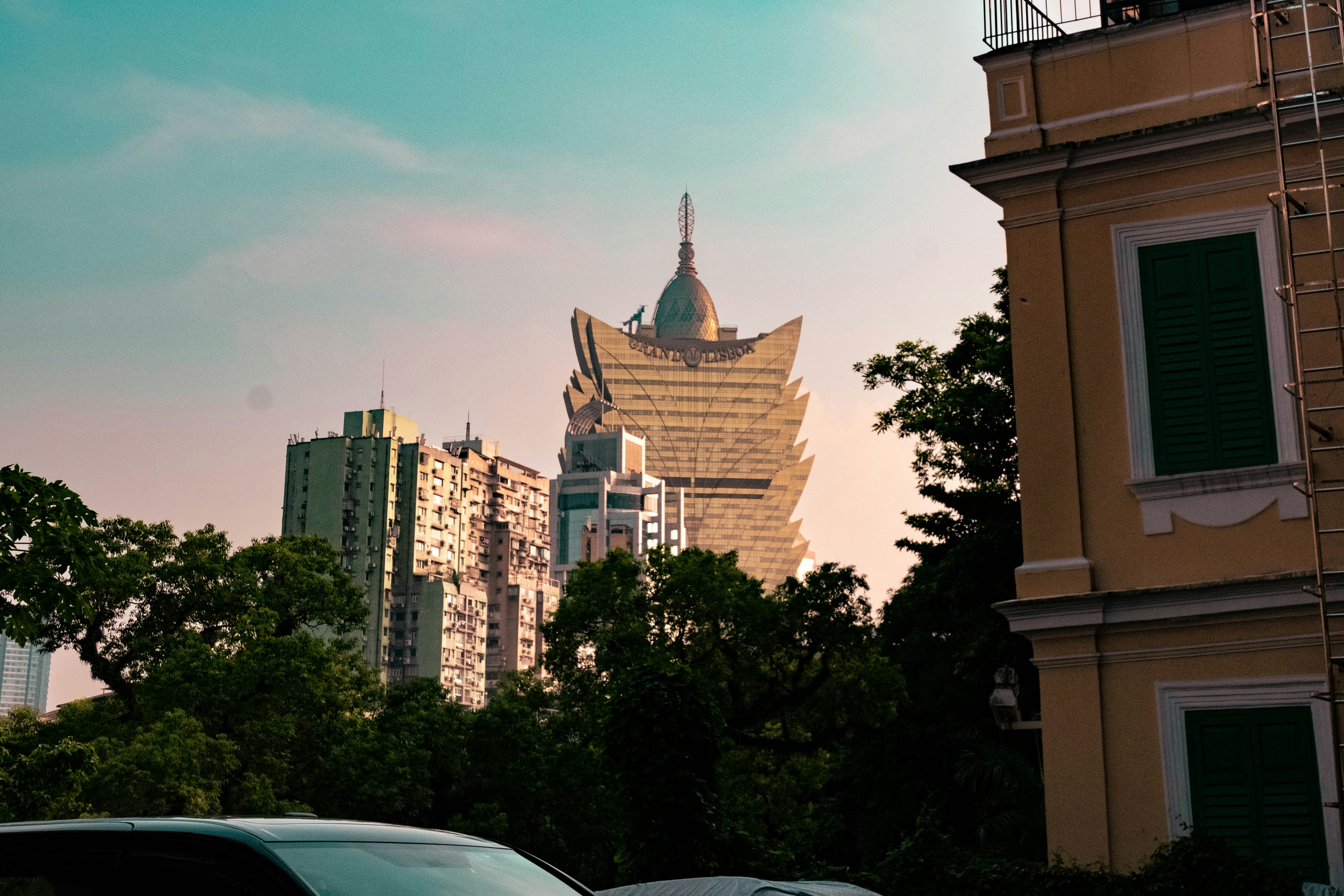
TL;DR: Macao Culture, Etiquette, and Practical Travel Tips
Macao culture blends Chinese traditions with Portuguese colonial heritage, so the safest approach is to be polite, modest, and observant of local norms. For most travellers, the main Macao dos and donts are simple: greet respectfully, dress modestly at temples and churches, avoid loud behaviour in public spaces, and follow photography rules in religious or heritage sites.
Macao Etiquette and Daily Customs: What Travellers Should Know
Macao etiquette is generally relaxed, but small gestures go a long way. A polite greeting, a calm tone, and patience in queues are appreciated in shops, casinos, cafés, and public transport. In more formal settings, use both hands when offering or receiving a business card or a gift, and avoid interrupting when someone is speaking. Public displays of affection are usually fine in moderation, but very loud conversation, arguing, or overtly boisterous behaviour can feel out of place.
When visiting markets, heritage streets, or neighbourhood eateries, it is normal to ask before touching items or taking close-up photos of people. Tipping is not as culturally embedded as in some countries, so service charges may already be included in many restaurants and hotels. For day-to-day travel, a practical Macao culture tip is to carry small cash for taxis, snacks, and temples, even if you use cards in larger venues. If you are splitting dinners, museum tickets, or taxi rides with friends, Hello’s expense tracking can be useful for keeping multi-currency spending organised without stress.
Greetings, Basic Phrases, and Business Etiquette in Macao
A respectful greeting and a few basic phrases make a strong first impression in Macao. Cantonese and Mandarin are widely understood, while Portuguese is still visible in street signs and official contexts, especially in older districts. A simple hello, thank you, and excuse me in either English or a local language is usually enough to show effort and courtesy.
For business etiquette, punctuality matters and formal dress is the safest choice for meetings. Handshakes are common, but wait for the other person to initiate in more conservative settings. Exchange business cards carefully, ideally with both hands, and take a moment to read the card before putting it away. During meetings, avoid overly direct confrontation; a polite, measured style is often more effective. Here is a quick reference for travellers:
| Situation | Best practice | Avoid |
|---|---|---|
| Greeting | Smile, nod, light handshake if offered | Overly familiar touching |
| Business cards | Receive with both hands | Tucking away immediately |
| Conversation | Calm, respectful tone | Raising your voice |
| Gift giving | Modest, thoughtful gifts | Anything overly expensive or sharp-edged |
If you need reliable connectivity for maps, translation, and messages on arrival, an eSIM from Hello can help you stay connected without hunting for Wi-Fi when you land in Macao.
Dress Codes, Religious Sites, and Photography Rules in Macao
Dress modestly when visiting temples, churches, and heritage buildings in Macao, especially if you plan to enter active worship spaces. Shoulders and knees are the safest baseline, and lightweight layers are ideal because Macao can be hot and humid for much of the year. Comfortable shoes also matter, since places like Senado Square, the Ruins of St. Paul’s area, and hilltop viewpoints involve plenty of walking.
A common question is whether photography is always allowed: the answer is no. In religious sites, museums, and some historic interiors, flash photography, tripods, and sometimes all photography may be restricted. Look for posted signs, and if staff are present, ask before taking pictures of altars, worshippers, or ceremonial objects. This is especially important in active temples and churches where visitors are sharing space with local worshippers.
For practical planning, pack one outfit that is slightly more covered than your usual sightseeing clothes. A scarf or light jacket can solve most dress-code issues. If you are checking opening hours or last-minute photo restrictions while out in the city, Hello’s travel tools and an eSIM from Hello can make it easier to verify details on the move.
Macao Dos and Donts for Food, Gifts, Holidays, and Everyday Travel
The most useful Macao dos and donts are about timing, restraint, and respect for shared spaces. Do be prepared for crowded streets during major holidays and weekends; do not assume every attraction will operate on a normal schedule. Lunar New Year, the Dragon Boat Festival, the Mid-Autumn Festival, and Christmas are all important periods that can change opening hours, raise hotel prices, and increase travel time across the city.
Gift-giving is usually modest and thoughtful rather than extravagant. If you are invited to a home, small items such as quality tea, sweets, or something from your own region are appropriate. Avoid gifts that could be interpreted negatively in some Chinese cultural contexts, such as clocks or overly sharp objects. When dining, it is polite to wait if someone is toasting or inviting you to begin, and it is considerate not to waste food.
Typical mid-range meals in Macao can vary widely, but travellers often spend around MOP 60-120 for a casual lunch and MOP 150-300 or more for a nicer dinner in 2026, depending on location and style. If you are budgeting across meals, transit, and entry fees, Hello’s budget tracking can help you keep everything in one place without losing track of spending.
Common Questions About Macao Culture and Macao Customs
Macao customs are easy to navigate once you know the basics: be polite, dress appropriately in sacred spaces, and follow local rules in public and heritage areas. The city is welcoming to visitors, but it rewards travellers who pay attention to context, especially in temples, churches, and family-run neighbourhood businesses.
What should I not do in Macao? Avoid being loud in religious sites, photographing people or sacred objects without permission, and dressing too casually for temples or churches. Also avoid assuming every venue works like a Western-style tourist attraction; many places are still active community spaces.
Is Macao friendly for first-time visitors? Yes. Macao is very manageable for first-timers because many signs are bilingual, major areas are walkable, and transport is straightforward. A little cultural awareness goes a long way.
Do I need to speak Cantonese? No, but learning a few words helps. English is understood in many tourist areas, while Cantonese and Mandarin are the most useful everyday languages.
What is the easiest way to stay connected? For maps, translation, booking confirmations, and ride-hailing, a Hello eSIM is the simplest option because you can set it up before departure and arrive ready to use data immediately.
Explore These Destinations
Stay Connected
Make the most of Macao
From eSIM connectivity to expense tracking, Hello is the all-in-one companion that keeps your trip stress-free.
Related Articles
Macao Currency & Money Guide: Exchange, Cards, and Tips
Currency exchange, credit card acceptance, ATM tips, tipping culture, and money-saving advice for Macao.
28 July 2026
Macao Safety Guide: Tips for a Safe Trip
Safety tips, health advisories, emergency contacts, common scams, and travel insurance advice for Macao.
19 July 2026
Macao Visa & Entry Requirements for Singapore Passport Holders
Visa requirements, passport validity, customs allowances, and entry tips for Singapore citizens travelling to Macao.
10 July 2026