Macao Safety Guide: Tips for a Safe Trip
Safety tips, health advisories, emergency contacts, common scams, and travel insurance advice for Macao.
By Hello Travel Team
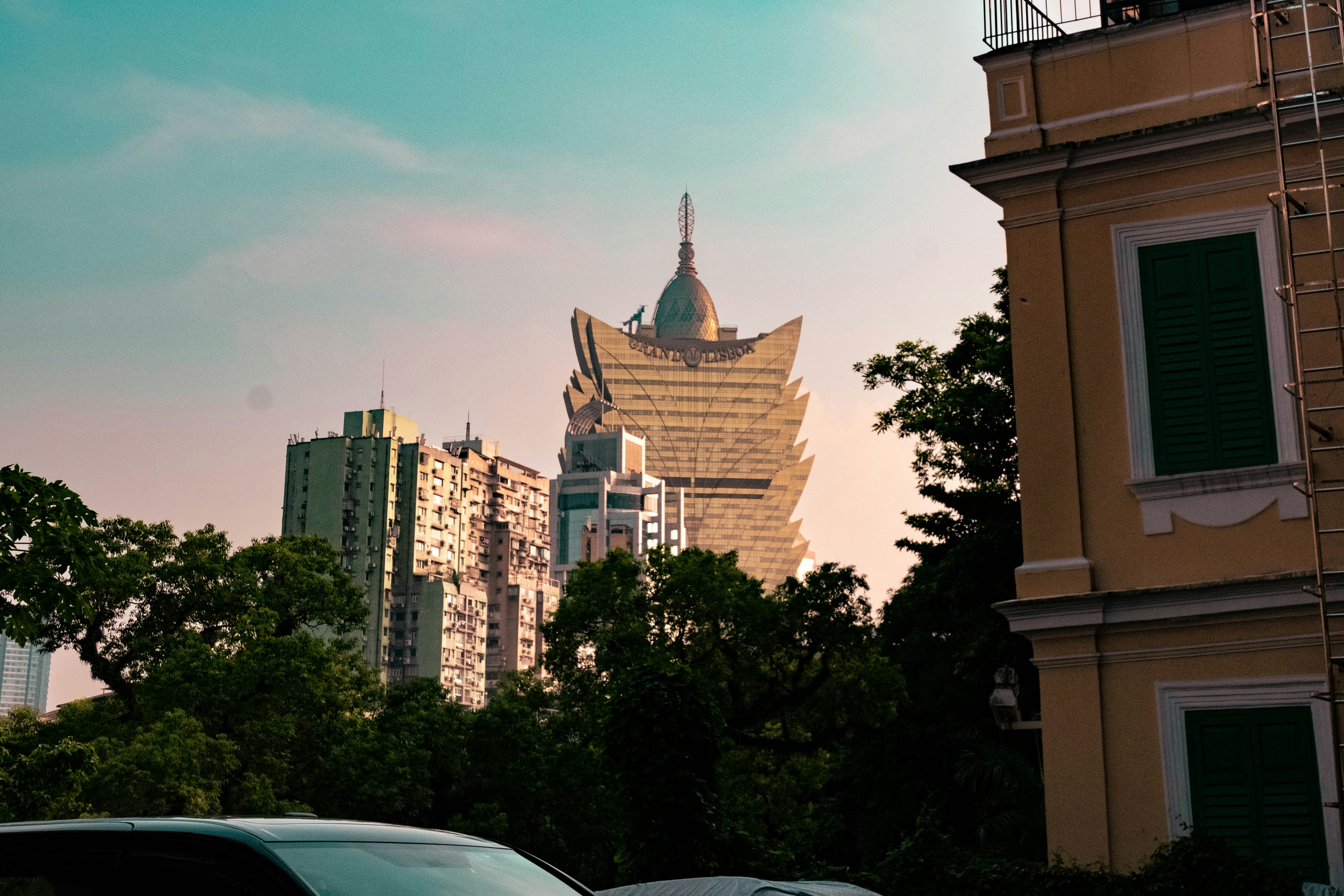
TL;DR: Is Macao Safe for Travellers?
Yes—Macao is generally a safe destination, with low levels of violent crime and a strong police presence in major tourist areas, casinos, hotels, and transport hubs. The main risks are petty theft in crowds, taxi or shopping disputes, nightlife-related problems, extreme summer heat, and scams targeting visitors. Keep valuables secure, use licensed transport, avoid unofficial gambling or investment offers, and save Macao’s emergency number—999—for police, fire, or ambulance assistance.
Macao uses Cantonese, Mandarin, and Portuguese, while English is common in casinos, larger hotels, and many tourist businesses. Healthcare is available, but visitors may face substantial up-front charges, so travel insurance with medical cover is strongly recommended. The Macao Government Tourism Office operates a 24-hour tourism hotline at +853 2833 3000. Singapore citizens can seek consular assistance from Singapore’s Consulate-General in Hong Kong, which is also accredited to Macao. For directions, bookings, and staying connected, consider Macao before departure and an Hello eSIM for Macao.
Macao Travel Safety: Crime, Crowds, and Everyday Precautions
Macao travel safety is usually straightforward: violent crime is uncommon, but crowded tourist zones require the same precautions used in any busy city. Pickpocketing can occur around Senado Square, Ruins of St. Paul’s, ferry terminals, border checkpoints, hotel shuttle queues, and casino entrances. Keep your phone and wallet in a zipped front pocket, avoid placing bags on chair backs, and carry a photocopy or secure digital copy of your passport separately from the original.
Macao’s casinos are heavily monitored, but visitors should still set a spending limit and never hand over cash, cards, or passports to strangers offering gambling systems or “guaranteed” winnings. Gambling is legal only in authorised venues; private games and betting arrangements can create financial and legal problems. Do not photograph security operations, police activity, or casino surveillance areas.
Traffic is another practical risk. Vehicles drive on the left, roads can be narrow, and scooters are common. Use marked crossings, wait for signals, and take extra care near hotel entrances where shuttle buses manoeuvre. During typhoons or severe rain, follow official warnings and avoid waterfront promenades, exposed bridges, and flooded underpasses.
Macao Scams: Common Tricks and How to Avoid Losing Money
The safest response to Macao scams is simple: do not transfer money, share verification codes, or follow strangers to private rooms, shops, ATMs, or gambling tables. Common schemes include fake investment opportunities, romance or dating requests, impersonation calls from police or banks, counterfeit goods, inflated shopping bills, and unsolicited offers to exchange currency or arrange casino credit. Authorities will not demand payment into a personal bank account or ask for online-banking passwords over the phone.
Use ATMs inside banks, reputable hotels, or casinos, and check the amount before confirming a card transaction. When taking a taxi, use a licensed vehicle, note the registration number, and request a receipt. If a driver refuses the meter or proposes an unexplained fixed fare, choose another taxi or ask hotel staff for assistance. For restaurants and shops, confirm prices, service charges, and cancellation terms before ordering.
If a dispute occurs, stay calm, avoid confrontation, preserve receipts and messages, and contact police. Report suspected fraud to the Judiciary Police at 993 where applicable, or call the general emergency line at 999 if you feel threatened. The tourism crisis hotline, +853 2833 3000, can help visitors navigate urgent travel problems.
Macao Emergency Numbers, Hospitals, and Singapore Consular Help
For an immediate emergency in Macao, call 999 for police, fire, or ambulance; international roamers can also try 112, while 110 may be available in some circumstances. Tell the operator your exact location, hotel name, nearby landmark, and whether language assistance is needed. Macao’s 24-hour tourism hotline is +853 2833 3000, and the Public Security Police Force’s general number is +853 2857 3333.
| Need | Number | Practical use |
|---|---|---|
| Police, fire, ambulance | 999 | Main local emergency number |
| International emergency access | 112 | Useful for some international mobile users |
| Judiciary Police | 993 | Serious crime or fraud reports |
| Tourism crisis hotline | +853 2833 3000 | Visitor assistance and urgent travel issues |
| Fire Services enquiry/general contact | +853 2857 2222 | Fire-service contact outside an emergency |
For medical treatment, major facilities include Hospital Conde S. Januário and Kiang Wu Hospital. Ask your insurer whether it can arrange direct billing; otherwise, retain itemised invoices, prescriptions, and payment receipts. Singapore citizens should contact Singapore’s Consulate-General in Hong Kong, which provides consular assistance to Singaporeans in both Hong Kong SAR and Macao SAR. Register travel details with Singapore’s Ministry of Foreign Affairs where available and keep consular contact information offline.
Macao Health Advisories, Vaccinations, Water, and Heat Safety
Most healthy visitors do not need special medical precautions for Macao beyond routine vaccinations, safe food and water habits, sun protection, and preparation for heat and humidity. Before travelling, check that routine immunisations are current and ask a doctor or travel clinic about hepatitis A, hepatitis B, typhoid, or other vaccines based on your itinerary, medical history, and planned activities. Requirements can change with outbreaks or transit through other destinations.
Tap water is treated, but taste and building plumbing vary; many travellers choose bottled or filtered water. Select busy food stalls and restaurants with good turnover, wash hands before eating, and avoid undercooked seafood if hygiene conditions look uncertain. Mosquito protection is sensible in warm, wet weather, particularly around parks and quieter outdoor areas.
Macao’s summer heat can be intense. Drink regularly, wear breathable clothing, use sunscreen, and schedule outdoor sightseeing—such as the Historic Centre—before midday or after 4 p.m. Heat exhaustion signs include headache, nausea, dizziness, heavy sweating, and weakness; move indoors, cool down, and seek medical help if symptoms worsen. Typhoons and heavy rain can disrupt ferries, flights, and outdoor attractions, so monitor official weather announcements and do not enter flooded areas.
Solo Female and LGBTQ+ Traveller Safety in Macao
Solo female travellers generally find Macao manageable, particularly in central tourist districts, hotels, casinos, and well-used transport areas, but standard nightlife precautions still apply. Share your accommodation and daily plans with someone you trust, keep your drink in sight, use licensed taxis or hotel transport late at night, and avoid accepting invitations to private apartments, hotel rooms, or unlicensed gaming venues. If someone becomes persistent, enter a hotel, casino, shop, or police facility and ask staff for help.
Macao is relatively cosmopolitan, and LGBTQ+ visitors are unlikely to encounter problems in mainstream tourist areas; however, social attitudes can be more conservative outside international hotels and nightlife venues. Public displays of affection may attract attention in some settings, so use personal judgement. Same-sex sexual activity is legal, but legal recognition and protections may not match those in every traveller’s home country. Transgender visitors should carry identification that matches travel documents where possible and check airline, immigration, and accommodation requirements in advance.
For all travellers, save emergency contacts before arrival, keep your passport secure, and use an eSIM from Hello for reliable data when booking transport, translating messages, checking weather alerts, or contacting your accommodation. Hello’s app also supports trip planning and location-based expense records, which can be useful when travelling alone.
Travel Insurance for Macao and Common Safety Questions
Travel insurance is strongly recommended for Macao because medical care, emergency transport, trip interruptions, and lost belongings can become expensive even when the destination itself is comparatively safe. Choose a policy that covers overseas medical treatment, hospitalisation, emergency evacuation or repatriation, cancellation, baggage theft, and disruption caused by severe weather. If you plan to gamble, check exclusions carefully: insurers may not cover losses, intoxication-related incidents, or claims arising from illegal activity.
Is Macao safe at night? Tourist districts and casino areas are usually busy and well lit, but avoid isolated lanes, waterfront areas during severe weather, and unlicensed transport. Keep alcohol consumption moderate and return with a licensed taxi or hotel shuttle.
Can I drink the tap water? Treated tap water is available, although bottled or filtered water may be preferable if you are sensitive to taste or unfamiliar plumbing.
What should I do if I lose my passport? Report the loss to police, contact your embassy or consulate, and ask your hotel for help obtaining a report and arranging replacement travel documents.
Does travel insurance cover casino losses? Normally no. Gambling losses are generally excluded, and medical claims may be restricted if alcohol or illegal activity contributed to the incident.
Before departure, save your policy’s 24-hour assistance number, photograph important documents, and keep a small emergency reserve. Hello’s expense-splitting and multi-currency tracking features can also help groups monitor shared taxis, meals, and medical costs without losing receipts.
Explore These Destinations
Stay Connected
Ready for Macao?
eSIM data, expense splitting, budget tracking, and more. Everything you need for a smooth trip in one app.
Related Articles
Macao Currency & Money Guide: Exchange, Cards, and Tips
Currency exchange, credit card acceptance, ATM tips, tipping culture, and money-saving advice for Macao.
28 July 2026
Macao Visa & Entry Requirements for Singapore Passport Holders
Visa requirements, passport validity, customs allowances, and entry tips for Singapore citizens travelling to Macao.
10 July 2026
eSIM for Macao: Best Plans, Coverage, and Setup Tips
Everything you need to know about using eSIM in Macao. Best data plans, network coverage, and setup instructions.
1 July 2026