Key Takeaways
- ✓Macao in 2026 is a compact, walkable destination ideal for 3–10 day trips focused on food, heritage, and modern resorts.
- ✓October–December offers the most comfortable weather, while summer requires slower pacing and more indoor activities.
- ✓Daily budgets range roughly from US$60–80 (budget) to US$250+ (luxury), excluding flights, with accommodation as the key driver.
- ✓Many nationalities enjoy visa-free short stays, but you should always confirm current entry rules, especially if transiting via another city.
- ✓Public buses, taxis, and short walks make getting around simple; there is usually no need to rent a car.
- ✓Hello eSIM provides convenient, instant connectivity in Macao as of 2026, supported by Hello’s trip planning and expense tools.
- ✓Understanding local currency practices, card usage, and basic etiquette helps avoid friction and makes daily life smoother.
- ✓Using this pillar guide alongside the linked cluster articles lets you zoom from big-picture planning to detailed daily itineraries with ease.
Macao is where neon-lit casino skylines meet cobbled lanes, pastel-hued churches, and centuries-old Chinese temples. It’s Asia’s most surprising short-haul getaway: compact, walkable, and packed with flavour, history, and views. This Complete Macao Travel Guide 2026 brings everything together in one place so you can plan with confidence.
You’ll find practical advice on when to visit, how much to budget, visa rules, getting around, food, safety, eSIM connectivity, and ready-made itineraries. We’ll point you to detailed cluster guides like Macao Travel Budget Guide: Daily Costs and Money Tips and Macao Food Guide: Must-Try Dishes, Prices, and Tips, while this pillar guide helps you compare options and make decisions.
Whether you’re planning a quick 3-day escape or a deeper 10-day exploration, you’ll get sample budgets, transport strategies, and decision frameworks tailored to different travel styles. We’ll also show you how Hello eSIM keeps you connected as of 2026, how to use expense splitting with friends, and how to track your trip costs on the Hello app.
By the end, you’ll know exactly when to go, where to stay, how to get around, and what to eat—plus how to adapt Macao to your own pace, preferences, and budget.
Why Visit Macao in 2026: An Overview
Macao in 2026 is a compact, easy-to-navigate destination where UNESCO-listed heritage, world-class dining, and glittering casinos sit within minutes of each other, making it ideal for 3–10 day trips, food-focused getaways, and culture-rich stopovers.
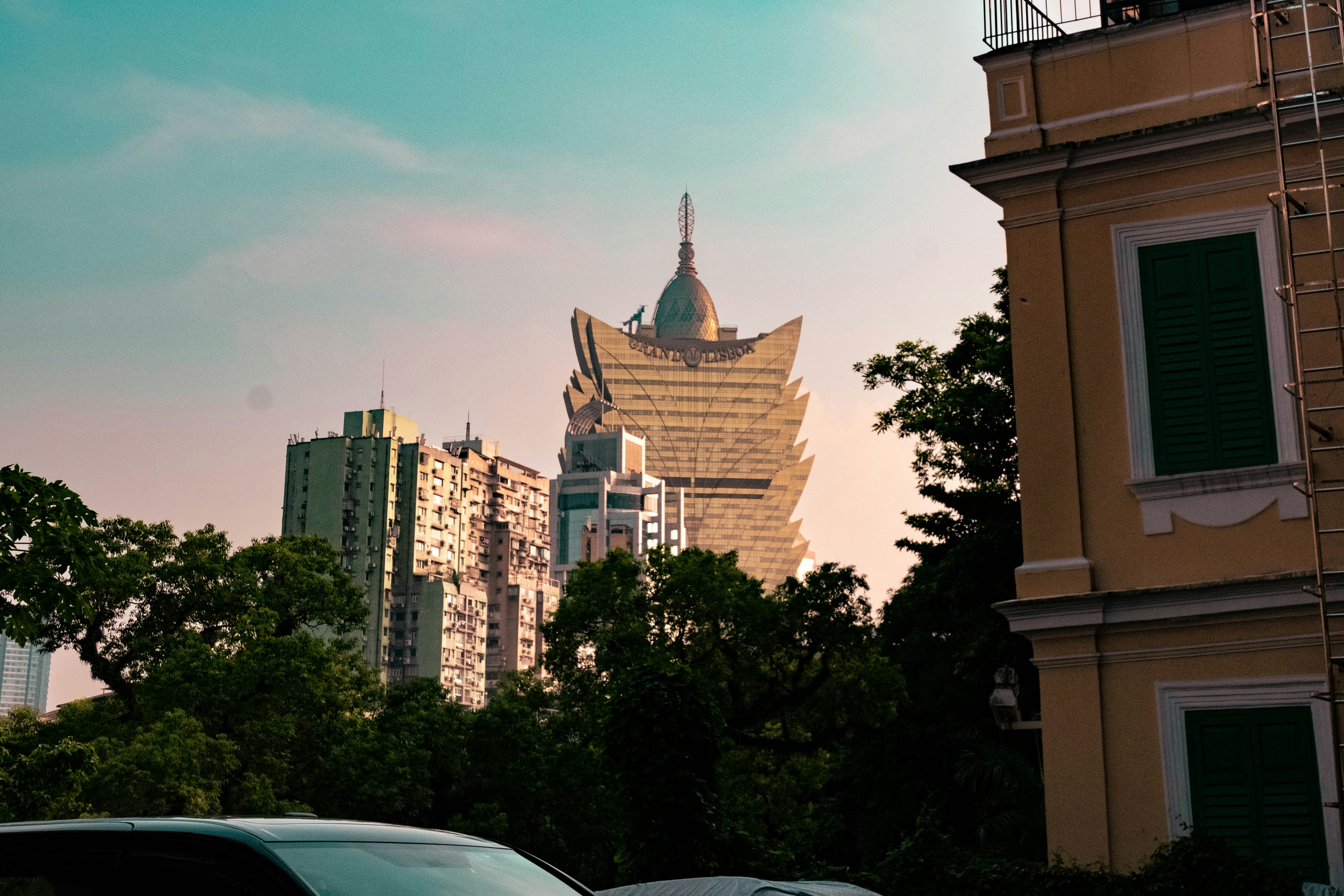
Macao is often compared to a mini Japan or Thailand trip: you get intense flavours, strong street-food culture, and a fascinating blend of East and West—but in a much smaller, more walkable package. Historic Senado Square, the Ruins of St. Paul’s, A-Ma Temple, and Coloane’s pastel village vibe contrast with Cotai’s integrated resorts, shows, and shopping malls.
What makes Macao especially appealing in 2026 is how frictionless it is for travellers. The city is small, public transport is straightforward, and many major hotels and attractions sit within a short bus or taxi ride of each other. You can base yourself in one neighbourhood and still cover most highlights without constant packing and unpacking.
This pillar guide is your big-picture planner: use it to decide your travel season, budget level, and ideal trip length. Then dive into detailed itineraries like 3 Days in Macao: A Day-by-Day Itinerary, Macao in 5 Days: The Perfect Extended Itinerary, and Macao in 10 Days: The Ultimate Travel Itinerary to build your day-by-day plan.
Along the way, we’ll link to focused guides on budget, food, safety, transport, culture, and connectivity, so this page becomes your central hub for everything Macao.
Best Time to Visit Macao: Season-by-Season
The best time to visit Macao in 2026 is generally October to December, when temperatures are pleasant, humidity drops, and skies are clearer—perfect for sightseeing, rooftop views, and long walks through the historic centre.
Macao has a humid subtropical climate with four distinct travel "moods" rather than strict seasons. As of 2026, summers are hot and humid, winters are cool and dry, and spring/autumn offer a comfortable middle ground. Use the table below to match your travel style:
| Season (approx.) | Weather & Comfort (2026) | Travel Vibe | Best For |
|---|---|---|---|
| Jan–Feb | 10–18°C, cool, dry | Quieter streets, occasional fog | Budget trips, city walks |
| Mar–May | 18–26°C, humid, some rain | Lively, flowers in bloom | Food trips, festivals |
| Jun–Sep | 26–32°C, very humid, typhoon risk | Intense heat, indoor attractions | Casino resorts, mall time |
| Oct–Dec | 18–24°C, mild, drier | Ideal sightseeing weather | First-time visitors, photography |
If your main focus is food and evening ambience, spring and autumn are excellent—nice enough to wander, but still atmospheric when streets glisten after light rain. For budget-conscious travellers, early-year shoulder months (January–March) often bring slightly lower hotel rates while still remaining comfortable.
When building your trip, align your itinerary choice with the season: shorter, slower days in peak summer, or more packed schedules in mild autumn. For sample day structures and pacing, check 3 Days in Macao: A Day-by-Day Itinerary, Macao in 5 Days: The Perfect Extended Itinerary, and Macao in 10 Days: The Ultimate Travel Itinerary.
Budget Overview: How Much Does a Macao Trip Cost?
As of 2026, a realistic daily budget for Macao ranges from US$60–80 for budget travellers, US$100–180 for mid-range, and US$250+ for luxury, excluding flights but including accommodation, food, local transport, and basic activities.
Macao is generally more expensive than backpacking staples like Thailand, but often cheaper than a full-on city trip in Japan. The biggest variable is accommodation, followed by dining style (street food vs. hotel restaurants). Use this quick comparison to frame your budget:
| Travel Style (2026) | Approx. Daily Budget* | Typical Stay | Notes |
|---|---|---|---|
| Budget | US$60–80 | Hostels, simple guesthouses | Street food, buses, free sights |
| Mid-range | US$100–180 | 3–4★ hotels | Mix of local restaurants and cafes |
| Luxury | US$250–400+ | 5★ resorts, casino hotels | Fine dining, shows, spa |
*Excludes flights; based on solo traveller estimates.
For a 3-day getaway, many travellers aim for US$300–600 total spend, while a 10-day exploration might sit around US$1,000–2,000 depending on hotel choice and activities. Couples can often save through shared rooms and transport.
To dive into line-by-line costs—accommodation tiers, food price ranges, attraction fees, and money-saving hacks—use the detailed Macao Travel Budget Guide: Daily Costs and Money Tips. Pair it with the Macao Currency & Money Guide: Exchange, Cards, and Tips for practical advice on changing money, using ATMs, and minimizing foreign transaction fees while tracking expenses in the Hello app.
Visa & Entry Basics (2026): Who Can Visit Macao Easily?
As of 2026, Macao welcomes many nationalities visa-free for short stays, with specific rules for passport validity, permitted duration, and customs allowances—so always check your exact passport requirements before booking flights.
In broad terms, Macao operates a relatively open entry policy for tourism, but conditions vary significantly by nationality. Singapore passport holders, for example, enjoy visa-free access for short visits, provided their passports have sufficient remaining validity and they respect local customs and immigration regulations. For detailed, up-to-date guidance tailored to Singaporeans—including entry duration, health declarations, and what you can bring through customs—refer to Macao Visa & Entry Requirements for Singapore Passport Holders.
For other nationalities, use Macao’s official immigration resources alongside your local government’s travel advisories as of 2026. A general checklist before you fly:
- Ensure at least 6 months passport validity from the date of entry.
- Confirm if you need a visa or can enter visa-free.
- Check onward/return ticket requirements.
- Review customs rules on cash, tobacco, and duty-free goods.
If your trip involves multi-country routing—e.g., flying into Hong Kong, then onward to Macao—make sure your entry documents cover all transit points. Build this step into your planning workflow with the Hello app’s trip planning feature.
For Singapore citizens, start with Macao Visa & Entry Requirements for Singapore Passport Holders. Other travellers can use it as a template for what to look for in their own country-specific advice.
Getting Around Macao: Transport at a Glance
In 2026, getting around Macao is simple and affordable, with compact distances, buses covering most neighbourhoods, plentiful taxis, and walkable historic areas—so you rarely need to drive or rent a car.
Think of Macao as three main zones: the Macau Peninsula (historic centre), Taipa (local neighbourhoods and food streets), and Cotai (large integrated resorts). Public buses and taxis connect these areas in under 20–30 minutes in typical conditions. Many key sights—Senado Square, the Ruins of St. Paul’s, and nearby streets—are best explored on foot.
A practical way to plan your movement:
- Arrival: Decide whether you’re coming via Macao International Airport, ferry, or land transfer. From each, buses and taxis offer direct links to major hotel zones.
- Daily transport: Use buses for routine hops and taxis for late-night or time-sensitive journeys.
- Day-trip mindset: Cluster sights by area (Peninsula, Taipa, Cotai) to minimize backtracking.
For detailed airport transfer options, bus routes, ride-hailing tips, and inter-city travel, see Getting Around Macao: Transport Guide for Travellers. Combine that with your chosen itinerary—3 Days in Macao, 5 Days in Macao, or 10 Days in Macao—to map transport choices to each day.
You can log transport expenses in the Hello app’s budget tracking feature and split costs with friends when sharing taxis or transfers, keeping your group’s spending transparent.
Food & Dining: What and Where to Eat in Macao
Macao in 2026 is a food lover’s playground, famous for its Macanese fusion cuisine, Chinese favourites, and Portuguese-inspired dishes—ranging from street snacks and humble bakeries to high-end hotel restaurants.
Macanese cuisine blends Portuguese techniques with Chinese ingredients: think African chicken, minchi (minced meat with potatoes), and baked seafood rice. Add in dim sum, congee, noodle shops, and pastel de nata (Portuguese-style egg tarts), and you get a compact city with a huge culinary spectrum.
A simple planning framework:
- Budget travellers: Focus on street food, small local eateries, and bakery breakfasts.
- Mid-range: Mix beloved classics with a few restaurant reservations in Taipa or around the historic centre.
- Food-focused trips: Layer in hotel buffets, chef-driven restaurants, and tasting menus.
Price-wise, as of 2026, casual meals can be very reasonable, while resort and hotel dining pushes your budget upwards. To understand exact dish prices, street food costs, and restaurant averages for each travel style, read the Macao Food Guide: Must-Try Dishes, Prices, and Tips.
Use that guide to build a "must-eat" list, then align it with your chosen itinerary—short trips often prioritize iconic dishes and famous bakeries, while longer stays allow you to explore quieter neighbourhood eateries. The Hello app’s expense tracking helps you monitor how much of your daily budget goes into food, so you can flex between splurges and savings.
Top Experiences & Sample Itineraries
The best way to experience Macao in 2026 is to combine heritage walks, Coloane’s village charm, Cotai’s modern resorts, and food explorations, tailored into a 3, 5, or 10-day itinerary that suits your pace.
Core must-dos typically include:
- Strolling through Senado Square and the Ruins of St. Paul’s.
- Visiting A-Ma Temple and other historic religious sites.
- Exploring Taipa Village and Coloane for food and local atmosphere.
- Experiencing at least one major Cotai resort—whether for shows, views, or dining.
Your ideal trip length depends on your travel profile:
- 3 days: Perfect for a concentrated highlight reel—see 3 Days in Macao: A Day-by-Day Itinerary.
- 5 days: Allows deeper neighbourhood exploration and slower pacing—see Macao in 5 Days: The Perfect Extended Itinerary.
- 10 days: Great if you enjoy detailed, unhurried travel and repeat visits to favourite spots—see Macao in 10 Days: The Ultimate Travel Itinerary.
A simple decision tree:
- Short annual leave, first visit, and budget-sensitive? Choose 3 days.
- Keen on food and culture, but don’t want to rush? Go for 5 days.
- Visiting friends/family nearby or combining with Japan or Thailand? Stretch to 10 days.
Use this pillar guide to choose your length and style, then rely on the detailed itineraries to fill in daily schedules, estimated costs, and transport tips.
Hello eSIM & Connectivity in Macao (2026)
In 2026, the easiest way to stay connected in Macao is with Hello eSIM, giving instant data access, app-based top-ups, and coverage across most tourist areas without needing a physical SIM card.
Hello eSIM provides data-only plans for over 200 countries, including Macao, with activation directly through the Hello app on iOS or Android. That means you can land in Macao, connect to local networks, and start using maps, messaging, and translation apps within minutes—without hunting for airport SIM counters or dealing with language barriers.
For Macao specifically, network coverage is generally strong across the Peninsula, Taipa, and Cotai, including major hotels, shopping areas, and tourist sights. Indoor coverage can vary by building, but most integrated resorts and central districts are well-served as of 2026.
Use eSIM for Macao: Best Plans, Coverage, and Setup Tips for a deep dive into:
- How to choose the right Hello eSIM data plan based on trip length.
- Step-by-step setup instructions.
- Tips for maximizing data efficiency (Wi-Fi use, offline maps, compression).
Pair Hello eSIM with Hello’s expense-splitting and trip planning features to keep your group organized. You can track shared costs, store booking details, and keep everyone updated in real time—especially helpful when coordinating meetups across different Macao neighbourhoods.
Money, Currency & Paying in Macao
As of 2026, Macao mainly uses the Macanese pataca (MOP), with Hong Kong dollars widely accepted, strong card usage in modern venues, and plentiful ATMs—making it relatively easy to handle money if you plan ahead.
Most visitors encounter a mix of payment modes: cash for smaller eateries and markets, cards for hotels and larger restaurants, and contactless payments in many modern shops. Understanding how pataca and Hong Kong dollars interact helps you avoid confusion and small losses on informal exchange rates.
A practical structure for money management:
- Bring at least one fee-friendly card and a backup.
- Withdraw cash as needed rather than exchanging large sums at poor rates.
- Keep a small cash float for taxis, local food spots, and small purchases.
For exact currency details, card acceptance norms, ATM tips, and information on tipping culture, read the Macao Currency & Money Guide: Exchange, Cards, and Tips. Then pair it with the Macao Travel Budget Guide: Daily Costs and Money Tips to map out how much cash you actually need day to day.
The Hello app’s budget tracking and expense splitting help you monitor your spending in real time: log cash withdrawals, card payments, and shared bills, then compare actual costs against your planned daily budget.
Culture, Safety & Practical Etiquette
Macao is generally safe and welcoming in 2026, with a mix of Chinese and Portuguese heritage, clear etiquette norms, and manageable risks—provided you follow basic street smarts and respect local customs.
On the cultural side, you’ll encounter bilingual signage, historic churches next to temples, and a blend of languages and behaviours. Simple gestures like speaking politely, dressing modestly at religious sites, and observing queue etiquette go a long way.
Safety-wise, Macao scores well for everyday travellers. Petty crime can occur in busy areas, particularly around tourist hubs and casino zones, but major incidents are relatively uncommon. Staying mindful of your belongings, avoiding overly risky bets—literally and figuratively—and choosing reputable transport options are usually sufficient.
Use the Macao Cultural Guide: Etiquette, Customs, and Tips to understand:
- Greeting norms and how to interact respectfully.
- Dress expectations in different settings.
- Useful local phrases and behavioural cues.
Complement it with the Macao Safety Guide: Tips for a Safe Trip, which covers health advisories, common scams, emergency contacts, and insurance recommendations.
Consider saving important local numbers, insurance details, and embassy/consulate contacts in the Hello app alongside your trip plan, so your group can access them quickly if needed.
Before You Go: Pre-Trip Checklist for Macao 2026
A smooth Macao trip in 2026 starts with a simple pre-departure checklist, covering documents, connectivity, budget planning, and health/safety basics—so you arrive prepared and avoid last-minute stress.
Use this high-level checklist as your planning backbone:
Documents & Entry
- Check visa requirements for your nationality.
- Confirm passport validity (ideally 6+ months).
- Print or save flight, hotel, and key booking confirmations.
For Singapore passport holders, double-check specifics in Macao Visa & Entry Requirements for Singapore Passport Holders.
Budget & Money
- Decide your daily budget range (budget/mid-range/luxury) using Macao Travel Budget Guide: Daily Costs and Money Tips.
- Set up cards and cash strategy via Macao Currency & Money Guide: Exchange, Cards, and Tips.
- Install the Hello app to track spending and split group expenses.
Connectivity & Safety
- Purchase and preload your Hello eSIM plan using eSIM for Macao: Best Plans, Coverage, and Setup Tips.
- Review Macao Safety Guide: Tips for a Safe Trip and save key contacts.
Culture & Daily Life
- Read Macao Cultural Guide: Etiquette, Customs, and Tips for dos and don’ts.
- Sketch a rough itinerary using 3 Days, 5 Days, or 10 Days.
Bring this list into the Hello app’s trip planning feature to tick items off as you prepare.
Macao Visa & Entry Requirements for Singapore Passport Holders
Budget PlanningMacao Travel Budget Guide: Daily Costs and Money Tips
Currency & MoneyMacao Currency & Money Guide: Exchange, Cards, and Tips
eSIM & ConnectivityeSIM for Macao: Best Plans, Coverage, and Setup Tips
Safety & HealthMacao Safety Guide: Tips for a Safe Trip
Cultural GuideMacao Cultural Guide: Etiquette, Customs, and Tips
Itineraries3 Days in Macao: A Day-by-Day Itinerary
ItinerariesMacao in 5 Days: The Perfect Extended Itinerary
ItinerariesMacao in 10 Days: The Ultimate Travel Itinerary
Frequently Asked Questions
Is Macao worth visiting in 2026 for a short trip?
Yes. As of 2026, Macao is ideal for 3–5 day trips thanks to its compact size, walkable historic centre, strong food scene, and easy transport between the Peninsula, Taipa, and Cotai. Use 3 Days in Macao or Macao in 5 Days to see how much you can comfortably fit in.
How many days should I spend in Macao?
Most first-time visitors choose 3–5 days: 3 days for a focused highlight trip, 5 days for deeper exploration, and up to 10 days if you want a slower pace or to combine Macao with nearby destinations like Japan or Thailand. Compare the sample plans in Macao in 5 Days and Macao in 10 Days.
Is Macao expensive to visit?
Macao sits in a mid-to-high price bracket compared with other Asian destinations. As of 2026, budget travellers can manage around US$60–80 per day, mid-range around US$100–180, and luxury upwards of US$250 daily, excluding flights. For detailed breakdowns, see the Macao Travel Budget Guide: Daily Costs and Money Tips.
Do I need a visa to visit Macao in 2026?
Visa requirements depend on your nationality. Many travellers enjoy visa-free short stays, but conditions vary. Singapore passport holders, for example, have specific outlined rules in Macao Visa & Entry Requirements for Singapore Passport Holders. Always confirm with official immigration sources before you travel.
How safe is Macao for travellers?
Macao is generally considered safe for travellers in 2026, with relatively low levels of serious crime. The main risks are petty theft in crowded areas and occasional scams around tourist and casino zones. The Macao Safety Guide: Tips for a Safe Trip explains common issues, health advisories, and emergency contacts.
What is the best way to stay connected in Macao?
The most convenient option in 2026 is Hello eSIM, which provides instant data access on arrival and strong coverage in most tourist areas without requiring a physical SIM. For plan options, coverage notes, and step-by-step activation instructions, read eSIM for Macao: Best Plans, Coverage, and Setup Tips.
What should I definitely eat in Macao?
Must-try items include Macanese dishes like African chicken and minchi, local-style pork chop buns, dim sum, congee, and the famous Portuguese-style egg tarts. For a curated list of dishes, price ranges, and recommended spots, check the Macao Food Guide: Must-Try Dishes, Prices, and Tips.
eSIM Plans for Macao
Detailed Articles
Dive deeper into specific topics covered in this guide.
3 Days in Macao: A Day-by-Day Itinerary
A detailed 3-day itinerary for Macao with daily activities, costs, neighborhoods, and transport tips.
12 June 2026
Macao in 5 Days: The Perfect Extended Itinerary
A detailed 5-day itinerary for Macao with daily activities, costs, neighborhoods, and transport tips for an extended stay.
7 May 2026
Macao in 10 Days: The Ultimate Travel Itinerary
A comprehensive 10-day itinerary for Macao covering top attractions, hidden gems, daily costs, and transport between cities.
21 June 2026
Macao Travel Budget Guide: Daily Costs and Money Tips
How much does it cost to travel in Macao? Daily budget breakdowns for budget, mid-range, and luxury travellers.
26 February 2026
Macao Currency & Money Guide: Exchange, Cards, and Tips
Currency exchange, credit card acceptance, ATM tips, tipping culture, and money-saving advice for Macao.
28 July 2026
Macao Visa & Entry Requirements for Singapore Passport Holders
Visa requirements, passport validity, customs allowances, and entry tips for Singapore citizens travelling to Macao.
10 July 2026
Getting Around Macao: Transport Guide for Travellers
Airport transfers, public transport, ride-hailing apps, inter-city travel, and driving tips for Macao.
26 May 2026
Macao Food Guide: Must-Try Dishes, Prices, and Tips
Best local dishes, street food, restaurant prices, dietary options, and food safety tips for Macao.
17 May 2026
More Travel Guides
Destination Guide
Complete Bosnia and Herzegovina Travel Guide 2026
Everything you need to know about travelling to Bosnia and Herzegovina — budget, visa, food, transport, eSIM connectivity, and itineraries.
Destination Guide
Complete Bahamas Travel Guide 2026
Everything you need to know about travelling to Bahamas — budget, visa, food, transport, eSIM connectivity, and itineraries.
Destination Guide
Complete Bahrain Travel Guide 2026
Everything you need to know about travelling to Bahrain — budget, visa, food, transport, eSIM connectivity, and itineraries.
Destination Guide
Complete Sint Eustatius Travel Guide 2026
Everything you need to know about travelling to Sint Eustatius — budget, visa, food, transport, eSIM connectivity, and itineraries.