Honduras Cultural Guide: Etiquette, Customs, and Tips
Essential do's and don'ts, greeting customs, dress codes, local phrases, and cultural tips for Honduras.
By Hello Travel Team
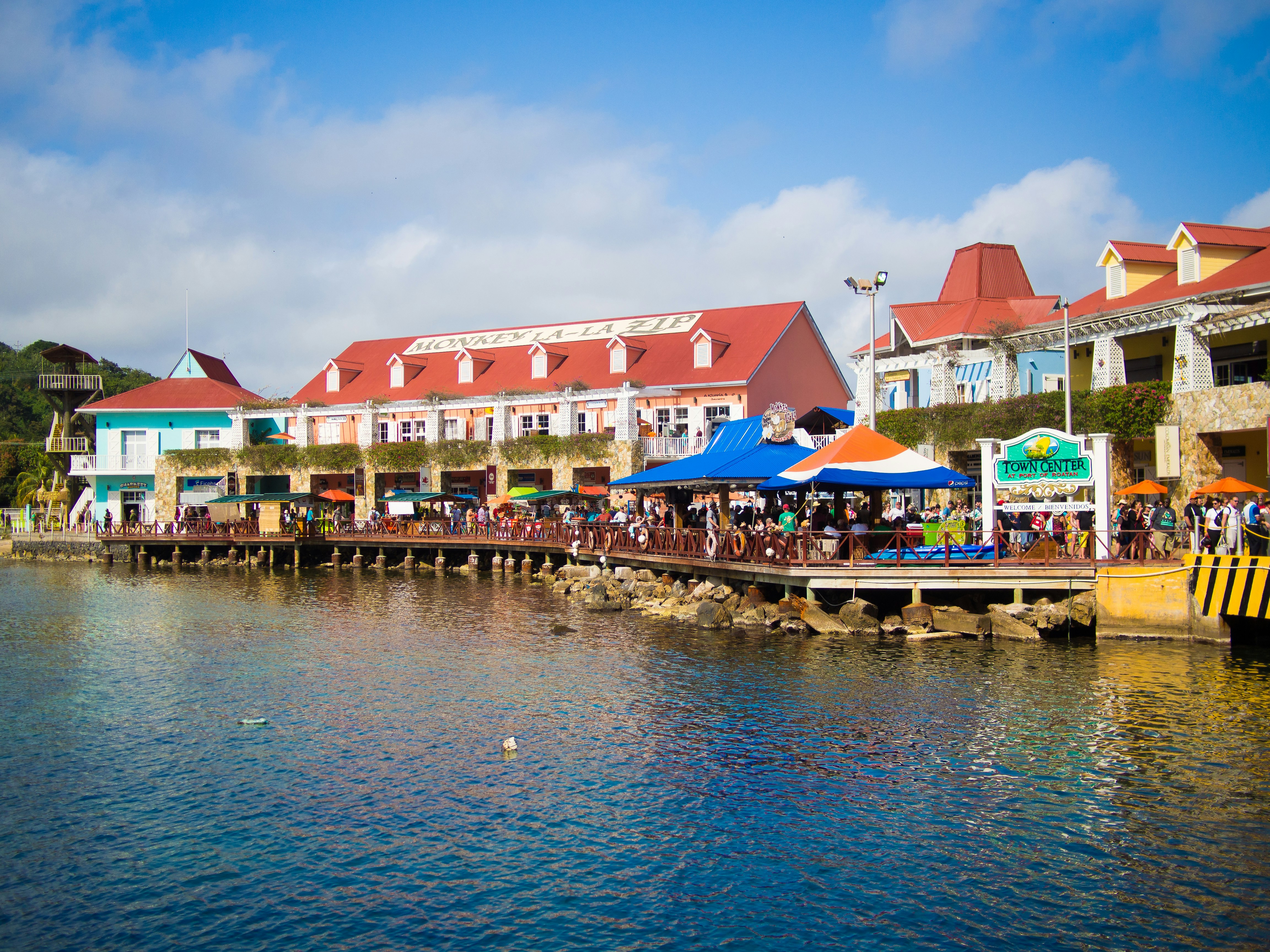
TL;DR: Honduras Culture, Etiquette, and Dos and Don’ts
Honduras culture is warm, respectful, and relationship-focused, so a polite greeting, modest dress in formal settings, and patience go a long way. The most useful Honduras etiquette tips are simple: say hello first, dress neatly, avoid overly direct criticism, and be mindful of local customs around faith, family, and photography.
Honduras Etiquette: Greetings, Manners, and Social Customs
In Honduras, a friendly greeting is essential and often matters more than getting straight to business. A handshake is standard in formal settings, while close friends and family may greet with a light cheek kiss or a warm embrace; addressing people with señor, señora, or usted signals respect. In everyday life, people often value being cordial and personable before discussing practical matters, especially in smaller towns and family-run businesses.
One of the most important Honduras dos and donts is to avoid rushing interactions. Taking a moment to ask how someone is doing, thanking them, and saying goodbye properly is considered good manners. In shops, restaurants, and taxis, a calm tone is usually better than a blunt one. If you are traveling with friends, Hello’s expense splitting and budget tracking features can make shared meals, taxis, and entry fees much easier to manage without awkward money conversations later.
What to Wear in Honduras: Dress Codes for Cities, Churches, and the Coast
Dress codes in Honduras are generally relaxed, but looking tidy and modest is still important, especially in churches, government buildings, and conservative towns. For religious sites, cover shoulders and avoid very short shorts, crop tops, or overly revealing clothing; a light scarf or overshirt is useful for moving from the beach to a church or formal venue.
In cities like Tegucigalpa and San Pedro Sula, casual smart clothing is common for restaurants and business meetings, while lightweight breathable fabrics work best in the tropical heat. On the Caribbean coast, beachwear belongs on the beach, not in town centers or shops. A practical travel rule is to dress one level more formally than you would at home when visiting family homes or attending events. Basic groceries, local lunches, and informal taxis are affordable in many parts of the country, but conservative dressing can still help you blend in and show respect.
Honduras Photography Rules, Local Holidays, and Travel Disruptions
Photography is usually welcome in public spaces, but in Honduras etiquette means asking first before photographing people, market vendors, children, or anyone in traditional dress. Security personnel, military sites, airports, and some government facilities may restrict photos, so when in doubt, put the camera away and ask locally. If you are visiting towns with strong indigenous or community identity, being respectful about photography is especially important.
Plan around holidays that can affect transport, opening hours, and traffic. The biggest national observances include Holy Week in March or April, Independence Day on September 15, and Christmas and New Year’s week, when many businesses close or reduce hours. During Holy Week, beaches and major city exits can get busy, and intercity buses may sell out earlier than usual. If you are using Hello eSIM for Honduras, you can check schedules, confirm opening hours, and navigate delays without relying on uncertain public Wi-Fi.
Business Etiquette in Honduras: Meetings, Punctuality, and Gift-Giving
Business culture in Honduras tends to be courteous and relationship-driven, so formal greetings and small talk usually come before the main agenda. Punctuality is appreciated, but meetings may start a little later than scheduled, especially in more relaxed settings; still, arriving on time shows professionalism. Use titles and surnames until invited to do otherwise, and keep your tone measured rather than overly aggressive.
Gift-giving is not required for first meetings, but a small, thoughtful gift can be appropriate when visiting a home or closing a successful business relationship. Simple items from your home country are usually better than expensive gifts, which can feel uncomfortable. If invited to a meal, it is polite to accept what is offered, compliment the host, and avoid immediately discussing business unless your host leads the conversation. For travelers organizing work trips or group travel, Hello’s trip planning and budget tools can help keep schedules and spending organized across multiple cities.
Common Questions About Honduras Customs and Dos and Don’ts
What should I avoid doing in Honduras? Avoid being loud, dismissive, or overly critical in public, and do not photograph people without permission. In more formal or religious spaces, wearing beach clothing or acting overly casual can come across as disrespectful.
Is tipping expected in Honduras? Tipping is appreciated but not always mandatory in the same way everywhere. In restaurants, a small tip for good service is common, and rounding up for taxis or porters is a simple courtesy.
What local phrases should I know? Useful basics include hola (hello), buenos días (good morning), por favor (please), gracias (thank you), and con permiso (excuse me). Even a few words in Spanish make a strong impression and help in markets, taxis, and small towns.
Do I need cash in Honduras? Yes, cash is useful for small purchases, local transport, and rural areas where card acceptance can be limited. Keep smaller bills handy for buses, snacks, and entry fees, and use a travel app to track spending so you do not lose sight of your budget.
Practical Honduras Culture Tips for First-Time Visitors
The best way to understand Honduras culture is to lead with respect, patience, and curiosity. Greet people properly, dress appropriately for the setting, ask before taking photos, and remember that family, faith, and hospitality shape daily life in many communities. These small habits will improve almost every interaction, whether you are in Copán Ruinas, La Ceiba, Roatán, or the capital.
A few extra Honduras etiquette tips can make travel smoother. Learn a handful of Spanish phrases before you arrive, keep some cash for everyday purchases, and allow flexible timing for buses, meetings, and meals. For connectivity, an eSIM from Hello can be especially helpful once you land, letting you check maps, message hosts, and confirm reservations without hunting for Wi-Fi. If you are planning your route, pairing local cultural awareness with reliable data is one of the easiest ways to travel confidently.
Explore These Destinations
Stay Connected
Make the most of Honduras
From eSIM connectivity to expense tracking, Hello is the all-in-one companion that keeps your trip stress-free.
Related Articles
Honduras Currency & Money Guide: Exchange, Cards, and Tips
Currency exchange, credit card acceptance, ATM tips, tipping culture, and money-saving advice for Honduras.
27 July 2026
Honduras Safety Guide: Tips for a Safe Trip
Safety tips, health advisories, emergency contacts, common scams, and travel insurance advice for Honduras.
18 July 2026
Honduras Visa & Entry Requirements for Singapore Passport Holders
Visa requirements, passport validity, customs allowances, and entry tips for Singapore citizens travelling to Honduras.
9 July 2026