Honduras Safety Guide: Tips for a Safe Trip
Safety tips, health advisories, emergency contacts, common scams, and travel insurance advice for Honduras.
By Hello Travel Team
Honduras Safety Guide: Is Honduras Safe for Travelers?
TL;DR: Honduras can be visited safely when travelers choose destinations carefully, avoid isolated areas and nighttime travel, use reputable transport, and protect valuables. Current government advice generally recommends a high degree of caution because violent crime is widespread, while some departments—including Olancho, Yoro, and Colón—carry stronger warnings; popular routes such as Roatán, Utila, Copán Ruinas, and parts of the Caribbean coast require practical precautions rather than panic. Honduras is not uniformly unsafe, but Honduras travel safety varies sharply by city, neighborhood, transport method, and time of day. Check current official advice before departure, share your itinerary, purchase comprehensive travel insurance, and save emergency numbers offline. The national emergency number is 911; firefighters are reached at 198, and the Red Cross ambulance service at 195, according to Honduran emergency guidance. Travelers heading from Singapore should also register their trip with Singapore’s Ministry of Foreign Affairs and confirm the latest consular arrangements before leaving, as Singapore does not maintain a resident embassy in Honduras. For connectivity, an eSIM from Hello can provide mobile data on arrival for maps, translation, ride coordination, and emergency communication.
Honduras Travel Safety by Destination and Transport
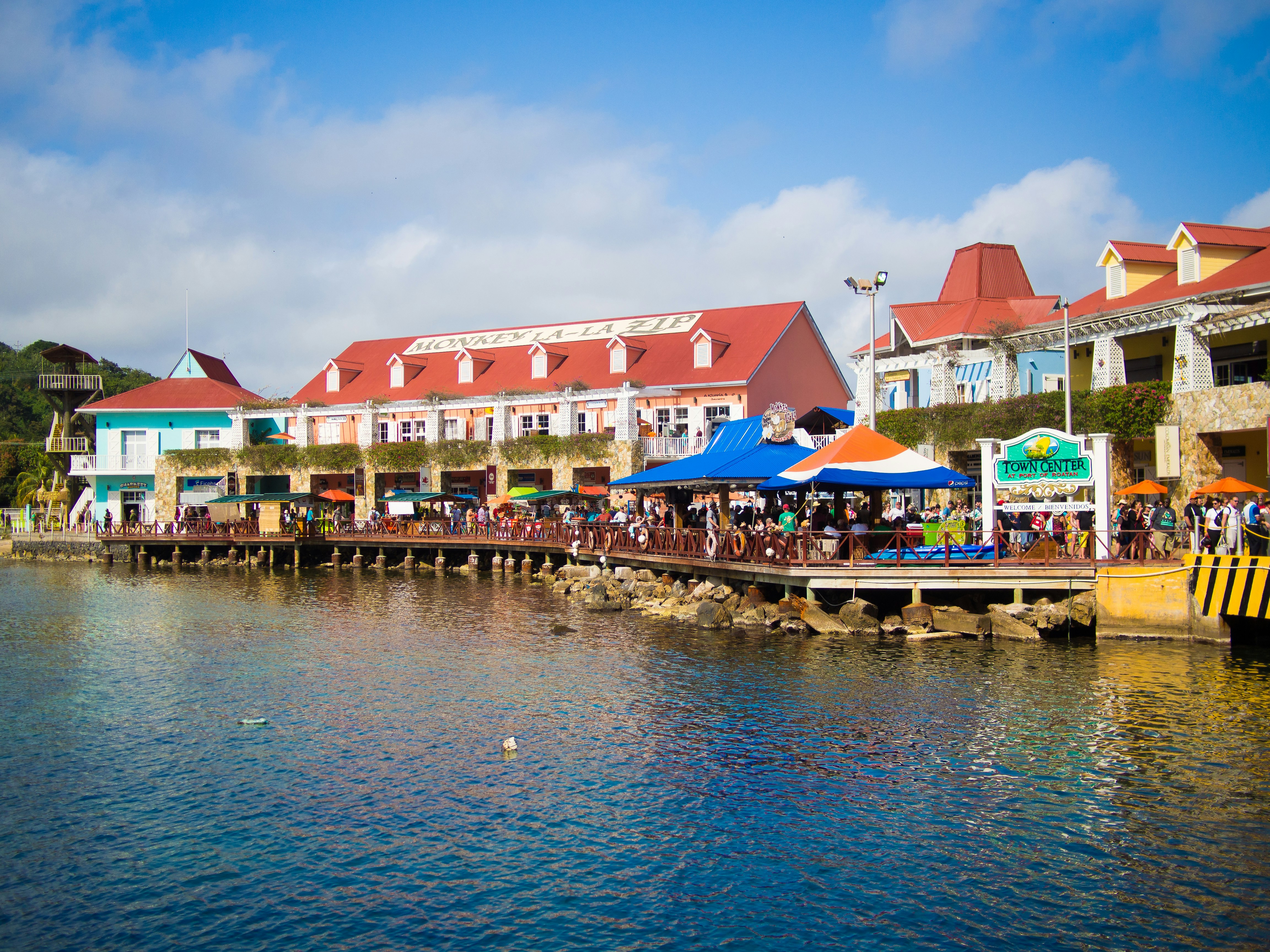
The safest Honduran itinerary is one that limits nighttime movement, uses established tourist services, and treats urban travel differently from island travel. San Pedro Sula and Tegucigalpa require the greatest situational awareness: avoid displaying phones or jewelry, do not walk around unfamiliar districts after dark, and use hotel-arranged taxis or trusted app-based transport where available. At airports, arrange a pickup in advance and travel during daylight when possible; armed robbers and carjackers may target airport routes and vehicles stopped at traffic lights. On Roatán and Utila, stay alert around docks, ATMs, beaches, and quiet roads, particularly after dark. In Copán Ruinas, use registered guides for archaeological areas and avoid wandering alone on isolated trails. Use intercity buses only after checking the operator and route; private transfers or reputable shuttle companies are often worth the extra cost. Keep vehicle doors locked, windows raised in cities, and bags out of sight. Do not accept unsolicited help with luggage, money exchange, or transport. Honduras has significant seasonal weather risks: hurricanes and heavy rain can trigger flooding, landslides, and ferry or road disruption, especially during the May-to-November wet season. Recheck transport and weather conditions before traveling between mainland towns and the Bay Islands.
Honduras Scams, Theft, and Practical Ways to Avoid Them
Most common Honduras scams are opportunistic rather than elaborate, so calm routines and controlled access to money prevent many problems. Typical risks include inflated taxi fares, fake guides, distraction theft in markets and bus terminals, card skimming at standalone ATMs, counterfeit currency, and strangers creating a commotion while an accomplice takes a phone or wallet. Agree on taxi fares before departure, or ask accommodation staff to arrange transport. Use ATMs inside banks, supermarkets, or hotels, inspect the machine for tampering, and avoid withdrawing cash at night. Carry only the money needed for the day, keep a small emergency reserve separately, and store passport copies securely online. When paying, watch the change and avoid displaying a thick wallet. On beaches and boats, leave passports and expensive electronics in a hotel safe; use a waterproof pouch for one payment card and a limited amount of cash. Never hand over a phone to someone claiming to be police or an official without verifying their identity. If confronted by an armed robber, prioritize personal safety: do not argue, make sudden movements, or chase the offender. Report theft promptly to local police and your insurer, requesting a written report. Hello’s expense tools can help groups record shared cash withdrawals and split costs in multiple currencies, reducing confusion when travel companions pay separately.
Honduras Emergency Numbers, Consular Help, and Travel Insurance
Save emergency contacts before departure because mobile coverage, language barriers, and stress can make a simple call difficult during an incident. Honduras emergency contacts include 911 for police and national emergencies, 198 for firefighters, 195 for Red Cross ambulance assistance, and 113 for COPECO civil protection, with international formats and regional numbers also published by official travel authorities. Ask your hotel, guide, or tour operator to call if you cannot explain your location clearly. For police reports, request a copy or case number for insurance claims. Singaporean travelers should contact Singapore’s Ministry of Foreign Affairs for the latest guidance and consular support arrangements; the nearest relevant Singapore diplomatic mission may be outside Honduras, so confirm the responsible mission and after-hours number before travel. Travel insurance should cover emergency medical treatment, medical evacuation, trip interruption, baggage theft, and activities such as scuba diving, snorkeling, hiking, or motorcycle travel if included in your plans. Check exclusions carefully: some policies exclude riding without a valid license, alcohol-related incidents, unattended belongings, or travel against official advice. A practical policy limit should be high enough for private hospitalization and air evacuation, which can cost many thousands of dollars. Photograph your policy, passport, and emergency contacts, then store copies offline and in secure cloud storage.
Honduras Health Advisories, Vaccinations, Water, and Outdoor Safety
Book a travel-health consultation at least four to six weeks before Honduras, because vaccination and malaria advice depends on your itinerary, season, health history, and time spent in rural or low-altitude areas. The CDC recommends hepatitis A vaccination for unvaccinated travelers aged one year and older visiting Honduras and advises reviewing routine immunizations, including measles, mumps, rubella, tetanus, diphtheria, pertussis, influenza, and polio. Typhoid vaccination may be appropriate for travelers visiting smaller cities, rural communities, or eating adventurously. Malaria is a risk in parts of Honduras, including the Bay Islands, and risk can increase during the May-to-November rainy season; ask a clinician whether prescription prevention is suitable. Dengue and chikungunya are also mosquito-borne risks, so use repellent containing DEET, picaridin, or another recommended active ingredient, wear long sleeves, and choose screened or air-conditioned rooms. Drink sealed bottled water or properly treated water, avoid ice when its source is uncertain, and choose food that is cooked and served hot. Use reef-safe sunscreen, wear a life jacket on boats, and check local conditions before swimming or diving. Yellow fever is not generally transmitted in Honduras, but proof may be required when arriving from a country with yellow-fever risk, including certain long airport transits.
Solo Female and LGBTQ+ Traveler Safety in Honduras
Solo women and LGBTQ+ travelers can enjoy Honduras, but the safest approach is to reduce isolation, make movements predictable to trusted contacts, and choose accommodation and activities with strong recent reviews. Solo female travelers should avoid walking alone at night, accepting drinks from strangers, or sharing accommodation details with new acquaintances. Use hotel-arranged transport, sit near families or other women on public transport, and send a live location when traveling between towns. Dress is generally casual, but modest clothing is useful in conservative communities and religious sites; beachwear belongs on beaches and resort areas. Catcalling can occur, and assertive disengagement is usually safer than confrontation. LGBTQ+ travelers should research local conditions before visiting smaller or conservative communities, avoid public displays of affection where they may attract unwanted attention, and choose LGBTQ+-friendly accommodation and tour operators. Roatán and larger tourist centers can feel more relaxed than remote inland areas, but no destination is risk-free. Same-sex relationships are legal in Honduras, yet discrimination and harassment can still occur, and social attitudes vary. For all travelers, keep one trusted person informed of your route, do not reveal that you are carrying cash, and leave any situation that feels wrong. Hello’s trip-planning and connectivity features can help share itineraries, locations, and updates when plans change.
Common Questions About Honduras Travel Safety
Honduras is neither uniformly safe nor uniformly dangerous: risk is concentrated in particular urban areas, isolated locations, transport situations, and nighttime settings, so itinerary design matters.
Is Honduras safe for tourists? Popular areas can be visited with precautions, but official advisories commonly recommend a high degree of caution because violent crime is widespread. Avoid high-risk departments and review current advice before booking.
What are the Honduras emergency numbers? Call 911 for national emergencies, 198 for firefighters, 195 for Red Cross ambulance assistance, and 113 for civil protection. Save them offline.
Is tap water safe in Honduras? Water quality varies. Travelers should generally use sealed bottled, boiled, or properly treated water and avoid uncertain ice.
What should travelers do after a robbery? Do not resist. Move to a safe place, contact police or hotel staff, cancel cards, secure accounts, and obtain a police report for insurance.
Do I need travel insurance for Honduras? Yes. Choose medical treatment and evacuation cover, baggage protection, cancellation benefits, and coverage for planned activities such as diving or hiking.
How can I stay connected? Hello offers eSIM plans for 200+ countries, with plans starting from 5GB and instant activation. Install Hello eSIM for Honduras before departure so maps, translation, accommodation details, and emergency communication are available when you land. The Hello app also supports expense splitting, receipt scanning, budget tracking, and automatic multi-currency conversion.
Explore These Destinations
Stay Connected
Ready for Honduras?
eSIM data, expense splitting, budget tracking, and more. Everything you need for a smooth trip in one app.
Related Articles
Honduras Currency & Money Guide: Exchange, Cards, and Tips
Currency exchange, credit card acceptance, ATM tips, tipping culture, and money-saving advice for Honduras.
27 July 2026
Honduras Visa & Entry Requirements for Singapore Passport Holders
Visa requirements, passport validity, customs allowances, and entry tips for Singapore citizens travelling to Honduras.
9 July 2026
eSIM for Honduras: Best Plans, Coverage, and Setup Tips
Everything you need to know about using eSIM in Honduras. Best data plans, network coverage, and setup instructions.
30 June 2026