Key Takeaways
- ✓Honduras remains a budget-friendly, underrated Central American destination in 2026, with islands, ruins, and mountains to explore.
- ✓Dry season (December–April) is the most popular time to visit, but flexible travelers can enjoy Honduras year-round.
- ✓Backpackers can often travel on US$35–50 per day, while mid-range comfort usually starts around US$70–120 daily.
- ✓Visa and entry rules vary by nationality, so always check current requirements before booking flights.
- ✓Hello eSIM offers instant, convenient data connectivity in Honduras and integrates with trip planning and budget tracking.
- ✓Using buses, shuttles, and ferries (or short flights) makes it easy to combine Bay Islands, Copán Ruinas, and inland nature in one trip.
- ✓Honduran food is affordable and flavorful; understanding local etiquette and tipping norms improves dining experiences.
- ✓Hello’s app features—expense splitting, planning, and Hello eSIM—help you manage logistics and money smoothly throughout your Honduras journey.
Honduras is one of Central America’s most underrated gems: turquoise Caribbean bays, misty cloud forests, Maya ruins, and colorful colonial towns — all at a fraction of the cost of nearby hotspots. This 2026 Honduras Travel Guide pulls everything together so you can confidently plan, budget, and enjoy your trip.
You’ll find the big-picture essentials: when to go, how much to budget, visa and entry basics, getting around, food highlights, safety, and connectivity with Hello eSIM. Each section gives you a clear overview, then links to in-depth guides like Honduras Travel Budget Guide: Daily Costs and Money Tips, Getting Around Honduras: Transport Guide for Travellers, and Honduras Food Guide: Must-Try Dishes, Prices, and Tips.
We’ve also added comparison tables, decision frameworks, and “at a glance” summaries to help you quickly choose the right season, itinerary length, and daily budget. Whether you’re planning a short 3-day escape or a 10-day adventure, the Hello app makes it easy to track expenses, split costs with friends, and stay connected with Hello eSIM.
Use this guide as your starting point, then dive into the linked cluster articles whenever you want more detail on a topic.
Why Visit Honduras in 2026
Honduras is perfect for travelers who love wild nature, Caribbean beaches, and authentic culture without the crowds or high costs. In 2026, it remains one of Central America’s best value destinations, with world-class diving, national parks, and colonial towns at budget-friendly prices.
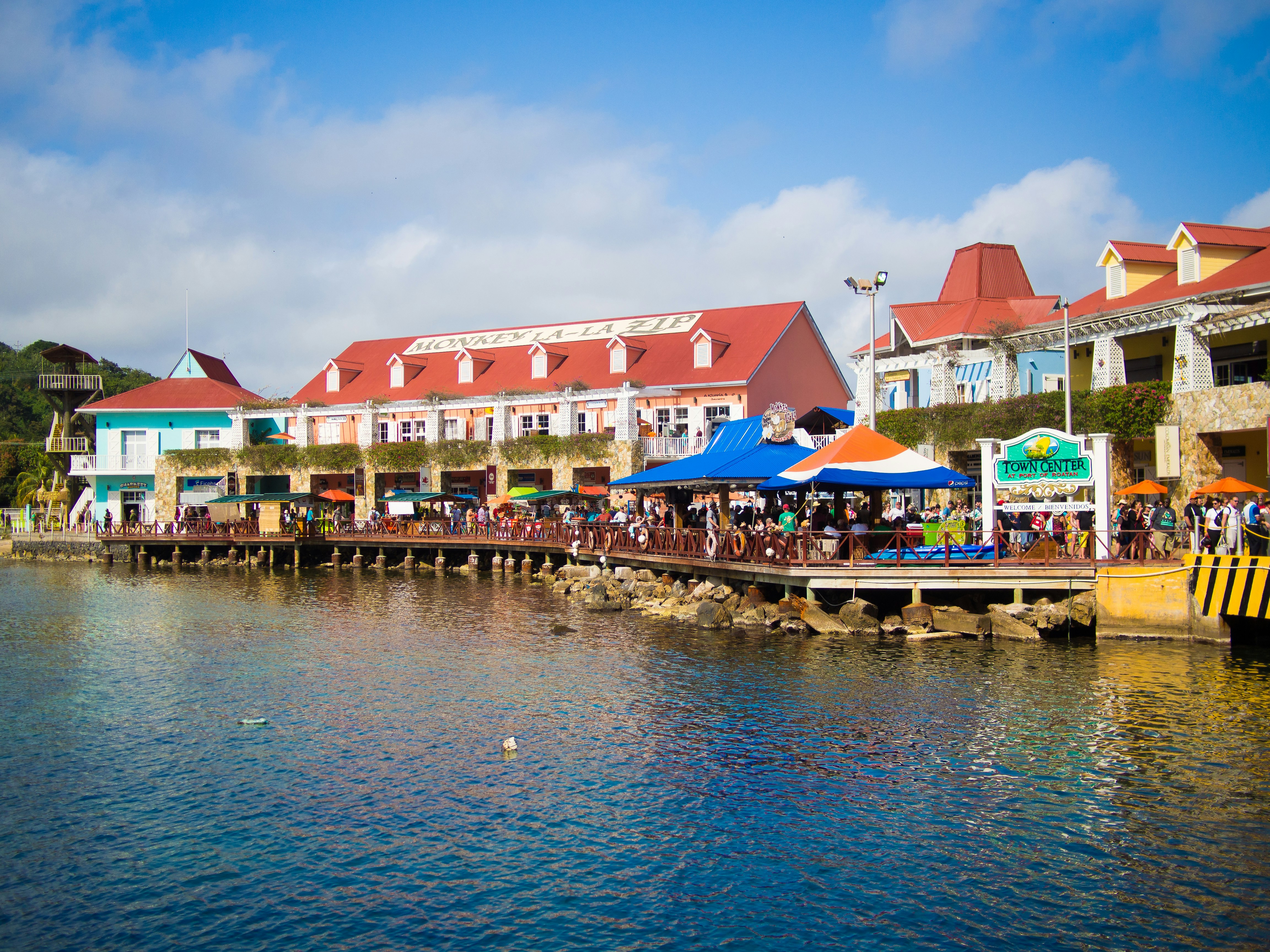
You come to Honduras for variety: snorkeling in the Bay Islands, hiking in Pico Bonito’s cloud forests, wandering cobbled streets in Copán Ruinas, and tasting baleadas at a local comedor. Compared with more famous neighbors like Costa Rica or Mexico, Honduras still feels refreshingly local — and your money goes much further.
Here’s a quick look at what draws different kinds of travelers:
| Trip style | Why Honduras works | Typical length |
|---|---|---|
| Backpacker | Low costs, hostels, local buses, street food | 7–14 days |
| Couples | Romantic islands, boutique stays, nature lodges | 5–10 days |
| Adventure seeker | diving, rafting, trekking, wildlife | 7–10 days |
| Culture lover | Maya ruins, colonial towns, markets | 3–7 days |
To help you plan, Hello’s itineraries cover the most popular routes:
- Short stays: 3 Days in Honduras: A Day-by-Day Itinerary
- Extended trips: Honduras in 5 Days: The Perfect Extended Itinerary
- Longer adventures: Honduras in 10 Days: The Ultimate Travel Itinerary
Use these itineraries with the Hello app’s trip planning features to map out your days, track your budget, and share plans with friends. This guide will help you decide how long to stay, where to go first, and how to balance islands, mountains, and culture in one unforgettable Honduras trip.
Best Time to Visit Honduras
The best time to visit Honduras is generally the dry season from December to April, when you’ll have sunnier skies for beaches and hiking. That said, the Bay Islands and inland highlands are enjoyable year-round if you’re flexible with occasional showers.
Honduras has a tropical climate, with regional differences between the Caribbean coast, Bay Islands, and interior highlands. As of 2026, typical temperatures in popular areas like Roatán, Copán Ruinas, and La Ceiba range from about 22–32°C (72–90°F) through the year, with higher humidity near the coast.
Here’s an at-a-glance seasonal comparison:
| Season (approx.) | Weather | Best for | Watch out for |
|---|---|---|---|
| Dec–Feb (dry, cooler) | Sunny, lower humidity | Beaches, diving, ruins | Higher prices in peak holiday weeks |
| Mar–Apr (hot, still fairly dry) | Hot days, warm seas | Snorkeling, island life | Easter crowds, strong sun |
| May–Aug (wet season begins) | Mix of sun and showers | Lush forests, fewer tourists | Afternoon rain, possible storms |
| Sep–Nov (wet, hurricane risk on Caribbean) | Heavy showers at times | Cultural travel inland | Potential tropical systems on north coast |
If you have limited time, pair this with our itineraries:
- Short trip ideas: 3 Days in Honduras: A Day-by-Day Itinerary
- Dry-season highlights: Honduras in 5 Days: The Perfect Extended Itinerary
- Shoulder-season combos: Honduras in 10 Days: The Ultimate Travel Itinerary
Use the Hello app’s trip planning tools to log weather-sensitive activities (like diving or rafting) on your drier days, and keep more flexible experiences — food tours, museums, or spa days — as backups if tropical showers roll in.
Budget Overview: How Much a Trip to Honduras Costs
Honduras is a budget-friendly destination in 2026, with daily costs often lower than Guatemala or Costa Rica. Backpackers can get by from around US$35–50 per day, while mid-range travelers are more comfortable around US$70–120 per day.
Your main expenses are accommodation, food, transport, and activities (especially diving in the Bay Islands). The Honduras Travel Budget Guide: Daily Costs and Money Tips breaks this down in detail, and Honduras Currency & Money Guide: Exchange, Cards, and Tips explains how to handle Honduran lempira, cards, and cash.
Here’s a simplified budget comparison (per person, per day, as of 2026):
| Traveler type | Accommodation | Food & drink | Transport | Activities | Total (approx.) |
|---|---|---|---|---|---|
| Shoestring | Hostel dorm / basic guesthouse | Street food, markets | Local buses, shared taxis | Free/low-cost sights | US$35–50 |
| Mid-range | Private guesthouse / small hotel | Mix of local eateries & sit-down restaurants | Buses, occasional taxi or shuttle | Entry fees, some tours | US$70–120 |
| Higher-end | Boutique hotels / island resorts | Upscale dining, cocktails | Private transfers, domestic flights | Diving, guided tours | US$150–250+ |
To keep your costs on track:
- Plan your daily budget with Honduras Travel Budget Guide
- Learn about currency, ATMs, and tipping in Honduras Currency & Money Guide
- Use the Hello app’s budget tracking to log spending in lempira and convert to your home currency
- Split expenses with friends in real time for shared taxis, tours, and accommodation
Hello eSIM also helps you save by avoiding roaming charges, so you keep more of your budget for baleadas, boat trips, and reef dives.
Visa & Entry Requirements
As of 2026, many travelers can visit Honduras visa-free for short stays, but rules vary widely by nationality. Always check your specific passport requirements, and ensure at least six months’ validity before you fly.
For Singapore citizens, Honduras Visa & Entry Requirements for Singapore Passport Holders covers visa-free durations, necessary documents, and customs allowances in detail. Even if you’re not Singaporean, it’s a good reference for the types of checks and paperwork you can expect at the border.
Typical entry requirements include:
- A passport with sufficient validity (often 6+ months)
- Proof of onward travel or return ticket
- Evidence of sufficient funds for your stay
- Compliance with Central America’s CA-4 agreement rules if you’re also visiting Guatemala, El Salvador, or Nicaragua
Decision framework: before you book flights, confirm;
- Do you need a visa?
- Check your government’s travel advisory and Honduras embassy/consulate site.
- How long can you stay?
- Many nationalities receive up to 90 days, but this is not universal.
- Any special entry rules in 2026?
- Look for vaccination, health, or digital form requirements.
Use the Hello app to store photos and PDFs of your passport, flight confirmations, and travel insurance, so everything is handy at immigration. Once you’re in Honduras, our Honduras Safety Guide: Tips for a Safe Trip is a helpful next read for staying informed and prepared throughout your journey.
Getting Around Honduras
Getting around Honduras is straightforward once you understand the main options: local buses for budget travel, shuttles and taxis for comfort, and short domestic flights or ferries to reach the Bay Islands. Planning ahead helps you save time and stay safe.
The Getting Around Honduras: Transport Guide for Travellers breaks down airport transfers, city transport, inter-city buses, and driving tips in detail. Think of transport in three layers:
- Within cities: taxis, moto-taxis, and sometimes ride-hailing apps in larger urban areas
- Between cities: long-distance buses, private shuttles, or rental cars
- To the islands: ferries from La Ceiba and short flights to Roatán or Utila
Many travelers follow classic routes like San Pedro Sula – Copán Ruinas – La Ceiba – Bay Islands – Tegucigalpa, which are well covered in:
- 3 Days in Honduras: A Day-by-Day Itinerary
- Honduras in 5 Days: The Perfect Extended Itinerary
- Honduras in 10 Days: The Ultimate Travel Itinerary
Decision tips:
- Choose buses if you’re budget-conscious and comfortable with longer travel times.
- Opt for shuttles or private transfers if you’re short on time or prioritizing comfort.
- Use flights to/from the Bay Islands if you want to minimize transit days.
Hello eSIM gives you reliable data to use map apps, check bus schedules, and message accommodation hosts while on the move. Combine it with the Hello app’s trip planner to store your tickets, note departure points, and keep an eye on transport costs day by day.
Food & Dining in Honduras
Honduran food is hearty, satisfying, and surprisingly diverse, with baleadas, fresh seafood, and tropical fruits at the center of most menus. As of 2026, food costs remain affordable, especially if you eat where locals do.
Start with the Honduras Food Guide: Must-Try Dishes, Prices, and Tips, which explains staple dishes like baleadas (flour tortillas stuffed with beans, cheese, and more), fried fish on the coast, and plato típico (rice, beans, plantains, and meat). You’ll also find vegetarian-friendly options, street food tips, and guidance on food safety.
A simple price snapshot:
- Street snacks: ~US$1–2 for baleadas or tacos
- Local comedores: ~US$4–6 for a full plate with drink
- Mid-range restaurants: ~US$10–18 per person, depending on location
- Island seafood dinners: ~US$15–25+ for fish or lobster in popular tourist areas
Use this quick framework to decide where to eat:
- Budget focus: prioritize markets, comedores, and street stalls
- Foodie focus: mix local places with a few higher-end restaurants, especially in the Bay Islands and major cities
- Health/diet focus: look for places recommended in our Honduras Food Guide and check menus in advance using Hello eSIM for internet access
Hello’s expense tracking makes it easy to see how much you’re spending on food over several days, so you can adjust your dining choices without surprises. Pair that with cultural insights from the Honduras Cultural Guide: Etiquette, Customs, and Tips to understand mealtime norms, tipping habits, and how to order respectfully in local eateries.
Top Experiences & Itinerary Ideas
Honduras offers a mix of Caribbean islands, Maya ruins, mountains, and rivers, making it easy to build an itinerary that fits your interests. In 2026, the Bay Islands, Copán Ruinas, and Pico Bonito remain the most popular highlights.
For detailed day-by-day plans, explore:
- 3 Days in Honduras: A Day-by-Day Itinerary — perfect for quick trips
- Honduras in 5 Days: The Perfect Extended Itinerary — balances islands and inland
- Honduras in 10 Days: The Ultimate Travel Itinerary — ideal for seeing multiple regions
Core experiences to consider:
- Bay Islands (Roatán, Utila): world-class diving, snorkeling, and laid-back Caribbean life
- Copán Ruinas: beautifully preserved Maya ruins and a charming town
- La Ceiba & Pico Bonito: rafting, waterfalls, and birdwatching in lush forests
- Lago de Yojoa: coffee farms, caves, and lake views
At-a-glance trip-style matching:
| If you love… | Prioritize |
|---|---|
| Diving & snorkeling | Bay Islands (Roatán, Utila) |
| Ancient history | Copán Ruinas |
| Hiking & wildlife | Pico Bonito, national parks |
| Coffee & slow travel | Lago de Yojoa |
Use the Hello app’s trip planner to plot these stops on a map and schedule travel days between them. With Hello eSIM, you can keep navigation, messaging, and weather checks running smoothly throughout your journey.
Combine this section with the Honduras Cultural Guide: Etiquette, Customs, and Tips and Honduras Safety Guide: Tips for a Safe Trip to choose experiences that match both your interests and comfort level.
3 Days in Honduras: A Day-by-Day Itinerary
ItinerariesHonduras in 5 Days: The Perfect Extended Itinerary
ItinerariesHonduras in 10 Days: The Ultimate Travel Itinerary
Cultural GuideHonduras Cultural Guide: Etiquette, Customs, and Tips
Safety & HealthHonduras Safety Guide: Tips for a Safe Trip
Safety, Health, and Local Culture
Honduras, like many destinations, has areas where extra care is needed, but most travelers who stay informed and follow local guidance have safe, memorable trips. Focusing on well-known routes, reputable operators, and everyday precautions goes a long way.
Start with the Honduras Safety Guide: Tips for a Safe Trip, which covers common scams, neighborhood awareness, emergency contacts, and health considerations as of 2026. It also helps you choose appropriate travel insurance and understand when to use taxis or shuttles instead of walking.
For culture, the Honduras Cultural Guide: Etiquette, Customs, and Tips is essential. You’ll learn how to greet people, what to wear in different settings, and simple Spanish phrases that make daily interactions smoother.
Simple safety and culture checklist:
- Keep valuables discreet and avoid flashing expensive gear.
- Use ATMs in secure locations, ideally inside banks or malls.
- Ask your accommodation for locally up-to-date advice on which areas to avoid.
- Respect local dress norms, especially in smaller towns and religious sites.
- Learn basic phrases like “buenos días”, “por favor”, and “gracias”.
The Hello app supports safe travel by storing emergency numbers, insurance details, and key documents. Hello eSIM keeps you connected so you can use map apps, message hosts, and check official advisories on the go.
Combine these resources with our itineraries — Honduras in 5 Days: The Perfect Extended Itinerary and Honduras in 10 Days: The Ultimate Travel Itinerary — to follow routes that many other travelers use, which typically means more established infrastructure and better access to support if you need it.
Staying Connected: Hello eSIM for Honduras
The easiest way to stay online in Honduras in 2026 is with Hello eSIM, which offers instant data connectivity without hunting for local SIM cards. You can activate a Hello eSIM before you land or as soon as you find Wi‑Fi, then stay connected across your trip.
The eSIM for Honduras: Best Plans, Coverage, and Setup Tips explains coverage maps, plan options, and step-by-step installation tailored to Honduras. Hello eSIM works on most modern smartphones (check your device’s eSIM compatibility) and lets you keep your usual number active for calls while using data through Hello.
Why Hello eSIM stands out for Honduras travel:
- Instant activation: buy and install directly through the Hello app
- No physical SIM card: perfect if you’re also visiting nearby countries like El Salvador or Guatemala
- Transparent data usage: track consumption and avoid surprise roaming bills
How to use Hello eSIM alongside this guide:
- Install and test your Hello eSIM before flying, if possible.
- Use data to access Getting Around Honduras: Transport Guide for Travellers while on buses and ferries.
- Check restaurant reviews, maps, and language tools when following the Honduras Food Guide: Must-Try Dishes, Prices, and Tips.
- Share your live location and plans with friends directly through the Hello app.
Because Hello is also a trip planner and expense tracker, you get an integrated toolset: data connectivity via Hello eSIM, shared itineraries, and real-time budget management in one place. For deeper technical details, plan comparisons, and troubleshooting, see eSIM for Honduras: Best Plans, Coverage, and Setup Tips.
Money, Currency, and Paying in Honduras
Honduras uses the lempira (HNL), and as of 2026, cash is still widely used alongside cards in more touristy areas. Understanding how to handle ATMs, exchange, and tipping will make daily transactions smoother.
The Honduras Currency & Money Guide: Exchange, Cards, and Tips explains where to get lempira, what fees to expect, and how commonly cards are accepted. Pair it with the Honduras Travel Budget Guide: Daily Costs and Money Tips to align your withdrawal amounts with your planned daily spending.
Common patterns:
- ATMs are widely available in cities and larger towns, limited in remote areas.
- Small eateries, street vendors, and local buses often prefer cash.
- Hotels and mid-range restaurants usually accept cards, but always carry backup cash.
Practical money tips:
- Withdraw enough cash before heading to islands or rural areas.
- Split larger withdrawals among your group and track who paid what using Hello’s expense splitting.
- Keep a small stash of emergency USD if your home bank blocks withdrawals.
Hello’s budget tracking helps you categorize expenses (food, transport, activities) and monitor how currency fluctuations impact your costs. When you pay for activities like diving or tours, log them immediately in the app so you can see if you’re staying within your planned budget band from the Honduras Travel Budget Guide.
For cultural context on tipping, negotiating, and paying fairly, check the Honduras Cultural Guide: Etiquette, Customs, and Tips before your first market visit or taxi ride.
Before You Go: Practical Checklist for Honduras
A short checklist before you leave home makes Honduras travel much smoother. In 2026, most trips benefit from solid preparation around documents, health, money, connectivity, and safety.
Use this section as a pre-departure companion, then dive into the linked guides for details.
Documents & entry
- Passport valid for at least 6 months
- Printed or digital copies of flights and accommodation
- Check visa rules via your government and Honduras Visa & Entry Requirements for Singapore Passport Holders as a reference
Health & safety
- Appropriate travel insurance (see Honduras Safety Guide: Tips for a Safe Trip)
- Any recommended vaccinations and basic first-aid items
- Notes on local emergency numbers stored in the Hello app
Money & budget
- Rough daily budget based on Honduras Travel Budget Guide: Daily Costs and Money Tips
- Plan for accessing lempira using Honduras Currency & Money Guide: Exchange, Cards, and Tips
Connectivity & apps
- Install the Hello app on iOS or Android
- Purchase or prepare Hello eSIM using eSIM for Honduras: Best Plans, Coverage, and Setup Tips
- Download offline maps for key cities and regions
Culture & itineraries
- Read key etiquette tips in Honduras Cultural Guide: Etiquette, Customs, and Tips
- Pick a base itinerary: 3 Days, 5 Days, or 10 Days
Add your personal items (gear, medications, chargers) into a checklist inside the Hello app so everything is tracked in one place. With this preparation, you’ll arrive in Honduras ready to enjoy its islands, forests, and towns with confidence.
Honduras Visa & Entry Requirements for Singapore Passport Holders
Safety & HealthHonduras Safety Guide: Tips for a Safe Trip
Budget PlanningHonduras Travel Budget Guide: Daily Costs and Money Tips
Currency & MoneyHonduras Currency & Money Guide: Exchange, Cards, and Tips
eSIM & ConnectivityeSIM for Honduras: Best Plans, Coverage, and Setup Tips
Cultural GuideHonduras Cultural Guide: Etiquette, Customs, and Tips
Itineraries3 Days in Honduras: A Day-by-Day Itinerary
ItinerariesHonduras in 5 Days: The Perfect Extended Itinerary
ItinerariesHonduras in 10 Days: The Ultimate Travel Itinerary
Frequently Asked Questions
Is Honduras safe to visit in 2026?
Many travelers visit Honduras safely each year by focusing on well-known routes, staying informed, and following local advice. The Honduras Safety Guide: Tips for a Safe Trip explains current (2026) safety considerations, high-traffic areas, common scams, and how to choose secure transport and accommodation.
How many days do I need for a good Honduras trip?
For a first visit, 5–10 days is ideal: 3 days gives you a taste of one region, 5 days lets you combine islands and inland highlights, and 10 days lets you explore multiple areas. Compare 3 Days in Honduras: A Day-by-Day Itinerary, Honduras in 5 Days, and Honduras in 10 Days to pick your length.
What’s the typical daily budget for Honduras in 2026?
As of 2026, many backpackers spend around US$35–50 per day, mid-range travelers around US$70–120, and higher-end travelers US$150+ depending on activities and accommodation. The Honduras Travel Budget Guide: Daily Costs and Money Tips breaks this down by category, while Hello’s budget tracker helps you stick to your chosen range.
Do I need a visa to visit Honduras?
Visa rules vary by nationality. Some visitors can enter visa-free for short stays, while others need a visa in advance. Always check your government’s advice and Honduras’ official requirements before booking. For Singapore citizens, see Honduras Visa & Entry Requirements for Singapore Passport Holders as of 2026.
What is the best way to stay connected in Honduras?
Using Hello eSIM is one of the simplest ways to stay online in Honduras in 2026. You can activate data plans through the Hello app without a physical SIM, then use maps, messaging, and trip planning features across the country. For details, see eSIM for Honduras: Best Plans, Coverage, and Setup Tips.
How do I get around Honduras between cities and to the Bay Islands?
You’ll typically use buses or shuttles between major cities and towns, then ferries or short flights to reach the Bay Islands. The Getting Around Honduras: Transport Guide for Travellers explains routes, approximate costs, and when it’s worth upgrading to private transfers for comfort or safety.
What food should I try in Honduras, and is it vegetarian-friendly?
Don’t miss baleadas, fresh fish on the Caribbean coast, and classic plates of rice, beans, and plantains. While Honduran cuisine is meat-forward, you can find vegetarian-friendly dishes if you know what to look for. The Honduras Food Guide: Must-Try Dishes, Prices, and Tips covers must-try dishes and dietary options.
eSIM Plans for Honduras
Detailed Articles
Dive deeper into specific topics covered in this guide.
3 Days in Honduras: A Day-by-Day Itinerary
A detailed 3-day itinerary for Honduras with daily activities, costs, neighborhoods, and transport tips.
11 June 2026
Honduras in 5 Days: The Perfect Extended Itinerary
A detailed 5-day itinerary for Honduras with daily activities, costs, neighborhoods, and transport tips for an extended stay.
6 May 2026
Honduras in 10 Days: The Ultimate Travel Itinerary
A comprehensive 10-day itinerary for Honduras covering top attractions, hidden gems, daily costs, and transport between cities.
20 June 2026
Honduras Travel Budget Guide: Daily Costs and Money Tips
How much does it cost to travel in Honduras? Daily budget breakdowns for budget, mid-range, and luxury travellers.
25 February 2026
Honduras Currency & Money Guide: Exchange, Cards, and Tips
Currency exchange, credit card acceptance, ATM tips, tipping culture, and money-saving advice for Honduras.
27 July 2026
Honduras Visa & Entry Requirements for Singapore Passport Holders
Visa requirements, passport validity, customs allowances, and entry tips for Singapore citizens travelling to Honduras.
9 July 2026
Honduras Safety Guide: Tips for a Safe Trip
Safety tips, health advisories, emergency contacts, common scams, and travel insurance advice for Honduras.
18 July 2026
Getting Around Honduras: Transport Guide for Travellers
Airport transfers, public transport, ride-hailing apps, inter-city travel, and driving tips for Honduras.
24 May 2026
More Travel Guides
Destination Guide
Complete Bosnia and Herzegovina Travel Guide 2026
Everything you need to know about travelling to Bosnia and Herzegovina — budget, visa, food, transport, eSIM connectivity, and itineraries.
Destination Guide
Complete Bahamas Travel Guide 2026
Everything you need to know about travelling to Bahamas — budget, visa, food, transport, eSIM connectivity, and itineraries.
Destination Guide
Complete Bahrain Travel Guide 2026
Everything you need to know about travelling to Bahrain — budget, visa, food, transport, eSIM connectivity, and itineraries.
Destination Guide
Complete Sint Eustatius Travel Guide 2026
Everything you need to know about travelling to Sint Eustatius — budget, visa, food, transport, eSIM connectivity, and itineraries.