Egypt Cultural Guide: Etiquette, Customs, and Tips
Essential do's and don'ts, greeting customs, dress codes, local phrases, and cultural tips for Egypt.
By Hello Travel Team
This article contains affiliate links. If you book through them, Hello may earn a commission at no additional cost to you. Our editorial recommendations are independent. Learn more.
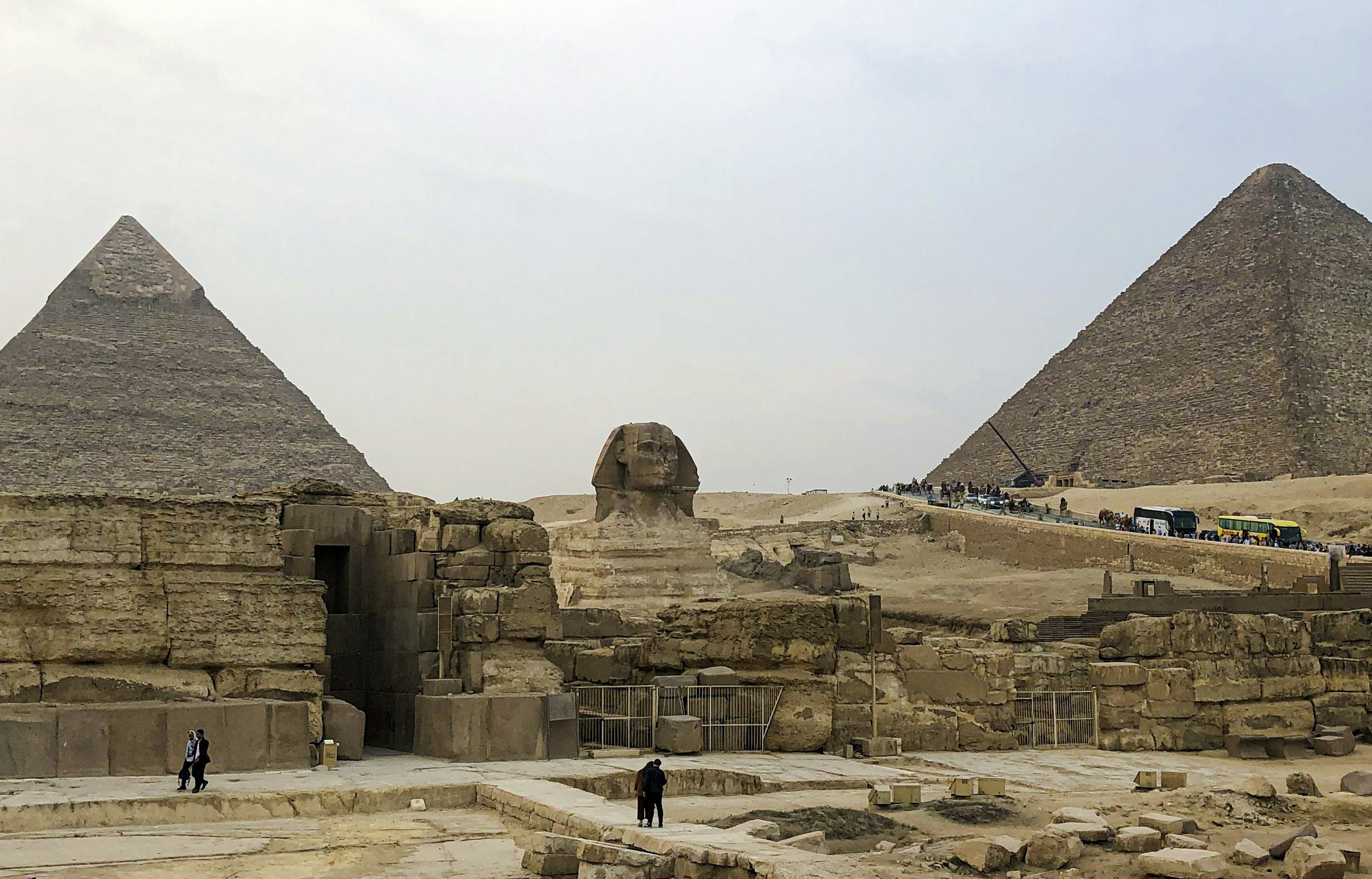
TL;DR: Essential Egypt Etiquette, Customs, and Cultural Dos and Don’ts
Egypt’s culture blends deep Islamic traditions, family values, and legendary hospitality, so respectful dress, polite greetings, and sensitivity around religion will take you a long way. Learn a few Arabic phrases, ask before taking photos, and avoid political or religious debates to stay on the right side of local etiquette.
Egypt is welcoming and used to visitors, but understanding basic Egypt culture, etiquette, and customs makes interactions smoother and more rewarding. As a rule of thumb: dress modestly, especially at mosques and Coptic churches; greet people politely; and show respect for religion and national pride. Cash is still widely used, but tipping (baksheesh) is a normal part of daily life, from hotel porters to Nile cruise staff.
When planning your trip, remember that Fridays are the main weekly prayer day, and Ramadan can affect opening hours, meal times, and alcohol availability. According to Egypt’s Ministry of Tourism and Antiquities, the country welcomed over 15 million visitors in 2023, with arrivals continuing to grow in 2024, so popular sites like the Giza Pyramids and Luxor temples can be busy in peak season.
For a smoother experience, consider handling connectivity and trip budgeting in advance. Using Hello’s eSIM data plans lets you arrive connected, book rides, and translate signs and menus without hunting for a local SIM, while Hello’s expense tracking helps you keep on top of tips, taxi fares, and sightseeing costs.
Greetings, Respect, and Everyday Egypt Etiquette for Travellers
Polite greetings, a warm smile, and a few Arabic words are the easiest way to show respect for Egypt etiquette and make local interactions feel genuinely friendly. A simple “Salam alaikum” and “shukran” will open more doors than perfect grammar ever could.
In everyday Egypt culture, greetings usually start with a verbal hello, then a handshake between men, often softer than Western styles. Between men and women, follow the local’s lead—some will offer a hand, others prefer a nod or spoken greeting only. A safe, universal phrase is “Salam alaikum” (peace be upon you), with the reply “Wa alaikum salam”.
Titles and age matter: addressing older people with “ustaz” (sir) or “ustaza” (madam) shows respect, and using “Doctor” or “Engineer” for professionals is common. Avoid overly familiar physical contact or loud behavior in public, especially in more conservative neighborhoods outside major tourist zones like Downtown Cairo or Hurghada.
Egyptian hospitality is genuine—if you’re offered tea or coffee in a shop or home, it’s polite to accept at least once. According to data cited by Egypt’s tourism authorities, over 60% of visitors head to Cairo and Giza first, where locals are used to tourists but still appreciate basic courtesy. In taxis or markets, keep conversations light; topics like family, food, and football are safe, while heated discussion of politics or religion is best avoided.
Hello’s expense-splitting features can be handy when sharing taxis and tips with friends, letting you log cash payments in Egyptian pounds and automatically convert them into your home currency.
Dress Codes and What to Wear in Egypt’s Cities, Temples, and Mosques
Modest, breathable clothing that covers shoulders and knees is the safest choice for Egypt, especially at religious sites where conservative dress codes are part of local customs and etiquette. You’ll stay comfortable in the heat while avoiding unwanted attention or being turned away at entrances.
In Cairo, Alexandria, and Luxor, you’ll see a mix of traditional and modern dress, but visitors who follow Egypt etiquette by dressing modestly blend in more easily. For men, lightweight trousers or long shorts, and short-sleeve shirts are fine; tank tops are better saved for resort pools. For women, loose trousers or midi/long skirts with tops that cover shoulders and cleavage work well; a light scarf is useful for extra coverage and sun protection.
At mosques such as the Al-Azhar Mosque in Cairo or the Mosque of Muhammad Ali in the Citadel, both men and women should cover shoulders and legs, and women should cover their hair; some mosques offer cover-ups, but bringing your own scarf is more practical. Coptic churches like the Hanging Church (Al-Muallaqa) have similar modesty expectations.
Beach resorts on the Red Sea (Sharm El Sheikh, Hurghada, Marsa Alam) are more relaxed, and swimwear is normal on private beaches and hotel pools, though covering up when walking through the hotel or town remains good practice. According to regional tourism data, Red Sea resorts account for a large share of Egypt’s leisure tourism nights, and visitors there often underestimate how quickly they’ll move between resort spaces and more conservative local areas.
Comfortable closed shoes are essential for sites like the Valley of the Kings, where paths can be rocky and dusty, and lightweight layers help you adapt from hot days to cooler evenings in the desert.
Photography, Religious Sensitivities, and Key Cultural Dos and Don’ts
Ask before photographing people, avoid sensitive sites like military or government buildings, and respect rules in museums and religious spaces—those three habits cover most of the critical photography dos and don’ts in Egypt customs. When in doubt, a polite question is always better than a quick snapshot.
Egypt is hugely photogenic, from the Giza Pyramids and Saqqara to Khan el-Khalili market, but some areas are strictly off-limits for cameras, including military checkpoints, police stations, and certain bridges or infrastructure. Local authorities have tightened rules over the past decade, and fines or confiscated memory cards are possible for ignoring signage or instructions.
When photographing people—especially women, children, or religious figures—always ask permission first, ideally with a simple “photo, ok?” and a smile. In more conservative areas of Upper Egypt, unsolicited photography can feel intrusive. Inside mosques and churches, some spaces allow photography and others don’t; signs, guards, or staff will usually indicate the rules.
There are also broader Egypt dos and donts worth noting:
- Do remove shoes where required (mosques, some homes).
- Don’t display affection publicly—hugging or kissing is best kept private.
- Do handle the Qur’an and religious items with care if offered.
- Don’t eat, drink, or smoke in public during daylight hours in Ramadan, especially outside tourist zones.
According to tourism data reported in 2024, Egypt’s key sites like Giza and Luxor handle millions of visitors annually, and authorities continue to refine site-specific rules to protect monuments and manage crowds. Checking local signs and respecting restrictions helps preserve both your trip and Egypt’s heritage for future travellers.
Business Etiquette, Gift-Giving Customs, and Navigating Social Invitations
Business in Egypt is relationship-driven, respectful, and often slower-paced than in Western cities, so patience, politeness, and small courtesies like appropriate gifts matter more than aggressive negotiation tactics. Expect meetings to begin with personal chat before getting down to work.
In Egyptian business culture, personal trust is crucial. Initial meetings often focus on rapport: asking about family, health, or recent holidays is normal, and jumping straight into contracts can feel abrupt. Punctuality is appreciated, especially in Cairo’s financial districts, but traffic is notoriously heavy, so leaving extra time is wise. According to local transport data reported in 2024, average commute times in Greater Cairo frequently exceed 45 minutes, which affects meeting schedules.
Dress codes in business settings are generally conservative: men typically wear long-sleeve shirts and trousers, with jackets for formal meetings; women should opt for smart outfits that cover shoulders and knees. Handshakes are standard, but as in social life, let women signal whether they wish to shake hands.
Gift-giving is subtle rather than lavish. When invited to a home, bringing chocolates, pastries, or a small item for the children is thoughtful. Avoid alcohol unless you know your hosts drink; many Egyptians abstain for religious reasons. In business, small, company-branded gifts or regional specialties are acceptable, while expensive items may feel uncomfortable.
If you’re splitting bills or tracking shared expenses from business dinners or group taxis, Hello’s multi-currency expense tracking and AI receipt scanning make it straightforward to log Egyptian pound receipts and convert them automatically—helpful when you’re both managing work costs and keeping your personal travel budget under control.
Local Holidays, Prayer Times, and How Egyptian Customs Affect Your Trip
Major Islamic holidays, Friday prayers, and Ramadan can significantly affect opening hours, meal times, and traffic, so understanding Egypt’s religious calendar is key to smooth travel planning and respectful behaviour. You’ll enjoy your trip more if you lean into the rhythm rather than fight it.
Egypt’s main weekly holy day is Friday, when many people attend the midday Jumu’ah prayer. Some offices close or operate reduced hours, and traffic around major mosques in Cairo and Alexandria can spike before and after prayers. Planning museum visits or pyramid tours for early morning or late afternoon on Fridays helps avoid congestion.
The most impactful period is Ramadan, which shifts about 10–11 days earlier each year. During Ramadan, many Egyptians fast from sunrise to sunset, and restaurants may open later in the day, with a vibrant evening and late-night atmosphere after the fast is broken at iftar. According to regional tourism statistics, visitor numbers during Ramadan often remain strong, but travellers notice shorter daytime hours and busier evenings in popular areas.
Two major public holidays follow Ramadan and the Hajj season: Eid al-Fitr and Eid al-Adha, both marked by family gatherings, prayers, and festive meals. Government offices, banks, and some businesses may close for several days, and internal travel (rail tickets from Cairo to Alexandria or Luxor, for example) can be busier and require advance booking.
To navigate changing hours, prayer times, and transport, reliable mobile data is invaluable. With an eSIM from Hello, you can arrive in Egypt already connected, check prayer timetables, book last-minute rides, and message guides on the go—see Hello eSIM for Egypt for current data plans and pricing.
Common Questions: Everyday Egypt Dos and Don’ts for Modern Travellers
Most travellers in Egypt only need a handful of practical dos and don’ts: dress modestly, greet politely, tip reasonably, and show extra respect around religion and photography. These simple rules align well with modern Egypt culture while keeping your trip relaxed and enjoyable.
Q: Is tipping required in Egypt, and how much should I give?
Tipping (baksheesh) is part of daily Egypt customs. For hotel porters, 20–40 EGP (around $0.65–1.30 in 2026) is standard; for restaurant staff, 10–15% is appreciated, sometimes on top of a built-in service charge. Tour drivers and guides may receive 100–200 EGP per day depending on service.
Q: Can I drink alcohol in Egypt?
Alcohol is available in many hotels, restaurants, and bars, especially in tourist areas, but public drunkenness is frowned upon, and some venues are dry for religious reasons. Availability can be more limited during Ramadan or in conservative neighbourhoods.
Q: How should I bargain in markets?
Bargaining is expected in souks like Khan el-Khalili. Start at around 30–50% of the first price offered and negotiate with smiles, not stress. Walk away politely if the price isn’t right—being rude is a clear “don’t” in Egypt etiquette.
Q: Is Egypt safe for solo travellers and women?
Popular tourist areas see millions of visitors each year, and most trips are trouble-free. According to recent tourism and security updates, petty theft and scams are more common than serious crime. Dressing modestly, using registered taxis or ride-hailing apps, and staying aware in crowded areas are sensible precautions.
To keep track of shared tips, market purchases, and group meals, Hello’s expense splitting lets friends log costs in any currency, automatically converting Egyptian pounds, which saves time and keeps your travel budget transparent.
Explore These Destinations
Stay Connected
Book this trip
Compare options on trusted travel sites
Plan activities for this trip
Continue to a reviewed booking partner to check schedules, inclusions, and terms.

Make the most of Egypt
From eSIM connectivity to expense tracking, Hello is the all-in-one companion that keeps your trip stress-free.
Related Articles
Egypt Currency & Money Guide: Exchange, Cards, and Tips
Currency exchange, credit card acceptance, ATM tips, tipping culture, and money-saving advice for Egypt.
26 July 2026
Egypt Safety Guide: Tips for a Safe Trip
Safety tips, health advisories, emergency contacts, common scams, and travel insurance advice for Egypt.
17 July 2026
Egypt Visa & Entry Requirements for Singapore Passport Holders
Visa requirements, passport validity, customs allowances, and entry tips for Singapore citizens travelling to Egypt.
8 July 2026