Egypt Currency & Money Guide: Exchange, Cards, and Tips
Currency exchange, credit card acceptance, ATM tips, tipping culture, and money-saving advice for Egypt.
By Hello Travel Team
Egypt Currency and Money Tips: TL;DR
Egypt uses the Egyptian pound (EGP), and cash is still essential even though cards work at international hotels, malls, upscale restaurants, major museums, and many pre-booked tours. As a live October 2026 reference, 1 Singapore dollar was approximately 42.66 EGP; rates fluctuate, so check your card issuer or a live converter before exchanging. Use bank-branded ATMs, decline dynamic currency conversion, and keep small notes ready for baksheesh, Egypt’s everyday tipping custom. For a smoother trip through Egypt, track spending in the Hello app, which converts expenses automatically across currencies and can split costs with travel companions.
Egypt Currency and the Egypt Exchange Rate from SGD
The Egyptian pound (EGP) is the currency used throughout Egypt, and Singapore travellers should generally pay in EGP rather than accepting a merchant’s conversion to Singapore dollars or US dollars. On 21 October 2026, a published mid-market reference showed approximately S$1 = EGP42.66, or EGP100 = about S$2.34; treat this as an indication rather than a guaranteed cash, card, or bank rate. Egypt’s exchange rate can move quickly, so check the rate immediately before departure and again when withdrawing money.
Egyptian notes commonly include EGP10, EGP20, EGP50, EGP100 and EGP200 denominations. Large notes can be inconvenient at taxis, small cafés and market stalls, so break them at supermarkets, hotels or busy shops. Avoid exchanging a large amount at the airport unless necessary for transport. Compare the final amount received after commission, and count cash discreetly before leaving the counter.
The Hello app is useful for recording prices in EGP while keeping your trip budget in SGD. Its automatic multi-currency conversion makes it easier to understand whether a EGP2,000 dinner, museum visit or taxi ride is still within your planned budget.
Where to Exchange Money and How to Use ATMs in Egypt
The safest Egypt money strategy is to withdraw Egyptian pounds from a bank ATM in a city or established tourist area, then exchange only a modest amount through a licensed bank or exchange office when needed. Bank-branded machines from CIB, National Bank of Egypt, Banque Misr, QNB or HSBC are preferable to unfamiliar standalone ATMs in tourist alleys.
ATMs are widely available in Cairo, Giza, Luxor, Aswan, Hurghada and Sharm El Sheikh, but access becomes less predictable in rural areas, on desert excursions and aboard Nile cruises. Airport ATMs at Cairo International Airport are practical on arrival, although carrying a backup card and some emergency cash is sensible. Published travel guidance reports typical withdrawal limits of roughly EGP5,000–10,000 per transaction, while local ATM fees can range from about EGP50–100; independent machines may charge more. Your Singapore bank may add an international withdrawal fee.
When prompted, choose to be charged in EGP, not SGD. Dynamic currency conversion usually uses a less favourable rate and can add an extra margin. Withdraw during daylight, cover the keypad, and retain your receipt until the transaction appears correctly in your banking app.
Credit Cards, Contactless Payments and Digital Wallets in Egypt
Cards are convenient in Egypt’s formal tourist economy but cannot replace cash: Visa and Mastercard are commonly accepted at international hotels, shopping malls, upscale restaurants, airline offices, modern museums and larger tour operators, while taxis, souks, street food, small shops and tips are usually cash-only.
Contactless payment may work at newer terminals, particularly in chain hotels, malls and high-end restaurants, but acceptance is inconsistent. Carry the physical card and know your PIN because some terminals require chip-and-PIN or may reject a foreign contactless transaction. American Express acceptance is more limited than Visa or Mastercard. Before paying, check whether the bill includes a service charge and tax, and ask whether the terminal will charge in EGP.
Do not assume international digital wallets will work everywhere. Local merchants may use domestic bank apps or QR systems, but WeChat Pay and PayPay are not dependable general-purpose payment methods for visitors in Egypt. Keep two cards stored separately, notify your bank about travel if required, and use a no-foreign-transaction-fee card when possible. Hello’s expense-splitting feature can divide a shared hotel bill, Nile cruise or group meal while automatically converting each person’s contribution into the chosen currency.
Egypt Tipping Culture: Baksheesh Amounts and Customs
Egypt tipping is known locally as baksheesh, and small cash gratuities are customary for many everyday services; carry EGP10, EGP20 and EGP50 notes rather than relying on cards. Tipping is appreciation for assistance, but travellers should confirm the price first and avoid feeling pressured into paying for unsolicited services.
As a practical 2026 guide, consider these approximate amounts:
| Service | Typical amount |
|---|---|
| Restroom attendant or small assistance | EGP10–20 |
| Hotel porter | EGP20–50 per bag |
| Housekeeping | EGP30–50 per day |
| Restaurant server | 5–10% if service is not included |
| Private guide | EGP200–400 per person for a full day |
| Driver | EGP100–150 per day for a private tour |
Check restaurant bills carefully: service charges and taxes may already be added, but a small additional tip is still welcomed when service was good. Tip guides and drivers at the end of the day or tour, preferably in Egyptian pounds. For taxis, round up or agree on the fare before departure; do not hand over a large note expecting automatic change.
Common Egypt Money Scams and Ways to Avoid Them
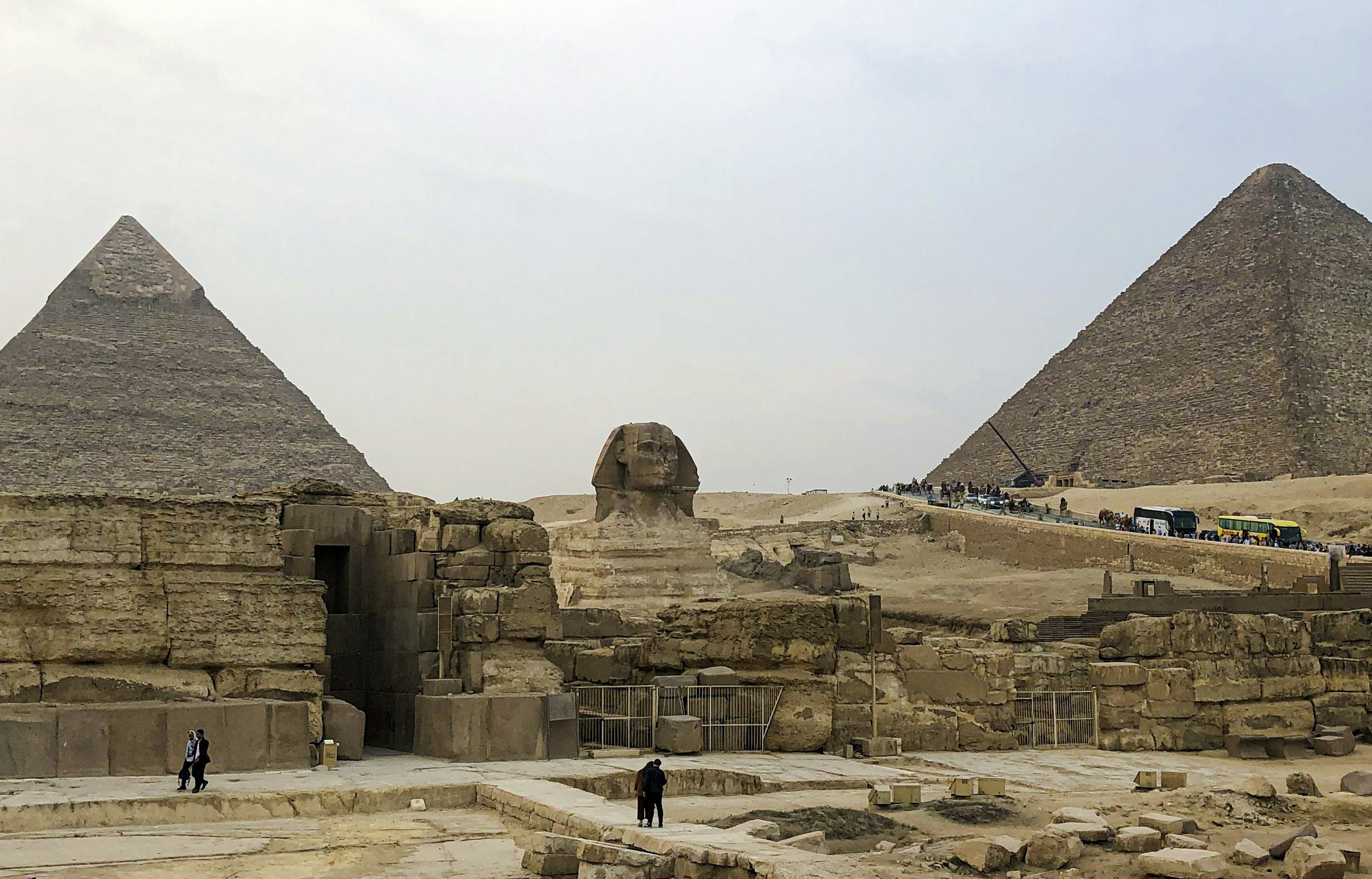
The most common money problems in Egypt involve unclear prices, unwanted assistance, poor change and unfavourable currency conversion, so agree on costs before accepting a service and count every note carefully. At attractions such as the Giza Plateau, vendors or unofficial helpers may offer photographs, directions or camel assistance and then demand a large tip. Politely decline, or negotiate the complete price in advance.
Use these habits to protect your budget:
- Confirm whether a quoted price is in EGP, US dollars or another currency.
- Pay in EGP unless a reputable business clearly displays another price.
- Count change aloud and avoid handing over a large note when a smaller one is available.
- Check restaurant menus and bills for service charges, taxes and extra bottled water.
- Agree on taxi fares before riding, or use a reputable booked transfer.
- Keep your wallet, phone and spare cards in separate places in crowded souks and transport hubs.
- Refuse ATM conversion to SGD and let your bank perform the conversion.
If someone claims a note is invalid, ask for it back and request a supervisor or move to a bank or established shop. A photo of your passport and card issuer’s emergency number can simplify recovery if your wallet is lost.
How Much Money to Budget for Egypt and Common Questions
A realistic Egypt budget depends on travel style, but cash needs are highest for local transport, tips, markets and small meals; many travellers can use cards for hotels and major bookings while carrying the equivalent of roughly EGP500–1,000 per person for a normal day of incidental spending. Prices vary sharply between tourist districts and local neighbourhoods.
A casual meal may cost around EGP150–400, a bottled water EGP15–40, and a short city taxi ride often EGP100–250 depending on distance, traffic and negotiation. These are planning estimates for 2026, not fixed tariffs. Build extra room for attraction tickets, guides, cruise excursions and repeated small tips.
Should I bring Singapore dollars to Egypt? Bring a small emergency reserve, but do not rely on SGD cash for daily spending. Exchange through licensed banks or exchange offices and compare the amount received.
Is Egypt cashless? No. Cards are increasingly useful in formal businesses, but markets, taxis, street food, small shops and tips still require EGP cash.
How much should I withdraw? Withdraw enough for one or two days, then replenish at a reputable bank ATM rather than carrying your entire trip budget.
How can I stay within budget? Record every expense immediately in Hello using receipt scanning, voice entry or manual input. Hello’s AI categorisation and automatic exchange-rate conversion help reveal how much transport, food and tips are costing in SGD. For connectivity on arrival, consider Hello eSIM for Egypt, which lets you activate mobile data before landing and keep maps, banking and expense tracking available.
Explore These Destinations
Stay Connected
Track your Egypt trip budget
Split expenses with friends, track spending by category, and see real-time currency conversions — all in one app.
Related Articles
Egypt Safety Guide: Tips for a Safe Trip
Safety tips, health advisories, emergency contacts, common scams, and travel insurance advice for Egypt.
17 July 2026
Egypt Visa & Entry Requirements for Singapore Passport Holders
Visa requirements, passport validity, customs allowances, and entry tips for Singapore citizens travelling to Egypt.
8 July 2026
eSIM for Egypt: Best Plans, Coverage, and Setup Tips
Everything you need to know about using eSIM in Egypt. Best data plans, network coverage, and setup instructions.
29 June 2026