Egypt Safety Guide: Tips for a Safe Trip
Safety tips, health advisories, emergency contacts, common scams, and travel insurance advice for Egypt.
By Hello Travel Team
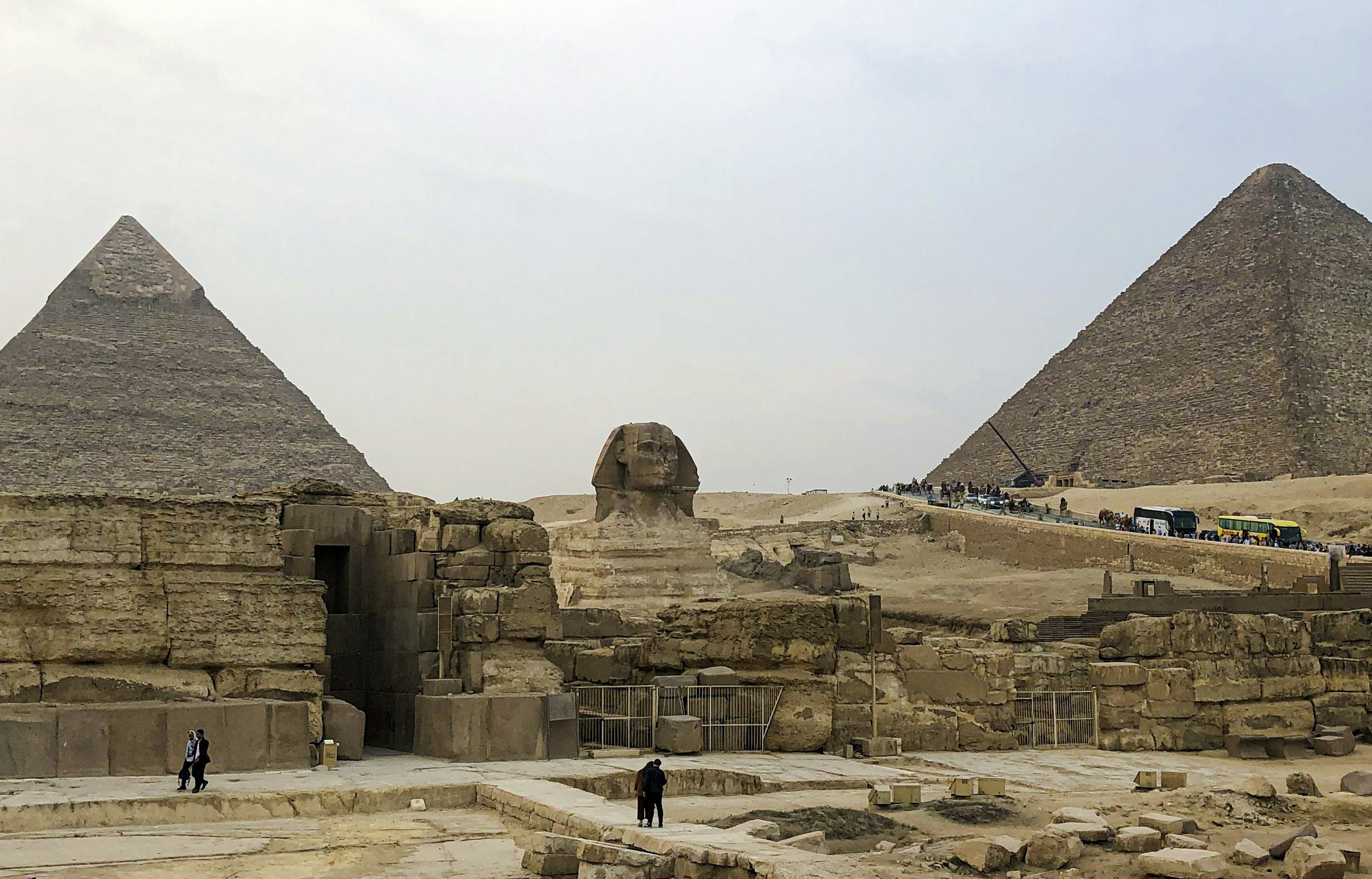
Egypt Safety Guide TL;DR: Is Egypt Safe for Travellers?
Egypt is generally visitable for tourists who use sensible precautions, stay in established tourist areas, and follow current government travel advice, but it is not risk-free. Official advisories recommend increased caution because of terrorism, crime, health limitations, and heightened risks in parts of Sinai, the Western Desert, and border regions. For most visitors, Cairo, Giza, Luxor, Aswan, Hurghada, Sharm El-Sheikh, and organised Nile cruises are manageable with planning. Keep valuables discreet, use reputable transport and guides, avoid demonstrations, drink treated water, and buy comprehensive travel insurance. Save Egypt emergency numbers—police 122, ambulance 123, fire 180, and tourist police 126—before departure. Singaporeans should also register their trip with Singapore’s Ministry of Foreign Affairs and save the Singapore Embassy in Cairo’s emergency contact.
Egypt Travel Safety: Areas, Transport, and Everyday Precautions
The safest Egypt travel plan focuses on recognised tourist routes, licensed operators, and current local advice rather than independent travel into remote or restricted areas. The U.S. State Department advises against travel to Northern and Middle Sinai, much of the Western Desert unless using a professionally licensed tour company, and Egyptian border zones because of terrorism, military restrictions, and limited emergency services. Check your government’s advisory shortly before travelling, as regional conditions can change.
In Cairo, use app-based or hotel-arranged taxis, agree on fares before entering an informal taxi, and allow extra time for traffic. On overnight trains, Nile cruises, and intercity buses, keep passports, phones, and wallets secure. Do not photograph military sites, police facilities, bridges, ports, airports, or demonstrations. Dress modestly near mosques and conservative neighbourhoods, and ask before photographing people—especially children.
Avoid walking alone in poorly lit areas after dark, particularly around quiet parts of central Cairo, transport hubs, and isolated desert sites. Carry a photocopy of your passport and keep the original in a hotel safe when practical. Hello’s trip-planning and budget tools can help organise trusted transfers and monitor spending in Egyptian pounds and your home currency.
Egypt Scams and How to Avoid Common Tourist Traps
Most Egypt scams are opportunistic and avoidable: confirm prices in advance, use official ticket counters, and politely refuse unsolicited help. Around the Pyramids of Giza, Khan el-Khalili, temples, and train stations, visitors may encounter inflated prices, persistent touts, fake guides, pressured camel or horse rides, and claims that a site is closed. A friendly approach is not automatically a problem, but never hand over your phone, passport, bank card, or cash to a stranger.
Common situations include:
- Taxi overcharging: use a reputable ride service or have hotel staff arrange the car; confirm whether the price is per vehicle or passenger.
- “Free” gifts: souvenirs or photographs may later attract a large payment. Say no clearly and keep walking.
- Ticket confusion: buy entry tickets only at official counters or through your licensed tour operator.
- Card and currency tricks: check the amount on the terminal, count change, and carry small Egyptian-pound notes.
- Camel and carriage disputes: agree on duration, route, total price, and whether tips are included before starting.
At markets, bargaining is normal, but do not bargain unless prepared to buy. Keep valuables in a zipped cross-body bag, avoid displaying large amounts of cash, and use hotel safes. Hello’s AI receipt scanning and multi-currency expense tracking can record purchases and split shared costs without relying on handwritten calculations.
Egypt Emergency Numbers, Singapore Embassy Support, and Connectivity
Save Egypt emergency numbers before landing because emergency response can be slower outside major cities and advanced medical facilities may be limited. The commonly published numbers are police 122, ambulance 123, fire services 180, tourist police 126, and traffic police 128. Ask your hotel or guide to call as well if there is a serious incident, and request the incident number where possible.
| Service | Egypt number | Practical note |
|---|---|---|
| Police | 122 | Use for theft, assault, or immediate danger |
| Ambulance | 123 | Response and equipment may vary outside major cities |
| Fire | 180 | State your exact address or hotel name |
| Tourist police | 126 | Useful for tourist-related complaints |
| Traffic police | 128 | Road accidents and traffic incidents |
Singaporeans can contact the Singapore Embassy in Cairo at 40 Adnan Omar Sedky Street, Dokki, Cairo. Singapore MFA has published the embassy emergency number as +20 19 8064130, with embassy telephone lines including +20 2 3749 0468 and +20 2 3749 5045; verify contacts on the embassy website before departure. Keep a working phone connection for maps, translation, ride bookings, and emergency calls. Travellers can activate an Hello eSIM for Egypt before departure and arrive with data available for essential logistics.
Egypt Health Advice: Vaccinations, Food, Water, and Heat
Good preparation prevents the most common Egypt health problems: dehydration, stomach illness, heat exhaustion, and mosquito bites. The CDC recommends that travellers be up to date with routine vaccinations and specifically recommends hepatitis A for unvaccinated travellers visiting Egypt; discuss typhoid, polio, hepatitis B, influenza, COVID-19, and personal medication needs with a travel-health clinician. Arrange advice at least four to eight weeks before departure when possible. Egypt has no general yellow-fever transmission risk, but proof of vaccination may be required when arriving from a country with yellow-fever risk.
Drink sealed bottled water or properly treated water, including when brushing your teeth if unsure about local supplies. Avoid ice unless you know it was made with safe water, and choose freshly cooked food from busy, hygienic restaurants. Wash hands regularly and carry oral rehydration salts. Do not swim in the Nile or canals; untreated water can expose travellers to infections including schistosomiasis. Red Sea and Mediterranean swimming areas are preferable, but follow beach flags and local lifeguard advice.
Cairo, Luxor, and Aswan can be intensely hot. Schedule outdoor sightseeing early, wear breathable clothing and a hat, apply sunscreen, and carry water. Travel insurance should cover medical treatment, hospital admission, evacuation, pre-existing conditions, and activities such as diving or desert excursions.
Solo Female, LGBTQ+ Traveller, and Cultural Safety in Egypt
Solo women can travel through Egypt, but extra planning reduces unwanted attention: choose reputable accommodation, arrange airport transfers, share daily plans, and use women-only train carriages where available. Dress conservatively outside beach resorts—cover shoulders and knees near religious sites—and carry a lightweight scarf. Persistent comments, touching, photography, and unofficial guiding can occur; move toward families, hotel staff, security personnel, or a busy shop and make a clear request for help.
Avoid accepting drinks from strangers, do not disclose your hotel room number, and consider sitting near families or women on public transport. For desert trips, diving, hot-air balloons, and remote archaeological sites, use licensed operators with safety records and avoid going alone.
LGBTQ+ travellers should understand that Egypt is socially conservative and that same-sex relationships are not openly accepted. Public displays of affection may attract attention, and authorities have used broad morality or cybercrime provisions against LGBTQ+ people. Keep dating-app profiles private, avoid discussing sexual orientation with strangers, use discretion in public, and seek specialist advice before travel if concerned. These precautions are about reducing exposure in a restrictive environment, not concealing anyone’s identity. Travel insurance should include emergency assistance, and a trusted contact should hold copies of key documents.
Common Questions About Is Egypt Safe?
Is Egypt safe for tourists in 2026? Egypt is a major tourism destination, but official advisories recommend increased caution. Stay on established routes, avoid restricted regions, monitor current advisories, and use licensed guides and transport.
Is Cairo safe at night? Busy central areas can be active, but avoid quiet streets and solo walking after dark. Use a hotel-arranged car or reputable ride service, especially after visiting restaurants or entertainment venues.
Can I drink tap water in Egypt? Water quality varies. Sealed bottled or treated water is the safer choice, including for brushing teeth when uncertain. Avoid Nile and canal water.
What are Egypt’s emergency numbers? Police is 122, ambulance 123, fire 180, tourist police 126, and traffic police 128. Save them offline and ask local accommodation staff to assist.
Do I need travel insurance for Egypt? Yes. Choose a policy covering medical expenses, evacuation, cancellation, lost baggage, theft, and planned activities. Confirm that scuba diving, desert excursions, hot-air ballooning, and pre-existing conditions are covered.
How can I stay connected? An eSIM from Hello can be purchased and activated before departure, helping with maps, translation, ride bookings, hotel communication, and emergency calls. The Hello app also supports trip planning, expense splitting, AI receipt scanning, and multi-currency budget tracking.
Explore These Destinations
Stay Connected
Ready for Egypt?
eSIM data, expense splitting, budget tracking, and more. Everything you need for a smooth trip in one app.
Related Articles
Egypt Currency & Money Guide: Exchange, Cards, and Tips
Currency exchange, credit card acceptance, ATM tips, tipping culture, and money-saving advice for Egypt.
26 July 2026
Egypt Visa & Entry Requirements for Singapore Passport Holders
Visa requirements, passport validity, customs allowances, and entry tips for Singapore citizens travelling to Egypt.
8 July 2026
eSIM for Egypt: Best Plans, Coverage, and Setup Tips
Everything you need to know about using eSIM in Egypt. Best data plans, network coverage, and setup instructions.
29 June 2026