Bosnia and Herzegovina Food Guide: Must-Try Dishes, Prices, and Tips
Best local dishes, street food, restaurant prices, dietary options, and food safety tips for Bosnia and Herzegovina.
By Hello Travel Team
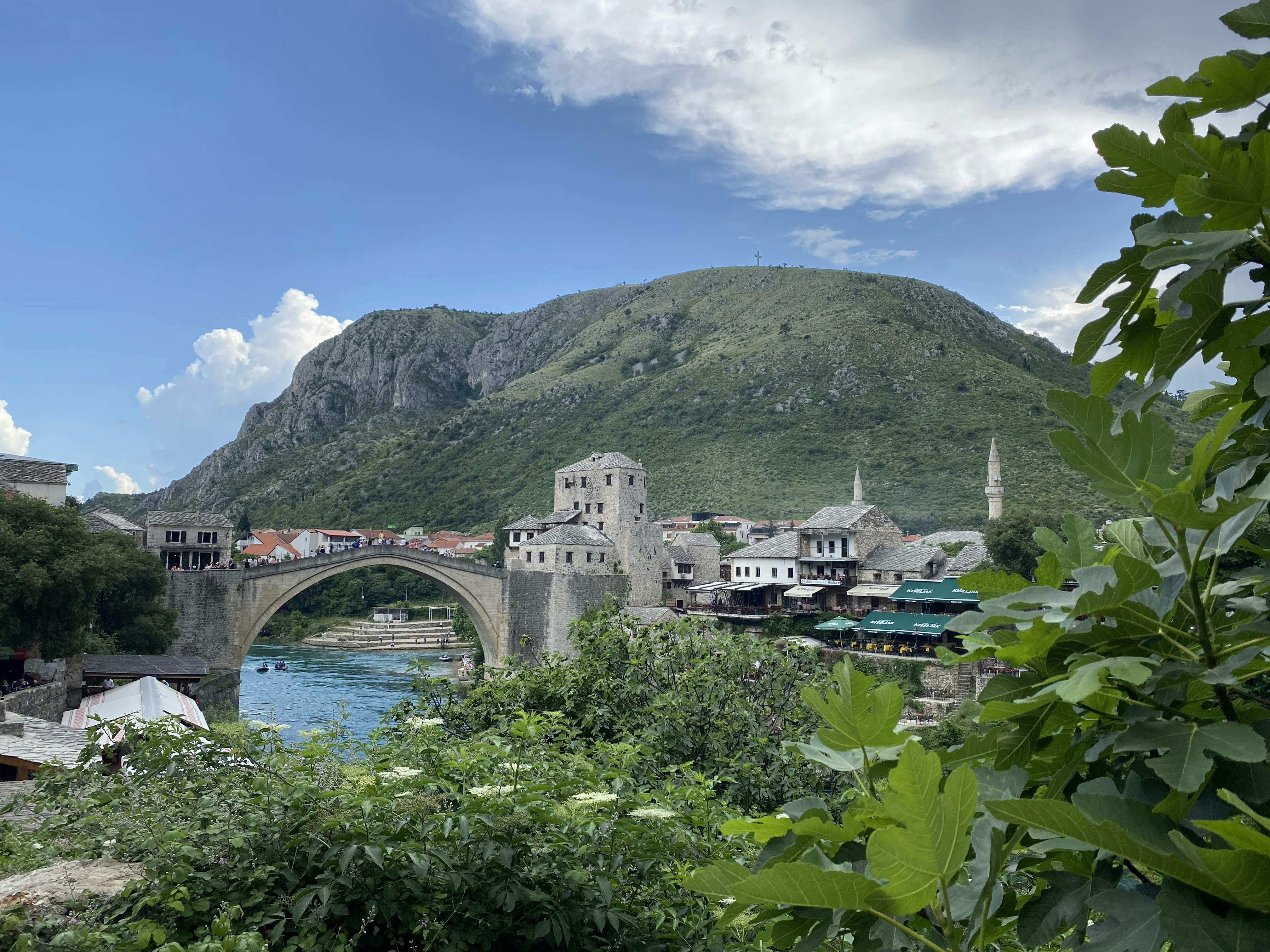
TL;DR: Bosnia and Herzegovina Food Guide in One Glance
Bosnia and Herzegovina is a budget-friendly, meat-forward destination where you can feast on ćevapi, burek, and Bosnian coffee for around 15–25 BAM ($8–14) per day in 2026 if you stick to local bakeries, street grills, and simple restaurants.
If you’re planning what to eat in Bosnia and Herzegovina, think smoky meats, flaky pies, and strong coffee served slowly. Street food is incredibly affordable, sit‑down meals are still good value, and vegetarians will find options with a bit of planning. A typical casual meal with a drink runs 10–18 BAM ($5.50–10) in 2026, while a nicer dinner in Sarajevo or Mostar is closer to 25–40 BAM ($14–22) per person.
Food hygiene standards are generally solid in tourist areas, though tap water safety varies by region and older infrastructure. You’ll pay cash for most small bites, while mid‑range restaurants increasingly accept cards. To keep your food budget on track, the Hello app’s AI receipt scanning makes it easy to log every pita, coffee, and ice cream in Bosnian marks and auto-convert to your home currency.
Use this Bosnia and Herzegovina food guide to mix must‑try classics with lighter and halal‑friendly dishes, compare street food vs restaurant prices, and learn how much to tip and what to watch for if you have dietary restrictions.
Must-Try Bosnia and Herzegovina Food: Classics You Shouldn’t Miss
The must‑try food in Bosnia and Herzegovina centers on grilled meats, flaky pies, and slow‑cooked stews, with iconic dishes like ćevapi, burek, dolma, and Bosnian coffee forming the backbone of most traditional meals.
If you only remember a few names for your Bosnia and Herzegovina food guide, make it these: ćevapi (hand‑rolled grilled minced meat sausages in somun bread), burek/pita (layers of phyllo pastry stuffed with meat, cheese, spinach, or potatoes), begova čorba (rich chicken and okra soup), and sogan-dolma (onions stuffed with seasoned meat and rice). In Sarajevo, Banja Luka, and Mostar, ćevabdžinica grill houses serve heaping plates of ćevapi with onions and kaymak for around 8–12 BAM ($4.50–6.50) in 2026.
Sweet tooth? Look for tufahija (poached apples with walnuts and cream), baklava with a local twist, and hurmašice syrup cakes in old town pastry shops. Dessert and coffee combos typically cost 5–9 BAM ($2.75–5) in 2026, making café‑hopping an easy indulgence.
Bosnian cuisine is strongly influenced by Ottoman and Mediterranean traditions, so you’ll see many dishes that resemble those in Turkey or Greece, but with local twists like thicker somun bread and heartier portions. As tourism grows—Bosnia and Herzegovina welcomed about 1.7 million tourist arrivals in 2023 according to the national statistics agency—restaurants increasingly offer English menus, making it easier to dive into local specialties without guesswork.
Street Food vs Restaurants: What to Eat and How Much It Costs
Street food in Bosnia and Herzegovina is the cheapest and most authentic way to eat, while casual restaurants add comfort and atmosphere for only a modest price increase, especially outside the busiest tourist zones.
Around Sarajevo’s Baščaršija and Mostar’s Old Bridge area, street food is king: small ćevap grills, burek bakeries, and pastry shops offer filling portions for under 10 BAM ($5.50) in 2026. A warm spiral burek from a pekara (bakery) is usually 3–6 BAM ($1.75–3.25), while a slice of pizza or simple sandwich runs 4–7 BAM ($2.25–4). At these prices, a “street‑food day” staying mobile between sights can easily stay under 20 BAM ($11) per person.
Sit‑down restaurants—kafanas, traditional eateries, or modern bistros—generally charge 12–20 BAM ($6.50–11) for a main dish such as grilled meat platters, stuffed vegetables, or trout from local rivers. Add drinks and a shared dessert and most travellers spend 25–40 BAM ($14–22) per dinner in 2026 in the main cities, with slightly lower prices in smaller towns.
Here’s a quick comparison of typical 2026 prices:
| Type of meal | Street food (BAM) | Restaurant (BAM) |
|---|---|---|
| Quick lunch (burek or ćevapi) | 6–10 | 12–18 |
| Coffee + dessert | 4–8 | 7–12 |
| Full dinner with drink | 18–22 | 25–40 |
To track what you’re actually spending in Bosnia and Herzegovina, the Hello app lets you scan paper receipts with AI, categorize them automatically, and see your daily food spend in BAM alongside your home currency—especially useful when hopping between local street food and sit‑down meals.
Dietary Options and Halal, Vegetarian, Vegan Food in Bosnia and Herzegovina
Bosnia and Herzegovina is meat-heavy but surprisingly flexible, with halal, vegetarian, and some vegan food options available in major cities if you know what to look for and how to read the menu.
Because a significant portion of the population is Muslim—official estimates put the share at around 50%—halal‑friendly food is quite accessible, particularly in Sarajevo and other majority-Bosniak areas. Many ćevapi and grilled meat restaurants around Baščaršija use halal meat, and some explicitly mark “halal” on signage or menus; still, it’s smart to ask staff directly if certification matters to you. In Mostar’s old town, several restaurants cater to visitors from Turkey and the Gulf, so you’ll find halal grilled dishes and mixed platters without much effort.
Vegetarian travellers will fare best by focusing on pita/burek with cheese or spinach, grah (bean soup), vegetable stews, salads with local cheese, and polenta or pasta in modern cafés. Vegan options are rarer but possible: look for spinach burek without cheese, grilled vegetables, bean dishes cooked without meat, and dairy‑free salads—often easier to find in trendy Sarajevo neighborhoods like Čengić Vila and newer Mostar cafés.
When planning what to eat in Bosnia and Herzegovina with dietary restrictions, learn a few key phrases (“bez mesa” for “without meat,” “bez mlijeka” for “without milk”) and check ingredients for hidden animal fats. The Hello app’s multi‑currency expense tracking lets you tag expenses by category (e.g., “vegan,” “halal”) so you can remember which spots worked for your specific needs.
Food Safety, Hygiene, and Practical Eating Tips in Bosnia and Herzegovina
Food safety in Bosnia and Herzegovina is generally good in tourist areas, but you should still stick to busy places, watch summer heat, and be mindful of tap water and raw foods, especially outside major cities.
In Sarajevo, Mostar, and Banja Luka, reputable restaurants and popular street food stalls maintain reasonable hygiene standards, and outbreaks involving tourists are rare. According to European health and food safety reports, Bosnia and Herzegovina has been gradually aligning with EU food safety regulations, especially in urban centers, though rural enforcement can be uneven. You’ll see food stored in display cases, grills cleaned regularly, and hand‑washing facilities in most sit‑down establishments.
Practical tips:
- Choose busy bakeries and ćevap grills where food turnover is high.
- In hot summers, avoid dairy‑heavy items that have been sitting out, and be cautious with mayonnaise-based salads.
- Tap water in many cities is drinkable, but older pipes and local issues mean some travellers prefer bottled water—especially if they have a sensitive stomach.
- Ice cream stands are common; look for covered containers and clear price lists, usually 1.50–2.50 BAM ($0.80–1.40) per scoop in 2026.
To keep your Bosnia and Herzegovina food guide practical: carry small notes (5–20 BAM) for street food, check card acceptance before ordering big meals, and log your spending in the Hello app. With AI receipt scanning and automatic currency conversion, you can watch your daily food costs and avoid budget shocks at the end of your trip.
Staying Connected, Food Delivery Apps, and Tracking Your Dining Budget
Staying connected in Bosnia and Herzegovina makes ordering food delivery, checking reviews, and tracking your dining budget much easier, especially if you rely on local apps and cash-heavy street food.
Local food delivery platforms operate mainly in Sarajevo, Banja Luka, and a handful of other cities, and they’ve grown alongside tourism and urban life. According to regional tech reports, app‑based delivery in the Western Balkans has grown steadily since 2020, driven by younger locals and international visitors. In Bosnia and Herzegovina, you’ll find country‑specific apps plus restaurant‑direct delivery for pizza, burgers, and traditional food—often with in‑app menus translated into English.
To use these comfortably, you’ll want reliable mobile data. An eSIM from Hello gives you instant connectivity when you land, so you can navigate to that hidden ćevap grill, check Google Maps reviews for burek shops, and access local delivery apps without hunting for SIM stores. You can purchase and activate your Hello eSIM for Bosnia and Herzegovina before departure and arrive online from the moment you step off the plane.
For budgeting, Bosnia and Herzegovina remains very affordable compared with much of Europe—World Bank data shows the country’s GDP per capita and price levels significantly below EU averages—so many travellers set a daily food budget around 20–30 BAM ($11–17) in 2026. The Hello app’s AI receipt scanning, voice expense entry, and multi‑currency tracking mean you can instantly log every meal, split restaurant bills with friends in different currencies, and see whether you’re under or over your planned food spending.
Common Questions: What to Eat, How Much It Costs, and Tipping in Bosnia and Herzegovina
Travellers most often ask what food to try, how much meals cost, and whether tipping is expected in Bosnia and Herzegovina; the short answer is: eat ćevapi and burek, budget 20–30 BAM ($11–17) per day for food, and tip modestly at sit‑down restaurants.
Q: What are the must‑try foods in Bosnia and Herzegovina?
A: Focus on ćevapi with somun, meat or cheese burek, begova čorba, sogan-dolma, and traditional sweets like baklava and tufahija. In Sarajevo and Mostar you’ll find these everywhere, especially around the old towns and riverside promenades.
Q: How much does food cost in 2026?
A: A basic street‑food lunch (burek or ćevapi) is usually 6–10 BAM ($3.50–5.50). Café coffee is 2–4 BAM ($1.10–2.20), and a mid‑range dinner with a drink runs 25–40 BAM ($14–22). Many travellers report daily food spending of 20–30 BAM if they mix street food and simple restaurants.
Q: Is Bosnia and Herzegovina vegetarian or vegan friendly?
A: It’s primarily meat‑focused, but vegetarians can rely on cheese or spinach pies, bean soups, salads, and modern cafés. Vegans need more planning but can find some options in Sarajevo and tourist hubs.
Q: Do you need to tip?
A: Tipping is appreciated but not obligatory. In restaurants, locals often round up the bill or leave about 10%. In cafés and for street food, rounding to the nearest mark is enough.
Use the Hello app to log each meal in BAM with AI receipt scanning so you can see, day by day, whether Bosnia and Herzegovina is as budget‑friendly for you as the averages suggest.
Explore These Destinations
Stay Connected
🇧🇦 eSIM Plans for Bosnia and Herzegovina
Make the most of Bosnia and Herzegovina
From eSIM connectivity to expense tracking, Hello is the all-in-one companion that keeps your trip stress-free.
Related Articles
Bosnia and Herzegovina Currency & Money Guide: Exchange, Cards, and Tips
Currency exchange, credit card acceptance, ATM tips, tipping culture, and money-saving advice for Bosnia and Herzegovina.
24 July 2026
Bosnia and Herzegovina Safety Guide: Tips for a Safe Trip
Safety tips, health advisories, emergency contacts, common scams, and travel insurance advice for Bosnia and Herzegovina.
16 July 2026
Bosnia and Herzegovina Visa & Entry Requirements for Singapore Passport Holders
Visa requirements, passport validity, customs allowances, and entry tips for Singapore citizens travelling to Bosnia and Herzegovina.
7 July 2026