Zimbabwe
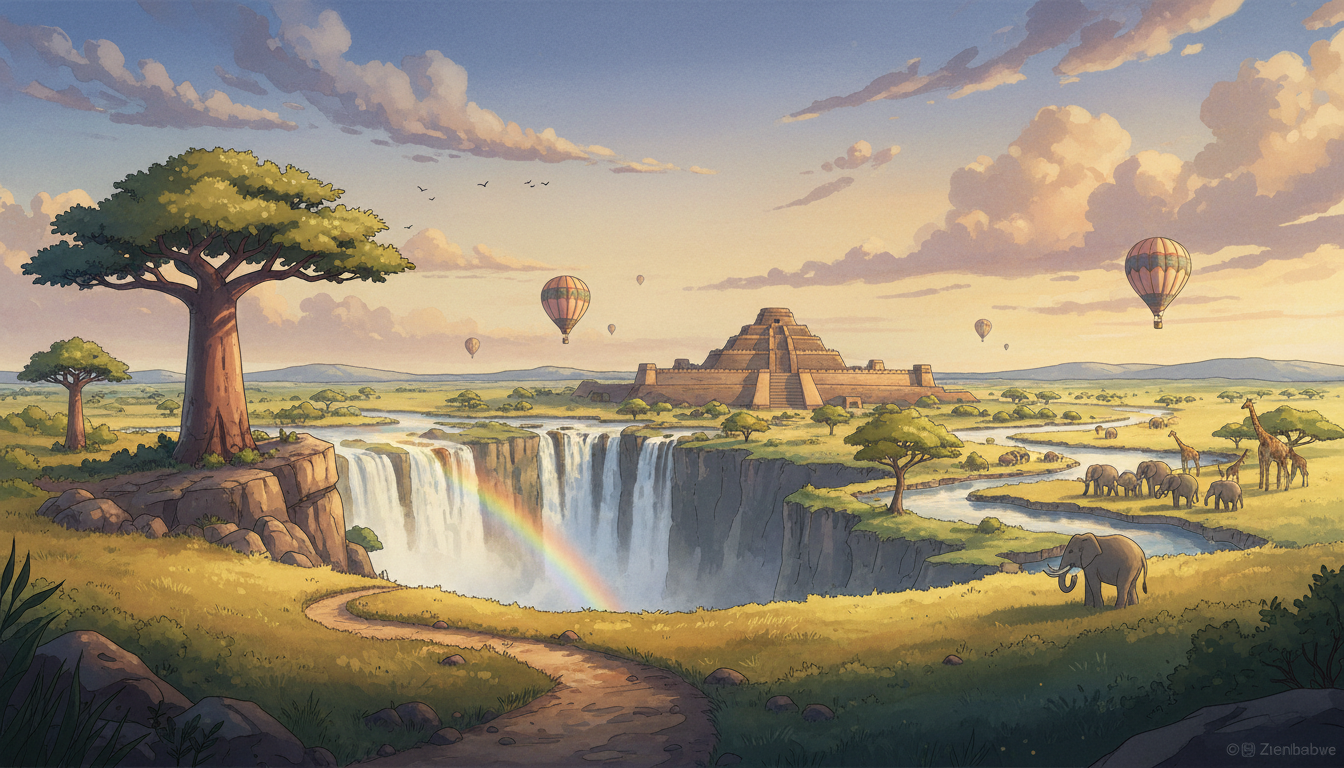
Discover Victoria Falls, wildlife safaris, and ancient ruins in Zimbabwe
Daily Budget Guide
| Category | Budget | Mid-Range | Luxury |
|---|---|---|---|
| Stay | ZWL 8,000 | ZWL 30,000 | ZWL 150,000 |
| Food | ZWL 5,000 | ZWL 15,000 | ZWL 50,000 |
| Transport | ZWL 6,000 | ZWL 15,000 | ZWL 50,000 |
| Activities | ZWL 6,000 | ZWL 15,000 | ZWL 50,000 |
| Daily Total | ZWL 25,000 | ZWL 75,000 | ZWL 300,000 |
Tipping: Tipping is appreciated for good service in restaurants (10%) and for guides/drivers. Cash in USD or ZWL is preferred.
Stay Connected in Zimbabwe
Coverage
5G Available
Airport WiFi
Recommended Data
eSIM tip: eSIMs from Econet or NetOne available; purchase online or at Harare airport with passport
Quick Reference
- Visa
- Visa-free for select SADC nationals; visa-on-arrival or e-visa available for most others at major airports/ports
- Language
- English (official), Shona, Ndebele
- Best Time
- May to October (dry season for safaris)
- Timezone
- CAT (UTC+2)
- Power
- Type D/G, 220-240V
- Emergency
- 112 or 999 (all services)
Top Cities to Visit
Harare
Vibrant capital with markets and culture
Harare offers bustling markets, museums, and colonial architecture. Explore the National Gallery and Harare Gardens. It's the gateway to Zimbabwe's attractions.
Victoria Falls
Home to the world's largest waterfall
Experience the majestic Victoria Falls and adrenaline activities like bungee jumping. Enjoy river cruises and nearby safaris. A UNESCO site drawing global visitors.
Bulawayo
Cultural hub with Matobo Hills nearby
Discover Ndebele culture, museums, and rock art in Matobo National Park. It's Zimbabwe's second city with steam train rides. Ideal for history buffs.
Mutare
Gateway to Eastern Highlands
Enjoy cool climate, tea plantations, and hiking in Nyanga. Visit Christmas Pass for scenic views. Perfect for nature escapes near Mozambique border.
Masvingo
Base for Great Zimbabwe Ruins
Explore the ancient Great Zimbabwe UNESCO site nearby. Lake Mutirikwi offers boating and fishing. Rich in history and archaeological wonders.
What to Eat in Zimbabwe
Expect to spend $5000–$50000 per day on food, depending on your style.
Exploring Zimbabwe's Wildlife Wonders
Zimbabwe's national parks are a safari lover's dream, teeming with the Big Five and unforgettable encounters. Start at Hwange National Park, the country's largest reserve, where massive elephant herds roam woodlands and waterholes draw lions, buffalo, and giraffes at dawn. From intimate camps overlooking busy waterholes, join expert guides for game drives spotting leopards and wild dogs. Head to Mana Pools National Park along the Zambezi for canoe safaris amid hippos and fish eagles, or Matobo National Park for rhino tracking among ancient rock art and balanced boulders.
Plan your itinerary seamlessly with the Hello app's trip planning tools—map out drives from Victoria Falls to Hwange (about 104km away) and note optimal seasons: dry winter months (May-Oct) for prime sightings. Activate Hello's eSIM for reliable connectivity in remote areas, sharing photos of a pride crossing the road without roaming fees. Practical tip: Book guided walks in advance; entry fees start at ZWL 1,200 (around $10 USD) per day, and pack binoculars for Nyamandhlovu Platform's birdlife. Whether camping or glamping, these parks deliver raw, rewarding adventures.
Victoria Falls: The Smoke that Thunders
No trip to Zimbabwe is complete without Victoria Falls, where the Zambezi River plunges 108m over a 1.7km-wide cliff, creating a thundering mist visible from the Zimbabwe side's prime viewpoints. Wander rainforest paths in Victoria Falls National Park to the Main Falls and Boiling Pot whirlpool, feeling the ground tremble—75% of the spectacle unfolds here. For thrills, book a 'Flight of Angels' helicopter ride or sunset boat cruise spotting crocs and elephants. Swim Devil's Pool at low water (Sept-Nov) via a short Zambia day trip—your guide handles border logistics with a day visa.
Use Hello's trip planning to organize multi-day passes and activities, tracking your ZWL 500 ($4 USD) park entry. Stay connected with eSIM for real-time weather updates during rainy peak flow (Feb-Apr). Pro tip: Visit early to beat crowds, wear ponchos for spray, and dine on the steam train's candlelit menu chugging through Mosi-oa-Tunya—pure magic after a day of wonder.
Getting Around Zimbabwe
Navigating Zimbabwe is straightforward with a mix of domestic flights, buses, and self-drives for flexibility. Fly into Victoria Falls Airport or Harare International; Air Zimbabwe connects to Hwange or Mana Pools quickly (fares from ZWL 5,000/$40 USD one-way). For ground travel, Intercape buses run reliable Harare-Vic Falls routes (12 hours, ZWL 2,500/$20 USD)—book ahead online. Rent a 4x4 for parks like Matobo (daily from ZWL 15,000/$120 USD, fuel extra); roads are paved majorly but gravelly in reserves—drive daylight only.
Taxis and ride-hails work in Harare; negotiate fares (ZWL 500/$4 USD short trips). From Vic Falls, day tours to Chobe or Hwange include border hassles—Hello's expense splitting makes group costs fair, like dividing ZWL 10,000 ($80 USD) sundowner cruises. Track your budget in local currency via Hello to monitor fuel (ZWL 1,400/liter). Insider advice: Carry cash (USD preferred outside cities), get eco-cash for ATMs, and use Hello's eSIM for GPS navigation—stay safe and connected on those epic road trips.
Zimbabwe's Cultural Treasures and Cuisine
Delve into Zimbabwe's heritage from ancient ruins to vibrant markets. Marvel at Great Zimbabwe National Monument, a UNESCO-listed stone city of the Mutapa Empire, with guided tours revealing its mysteries (ZWL 1,000/$8 USD entry). In Matobo, ancient San rock art adorns granite hills amid rhinos. Harare's National Gallery showcases Shona stone sculptures, while Chapungu Sculpture Park displays giants outdoors. Shop Vic Falls markets for soapstone carvings and jewelry—haggle politely.
Savor sadza (maize porridge) with relish stews or nyama (grilled meats) at local braais; try Mosi beer at riverside spots. Use Hello's budget tracking for meals (ZWL 300/$2.50 USD plates) and split tabs with companions after a village visit sharing stories with a chief. Practical: Respect customs—ask before photos, tip guides ZWL 100 ($0.80 USD). These threads weave Zimbabwe's soul, blending history, art, and flavors into your adventure.
Frequently Asked Questions About Zimbabwe
Is it safe to travel to Zimbabwe?
Do I need a visa for Zimbabwe?
What's the best time to visit Zimbabwe?
How much does a trip to Zimbabwe cost per day?
What language do they speak in Zimbabwe?
Is there good mobile data in Zimbabwe?
What currency should I use in Zimbabwe?
Can I drink the tap water in Zimbabwe?
Ready for Zimbabwe?
Download Hello for eSIM connectivity, expense splitting, and budget tracking — your all-in-one trip companion.
Similar Destinations
Related Articles
Zimbabwe in 10 Days: The Ultimate Travel Itinerary
A comprehensive 10-day itinerary for Zimbabwe covering top attractions, hidden gems, daily costs, and transport between cities.
8 min read
3 Days in Zimbabwe: A Day-by-Day Itinerary
A detailed 3-day itinerary for Zimbabwe with daily activities, costs, neighborhoods, and transport tips.
8 min read
Zimbabwe in 5 Days: The Perfect Extended Itinerary
A detailed 5-day itinerary for Zimbabwe with daily activities, costs, neighborhoods, and transport tips for an extended stay.
8 min read