Key Takeaways
- ✓Norway in 2026 offers world-class nature, safe cities, and strong digital infrastructure, making it ideal for thoughtful, well-planned trips.
- ✓The best time to visit depends on your priorities: summer for fjords and hiking, winter for Northern Lights and snow, and shoulder seasons for fewer crowds and moderate prices.
- ✓Norway is a higher-cost destination, but clear budget ranges and smart planning from the budget and currency guides help keep trips affordable.
- ✓Visa and entry rules follow Schengen standards, and Singapore passport holders should use the dedicated Norway visa guide for precise 2026 requirements.
- ✓Public transport, scenic trains, and ferries make exploring Norway easy without a car, supported by practical advice in the transport guide.
- ✓Norway’s food scene mixes traditional dishes and modern cafés, with growing options for special diets outlined in the food and dining guide.
- ✓Hello eSIM provides convenient, instant mobile data in Norway and 200+ countries, while Hello’s budgeting and trip planning tools simplify travel logistics.
- ✓Using ready-made 3, 5, and 10-day itineraries as a base, then customizing with Hello, is the easiest way to design a Norway trip that fits your time and style.
Norway is where wild nature, thoughtful design, and friendly locals come together – towering fjords, midnight sun, Northern Lights, and cities that feel both cosy and cutting-edge. This Complete Norway Travel Guide 2026 helps you plan every detail: when to go, how much to budget, where to eat, how to stay connected with Hello eSIM, and how to get around without stress.
We’ll walk through the best seasons for fjords versus Northern Lights, clear budget ranges for different travel styles, visa and entry rules (with a special focus on Singapore passport holders), and practical transport tips from city trams to epic train rides. You’ll get at-a-glance tables, decision frameworks, and links to in-depth itineraries – whether you have 3, 5, or 10 days.
You’ll also find food and dining basics, cultural etiquette, safety advice, and a “Before You Go” checklist tailored to Norway in 2026. Throughout, Hello acts as your digital travel companion – from Hello eSIM data to expense tracking and trip planning with friends.
Use this as your main hub: scan the highlights, dive deeper into linked guides when needed, and confidently design a Norway trip that fits your budget, travel style, and timeline.
Why Visit Norway in 2026
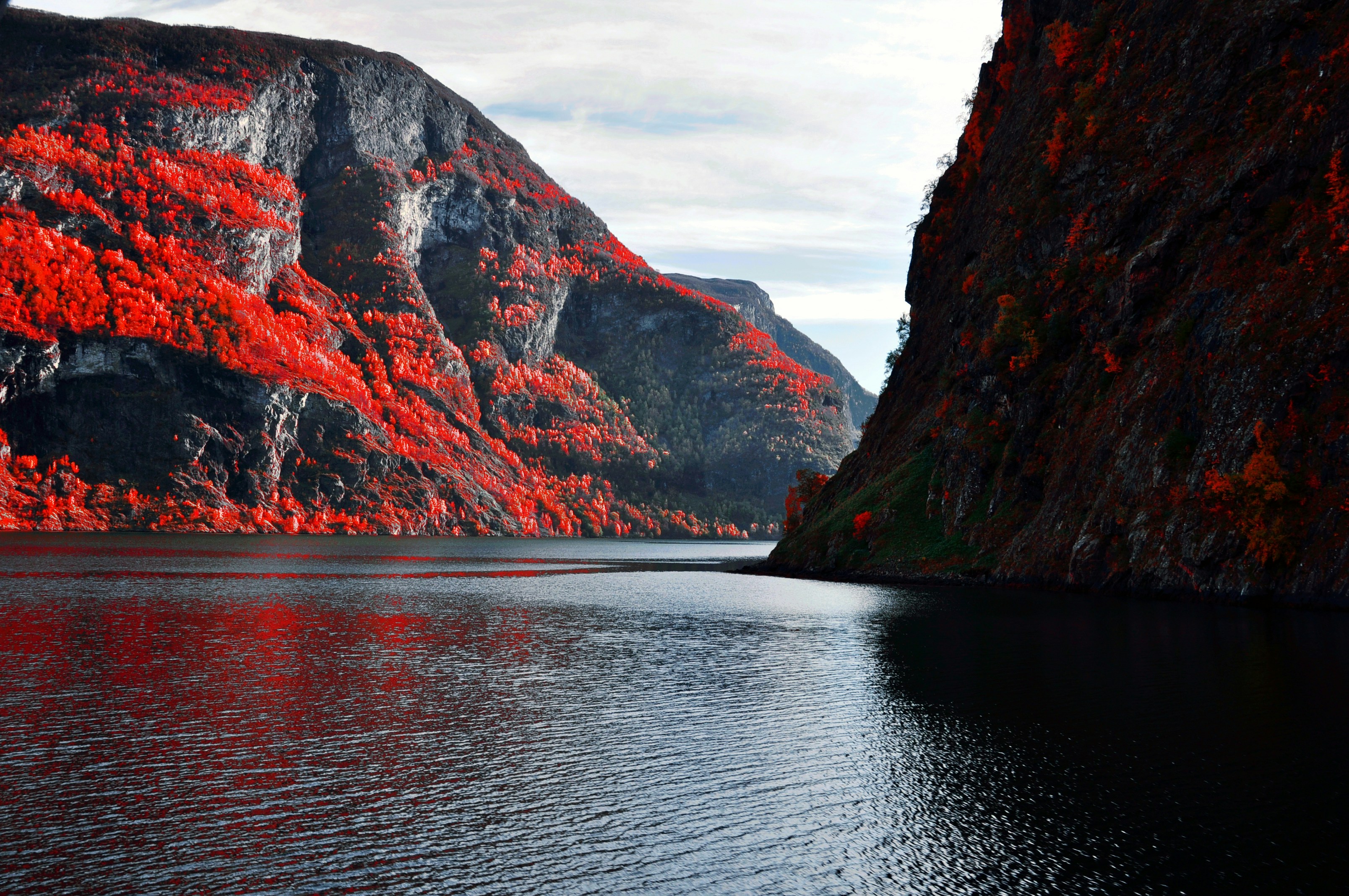
Norway in 2026 is a dream for travellers who love dramatic landscapes, safe and efficient cities, and a high standard of living – fjords, Northern Lights, midnight sun, plus easy public transport and reliable Hello eSIM connectivity make it ideal for both first-time and repeat visitors.
This is a country that feels tailor-made for thoughtful travel. In a single trip, you can glide through UNESCO-listed fjords, hike to panoramic viewpoints, chase auroras in the Arctic, and unwind in design-forward cafés in Oslo or Bergen. Norway consistently ranks among the world’s safest countries, making it a great choice for solo travellers, families, and small groups.
Compared with nearby destinations like Japan and Thailand, Norway leans more towards nature and outdoor adventure than big-city buzz or beach escapes. It’s also a higher-cost destination, but with smart planning and the right itineraries, you can keep daily expenses under control – especially if you follow structured plans like 3 Days in Norway: A Day-by-Day Itinerary, Norway in 5 Days: The Perfect Extended Itinerary, or Norway in 10 Days: The Ultimate Travel Itinerary.
Norway is well set up for digital-first travel. In 2026, contactless payments are widespread, public transport is easy to navigate with apps, and staying online is simple with Hello eSIM – no queuing for SIM cards or worrying about roaming. Use this guide as your central planner, then jump into the linked cluster articles whenever you want a deep dive on budget, food, transport, safety, or culture.
Best Time to Visit Norway
The best time to visit Norway depends on what you’re chasing: summer (June–August) for fjords and long daylight, winter (December–March) for Northern Lights and snow, and shoulder months for lower prices and fewer crowds – each season offers a very different experience.
Think of Norway’s year in three travel modes: summer explorers, winter aurora hunters, and flexible off-season travellers. Summer brings mild temperatures, lush landscapes, and long days; it’s perfect for first-timers following classic routes like the itineraries in Norway in 5 Days or Norway in 10 Days. Winter transforms the country into a snowy playground, ideal for skiing, dog-sledding, and Northern Lights, often paired with shorter trips like 3 Days in Norway.
Shoulder seasons (May and September–early October) balance decent weather with lower accommodation rates and fewer tour crowds. Many fjord cruises still run, trails are more peaceful, and cities feel local rather than touristy.
Use this simple comparison table to see how the seasons stack up:
| Season (2026) | Weather & Daylight | Best For | Crowds | Typical Costs |
|---|---|---|---|---|
| Jun–Aug | Mild, long days | Fjords, hiking, road trips | High | Highest |
| Dec–Mar | Cold, short days | Northern Lights, skiing | Medium | Medium–High |
| May & Sep–Oct | Cool, variable | Mixed sightseeing | Lower | Medium |
Whatever season you choose, book key trains, fjord cruises, and Northern Lights tours early in peak months, and use the detailed itineraries to match each season’s strengths to your preferred style of travel.
Budget Overview: How Much Does Norway Cost?
Norway is a higher-cost destination, but with planning you can tailor a 2026 trip to your budget: expect roughly budget, mid-range, and comfort-luxury daily ranges, then adjust based on how much you spend on transport, activities, and dining out.
As of 2026, Norway still ranks among Europe’s more expensive countries, but costs are predictable. The Norway Travel Budget Guide: Daily Costs and Money Tips and Norway Currency & Money Guide break down specifics; use this overview to quickly see where you fit:
| Travel Style (2026) | Daily Range (per person) | Typical Choices |
|---|---|---|
| Budget | Approx. €80–€130 | Hostels, simple guesthouses, self-catering, public transport, limited paid tours |
| Mid-range | Approx. €150–€250 | 3–4 star hotels, restaurant meals, scenic train/boat trips, a few guided tours |
| Comfort/Luxury | €300+ | Boutique hotels, fine dining, private tours, premium activities |
Your biggest cost levers are accommodation, food, and transport. Saving tips include travelling in shoulder season, booking trains and long-distance buses early, choosing free hikes and viewpoints, and cooking some meals if your accommodation allows it.
Cluster guides help you zoom in: use the budget guide for detailed daily breakdowns, the currency guide for payment methods and ATMs, and the itineraries – like Norway in 10 Days or Norway in 5 Days – for real-world examples of total trip costs.
If you travel with friends, Hello’s expense splitting and budget tracking features make it easier to stay on top of shared costs and keep your Norway trip on-budget without awkward money conversations.
Visa & Entry Requirements (with Singapore Focus)
Norway is straightforward to enter for many travellers in 2026, but rules vary by nationality: always check current Schengen visa requirements, and Singapore passport holders can use the dedicated Norway visa guide for clear, up-to-date entry information.
Norway is part of the Schengen Area, so your entry conditions depend on whether you need a Schengen visa or qualify for visa-free short stays. Passport validity, proof of onward travel, and sometimes evidence of funds or travel insurance are standard checks. The Norway Visa & Entry Requirements for Singapore Passport Holders walks Singapore citizens through exact requirements, documents, and customs tips.
Key points to keep in mind for 2026:
- Ensure your passport has at least 3–6 months’ validity beyond your intended departure.
- Check if you need a Schengen visa and apply well in advance of travel.
- Be ready to show accommodation bookings, onward/return flights, and travel insurance at immigration.
- Understand customs allowances for items like alcohol and tobacco to avoid fines.
For multi-country trips (for example combining Norway with Japan or Thailand), plan entry and exit routes carefully to respect Schengen stay limits.
Use the visa cluster guide as your primary reference if you hold a Singapore passport, and treat this pillar page as your high-level checklist. Whenever rules change – which can happen in response to global events – re-check the detailed entry guide before you finalize flights and accommodation.
Getting Around: Transport in Norway
Getting around Norway in 2026 is efficient and scenic: expect reliable public transport in cities, iconic long-distance trains and ferries, and well-maintained roads – all easier to navigate with apps, Hello eSIM data, and the dedicated Norway transport guide.
In cities like Oslo, Bergen, and Trondheim you’ll find integrated networks of buses, trams, and metro lines. Tickets are usually contactless or app-based, and the Getting Around Norway: Transport Guide for Travellers explains airport transfers, local public transport, ride-hailing options, and how to read timetables.
For inter-city travel, long-distance trains and express buses connect major hubs and fjord gateways. Iconic routes like the Oslo–Bergen railway double as sightseeing experiences; the transport guide helps you decide when to choose train, bus, or domestic flights.
Driving offers maximum flexibility, especially for fjord regions and remote areas. Roads are generally excellent, but weather can be challenging in winter and some routes involve ferries or tunnels – the cluster guide covers driving tips, parking rules, and what to expect on mountain passes.
Hello eSIM is particularly useful for navigation: with reliable data, you can use real-time maps, check live departure boards, and access local transport apps without worrying about roaming or Wi‑Fi.
To see transport choices in action, skim the itineraries – 3 Days in Norway, Norway in 5 Days, and Norway in 10 Days – which show how to string together cities, fjords, and rural stops using trains, buses, boats, and occasional drives.
Food & Dining: What to Eat in Norway
Norway’s food scene in 2026 blends traditional dishes, high-quality seafood, and modern cafés – you’ll find everything from hearty local staples to contemporary Nordic cuisine, with prices and options clearly explained in the Norway food and dining guide.
The Norway Food Guide: Must-Try Dishes, Prices, and Tips is your deep dive into local favourites. Expect salmon and cod cooked simply to highlight freshness, reindeer and lamb in comforting preparations, and everyday staples like open-faced sandwiches and cinnamon pastries. Contemporary restaurants often reinterpret classics in lighter, more creative ways.
Dining costs vary: bakeries and supermarkets can keep your daily spend low, while sit-down restaurants, especially in major cities, quickly raise the bill. The food guide gives typical price ranges for coffee, casual meals, and more upscale dinners, helping you match choices to your budget level from the Norway Travel Budget Guide.
Travellers with dietary requirements will find that larger cities are increasingly accommodating, with vegetarian, vegan, and gluten-free options more common than a decade ago. English menus and staff are widespread, reducing stress for international visitors.
To plan your eating strategy: use the food guide for dishes and price expectations, the budget guide for daily cost planning, and itineraries like Norway in 10 Days for examples of how many restaurant meals to factor in. With Hello’s expense tracking, you can keep an eye on food spending across cafés, grocery runs, and special occasion dinners during your trip.
Top Experiences & Sample Itineraries
Norway’s top experiences in 2026 revolve around fjords, mountains, Arctic skies, and charming cities – use ready-made 3, 5, and 10-day itineraries to turn highlights like Oslo, Bergen, and the fjords into a coherent, stress-free trip plan.
Core experiences most travellers aim for include:
- Fjord cruises and viewpoints in regions near Bergen and Ålesund.
- Scenic train journeys such as the Oslo–Bergen line.
- City time in Oslo for museums, architecture, and cafés.
- Northern Lights and winter activities in northern Norway.
To avoid decision fatigue, start with the cluster itineraries:
- 3 Days in Norway: A Day-by-Day Itinerary – great for short breaks or as a stopover in a longer European trip.
- Norway in 5 Days: The Perfect Extended Itinerary – balances cities and fjords for first-timers.
- Norway in 10 Days: The Ultimate Travel Itinerary – ideal if you want both fjords and more off-the-beaten-path stops.
Here’s a simple decision snapshot:
| Your Time | Best Fit | Focus |
|---|---|---|
| 3 days | 3-day itinerary | One city + fjord highlights |
| 5 days | 5-day itinerary | Classic first-time route |
| 10 days | 10-day itinerary | Deeper exploration, more regions |
Use Hello’s trip planning features to adapt these routes: add extra nights in favourite spots, slot in day tours, and keep your transport and accommodation bookings organized in one place while you explore Norway.
Staying Connected: Hello eSIM & Practical Connectivity Tips
Staying online in Norway is easy in 2026: mobile coverage is strong in cities and most tourist regions, and Hello eSIM lets you activate data instantly without visiting a store or dealing with physical SIM cards.
Instead of queuing at the airport or relying on hotel Wi‑Fi, you can set up Hello eSIM before you land or upon arrival, giving you immediate access to maps, messaging, translation, and local transport apps. The dedicated eSIM for Norway: Best Plans, Coverage, and Setup Tips explains how to choose data amounts, check coverage, and complete activation step-by-step.
Norway’s digital infrastructure is mature: public spaces and cafés often have Wi‑Fi, and many services assume you can use apps for tickets, reservations, and navigation. Having reliable mobile data makes everything smoother, especially when coordinating with friends or adjusting plans on the go.
Beyond connectivity, Hello acts as a broader travel companion. You can log expenses in Norwegian krone, split costs between travel partners, and store key trip details, from hotel addresses to booking references, in one place. This complements cluster guides like the Norway Currency & Money Guide, ensuring you’re financially and digitally ready.
If you’re planning a multi-country trip including Japan or Thailand, Hello eSIM’s coverage in 200+ countries means you can stay on a single platform across borders, instead of juggling multiple short-term solutions.
Culture, Safety & Practical Etiquette
Norway in 2026 is both welcoming and reserved: locals value equality, punctuality, and personal space, and the country remains one of the safest destinations in the world – understanding basic etiquette and safety tips will help you feel at home quickly.
Norwegian culture tends to be modest and practical. The Norway Cultural Guide: Etiquette, Customs, and Tips explains greeting norms, how to handle small talk, and what to wear in different settings. Expect straightforward communication, a strong respect for nature, and an emphasis on not making a spectacle of oneself.
Safety-wise, the Norway Safety Guide: Tips for a Safe Trip covers common-sense precautions, emergency numbers, and health considerations. Crime rates are low by global standards, but you should still take standard urban precautions in crowded areas, especially in peak summer.
Practical etiquette includes:
- Being on time for tours and reservations.
- Following marked trails and local guidance in nature areas.
- Keeping voices moderate in public spaces.
- Respecting local privacy – Norwegians are friendly but may not initiate long conversations.
Health services are high quality, and travel insurance is important not because Norway is risky, but because outdoor activities and changing weather can lead to unexpected situations.
Combine this cultural and safety knowledge with other cluster guides – budget, transport, and food – and with Hello’s trip organization features to move through Norway confidently and respectfully.
Before You Go: Norway 2026 Checklist
A simple pre-departure checklist makes Norway travel in 2026 smoother: confirm visa and passport validity, map out a realistic budget, pre-book key transport, set up Hello eSIM, and review essential cultural and safety tips before you board your flight.
Use this “Before You Go” list to stay organized:
-
Documents & Entry
- Check Schengen visa requirements for your nationality.
- Ensure passport validity covers your stay plus extra months.
- For Singapore citizens, review Norway Visa & Entry Requirements for Singapore Passport Holders.
-
Budget & Money
- Choose your travel style (budget/mid-range/comfort) and daily range using the Norway Travel Budget Guide.
- Read the Norway Currency & Money Guide for payment methods, ATMs, and tipping norms.
-
Itinerary & Transport
- Pick a base itinerary: 3 Days, 5 Days, or 10 Days.
- Pre-book major trains, fjord cruises, and, in peak season, key hotels.
- Scan the Getting Around Norway: Transport Guide for Travellers.
-
Connectivity & Apps
- Set up Hello eSIM for Norway data.
- Add your trip to Hello for budgeting, expense splitting, and storing bookings.
-
Culture, Safety & Health
- Read the Norway Cultural Guide for etiquette.
- Review the Norway Safety Guide and confirm travel insurance.
With these boxes ticked, you’ll arrive ready to enjoy Norway instead of troubleshooting basics on day one.
Norway Visa & Entry Requirements for Singapore Passport Holders
Budget PlanningNorway Travel Budget Guide: Daily Costs and Money Tips
Currency & MoneyNorway Currency & Money Guide: Exchange, Cards, and Tips
Getting AroundGetting Around Norway: Transport Guide for Travellers
Cultural GuideNorway Cultural Guide: Etiquette, Customs, and Tips
Safety & HealthNorway Safety Guide: Tips for a Safe Trip
eSIM & ConnectivityeSIM for Norway: Best Plans, Coverage, and Setup Tips
Frequently Asked Questions
Is Norway worth visiting in 2026 if I’m on a budget?
Yes – Norway is more expensive than many destinations, but with planning it’s still very rewarding on a budget in 2026. Use the Norway Travel Budget Guide: Daily Costs and Money Tips to pick a realistic daily range, travel in shoulder seasons, rely on public transport, and mix free hikes with a few paid highlights. Hello’s budget tracking helps you stay on top of spending while you’re there.
How many days do I need for a first trip to Norway?
For a first visit, 5–10 days is ideal. A 3-day trip works for a focused city-plus-fjord escape following 3 Days in Norway: A Day-by-Day Itinerary. Five days lets you follow Norway in 5 Days: The Perfect Extended Itinerary, while 10 days using Norway in 10 Days: The Ultimate Travel Itinerary offers deeper exploration and more flexibility.
Do I need a visa to visit Norway, and what about Singapore passport holders?
Norway follows Schengen Area rules, so whether you need a visa depends on your nationality and the purpose and length of your stay. Always check current regulations before booking. If you hold a Singapore passport, the Norway Visa & Entry Requirements for Singapore Passport Holders gives detailed, up-to-date instructions on entry rules, required documents, and customs allowances.
Is Norway safe for solo travellers and families?
Norway is widely regarded as very safe for solo travellers, couples, and families, with low crime rates and reliable public services. The Norway Safety Guide: Tips for a Safe Trip outlines practical precautions, emergency contacts, and health tips. As with any destination, stay aware in busy areas, follow local advice in nature, and have travel insurance in place.
What is the best way to get mobile data in Norway?
In 2026, the easiest way to get mobile data in Norway is to use Hello eSIM. You can set it up in advance or on arrival, avoid physical SIM cards, and stay connected for maps, messaging, and tickets across your entire trip. The eSIM for Norway: Best Plans, Coverage, and Setup Tips explains plan options, coverage expectations, and the activation process step-by-step.
How do I get around Norway without renting a car?
You can explore much of Norway comfortably without driving. Cities have efficient buses, trams, and metros, while long-distance trains, express buses, and ferries connect major regions and fjords. The Getting Around Norway: Transport Guide for Travellers details airport transfers, public transport tickets, inter-city routes, and when it makes sense to add a car or stick with rail and bus.
What kind of food can I expect in Norway, and are there options for special diets?
Expect excellent seafood, hearty meat dishes, baked goods, and growing contemporary Nordic cuisine. The Norway Food Guide: Must-Try Dishes, Prices, and Tips covers signature dishes, typical price ranges, and dining etiquette. Larger cities increasingly cater to vegetarian, vegan, and gluten-free diets, with English menus common in many restaurants and cafés.
eSIM Plans for Norway
Detailed Articles
Dive deeper into specific topics covered in this guide.
3 Days in Norway: A Day-by-Day Itinerary
A detailed 3-day itinerary for Norway with daily activities, costs, neighborhoods, and transport tips.
14 June 2026
Norway in 5 Days: The Perfect Extended Itinerary
A detailed 5-day itinerary for Norway with daily activities, costs, neighborhoods, and transport tips for an extended stay.
8 May 2026
Norway in 10 Days: The Ultimate Travel Itinerary
A comprehensive 10-day itinerary for Norway covering top attractions, hidden gems, daily costs, and transport between cities.
22 June 2026
Norway Cultural Guide: Etiquette, Customs, and Tips
Essential do's and don'ts, greeting customs, dress codes, local phrases, and cultural tips for Norway.
5 June 2026
Norway Travel Budget Guide: Daily Costs and Money Tips
How much does it cost to travel in Norway? Daily budget breakdowns for budget, mid-range, and luxury travellers.
27 February 2026
Norway Currency & Money Guide: Exchange, Cards, and Tips
Currency exchange, credit card acceptance, ATM tips, tipping culture, and money-saving advice for Norway.
30 April 2026
Norway Visa & Entry Requirements for Singapore Passport Holders
Visa requirements, passport validity, customs allowances, and entry tips for Singapore citizens travelling to Norway.
11 July 2026
Norway Safety Guide: Tips for a Safe Trip
Safety tips, health advisories, emergency contacts, common scams, and travel insurance advice for Norway.
20 July 2026
More Travel Guides
Destination Guide
Complete Bosnia and Herzegovina Travel Guide 2026
Everything you need to know about travelling to Bosnia and Herzegovina — budget, visa, food, transport, eSIM connectivity, and itineraries.
Destination Guide
Complete Bahamas Travel Guide 2026
Everything you need to know about travelling to Bahamas — budget, visa, food, transport, eSIM connectivity, and itineraries.
Destination Guide
Complete Bahrain Travel Guide 2026
Everything you need to know about travelling to Bahrain — budget, visa, food, transport, eSIM connectivity, and itineraries.
Destination Guide
Complete Sint Eustatius Travel Guide 2026
Everything you need to know about travelling to Sint Eustatius — budget, visa, food, transport, eSIM connectivity, and itineraries.