Norway Safety Guide: Tips for a Safe Trip
Safety tips, health advisories, emergency contacts, common scams, and travel insurance advice for Norway.
By Hello Travel Team
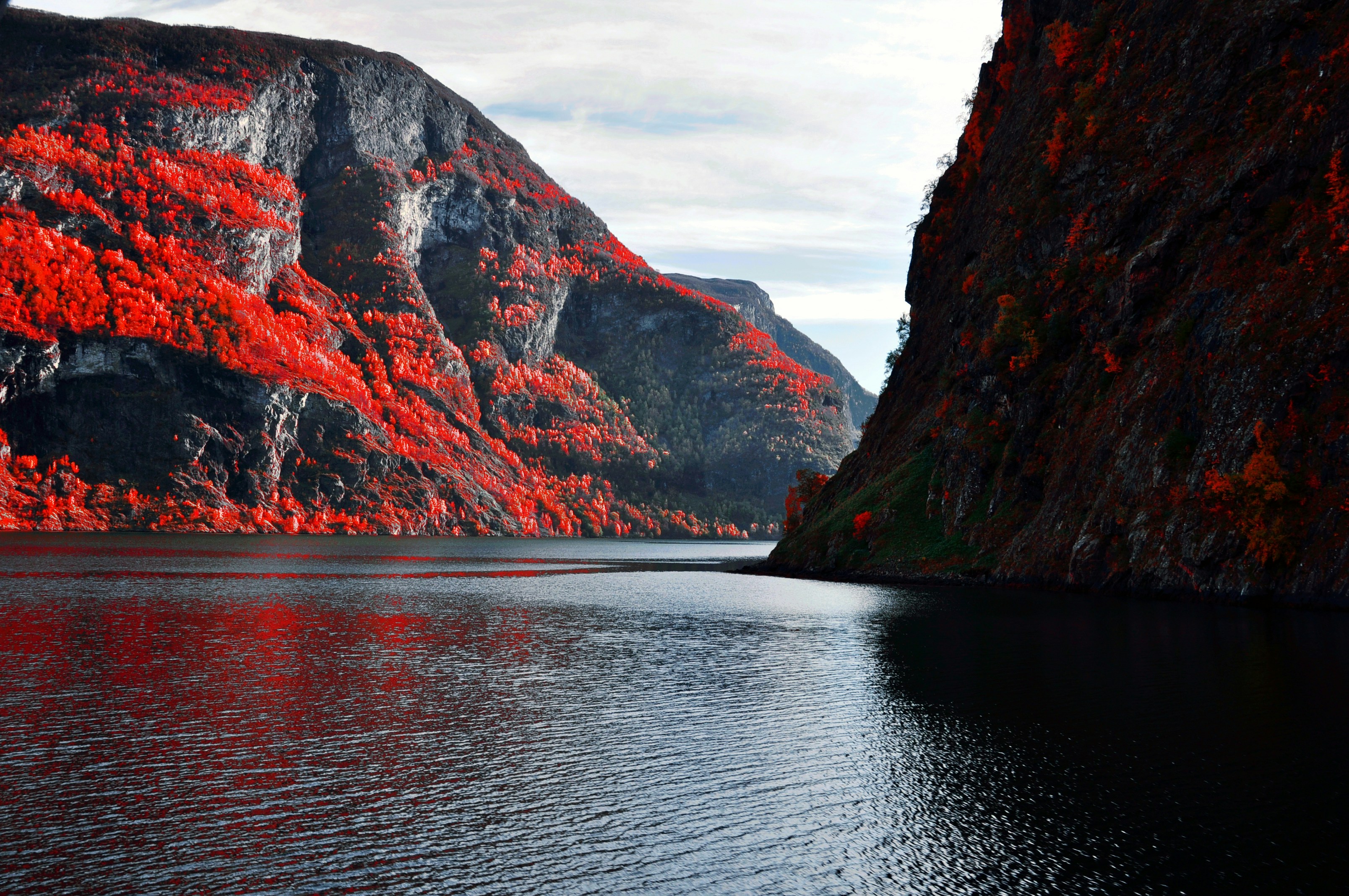
TL;DR: Is Norway Safe for Travellers?
Yes—Norway is generally a very safe destination, with low violent-crime levels and reliable public services, but sensible precautions still matter. The main practical risks are pickpocketing in busy transport hubs, severe weather, road and water accidents, expensive medical care, and occasional booking or taxi scams. Singapore’s Ministry of Foreign Affairs describes crime as generally low while advising visitors to remain vigilant and monitor weather and security updates. For urgent help, remember Norway’s emergency numbers: 110 for fire, 112 for police, and 113 for ambulance. Carry comprehensive travel insurance, keep valuables secure, and check conditions before hiking, driving, boating, or visiting fjords. Travellers who need dependable data can activate Hello eSIM for Norway before departure, while Hello’s app can also track spending and split costs across currencies.
Norway Travel Safety: Crime, Scams, and Everyday Precautions
Norway travel safety is strong overall, but visitors should protect themselves from opportunistic theft, payment confusion, and fraudulent bookings rather than expect serious crime. Violent incidents affecting tourists are uncommon, yet petty theft can occur around Oslo Central Station, airports, crowded ferries, nightlife areas, and major attractions. Keep your phone and wallet in zipped pockets, avoid leaving bags unattended at cafés, and use hotel safes for passports and spare cards.
Common Norway scams are usually low-pressure but costly:
- Taxi overcharging: At Oslo Airport or cruise terminals, use a licensed taxi rank, confirm the fare structure before departure, and avoid accepting unsolicited rides.
- Fake accommodation or tours: Book fjord cruises, northern-lights excursions, and rentals through established operators; verify the web address and pay by card rather than bank transfer.
- Card or ATM tampering: Use ATMs inside banks or reputable shops, shield your PIN, and review transaction alerts.
- Unofficial charity or petition requests: Politely decline if approached in crowded areas.
Norway is largely cashless, but keeping a small backup amount of Norwegian kroner can help during remote travel. Hello’s expense tools can scan receipts in different currencies, categorize spending, and split shared costs automatically—useful when restaurant meals, ferries, and accommodation quickly push beyond a planned budget.
Norway Emergency Numbers, Police Help, and Singapore Consular Support
In an emergency, call the correct Norwegian number immediately and state your location clearly; operators can generally assist in English. Norway’s official travel guidance lists 110 for fire, 112 for police, 113 for ambulance, and 120 for emergencies at sea. For urgent but non-life-threatening medical care, call the out-of-hours medical service on 116 117. The Norwegian Poisons Information Centre is available at +47 22 59 13 00.
| Situation | Number | When to use it |
|---|---|---|
| Fire and rescue | 110 | Fire, smoke, or immediate rescue need |
| Police | 112 | Crime, danger, or immediate threat |
| Ambulance | 113 | Serious injury or life-threatening illness |
| Medical advice | 116 117 | Urgent care outside regular clinic hours |
| Sea emergency | 120 | Distress while boating or at sea |
For lost passports, arrest, hospitalization, or serious incidents, contact the Singapore Embassy in Oslo through the latest contact details on Singapore’s Ministry of Foreign Affairs Norway travel page. Save those details offline before departure because mountain valleys, ferries, and rural roads may have weak reception. Download offline maps, tell someone your itinerary, and share your accommodation address with a trusted contact. An eSIM from Hello provides mobile data on arrival for maps, translation, emergency calls over data, and travel updates, but it does not replace the local emergency numbers above.
Norway Health Advisories, Vaccinations, and Safe Drinking Water
Most travellers do not need special vaccinations for Norway beyond routine immunizations, but a doctor or travel clinic should review personal health needs at least eight weeks before departure. UK travel-health guidance recommends checking current vaccine advice before travelling and arranging suitable insurance for treatment or medical evacuation. Ensure routine protection against measles, tetanus, diphtheria, polio, influenza, and COVID-19 is current where medically appropriate; additional advice may apply to long hikes, camping, or underlying conditions.
Tap water in Norwegian towns and cities is generally safe to drink, and bottled water is rarely necessary. In remote cabins, ask whether the supply is treated before filling a bottle. Pack prescription medicines in original packaging and keep them in hand luggage with a copy of the prescription. Pharmacies are common in urban areas, but opening hours can be limited in villages and islands.
Cold, wind, rain, and rapidly changing mountain weather are more significant hazards than infectious disease. Wear layers, carry waterproof clothing, use sunscreen even in cool weather, and check avalanche, road, ferry, and weather alerts before setting out. Never rely solely on a mobile signal in the mountains. If travelling above the Arctic Circle, protect exposed skin from cold injury; in summer, use insect repellent in areas with mosquitoes and ticks.
Outdoor, Road, and Water Safety in Norway
Norway’s most serious visitor risks often come from nature and transport rather than crime, so check conditions, respect barriers, and choose activities suited to your experience. Fjords, waterfalls, glaciers, and mountain trails can look accessible while involving steep drops, slippery rocks, cold water, and rapidly changing visibility. Stay on marked paths, obey closure signs, carry a charged phone and power bank, and tell your accommodation or a contact where you are going.
Driving requires particular care. Roads can be narrow, winding, icy, or exposed, especially around Lofoten, Trollstigen, Geiranger, and northern mountain passes. Headlights must be used at all times, including during daylight, according to Singapore’s travel advice. Check Statens vegvesen road conditions before departure, allow extra time, and do not drive tired after long scenic routes. In winter, confirm your rental vehicle has suitable tires and follow local rules.
For water activities, wear a properly fitted life jacket, even on calm-looking fjords, and use reputable kayak, RIB, fishing, and cruise operators. Never swim alone in cold fjord or lake water: cold shock can cause rapid loss of strength. If hiking near glaciers, join a qualified guide unless you have relevant training and equipment. Travel insurance should cover hiking, skiing, kayaking, rescue, and medical evacuation rather than only basic sightseeing.
Solo Female and LGBTQ+ Traveller Safety in Norway
Solo female and LGBTQ+ travellers can generally explore Norway comfortably, including public transport, restaurants, and major cities, while ordinary urban precautions remain sensible. Norway is socially tolerant and same-sex relationships are legally recognized, but isolated prejudice or unwanted attention can occur anywhere. Keep control of your drink, use licensed transport after nightlife, and share your route when returning late from a concert, bar, or remote accommodation.
In Oslo, Bergen, and Trondheim, stay alert around busy stations and nightlife districts after dark, particularly when tired or carrying luggage. In smaller communities, social attitudes may feel more reserved than in the capital, but respectful conduct and practical planning usually make travel straightforward. Solo hikers should avoid treating popular social-media viewpoints as casual walks: check route length, elevation, weather, and daylight, and consider a guided excursion for glacier or winter activities.
For LGBTQ+ visitors, research accommodation and tour reviews, use established operators, and contact local authorities if harassment becomes threatening. Norway’s police emergency number is 112; for a non-urgent report, ask local police about the appropriate process. Carry a copy of your passport separately from the original, keep emergency contacts accessible, and use Hello’s live data connectivity for maps, translation, and notifying a trusted person without depending on hotel Wi-Fi.
Common Questions About Norway Safety and Travel Insurance
The safest Norway trip combines normal city precautions with serious preparation for weather, terrain, transport, and medical costs. Comprehensive travel insurance is strongly recommended because a standard policy may exclude off-piste skiing, glacier walks, climbing, kayaking, rental-car damage, alcohol-related incidents, or mountain rescue. Choose cover that includes emergency treatment, evacuation, repatriation, cancellation, baggage, and activities on your itinerary; check limits and exclusions before paying.
Is Norway safe for solo travellers? Generally yes, especially in cities and established tourist areas. Share remote hiking plans, avoid reckless weather decisions, and keep valuables secure.
Is Norway safe at night? Most urban areas are manageable, but use licensed transport, stay in well-lit areas, and avoid walking alone while intoxicated.
Can I drink tap water in Norway? Usually yes in towns and cities. Ask before drinking from untreated cabin or mountain sources.
What are Norway’s emergency numbers? Call 110 for fire, 112 for police, 113 for ambulance, 116 117 for urgent out-of-hours medical care, and 120 for sea emergencies.
How can I stay connected in remote areas? Coverage varies in mountains and along fjords, so download maps and keep offline information. Hello eSIM plans can be purchased and activated before departure, helping you arrive with data for directions, weather alerts, bookings, and emergency communication. Prices and available data allowances are updated live in the Hello app.
Explore These Destinations
Stay Connected
Ready for Norway?
eSIM data, expense splitting, budget tracking, and more. Everything you need for a smooth trip in one app.
Related Articles
Norway Visa & Entry Requirements for Singapore Passport Holders
Visa requirements, passport validity, customs allowances, and entry tips for Singapore citizens travelling to Norway.
11 July 2026
eSIM for Norway: Best Plans, Coverage, and Setup Tips
Everything you need to know about using eSIM in Norway. Best data plans, network coverage, and setup instructions.
2 July 2026
Norway in 10 Days: The Ultimate Travel Itinerary
A comprehensive 10-day itinerary for Norway covering top attractions, hidden gems, daily costs, and transport between cities.
22 June 2026