Key Takeaways
- ✓Mayotte in 2026 is a lagoon-focused, slow-travel destination combining French infrastructure with Indian Ocean island culture.
- ✓Aim for May–October for the most comfortable weather, especially if you plan lots of outdoor and lagoon activities.
- ✓Daily budgets typically range from about €45–70 for budget travellers to €180+ for luxury stays, with euro as the local currency.
- ✓Visa and entry rules follow French/Schengen-style requirements, so always check your nationality’s latest conditions before travelling.
- ✓Use Hello eSIM for easy, instant mobile data activation in Mayotte and manage connectivity, budgets, and expenses in one app.
- ✓Rely on shared taxis, buses, ferries, and possibly rental cars, guided by the dedicated Mayotte transport article and itineraries.
- ✓Combine the safety and cultural guides to understand local etiquette, dress expectations, and practical health precautions.
- ✓Choose 3-, 5-, or 10-day itineraries based on how deeply you want to explore Mayotte’s lagoon, villages, and hiking opportunities.
Mayotte is one of those places that quietly steals travellers’ hearts: a lush, lagoon-ringed island in the Mozambique Channel where French, African, and Comorian cultures blend into something entirely its own. This 2026 Mayotte travel guide is your hub for planning a smooth, budget-smart, and unforgettable trip.
Here you’ll find everything you need at a high level: when to visit, how much to budget, visa and entry basics, getting around the islands, what to eat, staying connected with Hello eSIM, and how to build the right itinerary for your travel style. Each section includes an overview plus links to detailed articles like Mayotte Travel Budget Guide: Daily Costs and Money Tips, Mayotte Food Guide: Must-Try Dishes, Prices, and Tips, and Mayotte Safety Guide: Tips for a Safe Trip.
You’ll also get comparison tables for budget ranges and seasons, a practical “Before You Go” checklist, and a simple decision framework for choosing between 3-day, 5-day, and 10-day itineraries. Think of this guide as your starting point: scan the overviews, check the tables, then dive into the cluster articles for day-by-day plans, restaurant recommendations, transport tips, and money-saving tricks tailored to Mayotte in 2026.
Why Visit Mayotte in 2026
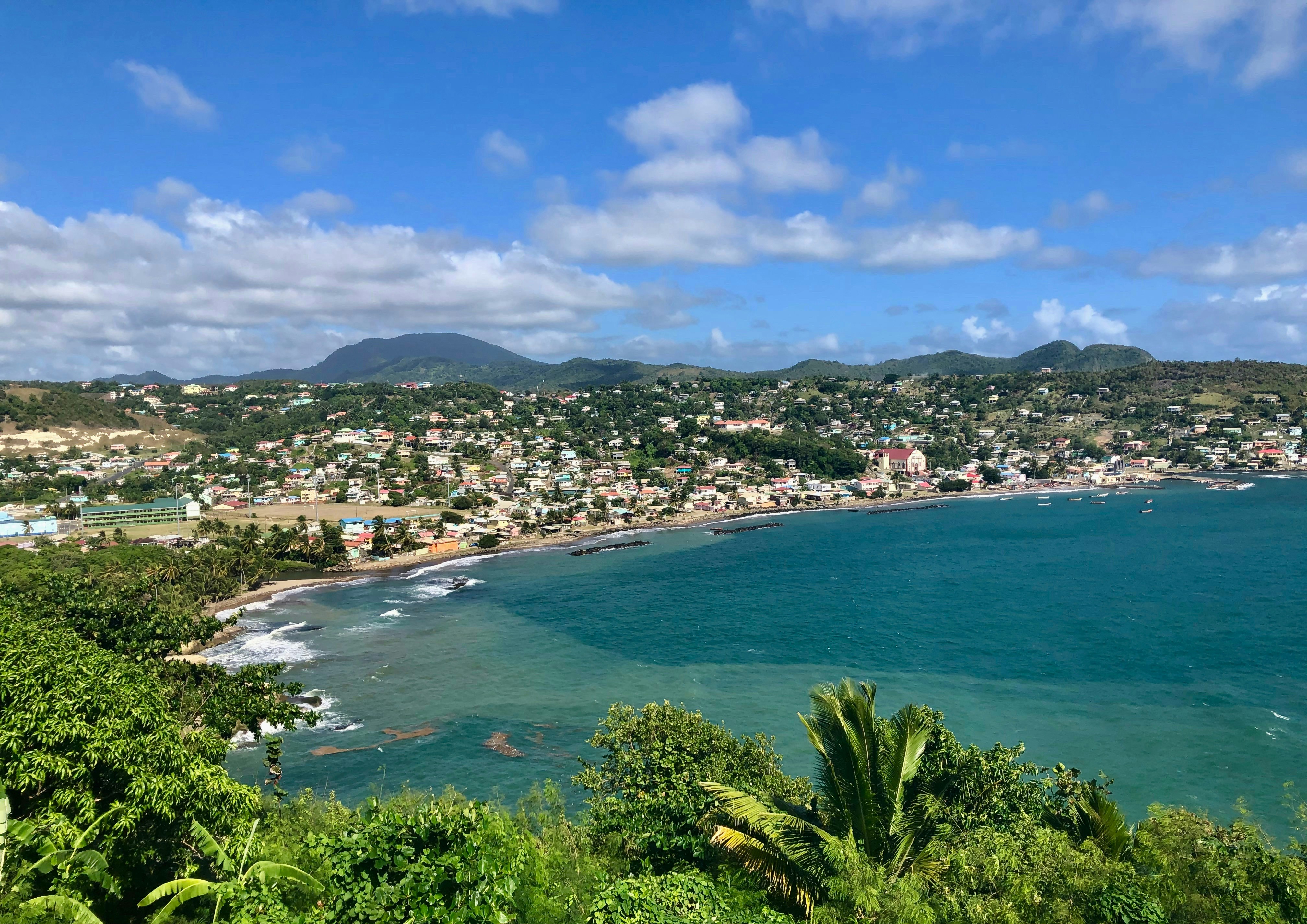
Mayotte is a tropical French department with one of the world’s largest enclosed lagoons, vibrant coral reefs, and a laid-back island culture that feels far from mainland Europe yet uses the euro and French infrastructure. It’s ideal for travellers who love nature, lagoons, and quieter, less-touristed destinations.
As of 2026, Mayotte offers a fascinating mix: European-style services (healthcare, roads, and administration) combined with Indian Ocean island life, mangrove forests, and traditional villages. You can snorkel with sea turtles in the morning, hike to volcanic peaks in the afternoon, and end the day with grilled fish and coconut rice in a beachside snack bar.
Compared with more familiar destinations like Japan or Thailand, Mayotte is more about slow travel than big-ticket sights. There are no mega-cities or iconic temples here—just lagoons, islets, and everyday life unfolding along the coast. It’s perfect if you value authenticity, marine life, and a feeling of discovery.
At a glance, Mayotte suits:
- Nature lovers: snorkelling, diving, whale watching (seasonal), mangrove and forest walks.
- Culture-curious travellers: learning local customs and etiquette via the Mayotte Cultural Guide: Etiquette, Customs, and Tips.
- Budget-conscious Europeans: familiar euro currency but often lower day-to-day costs than many European destinations.
To build your trip, pair this pillar guide with itinerary clusters like 3 Days in Mayotte: A Day-by-Day Itinerary, Mayotte in 5 Days: The Perfect Extended Itinerary, and Mayotte in 10 Days: The Ultimate Travel Itinerary to match your time, budget, and travel style.
Best Time to Visit Mayotte
The best time to visit Mayotte is generally the dry, cooler months, when humidity drops and the lagoon is at its most inviting. As of 2026, many travellers aim for May–October, balancing good weather, marine life viewing, and calmer sea conditions.
Mayotte has a tropical maritime climate with two main seasons: a warmer, wetter season roughly November–April, and a drier, slightly cooler season around May–October. Rainfall and cyclone risk are higher in the wet season, while the dry season tends to be sunnier and more comfortable for hiking and outdoor activities.
Here’s a simple season-at-a-glance table:
| Season (approx.) | Weather & Sea Conditions | Pros | Considerations |
|---|---|---|---|
| Nov–Feb (wet) | Hot, humid, frequent showers; sea warm | Lush landscapes, fewer European tourists | Higher rain, occasional storms, more mosquitos |
| Mar–Apr (transition) | Mix of showers and clearer days | Good for flexible travellers, lower prices | Weather can be unpredictable |
| May–Aug (dry, cooler) | Pleasant temps, lower humidity | Ideal for hiking, lagoon trips, many visitors | Book key stays/activities early |
| Sep–Oct (dry, warmer) | Warm and generally dry | Great for water sports, snorkelling | Heat can feel intense midday |
For short trips (3–5 days), the dry months help guarantee more usable days. For longer 10-day stays, shoulder periods like March–April or September–October can offer value if you’re flexible. Match your dates with itinerary clusters like 3 Days in Mayotte: A Day-by-Day Itinerary, Mayotte in 5 Days: The Perfect Extended Itinerary, and Mayotte in 10 Days: The Ultimate Travel Itinerary to structure activities around the season.
Mayotte Budget Overview: What It Costs in 2026
Mayotte is typically more expensive than many mainland African destinations but often cheaper day-to-day than Western Europe, especially for food and local transport. As of 2026, you can travel comfortably on a moderate budget if you plan ahead and use local options.
The Mayotte Travel Budget Guide: Daily Costs and Money Tips breaks down typical daily spends for different travel styles, while the Mayotte Currency & Money Guide: Exchange, Cards, and Tips explains how to handle euros, ATMs, and card payments in Mayotte.
Here’s an at-a-glance budget table (per person, per day, as of 2026):
| Travel Style | Approx. Daily Budget (EUR) | Typical Inclusions |
|---|---|---|
| Budget | €45–70 | Simple guesthouse, local snacks and street food, shared taxis/buses, 1 low-cost activity |
| Mid-range | €80–140 | Comfortable hotel, restaurant meals, mix of taxis and boat trips, 1–2 paid activities |
| Luxury | €180+ | High-end accommodation, top restaurants, private guides/boat charters, spa or premium experiences |
Use the currency and money guide to understand how to exchange cash, use ATMs, and pay by card in Mayotte: Mayotte Currency & Money Guide: Exchange, Cards, and Tips.
For trip-length planning, combine these daily estimates with itineraries like 3 Days in Mayotte: A Day-by-Day Itinerary, Mayotte in 5 Days: The Perfect Extended Itinerary, and Mayotte in 10 Days: The Ultimate Travel Itinerary. The detailed itinerary articles include indicative costs for activities, transport, and food so you can tailor your budget to your personal priorities and travel style.
Mayotte Travel Budget Guide: Daily Costs and Money Tips
Currency & MoneyMayotte Currency & Money Guide: Exchange, Cards, and Tips
Itineraries3 Days in Mayotte: A Day-by-Day Itinerary
ItinerariesMayotte in 5 Days: The Perfect Extended Itinerary
ItinerariesMayotte in 10 Days: The Ultimate Travel Itinerary
Visa & Entry: Getting Into Mayotte Smoothly
Mayotte is an overseas department of France, so entry requirements broadly follow French and Schengen rules. However, details vary by nationality, so you must check the latest requirements for your passport before travelling in 2026.
If you hold a Singapore passport, start with Mayotte Visa & Entry Requirements for Singapore Passport Holders. It covers visa status, passport validity, proof-of-funds expectations, and customs allowances specific to Singapore citizens heading to Mayotte.
More generally, expect:
- Passport validity: Many travellers need at least 3–6 months of validity beyond departure (confirm for your nationality).
- Visas: Some nationals can enter Mayotte visa-free under Schengen/France rules; others need to apply for a visa in advance.
- Onward travel proof: Return or onward tickets and possibly proof of accommodation are often requested.
Here’s a simple decision framework for non-Singapore travellers:
- Are you an EU/EEA citizen?
- Likely no visa needed; travel using national ID or passport (check official French sources).
- Are you from a Schengen visa-exempt country?
- You may enter for short stays without a visa; verify specific conditions.
- Are you from a visa-required country?
- You’ll probably need a French (or Mayotte-inclusive) visa; apply well ahead of travel.
Regardless of nationality, factor in customs rules and health/insurance considerations together with the Mayotte Safety Guide: Tips for a Safe Trip. Always re-check official consular and French government websites close to departure, as visa policies and health entry rules can change quickly.
Getting Around Mayotte: Transport Basics
Getting around Mayotte typically involves a mix of shared taxis, local buses, ferries between Grande-Terre and Petite-Terre, and possibly rental cars or private transfers. It’s manageable for most travellers, but planning ahead makes your days smoother and safer.
Start with Getting Around Mayotte: Transport Guide for Travellers for a detailed look at airport transfers, public transport routes, inter-island ferries, and driving tips. That article explains how to get from the airport to main areas, where shared taxis operate, and what to expect in terms of schedules and comfort.
For many visitors:
- Grande-Terre: You’ll rely heavily on road transport—taxis, buses, or rental cars—to reach beaches, villages, and viewpoints.
- Petite-Terre: Ferries link it to Grande-Terre; walking and short rides cover most distances once you’re there.
Transport choice often depends on trip length and style:
- Short stays (3–5 days): It can be easier to use taxis and pre-arranged transfers, as described in 3 Days in Mayotte: A Day-by-Day Itinerary and Mayotte in 5 Days: The Perfect Extended Itinerary.
- Longer trips (10 days): Renting a car may make sense to explore more remote corners and follow Mayotte in 10 Days: The Ultimate Travel Itinerary efficiently.
To save money and avoid stress, combine the transport guide with budget planning in Mayotte Travel Budget Guide: Daily Costs and Money Tips. Also check safety considerations and road etiquette in the Mayotte Safety Guide: Tips for a Safe Trip, especially if you plan to drive yourself.
Getting Around Mayotte: Transport Guide for Travellers
Itineraries3 Days in Mayotte: A Day-by-Day Itinerary
ItinerariesMayotte in 5 Days: The Perfect Extended Itinerary
ItinerariesMayotte in 10 Days: The Ultimate Travel Itinerary
Budget PlanningMayotte Travel Budget Guide: Daily Costs and Money Tips
Safety & HealthMayotte Safety Guide: Tips for a Safe Trip
Food & Dining: What to Eat in Mayotte
Mayotte’s food scene is all about fresh seafood, coconut, rice, and a blend of African, French, and Indian Ocean flavours. As of 2026, eating out is still relatively affordable compared with many European cities, especially if you embrace local snacks and small restaurants.
Use the Mayotte Food Guide: Must-Try Dishes, Prices, and Tips for a deep dive into specific dishes, average restaurant prices, and food safety advice. It highlights must-try items like grilled fish with coconut sauce, local curries, fritters, and sweet treats made from tropical fruits.
At a high level, expect:
- Street food & snacks: Fried snacks, small grilled skewers, and simple rice dishes.
- Local restaurants: Casual spots serving fish, chicken, and vegetable dishes with rice or cassava.
- French-influenced options: Bakeries and cafés with pastries, coffee, and more familiar European-style plates.
Approximate per-meal ranges (2026):
- Budget local meals: often under €10.
- Mid-range restaurant mains: roughly €12–20.
- Higher-end or hotel restaurants: more, especially for fresh seafood platters.
Combine food planning with your budget using Mayotte Travel Budget Guide: Daily Costs and Money Tips, and pair your dining with safe neighbourhood recommendations in itinerary articles like 3 Days in Mayotte: A Day-by-Day Itinerary, Mayotte in 5 Days: The Perfect Extended Itinerary, and Mayotte in 10 Days: The Ultimate Travel Itinerary. Always review food safety tips—especially for seafood and street food—in the dedicated food guide before you go.
Mayotte Food Guide: Must-Try Dishes, Prices, and Tips
Budget PlanningMayotte Travel Budget Guide: Daily Costs and Money Tips
Itineraries3 Days in Mayotte: A Day-by-Day Itinerary
ItinerariesMayotte in 5 Days: The Perfect Extended Itinerary
ItinerariesMayotte in 10 Days: The Ultimate Travel Itinerary
Top Experiences & Suggested Itineraries
Mayotte’s signature experiences revolve around its vast lagoon, coral reefs, and relaxed island life. To make the most of your trip in 2026, think in terms of days built around water, walking, and village time, rather than long museum lists.
Core experiences often include:
- Boat trips in the lagoon to snorkel, spot sea turtles, and visit islets.
- Walks through mangrove forests and coastal paths.
- Exploring local markets and villages to experience everyday life.
To turn these into concrete plans, use the itinerary cluster articles:
- 3 Days in Mayotte: A Day-by-Day Itinerary for a short, highlights-focused stay.
- Mayotte in 5 Days: The Perfect Extended Itinerary for a more relaxed rhythm with extra time in favourite spots.
- Mayotte in 10 Days: The Ultimate Travel Itinerary for a deep dive into different corners of the islands.
Here’s a simple itinerary decision guide:
- Choose 3 days if Mayotte is a side trip on a bigger Indian Ocean journey (e.g., combining with Thailand or Japan), and you mainly want lagoon highlights.
- Choose 5 days if you like a balance of activity and downtime, with time to revisit favourite beaches and markets.
- Choose 10 days if you’re a nature lover or slow traveller who wants multiple boat trips, hikes, and village visits.
Layer the itineraries with safety insights from Mayotte Safety Guide: Tips for a Safe Trip and cultural context from Mayotte Cultural Guide: Etiquette, Customs, and Tips to get more out of each experience.
Hello eSIM & Staying Connected in Mayotte
Staying online in Mayotte in 2026 is easiest with Hello eSIM, which lets you activate data on arrival without hunting for local SIM cards or dealing with physical plastic. You can manage connectivity directly in the Hello app, alongside trip planning and expense tracking.
The dedicated eSIM for Mayotte: Best Plans, Coverage, and Setup Tips article explains which Hello eSIM data plans work best in Mayotte, typical coverage quality, and step-by-step setup instructions. It also covers practical tips like when to activate, how to check APN settings, and ways to avoid bill shock.
Why use Hello eSIM for Mayotte?
- Instant activation in the Hello app, often before you land.
- No physical SIM swap, so your home number can stay active for calls and SMS.
- Budget control with clear data allowances that tie into Hello’s trip budgeting and expense-splitting features.
At a high level, you can:
- Install Hello on iOS or Android before travel.
- Purchase the Mayotte-compatible Hello eSIM data plan.
- Scan the QR or follow in-app steps to install and activate when ready.
Pair connectivity planning with the Getting Around Mayotte: Transport Guide for Travellers, since live maps and messaging make taxis, ferries, and meet-ups much easier. For overall budget awareness, link your data purchase into the estimates from Mayotte Travel Budget Guide: Daily Costs and Money Tips so connectivity sits comfortably within your daily spend.
Safety, Health & Local Culture
Mayotte in 2026 offers rewarding travel but, like any destination, requires some awareness around safety, health, and local customs. With a bit of preparation, most visitors enjoy a smooth trip and positive interactions with residents.
Start with Mayotte Safety Guide: Tips for a Safe Trip for an overview of common risks, emergency contacts, and travel insurance advice. That guide walks through practical points like keeping valuables secure, choosing safe areas after dark, and understanding local medical facilities.
For cultural context, the Mayotte Cultural Guide: Etiquette, Customs, and Tips is essential reading. It covers greetings, dress expectations (especially near mosques or in more conservative villages), key phrases, and behaviours that show respect.
At a high level, consider:
- Health: Have appropriate travel insurance, carry any personal medications, and check any recommended vaccinations with a medical professional in your home country.
- Safety: Use usual urban awareness at night, keep an eye on belongings, and follow local advice during severe weather.
- Culture: Dress modestly in villages, ask before photographing people, and learn a few local greetings.
Combine these soft factors with concrete planning from itinerary articles like 3 Days in Mayotte: A Day-by-Day Itinerary, Mayotte in 5 Days: The Perfect Extended Itinerary, and Mayotte in 10 Days: The Ultimate Travel Itinerary. When you understand both logistics and local expectations, you’re much better positioned to enjoy Mayotte’s lagoon, markets, and community life respectfully and safely.
Before You Go: Checklist for Mayotte 2026
A short, focused checklist makes preparing for Mayotte in 2026 much easier. Use this section as a pre-departure run-through, then dive into the linked guides for deeper detail on each point.
Core documents & admin
- Confirm visa status and passport validity for your nationality, using Mayotte Visa & Entry Requirements for Singapore Passport Holders as a reference if you’re Singaporean.
- Purchase comprehensive travel insurance, guided by risks outlined in Mayotte Safety Guide: Tips for a Safe Trip.
Money & budget
- Review daily cost expectations in Mayotte Travel Budget Guide: Daily Costs and Money Tips.
- Understand euro handling, card acceptance, and ATMs via Mayotte Currency & Money Guide: Exchange, Cards, and Tips.
Connectivity & apps
- Install the Hello app and choose a suitable Hello eSIM data plan after reading eSIM for Mayotte: Best Plans, Coverage, and Setup Tips.
- Set up expense splitting and budget tracking in Hello if travelling with friends.
Itinerary & logistics
- Pick 3-, 5-, or 10-day structures from 3 Days in Mayotte: A Day-by-Day Itinerary, Mayotte in 5 Days: The Perfect Extended Itinerary, or Mayotte in 10 Days: The Ultimate Travel Itinerary.
- Check transport options from Getting Around Mayotte: Transport Guide for Travellers.
Culture & health
- Read Mayotte Cultural Guide: Etiquette, Customs, and Tips and pack modest clothing accordingly.
- Consult a healthcare professional in your home country about vaccinations or preventive medication.
Run through this checklist a week before departure, then again 24 hours before you fly, to catch any gaps.
Mayotte Visa & Entry Requirements for Singapore Passport Holders
Safety & HealthMayotte Safety Guide: Tips for a Safe Trip
Budget PlanningMayotte Travel Budget Guide: Daily Costs and Money Tips
Currency & MoneyMayotte Currency & Money Guide: Exchange, Cards, and Tips
eSIM & ConnectivityeSIM for Mayotte: Best Plans, Coverage, and Setup Tips
Itineraries3 Days in Mayotte: A Day-by-Day Itinerary
ItinerariesMayotte in 5 Days: The Perfect Extended Itinerary
ItinerariesMayotte in 10 Days: The Ultimate Travel Itinerary
Getting AroundGetting Around Mayotte: Transport Guide for Travellers
Cultural GuideMayotte Cultural Guide: Etiquette, Customs, and Tips
Frequently Asked Questions
Is Mayotte safe to visit in 2026?
Mayotte is generally safe for travellers who take normal precautions, but, like any destination, it has areas and situations where extra awareness is needed. The Mayotte Safety Guide: Tips for a Safe Trip outlines common risks, emergency contacts, health considerations, and how to choose appropriate travel insurance before you go.
How many days do I need in Mayotte?
Most travellers choose between 3, 5, or 10 days in Mayotte. Use 3 Days in Mayotte: A Day-by-Day Itinerary for a short highlights trip, Mayotte in 5 Days: The Perfect Extended Itinerary for a balanced stay, and Mayotte in 10 Days: The Ultimate Travel Itinerary if you want a deep dive into the lagoon, villages, and hikes.
How much should I budget per day in Mayotte in 2026?
As of 2026, budget travellers can often manage around €45–70 per day, mid-range visitors roughly €80–140, and luxury travellers €180+ per day. The Mayotte Travel Budget Guide: Daily Costs and Money Tips and Mayotte Currency & Money Guide: Exchange, Cards, and Tips give detailed breakdowns of accommodation, food, transport, and activity costs.
Do I need a visa to visit Mayotte?
Mayotte follows French/Schengen-style rules, so visa requirements depend on your nationality. Singapore passport holders can refer to Mayotte Visa & Entry Requirements for Singapore Passport Holders for specifics. Other travellers should check official French consular information and then review the visa guide for useful entry tips and documentation checklists.
What is the best way to stay connected in Mayotte?
The easiest way to stay online in Mayotte in 2026 is with Hello eSIM, activated through the Hello app for iOS or Android. The eSIM for Mayotte: Best Plans, Coverage, and Setup Tips article explains which Hello eSIM plans to choose, how to install them, and what coverage to expect around the islands.
What are the must-try foods in Mayotte?
Expect fresh seafood, coconut-based dishes, curries, and local snacks. The Mayotte Food Guide: Must-Try Dishes, Prices, and Tips lists must-try meals, approximate restaurant and street food prices, and food safety advice. You can cross-check dining costs with Mayotte Travel Budget Guide: Daily Costs and Money Tips when planning your daily budget.
How do I get around Mayotte without a car?
You can move around Mayotte using shared taxis, local buses, ferries between Grande-Terre and Petite-Terre, and occasional private transfers. Getting Around Mayotte: Transport Guide for Travellers explains each option in detail, and the itinerary articles show how to structure days around these services without needing to drive yourself.
eSIM Plans for Mayotte
Detailed Articles
Dive deeper into specific topics covered in this guide.
Mayotte Cultural Guide: Etiquette, Customs, and Tips
Essential do's and don'ts, greeting customs, dress codes, local phrases, and cultural tips for Mayotte.
4 June 2026
3 Days in Mayotte: A Day-by-Day Itinerary
A detailed 3-day itinerary for Mayotte with daily activities, costs, neighborhoods, and transport tips.
13 June 2026
Mayotte in 5 Days: The Perfect Extended Itinerary
A detailed 5-day itinerary for Mayotte with daily activities, costs, neighborhoods, and transport tips for an extended stay.
8 May 2026
Mayotte in 10 Days: The Ultimate Travel Itinerary
A comprehensive 10-day itinerary for Mayotte covering top attractions, hidden gems, daily costs, and transport between cities.
21 June 2026
Mayotte Travel Budget Guide: Daily Costs and Money Tips
How much does it cost to travel in Mayotte? Daily budget breakdowns for budget, mid-range, and luxury travellers.
26 February 2026
Mayotte Currency & Money Guide: Exchange, Cards, and Tips
Currency exchange, credit card acceptance, ATM tips, tipping culture, and money-saving advice for Mayotte.
28 July 2026
Mayotte Visa & Entry Requirements for Singapore Passport Holders
Visa requirements, passport validity, customs allowances, and entry tips for Singapore citizens travelling to Mayotte.
11 July 2026
Mayotte Safety Guide: Tips for a Safe Trip
Safety tips, health advisories, emergency contacts, common scams, and travel insurance advice for Mayotte.
20 July 2026
More Travel Guides
Destination Guide
Complete Venezuela Travel Guide 2026
Everything you need to know about travelling to Venezuela — budget, visa, food, transport, eSIM connectivity, and itineraries.
Destination Guide
Complete Saint Vincent and the Grenadines Travel Guide 2026
Everything you need to know about travelling to Saint Vincent and the Grenadines — budget, visa, food, transport, eSIM connectivity, and itineraries.
Destination Guide
Complete Vatican City Travel Guide 2026
Everything you need to know about travelling to Vatican City — budget, visa, food, transport, eSIM connectivity, and itineraries.
Destination Guide
Complete Turks and Caicos Islands Travel Guide 2026
Everything you need to know about travelling to Turks and Caicos Islands — budget, visa, food, transport, eSIM connectivity, and itineraries.