Key Takeaways
- ✓Liechtenstein is a compact but rewarding destination in 2026, ideal for 2–5 day trips focused on Vaduz, Malbun, and scenic villages.
- ✓Daily budgets are relatively high—similar to Switzerland—so use Hello’s budget tools and the [Liechtenstein Travel Budget Guide](/blog/liechtenstein-travel-budget-guide) to plan carefully.
- ✓Visa rules follow Schengen; many visitors are visa-free for short stays, but ETIAS will apply to several nationalities from 2026.
- ✓Public transport via LIEmobil buses and Swiss/Austrian trains makes car-free travel easy, as detailed in the [Liechtenstein Transport Guide](/blog/liechtenstein-transport-guide).
- ✓Hello eSIM with a Switzerland/Liechtenstein plan is the simplest way to stay connected and manage trip details on the go.
- ✓Food combines Alpine comfort dishes with modern European cuisine; the [Liechtenstein Food Guide](/blog/liechtenstein-food-dining-guide) helps you navigate must-try meals and prices.
- ✓Safety levels are high, but understanding local etiquette and outdoor risks is key—see the [Safety](/blog/liechtenstein-safety-travel-guide) and [Cultural](/blog/liechtenstein-cultural-guide) guides.
- ✓A structured "Before You Go" checklist—covering entry, budget, eSIM, itineraries, and culture—ensures a smooth 2026 Liechtenstein trip.
Liechtenstein is one of Europe’s smallest countries, but it packs a surprising punch: alpine panoramas, storybook castles, immaculate hiking trails, and a calm, safe atmosphere that feels almost like a private retreat. In 2026, it’s easier than ever to visit this pocket-sized principality between Switzerland and Austria, whether you’re planning a quick stop or a dedicated trip.
This Complete Liechtenstein Travel Guide 2026 is your hub for everything: when to go, how much to budget, visa and entry rules, getting around, food and culture, safety, and staying connected with Hello eSIM. You’ll find at-a-glance comparison tables, decision frameworks, and practical checklists to simplify planning.
For deeper details, each section links to focused guides on itineraries, transport, budget planning, currency and money, food, culture, visa requirements (including specific advice for Singapore passport holders), safety, and eSIM connectivity. Use this pillar guide to design a 3-day, 5-day, or 10-day itinerary, keep costs under control, and avoid common first-time mistakes.
Whether you’re combining Liechtenstein with nearby Switzerland, Austria, or long-haul trips to Japan or Thailand, this guide gives you the structure and confidence to plan a smooth 2026 journey—so you can focus on castle views, mountain air, and slow, scenic days in one of Europe’s most charming microstates.
Why Visit Liechtenstein in 2026?
Liechtenstein is a compact alpine principality that blends castle views, world-class hiking, and a relaxed, ultra-safe atmosphere—perfect for slow travel breaks, scenic stopovers between Switzerland and Austria, or focused 3–10 day trips with minimal logistics.
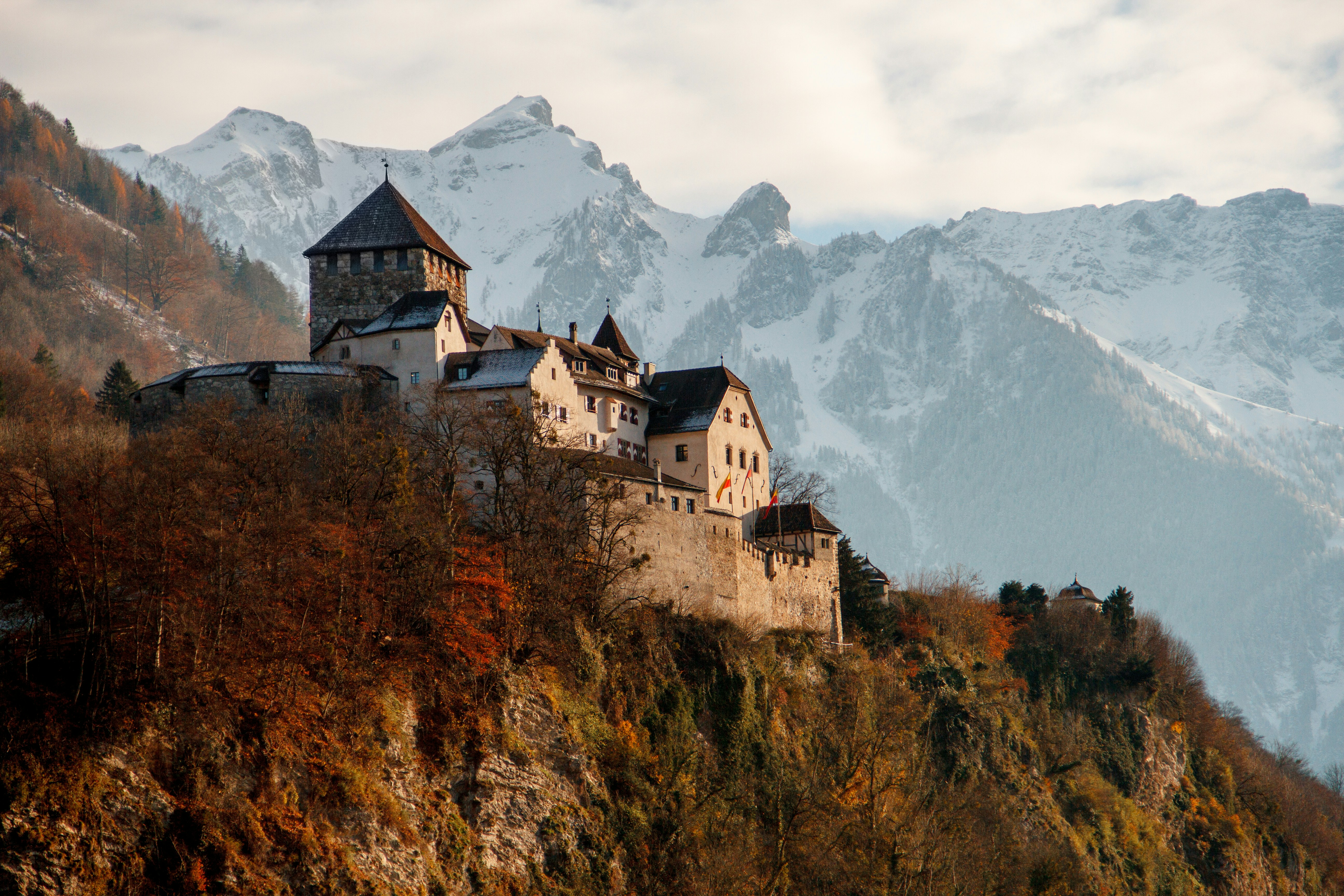
As of 2026, Liechtenstein is firmly on the radar of travellers who want big scenery without big-city stress. The country occupies just 160 square kilometres, yet offers varied experiences: the riverside capital Vaduz with its castle on the hill, ski slopes in Malbun, charming villages like Triesenberg, and a dense network of hiking and cycling trails connecting everything. You can wake up in the mountains, spend the afternoon in an art museum, and be back at a cosy guesthouse by sunset.
A major advantage is simplicity. Liechtenstein uses the Swiss Franc (CHF), shares transport links with Switzerland and Austria, and follows Schengen Area rules for visas and entry. Most visitors arrive via Zurich or another Swiss city and transfer by train and bus, making it easy to slot Liechtenstein into a broader Europe itinerary that includes France, Italy, or Germany.
This pillar guide is designed as your starting point: use the itinerary-oriented cluster articles—3 Days in Liechtenstein: A Day-by-Day Itinerary, Liechtenstein in 5 Days: The Perfect Extended Itinerary, and Liechtenstein in 10 Days: The Ultimate Travel Itinerary—to build a trip length that matches your time and budget. Then layer in the budget, transport, eSIM, and cultural guides for detail.
If you enjoy destinations that feel intimate, orderly, and quietly spectacular rather than crowded and loud, Liechtenstein in 2026 is an excellent choice—especially when combined with Hello’s trip-planning and expense-tracking tools in the Hello app.
Best Time to Visit Liechtenstein
The best time to visit Liechtenstein is late spring to early autumn (May–September) for hiking and clear views, while winter (December–March) is ideal if you’re coming specifically for skiing and snow landscapes in Malbun.
Liechtenstein has a temperate alpine climate, meaning four distinct seasons with changing travel styles. As of 2026, tourism boards highlight two main "personalities": summer hiking and winter sports. In summer, days are long, temperatures are comfortable, and mountain trails, museums, and castle viewpoints are all accessible. In winter, ski lifts in Malbun and nearby resorts operate, and the country feels like a quiet snow globe—perfect if you dislike overcrowded ski towns.
Here’s a practical season-by-season comparison:
| Season (approx.) | Weather & Conditions | Best For | Downsides |
|---|---|---|---|
| April–May | Cool, some rain; snow lingering at higher altitudes | Quieter hikes, spring landscapes | Unpredictable weather, some trails not fully open |
| June–September | Warm days, long daylight, generally stable | Hiking, cycling, outdoor cafes, festivals | Higher prices, more visitors (though still modest) |
| October–November | Cool, misty, autumn colours | Calm trips, photography, museum visits | Shorter days, some services on shoulder-season schedules |
| December–March | Cold, snow in mountains | Skiing in Malbun, winter walks | Limited hiking, occasional weather-related transport disruption |
Use the itinerary clusters—Liechtenstein in 5 Days and Liechtenstein in 10 Days—to see how activities shift by season: more hiking and village walks in summer, more skiing and indoor culture in winter.
If you prefer budget-friendly trips, targeting shoulder months (late April, May, October) can save on accommodation while still offering decent conditions. Families and casual hikers usually aim for June or September, balancing good weather with moderate crowds.
Budget Overview: How Much Does Liechtenstein Cost?
In 2026, a typical daily budget for Liechtenstein ranges from about CHF 120 for budget travellers to CHF 240 for mid-range and around CHF 520 for luxury, excluding flights but including accommodation, food, local transport, and activities.
Liechtenstein uses the Swiss Franc (CHF), and prices broadly follow Swiss levels—meaning it’s not a “cheap” destination, but you can control costs with careful planning. The Liechtenstein Travel Budget Guide: Daily Costs and Money Tips and Liechtenstein Currency & Money Guide: Exchange, Cards, and Tips break down typical daily expenses and money logistics in detail.
Here’s an at-a-glance budget comparison (per person per day, as of 2026):
| Travel Style | Approx. Daily Budget (CHF) | Accommodation | Food & Drink | Transport & Activities |
|---|---|---|---|---|
| Budget | ~120 | Hostel bed or simple guesthouse | Supermarket meals, casual cafes | Buses, occasional entry fees |
| Mid-range | ~240 | Comfortable hotel or guesthouse | Mix of restaurants and cafes | Bus/trains, museum passes, some guided tours |
| Luxury | ~520 | Top hotels, suites | Fine dining, wine | Private transfers, premium experiences |
Use the Hello app’s expense-splitting and budget-tracking tools to keep everyone on the same page if you’re travelling with friends. You can log shared accommodation, transport, and dining costs in real time, making a higher-priced destination much easier to manage.
For concrete examples of trip-wide costs, cross-check the itinerary clusters—3 Days in Liechtenstein, 5 Days, and 10 Days—which include indicative daily budgets and sample spending patterns. Combining those with the dedicated budget guide lets you adjust your plan up or down depending on your priorities.
Liechtenstein Travel Budget Guide: Daily Costs and Money Tips
Currency & MoneyLiechtenstein Currency & Money Guide: Exchange, Cards, and Tips
Itineraries3 Days in Liechtenstein: A Day-by-Day Itinerary
ItinerariesLiechtenstein in 5 Days: The Perfect Extended Itinerary
ItinerariesLiechtenstein in 10 Days: The Ultimate Travel Itinerary
Visa & Entry Requirements for 2026
Liechtenstein follows Schengen Area rules: most EU/EEA citizens and many others can visit visa-free for up to 90 days in any 180-day period, while others need a Schengen visa or, from 2026, ETIAS pre-authorization.
The principality is not part of the EU but is within the Schengen Area, and its visa policy mirrors Switzerland’s. As of 2026, citizens of many countries—including the EU/EEA, UK, US, Canada, Australia, Japan, and several others—can enter visa-free for short tourism trips, provided they respect the 90/180-day rule and have a passport valid at least three months beyond departure. Long stays and work or residence rights are much more restrictive and typically require quotas and permits.
From 2026, several currently visa-exempt nationalities must obtain ETIAS (European Travel Information and Authorisation System) approval before travelling to Schengen countries, including Liechtenstein. ETIAS is an online pre-screening that links to your passport, not a traditional visa.
For travellers who do require a visa, Liechtenstein visas are usually handled via Swiss embassies or consulates. Requirements commonly include confirmed accommodation, onward or return travel, proof of funds, and travel insurance.
If you’re travelling on a Singapore passport, the dedicated article Liechtenstein Visa & Entry Requirements for Singapore Passport Holders provides tailored advice on documentation, customs allowances, and practical border tips. For everyone else, combine your government’s travel advice with the Singapore-focused piece as a template: check whether you’re visa-exempt, confirm ETIAS requirements for 2026, and make sure your passport validity, insurance, and onward travel are all in order.
Regardless of nationality, keep digital and printed copies of your bookings and Hello eSIM confirmation ready in case border officials ask about your plans or ability to stay connected.
Getting Around Liechtenstein: Transport Made Easy
Getting around Liechtenstein in 2026 is straightforward: rely on LIEmobil buses, train connections via Switzerland or Austria, and well-maintained roads if you choose to drive.
Liechtenstein has no commercial airport of its own; most travellers arrive via Zurich or another Swiss city, then continue by train to Sargans or Buchs and transfer to LIEmobil buses into Vaduz and other towns. This integrated network makes it easy to treat Liechtenstein as a side trip or a base for exploring nearby regions.
Within the country, LIEmobil buses are the backbone of public transport, connecting Vaduz with Malbun, Triesenberg, Balzers, and other villages. Services are well-timed, and the distances are short enough that you can often combine bus segments with walks or bike rides. If you’re staying longer or travelling with family, renting a car in Switzerland and driving in gives extra flexibility, especially for early starts and late returns from hiking trails.
The cluster article Getting Around Liechtenstein: Transport Guide for Travellers offers detailed breakdowns of bus routes, tickets, rail connections, driving tips, and airport transfers, including approximate journey times and sample costs.
A simple decision guide:
- Choose public transport only if you’re following the structured 3-day or 5-day itineraries and mostly sticking to major towns and popular hiking routes.
- Consider renting a car if you have a tight schedule, want sunrise/sunset photo missions, or are travelling with kids or bulky gear.
Whichever you choose, save timetables and tickets in the Hello app, and use Hello’s shared trip-planning features to keep transport details visible to everyone in your group.
Food & Dining: What to Eat in Liechtenstein
Liechtenstein’s food scene blends hearty Alpine comfort dishes, Swiss and Austrian influences, and modern European cuisine, with prices and dining styles similar to neighbouring Switzerland as of 2026.
Expect rich, warming plates ideal after a day outdoors: cheese-forward dishes, dumplings, rösti-like potatoes, and robust meat mains. Traditional specialities often overlap with those in the surrounding region, but local restaurants and guesthouses give them a distinctly Liechtenstein touch, especially in villages like Malbun and Triesenberg.
The Liechtenstein Food Guide: Must-Try Dishes, Prices, and Tips dives into specific recommendations: signature dishes to look for, typical restaurant price ranges, street-food or casual options, and how to navigate dietary restrictions (vegetarian, vegan, halal, gluten-free) in a small but accommodating market.
A rough 2026 per-meal comparison:
| Meal Type | Typical Price (CHF) | Notes |
|---|---|---|
| Bakery breakfast | 5–10 | Coffee plus pastry or simple sandwich |
| Casual lunch | 15–25 | Cafe or simple restaurant, main plus drink |
| Sit-down dinner | 30–60+ | Starter, main, possibly dessert; higher in fine-dining spots |
To manage costs, mix supermarket or bakery lunches with one sit-down dinner per day. Use the Hello app’s expense-splitting feature to share restaurant bills among friends without awkward calculations.
Food safety standards are high, tap water is generally safe to drink, and reservations are recommended at popular spots—especially during winter peak in Malbun or summer weekends in Vaduz. Combine the food guide with the Liechtenstein Cultural Guide: Etiquette, Customs, and Tips to understand local table manners, tipping norms, and how to politely handle bill-splitting in a culture that values discretion.
Top Experiences & Suggested Itineraries
Liechtenstein’s top experiences cluster around Vaduz’s castle views and museums, Malbun’s ski and hiking terrain, and scenic village walks—easy to combine into 3-, 5-, or 10-day itineraries depending on your time.
For first-time visitors, the essential hits usually include: strolling Vaduz’s main street with views of Vaduz Castle, visiting the modern art museum and national museum, hiking between villages along well-marked trails, and at least one day in Malbun for mountain scenery (or skiing in winter). Short trips focus on these highlights; longer stays add slower days in smaller villages, side hikes, and perhaps cross-border excursions.
The cluster itineraries provide ready-made plans:
- 3 Days in Liechtenstein: A Day-by-Day Itinerary for a concentrated city-and-mountains introduction.
- Liechtenstein in 5 Days: The Perfect Extended Itinerary for a deeper, still relaxed experience.
- Liechtenstein in 10 Days: The Ultimate Travel Itinerary for slow travel, hidden corners, and flexible detours.
Use this simple trip-length decision framework:
- 1–2 days: Best as a side trip from Switzerland or Austria. Focus on Vaduz plus a quick Malbun visit.
- 3–5 days: Ideal if you want balance—culture, light hiking, and village time without rushing.
- 7–10 days: For hikers, photographers, or remote workers wanting a calm base.
Once you choose a length, import your chosen itinerary into the Hello app, then layer in timing (seasonal considerations from the “Best Time to Visit” section), budget estimates from the Liechtenstein Travel Budget Guide, and logistics from the Getting Around Liechtenstein: Transport Guide for Travellers.
3 Days in Liechtenstein: A Day-by-Day Itinerary
ItinerariesLiechtenstein in 5 Days: The Perfect Extended Itinerary
ItinerariesLiechtenstein in 10 Days: The Ultimate Travel Itinerary
Budget PlanningLiechtenstein Travel Budget Guide: Daily Costs and Money Tips
Getting AroundGetting Around Liechtenstein: Transport Guide for Travellers
Staying Connected: Hello eSIM in Liechtenstein
The easiest way to stay online in Liechtenstein in 2026 is with Hello eSIM, using a Switzerland/Liechtenstein data plan that works seamlessly across both countries with instant activation and no physical SIM card.
Liechtenstein piggybacks on Swiss and regional networks, so coverage is generally strong in towns like Vaduz and villages along the valley. In more remote hiking areas, signal can be patchier, but having a robust data plan is invaluable for navigation, bus timetables, and weather forecasts.
The cluster article eSIM for Liechtenstein: Best Plans, Coverage, and Setup Tips explains exactly how Hello eSIM works in Liechtenstein: step-by-step setup, best-value data packages for short and longer stays, typical speeds, and coverage quirks to expect in mountainous terrain. It also includes troubleshooting tips (like ensuring your phone is eSIM-compatible and unlocked) and guidance on managing data usage.
Beyond connectivity, Hello functions as a travel companion app: you can track expenses, split costs with friends, and store your Liechtenstein itinerary and bookings in one place. For a country where prices are relatively high, this helps keep your budget under control.
Practical connectivity tips:
- Activate your Hello eSIM before arrival so you have data as soon as you cross into Switzerland or Liechtenstein.
- Download offline maps for key areas like Vaduz, Malbun, and main hiking routes.
- Use Hello’s shared trip-planning features so everyone in your group has access to live transport updates and reservations.
Compared with relying on hotel Wi‑Fi or roaming, a dedicated Hello eSIM plan for Liechtenstein gives you much more flexibility and usually better value in 2026.
Safety, Health, and Cultural Etiquette
Liechtenstein is considered very safe as of 2026, with low crime rates, high public order, and reliable healthcare—yet it still pays to understand basic safety practices, cultural etiquette, and insurance needs.
Petty crime is relatively rare, especially compared with larger European cities, but you should still follow standard precautions: watch your belongings in busier areas, and secure valuables at your accommodation. Outdoor risks (weather changes, slippery trails, winter sports injuries) are more relevant than crime, making suitable clothing and insurance more important than anti-theft strategies.
The Liechtenstein Safety Guide: Tips for a Safe Trip covers emergency contacts, common issues, and how to respond if something goes wrong. It also explains health considerations, such as ensuring you have coverage for mountain rescue or ski-related incidents if you plan to visit Malbun in winter.
Equally important is cultural understanding. Liechtenstein shares a lot with its neighbours: a preference for politeness, punctuality, quiet respect in public spaces, and subtle rather than flashy behaviour. The Liechtenstein Cultural Guide: Etiquette, Customs, and Tips offers practical advice on greetings, dress codes, language basics, and social norms.
A few etiquette highlights:
- Greet with a polite "Grüezi" in German where possible.
- Be punctual for tours, meals, and meetings.
- Respect private property—many scenic spots sit near people’s homes.
Check your government’s travel advisory for the latest safety updates (as of mid-2026, advice remains generally positive), but combine that with the safety and cultural cluster guides for day-to-day behavioural tips. Store emergency numbers and key phrases in the Hello app for quick offline access.
Money, Currency, and Paying in Liechtenstein
Liechtenstein uses the Swiss Franc (CHF), with widespread card acceptance and ATMs, making payments straightforward for visitors in 2026—but you should still carry some cash and understand local tipping norms.
Prices generally follow Swiss levels and are higher than many other European destinations like Portugal or Thailand. Most hotels, restaurants, and shops accept major credit and debit cards, contactless payments, and mobile wallets, but small cafes, mountain huts, or local events may prefer cash. ATMs are available in main towns.
The Liechtenstein Currency & Money Guide: Exchange, Cards, and Tips walks through the details: how and where to exchange money, typical ATM fees, using cards safely, and practical money-saving tactics. It also explains tipping customs, which lean toward modest rounding rather than large percentages.
To streamline finances with friends, use the Hello app’s expense-splitting and budget-tracking tools. Instead of trying to remember who paid for what, log shared costs—accommodation, transport, group meals—as you go.
A simple money-handling framework:
- Bring one primary card and one backup, ideally from different providers.
- Withdraw a small amount of cash (e.g., CHF 50–100) at a time for incidental expenses.
- Monitor spending in Hello, comparing your actual daily average to the ranges in the Liechtenstein Travel Budget Guide.
If you’re combining Liechtenstein with eurozone countries, remember that CHF is distinct from EUR; you may need to hold both currencies if you’re also visiting places like Germany or France.
Before You Go: 2026 Checklist for Liechtenstein
Before you go to Liechtenstein in 2026, confirm your visa or ETIAS status, set up Hello eSIM, and lock in your budget, accommodation, and transport—then you’re ready for a smooth alpine escape.
Think of this checklist as your pre-departure roadmap, tying together the details from all cluster articles:
-
Passport & Entry
- Ensure at least 6 months’ validity beyond your return date.
- Check whether you’re visa-exempt, need ETIAS, or must apply for a Schengen visa.
- If you’re a Singaporean traveller, review Liechtenstein Visa & Entry Requirements for Singapore Passport Holders.
-
Budget & Money
- Decide your travel style (budget, mid-range, or luxury) using the Liechtenstein Travel Budget Guide.
- Plan how much CHF cash and card capacity you’ll bring, guided by the Liechtenstein Currency & Money Guide.
-
Connectivity & Apps
- Download the Hello app on iOS or Android.
- Purchase and activate a Hello eSIM for the Switzerland/Liechtenstein region using eSIM for Liechtenstein: Best Plans, Coverage, and Setup Tips.
-
Itinerary & Transport
- Choose a trip length and base itinerary: 3 Days, 5 Days, or 10 Days.
- Confirm your arrival route and internal transport with Getting Around Liechtenstein: Transport Guide for Travellers.
-
Safety & Culture
- Read the Liechtenstein Safety Guide: Tips for a Safe Trip.
- Familiarise yourself with local etiquette via the Liechtenstein Cultural Guide: Etiquette, Customs, and Tips.
Ticking these off in Hello’s trip planner ensures you arrive with your major logistics already handled, leaving you free to focus on views, trails, and relaxed days.
Liechtenstein Visa & Entry Requirements for Singapore Passport Holders
Budget PlanningLiechtenstein Travel Budget Guide: Daily Costs and Money Tips
Currency & MoneyLiechtenstein Currency & Money Guide: Exchange, Cards, and Tips
eSIM & ConnectivityeSIM for Liechtenstein: Best Plans, Coverage, and Setup Tips
Itineraries3 Days in Liechtenstein: A Day-by-Day Itinerary
ItinerariesLiechtenstein in 5 Days: The Perfect Extended Itinerary
ItinerariesLiechtenstein in 10 Days: The Ultimate Travel Itinerary
Safety & HealthLiechtenstein Safety Guide: Tips for a Safe Trip
Cultural GuideLiechtenstein Cultural Guide: Etiquette, Customs, and Tips
Frequently Asked Questions
Is Liechtenstein worth visiting in 2026, or should I just stay in Switzerland?
Yes—Liechtenstein is worth a dedicated visit in 2026 if you enjoy quiet alpine scenery, compact cities, and a very safe, orderly environment. While it shares many traits with Switzerland, it has its own identity, especially in Vaduz and Malbun, and lends itself well to 3–5 day trips using the 3-day and 5-day itineraries.
How many days do I need in Liechtenstein?
Most travellers find 2–5 days ideal. Two days cover Vaduz and a short Malbun visit; three days let you add more hiking and museum time; five days allow slower village exploration. If you’re a hiker or remote worker, the Liechtenstein in 10 Days: The Ultimate Travel Itinerary shows how a longer stay can work.
Do I need a visa or ETIAS to visit Liechtenstein in 2026?
Liechtenstein follows Schengen rules. Many nationalities can enter visa-free for up to 90 days in any 180-day period, but from 2026 several visa-exempt travellers must obtain ETIAS pre-authorization. If you’re a Singapore passport holder, the Liechtenstein Visa & Entry Requirements for Singapore Passport Holders article explains your specific situation.
Is Liechtenstein expensive compared with other European countries?
Liechtenstein’s costs are broadly similar to Switzerland, and higher than many other European destinations. In 2026, typical daily budgets are around CHF 120 (budget), CHF 240 (mid-range), and CHF 520 (luxury). The Liechtenstein Travel Budget Guide: Daily Costs and Money Tips provides detailed breakdowns, while the Liechtenstein Currency & Money Guide covers payment logistics.
How do I get around Liechtenstein without a car?
It’s easy to explore without driving. LIEmobil buses link most towns and villages, and trains via Switzerland or Austria connect you to the wider region. The Getting Around Liechtenstein: Transport Guide for Travellers explains routes, tickets, and sample journeys in detail, and you can store those plans in the Hello app for quick access.
What’s the best way to stay online in Liechtenstein?
In 2026, the simplest option is Hello eSIM with a Switzerland/Liechtenstein data plan. It gives instant activation, strong coverage in populated areas, and avoids roaming surprises. The eSIM for Liechtenstein: Best Plans, Coverage, and Setup Tips article walks through setup and how to choose the right plan for trip length.
Is Liechtenstein safe for solo travellers and families?
Yes—Liechtenstein is widely considered very safe for solo travellers, families, and older visitors. Crime rates are low, public spaces are orderly, and healthcare access is good. The Liechtenstein Safety Guide: Tips for a Safe Trip outlines common risks (mostly outdoors and weather-related) and practical precautions.
eSIM Plans for Liechtenstein
Detailed Articles
Dive deeper into specific topics covered in this guide.
3 Days in Liechtenstein: A Day-by-Day Itinerary
A detailed 3-day itinerary for Liechtenstein with daily activities, costs, neighborhoods, and transport tips.
12 June 2026
Liechtenstein in 5 Days: The Perfect Extended Itinerary
A detailed 5-day itinerary for Liechtenstein with daily activities, costs, neighborhoods, and transport tips for an extended stay.
7 May 2026
Liechtenstein in 10 Days: The Ultimate Travel Itinerary
A comprehensive 10-day itinerary for Liechtenstein covering top attractions, hidden gems, daily costs, and transport between cities.
21 June 2026
Liechtenstein Travel Budget Guide: Daily Costs and Money Tips
How much does it cost to travel in Liechtenstein? Daily budget breakdowns for budget, mid-range, and luxury travellers.
26 February 2026
Liechtenstein Currency & Money Guide: Exchange, Cards, and Tips
Currency exchange, credit card acceptance, ATM tips, tipping culture, and money-saving advice for Liechtenstein.
28 July 2026
Liechtenstein Visa & Entry Requirements for Singapore Passport Holders
Visa requirements, passport validity, customs allowances, and entry tips for Singapore citizens travelling to Liechtenstein.
10 July 2026
Getting Around Liechtenstein: Transport Guide for Travellers
Airport transfers, public transport, ride-hailing apps, inter-city travel, and driving tips for Liechtenstein.
26 May 2026
Liechtenstein Food Guide: Must-Try Dishes, Prices, and Tips
Best local dishes, street food, restaurant prices, dietary options, and food safety tips for Liechtenstein.
17 May 2026
More Travel Guides
Destination Guide
Complete Bosnia and Herzegovina Travel Guide 2026
Everything you need to know about travelling to Bosnia and Herzegovina — budget, visa, food, transport, eSIM connectivity, and itineraries.
Destination Guide
Complete Bahamas Travel Guide 2026
Everything you need to know about travelling to Bahamas — budget, visa, food, transport, eSIM connectivity, and itineraries.
Destination Guide
Complete Bahrain Travel Guide 2026
Everything you need to know about travelling to Bahrain — budget, visa, food, transport, eSIM connectivity, and itineraries.
Destination Guide
Complete Sint Eustatius Travel Guide 2026
Everything you need to know about travelling to Sint Eustatius — budget, visa, food, transport, eSIM connectivity, and itineraries.