Liechtenstein Safety Guide: Tips for a Safe Trip
Safety tips, health advisories, emergency contacts, common scams, and travel insurance advice for Liechtenstein.
By Hello Travel Team
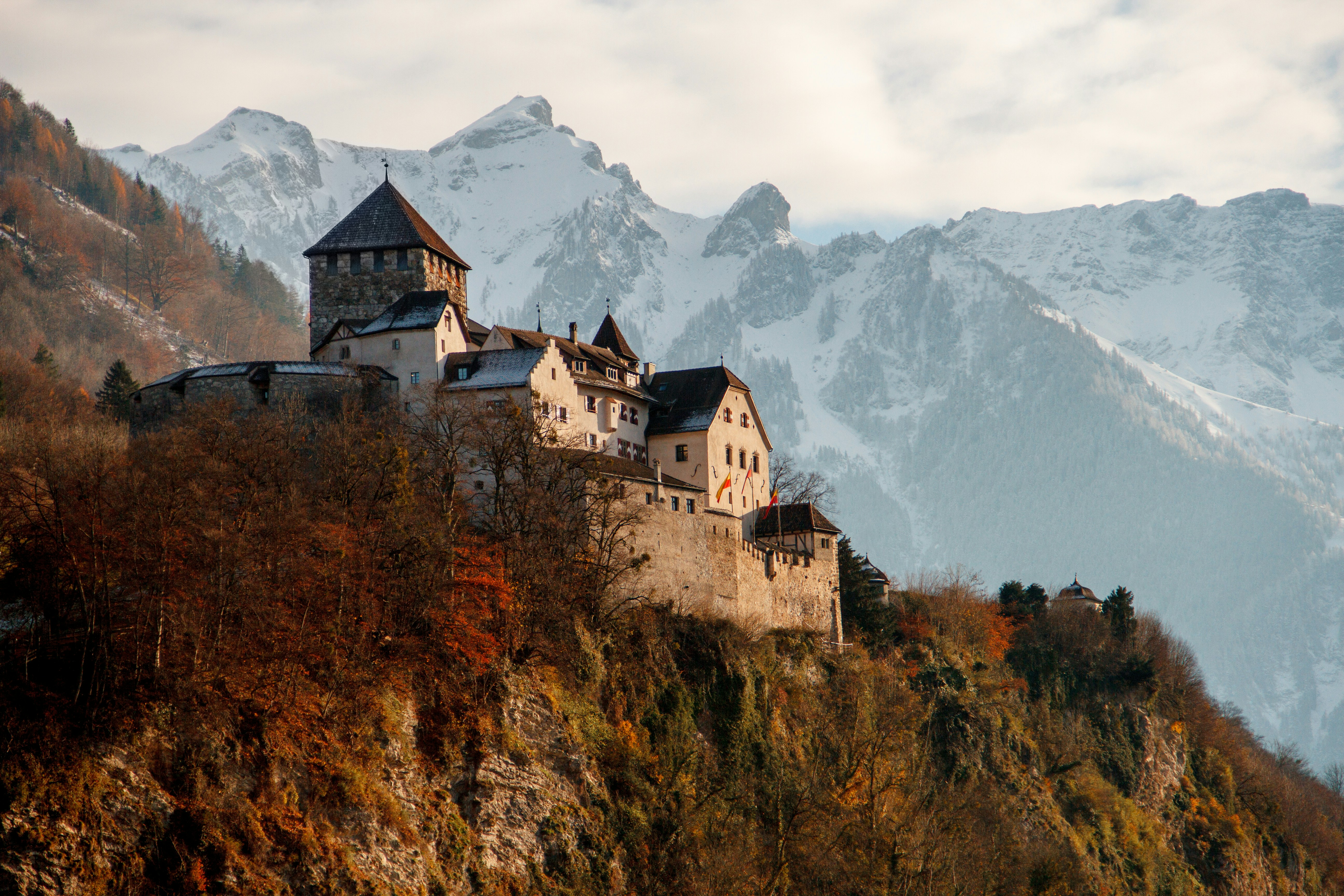
TL;DR: Is Liechtenstein Safe for Travellers?
Yes—Liechtenstein is generally considered a very safe destination, with low crime and reliable public services. Most visitors only need normal precautions: protect valuables on trains and in busy areas, prepare carefully for mountain weather, carry travel insurance, and save the local emergency numbers before exploring Vaduz. Liechtenstein’s police advise calling 112 for the European emergency service, 117 for police, 118 for fire, and 144 for an ambulance. The country’s main practical risks are not serious crime but petty theft, road incidents, hiking accidents, ticks, and rapidly changing alpine conditions. For a connected trip, install Hello eSIM before departure so maps, transport information, translation tools, and emergency calls over data remain available when you arrive.
Liechtenstein Travel Safety: Crime, Scams, and Everyday Precautions
Liechtenstein travel safety is excellent overall, but a safe reputation does not eliminate ordinary travel risks; keep valuables secure, use licensed services, and remain alert in transport hubs, restaurants, and crowded events. Canadian travel advice describes the crime rate as low while noting occasional pickpocketing and purse snatching, particularly where travellers gather. Common Liechtenstein scams are usually low-level rather than elaborate: overpriced unofficial taxis, misleading accommodation listings, card-payment surcharges, fake ticket or donation requests, and distraction theft. Reduce the risk by checking prices before accepting a ride or service, booking accommodation through a reputable platform, reviewing receipts, and refusing unsolicited help with ATMs or luggage. Keep passports, phones, and wallets in zipped compartments, especially on trains and at stations connecting to Switzerland and Austria. Avoid leaving bags visible in a parked rental car, even during a short viewpoint stop. Liechtenstein uses the Swiss franc, and prices can be high: a casual restaurant meal may cost roughly CHF 20–35 per person in 2026, while a more formal meal can exceed CHF 50. Track shared costs in Hello’s app using multi-currency expense splitting and automatic exchange-rate conversion, particularly if your group also pays in euros.
Liechtenstein Emergency Numbers and What to Do in an Incident
Save Liechtenstein emergency numbers before travelling: dial 112 for the European emergency line, 117 for police, 118 for fire, and 144 for ambulance services. If you are in immediate danger, move to a safe location, call the appropriate number, and state your exact village, street, landmark, or hiking route. The official Liechtenstein police list 117 for police and 118 for fire; UK travel guidance lists 144 for medical emergencies, while 112 can connect callers to emergency services across Europe. On mountain trails, describe the last marked sign, trail colour, elevation, and direction of travel, and do not leave an injured person alone unless conditions are unsafe. For a road collision, contact emergency services immediately and photograph the scene only when safe. Your insurer’s 24-hour assistance number should be stored separately from your phone, ideally in an offline note. Singapore citizens should check the Singapore Ministry of Foreign Affairs’ latest consular directory before departure because Singapore does not maintain a resident embassy in Liechtenstein; assistance is generally handled through Singapore’s accredited mission covering Switzerland or another nearby European post. For serious incidents, contact local police first, then Singapore’s nearest responsible mission.
Health Advice, Vaccinations, Water, and Mountain Risks in Liechtenstein
Health risks in Liechtenstein are generally manageable: routine vaccinations, sensible food and water habits, tick precautions, and mountain preparation cover most trips. Public-health guidance recommends being up to date with routine vaccines, including measles, tetanus, diphtheria, pertussis, polio, and seasonal influenza; the CDC also recommends hepatitis B vaccination for unvaccinated travellers. Check with a doctor or travel clinic at least four to eight weeks before departure, especially if pregnant, travelling with children, or planning extended hiking. Tick exposure can occur from spring through autumn in grass and woodland; wear long trousers, use repellent, stay on maintained paths, and check skin after walks. Ask a clinician whether tick-borne encephalitis vaccination is appropriate for your itinerary. Altitude-related illness is possible in higher areas, although most sightseeing around Vaduz is not high altitude. Tap water is generally safe to drink; carry a reusable bottle and follow local notices at mountain fountains. Pack sunscreen, rain protection, sturdy footwear, personal medicines, and blister care. Medical treatment in Liechtenstein and neighbouring Switzerland can be expensive, so retain receipts and confirm whether your policy pays providers directly or reimburses you later.
Solo Female, LGBTQ+, and Outdoor Safety in Liechtenstein
Solo female and LGBTQ+ travellers generally experience Liechtenstein as a welcoming, low-crime destination, but standard personal-safety habits remain useful after dark and in isolated mountain areas. Vaduz and the main villages are compact and typically easy to navigate alone; tell someone your route before hiking, download or screenshot trail information, and avoid starting challenging walks late in the day. Mountain weather can change quickly, so check forecasts, wear shoes with traction, and turn around when visibility or footing deteriorates. Do not rely on a mobile signal for rescue, particularly in valleys or wooded sections; Hello eSIM connectivity can help with navigation and weather updates, but it cannot replace preparation or emergency services. LGBTQ+ visitors should find the general social environment respectful, while public displays of affection may attract attention in more conservative settings; use the same situational awareness applied anywhere. Cyclists and pedestrians should watch for traffic on narrow roads and obey marked crossings. If travelling by car, remember that alpine routes may be steep, weather-affected, or seasonally restricted. Share your live itinerary with a trusted contact, keep identification and insurance details accessible, and carry a small power bank on full-day excursions.
Travel Insurance for Liechtenstein: What to Buy and Check
Travel insurance is strongly recommended for Liechtenstein because medical care, mountain rescue, cancellations, and treatment in nearby Switzerland can create substantial out-of-pocket costs. Choose a policy with emergency medical coverage, evacuation and repatriation, trip cancellation or interruption, baggage protection, and 24-hour assistance. If you plan to ski, hike, climb, paraglide, or mountain-bike, confirm that the activity and maximum altitude are covered; standard policies often exclude specialist sports or rescue after ignoring official warnings. Check whether the policy covers pre-existing conditions, rental-car excess, missed connections, and electronics, and note any deductible. A practical policy should pay at least several hundred thousand dollars or euros in emergency medical expenses, with evacuation arranged by the insurer rather than left entirely to you. Keep the policy number, assistance telephone number, passport copy, medication list, and emergency contacts in cloud storage and offline on your phone. Save digital receipts as you travel. Hello’s AI receipt scanning can read receipts in different languages and currencies, while its budget-tracking and bank-statement import tools help organise claims and group spending. Insurance does not replace precautions: never hike beyond your ability, and follow local closures, warnings, and transport instructions.
Common Questions About Liechtenstein Safety
Most visitors can enjoy Liechtenstein without unusual precautions, provided they prepare for alpine conditions and follow ordinary European travel-safety habits. The questions below cover the concerns travellers most often raise before visiting.
Is Liechtenstein safe for solo travellers? Yes. Crime is low, public transport is dependable, and towns are manageable on foot. Take extra care on isolated trails, at night, and when carrying valuables.
What are the Liechtenstein emergency numbers? Call 112 for the European emergency number, 117 for police, 118 for fire, and 144 for an ambulance. Give your location and follow the operator’s instructions.
Are there common Liechtenstein scams? Serious tourist scams are not a defining problem. Watch for distraction theft, unofficial taxis, fake listings, unexplained card fees, and unsolicited donation or ticket requests.
Can I drink tap water? Yes, tap water is generally safe. Use marked public fountains and follow any local advisory notices.
Do I need vaccines for Liechtenstein? No special vaccine is routinely required for ordinary visitors, but routine vaccinations should be current. Ask a clinician about hepatitis B, seasonal flu, measles protection, and tick-borne encephalitis if hiking.
Is Liechtenstein safe for LGBTQ+ travellers? Generally yes. Respect local norms, use normal situational awareness, and seek help from police if harassment or a crime occurs.
How can I stay connected? Buy and activate Hello eSIM for Liechtenstein before departure for instant data access on arrival, subject to network coverage and your phone’s eSIM compatibility.
Explore These Destinations
Stay Connected
Ready for Liechtenstein?
eSIM data, expense splitting, budget tracking, and more. Everything you need for a smooth trip in one app.
Related Articles
Liechtenstein Currency & Money Guide: Exchange, Cards, and Tips
Currency exchange, credit card acceptance, ATM tips, tipping culture, and money-saving advice for Liechtenstein.
28 July 2026
Liechtenstein Visa & Entry Requirements for Singapore Passport Holders
Visa requirements, passport validity, customs allowances, and entry tips for Singapore citizens travelling to Liechtenstein.
10 July 2026
eSIM for Liechtenstein: Best Plans, Coverage, and Setup Tips
Everything you need to know about using eSIM in Liechtenstein. Best data plans, network coverage, and setup instructions.
1 July 2026