Key Takeaways
- ✓Kazakhstan is best approached as a country of regions, not a single city break.
- ✓Spring and autumn are the most balanced seasons for first-time visitors.
- ✓Budget separately for base travel and experience add-ons like tours and private transfers.
- ✓Visa and entry rules should be checked before departure, especially if your passport or stay length matters.
- ✓Getting around is the biggest planning variable because distances are large.
- ✓Hello eSIM is the simplest way to stay connected from arrival, especially for maps and ride-hailing.
- ✓Food is one of the trip highlights, but the best strategy is to mix local dishes with practical everyday meals.
- ✓A realistic itinerary with fewer transfers is usually more enjoyable than trying to see too much too fast.
Kazakhstan is one of the most rewarding big-country trips in Central Asia: a place where futuristic skylines, vast steppe landscapes, alpine lakes, canyon scenery, and deeply rooted nomadic culture all fit into one itinerary. In 2026, it is especially appealing for travellers who want a destination that still feels spacious and underexplored, but is practical enough to visit independently with good transport, strong mobile coverage in major corridors, and a growing food and hospitality scene.
This complete Kazakhstan travel guide brings together the essentials you need to plan confidently: when to go, how much to budget, visa and entry basics, how to get around, what to eat, the best experiences to prioritise, how to stay connected with Hello eSIM, and the practical details that make a trip smoother. It is designed as a pillar page, so each section gives you the big-picture view and points you to a deeper cluster article when you want costs, itineraries, transport, or culture in more detail.
If you are deciding whether to visit Kazakhstan for a short city break, a one-week adventure, or a longer cross-country journey, this guide will help you compare seasons, understand regional differences, and choose an itinerary style that matches your time and travel budget. Think of it as your master planner for a country that is bigger, more varied, and easier to enjoy than many first-time visitors expect.
Why Visit Kazakhstan in 2026
Kazakhstan offers a rare mix of scale, contrast, and accessibility: you can move from modern urban districts to mountain scenery, canyon landscapes, and traditional cuisine without needing a complicated trip. For many travellers, that combination is the main draw, along with relatively strong value for money compared with more established long-haul destinations. As a travel base, it works well for both first-time Central Asia visitors and repeat travellers looking for something more varied than a single-city break.
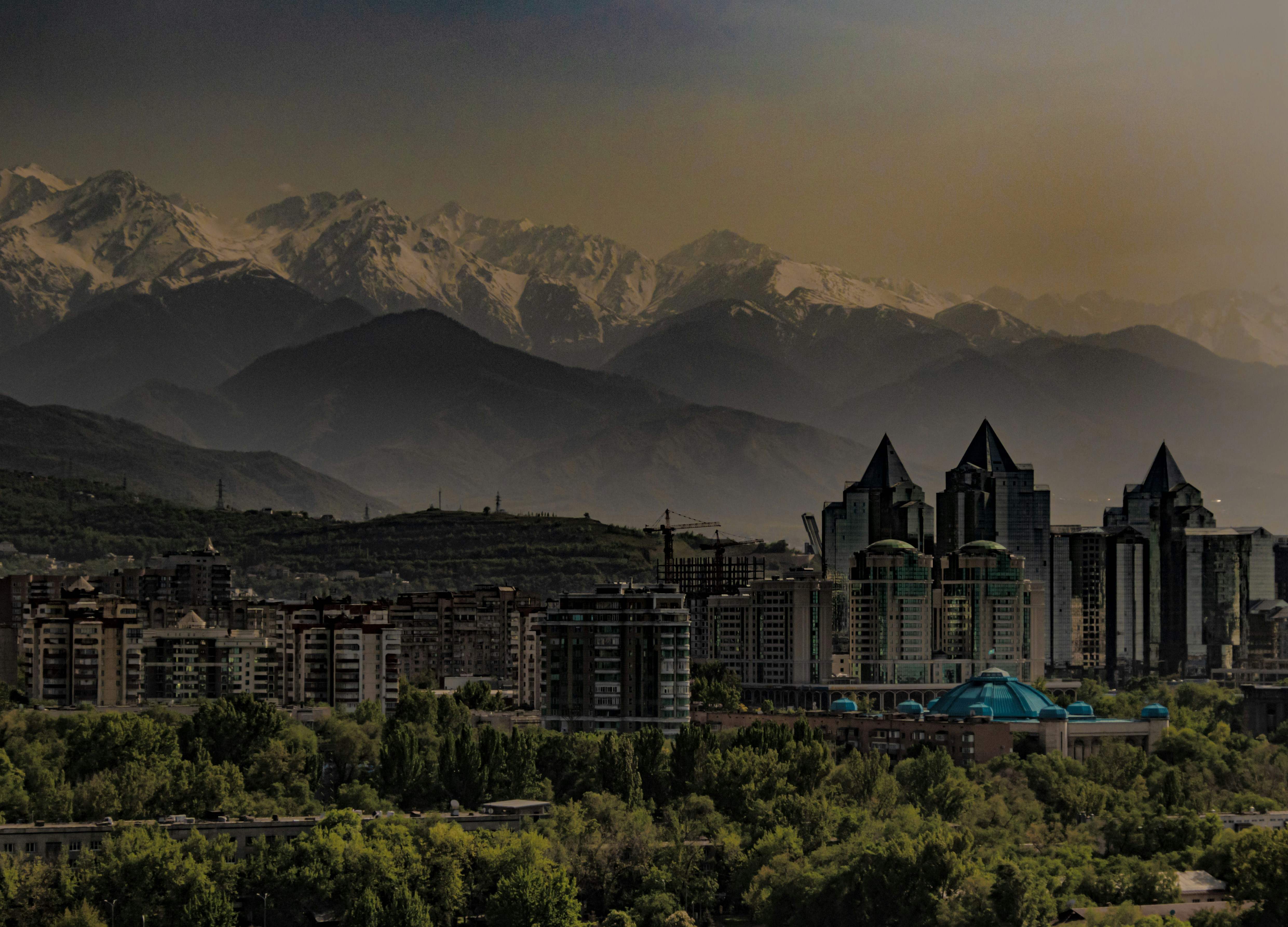
At a high level, Kazakhstan is best understood as a destination of regions rather than one uniform experience. Almaty is the most common entry point for nature, food, and city life; Astana is the capital and a showcase for contemporary architecture; and the southern and eastern landscapes reward travellers who want lakes, canyons, and mountain scenery. If you are planning a broader regional trip, it is also a useful anchor country for Central Asia itineraries.
For inspiration on how to structure a short or longer trip, start with 3 Days in Kazakhstan: A Day-by-Day Itinerary, Kazakhstan in 5 Days: The Perfect Extended Itinerary, and Kazakhstan in 10 Days: The Ultimate Travel Itinerary. Those guides show how different trip lengths change what is realistic, especially when factoring in inter-city distances and transit time. For city-level planning and local customs, Kazakhstan Cultural Guide: Etiquette, Customs, and Tips is also essential.
A good way to approach Kazakhstan is to think in three layers: urban experiences, nature escapes, and logistical realism. The best trips balance all three rather than trying to “see the whole country” in too little time. That perspective is what makes Kazakhstan satisfying rather than rushed.
Best Time to Visit Kazakhstan
The best time to visit Kazakhstan depends on whether you want city comfort, mountain hiking, snow scenery, or lower crowds. In general, spring and early autumn are the sweet spots for most travellers because temperatures are milder and outdoor sightseeing is more pleasant. Summer can be excellent for alpine and lake regions, while winter is best for travellers who want cold-weather city travel or ski-focused plans.
At a glance, the seasonal trade-off looks like this:
| Season | Typical travel feel | Best for | Main drawback |
|---|---|---|---|
| Spring (Mar-May) | Fresh, changeable, increasingly green | City sightseeing, early nature trips | Variable weather |
| Summer (Jun-Aug) | Warm to hot in cities, good for mountain escapes | Lakes, hiking, longer itineraries | Heat in lowlands |
| Autumn (Sep-Nov) | Crisp, stable, excellent light | Most balanced overall season | Colder by late autumn |
| Winter (Dec-Feb) | Cold, dramatic, quiet | Snow scenery, skiing, city breaks | Short daylight, freezing temperatures |
For most first-time visitors, late May to June and September are the easiest months for combining urban and outdoor experiences. If your priority is alpine scenery near Almaty, summer and early autumn are especially attractive. If you prefer fewer tourists and don’t mind cold weather, winter can be surprisingly atmospheric, particularly in the cities.
Weather matters more than many travellers expect because Kazakhstan’s distances are large and the climate is continental. That means conditions can change dramatically between regions, and the same month can feel very different in a city versus a mountain area. Before choosing dates, decide whether your trip is mainly about sightseeing, hiking, skiing, or a mix. Then match the season to that goal.
For practical trip timing, compare your ideal weather window with the pacing in Kazakhstan in 5 Days: The Perfect Extended Itinerary and Kazakhstan in 10 Days: The Ultimate Travel Itinerary, since route design changes a lot by season.
Budget Overview: How Much a Kazakhstan Trip Costs
Kazakhstan can be very affordable or comfortably mid-range depending on where you stay, how often you use private transport, and how ambitious your itinerary is. In 2026, the biggest cost drivers are usually accommodation in the major cities, inter-city transport, and guided day trips to nature spots. Food and local transport often remain good-value compared with many long-haul destinations.
Budget ranges at a glance:
| Traveller style | Estimated daily spend | Typical choices |
|---|---|---|
| Budget | Lower-cost guesthouses, public transport, simple meals | Hostels, shared taxis, local eateries |
| Mid-range | Comfortable hotels, ride-hailing, a mix of dining styles | 3-star to 4-star stays, occasional tours |
| Luxury | Premium hotels, private transfers, finer dining | High-end stays, private drivers, curated experiences |
For a realistic planning breakdown, use Kazakhstan Travel Budget Guide: Daily Costs and Money Tips together with Kazakhstan Currency & Money Guide: Exchange, Cards, and Tips. Those articles cover the real-world questions travellers usually have: how much cash to carry, where cards are accepted, and how to avoid unnecessary exchange losses.
A useful rule for Kazakhstan is to budget separately for “base travel” and “experience add-ons.” Base travel includes lodging, food, city transport, and basic inter-city movement. Add-ons include canyon tours, mountain transfers, domestic flights, guides, and upgrades such as private drivers. That split helps you avoid underestimating the true cost of a trip that includes both cities and nature.
If you are travelling with friends, Hello’s trip planning and expense-splitting tools can make shared costs easier to manage, especially when a day combines taxis, meals, and paid excursions. For a smooth trip, it is also smart to keep a small cash buffer for markets, rural stops, and smaller vendors, even if cards work well in larger cities.
Visa & Entry: What to Know Before You Fly
Visa and entry rules for Kazakhstan depend on your passport, length of stay, and purpose of travel, so this is one area where checking the latest requirements before departure is essential. For Singapore passport holders, the entry process is often straightforward, but travellers should still confirm passport validity, permitted stay length, and customs rules before flying in 2026.
The most efficient approach is to verify your entry status early, then reconfirm it close to travel in case rules change. This matters because visa policies can be updated, and some travellers focus only on the headline “visa-free” message without checking passport validity requirements or allowed stay periods. Even when a visa is not required, border officers may still ask about onward travel, accommodation, or proof of sufficient funds.
For a focused walkthrough, use Kazakhstan Visa & Entry Requirements for Singapore Passport Holders. It covers passport validity, customs allowances, and practical entry tips in a way that is especially useful for Singapore travellers. If you are travelling on a different passport, the same principles still apply: confirm your eligibility, check whether you need a visa or registration step, and make sure your documents match the purpose of your visit.
A smart pre-flight routine is to keep digital and printed copies of the key documents you may need at immigration: passport bio page, accommodation address, return or onward ticket, and travel insurance details if applicable. If you are also planning to stay connected on arrival, setting up Hello eSIM in advance can be helpful because it reduces the need to search for connectivity immediately after landing.
Kazakhstan is generally approachable for independent travellers, but entry rules are not something to guess at. Treat this as a must-check item, not a last-minute detail.
Getting Around Kazakhstan
Getting around Kazakhstan is easiest when you plan around distance, not just point-to-point convenience. The country is large, and the best transport choice changes depending on whether you are moving within a city, taking a day trip to nature, or crossing long inter-city stretches. In practice, most travellers use a mix of ride-hailing, trains, domestic flights, and private transfers.
The biggest travel mistake is underestimating the size of the country and overpacking too many stops into one short itinerary. A better strategy is to build around a few anchor bases, then take day trips or one-way transfers from there. City transport is generally manageable, but once you move beyond the main urban centres, travel times can increase quickly. That makes route planning more important than in compact destinations.
For a practical breakdown of airport transfers, public transport, ride-hailing apps, inter-city travel, and driving advice, see Getting Around Kazakhstan: Transport Guide for Travellers. If you want to understand how transport shapes itinerary design, compare that guide with 3 Days in Kazakhstan: A Day-by-Day Itinerary and Kazakhstan in 10 Days: The Ultimate Travel Itinerary.
A useful planning rule is this: use the simplest transport that still preserves your energy. For short city hops, ride-hailing is often the easiest option. For longer routes, trains or flights may save time and reduce fatigue. For nature trips, organized transport or a driver can be worth the extra cost because the logistics are often the hardest part of the day.
If you are travelling as a group, transport can also become a budgeting question, not just a logistical one. Shared rides and split costs often make private transfers more reasonable than they first appear. That is where trip planning and expense splitting in Hello can be genuinely useful. The more remote your stop, the more valuable it is to pre-plan timing, pickup points, and backup contact details.
Food & Dining in Kazakhstan
Kazakh food is hearty, welcoming, and closely tied to the country’s nomadic heritage, but the dining scene in major cities now includes everything from casual cafés to modern restaurants. For travellers, the appeal is not just trying signature dishes; it is also the chance to explore a cuisine that reflects Central Asian, Russian, and broader Eurasian influences.
A first-time food plan should include a mix of traditional meals and easy everyday options. That way you experience the local cuisine without making every meal a project. In cities, you will find everything from inexpensive noodle dishes and grilled meats to bakeries, tea houses, and international food. Outside the big centres, menus may be simpler, so flexibility helps.
For dish recommendations, pricing, dietary notes, and food safety advice, start with Kazakhstan Food Guide: Must-Try Dishes, Prices, and Tips. If you also want to balance your meal choices with your spending plan, pair it with Kazakhstan Travel Budget Guide: Daily Costs and Money Tips.
What to prioritise on a first trip:
| Food goal | Best approach | Why it works |
|---|---|---|
| Try local classics | Order one traditional dish per day | Lets you sample without overcommitting |
| Eat well on a budget | Mix street food, bakeries, and casual cafés | Good value and fast service |
| Handle dietary restrictions | Research menus in major cities first | Bigger cities offer the most flexibility |
| Avoid food stress | Stick to busy, reputable places | Usually the easiest rule for travellers |
A practical dining tip: Kazakhstan is a place where meals can be generous, so sharing or ordering thoughtfully is often smarter than over-ordering. Also, if you are doing long sightseeing days, keep snacks and water with you because travel time between stops can be longer than expected. For a broader view of etiquette around meals and hospitality, Kazakhstan Cultural Guide: Etiquette, Customs, and Tips adds helpful context.
Top Experiences: What to See and Do
The best Kazakhstan itineraries mix city highlights with at least one nature-focused experience, because that contrast is what makes the country memorable. If you only see urban districts, you miss the landscapes; if you only do nature day trips, you miss the contemporary side of the country. A balanced trip gives you both.
For many travellers, the top experiences fall into four categories: city landmarks, alpine and lake scenery, canyon landscapes, and cultural encounters. In and around Almaty, this often means mountain viewpoints, lakes, and easy escapes from the city. In Astana, the focus is more on architecture, museums, and modern urban spaces. Elsewhere, you can build a route around regional landscapes and historical sites.
If you want detailed day-by-day suggestions, use 3 Days in Kazakhstan: A Day-by-Day Itinerary, Kazakhstan in 5 Days: The Perfect Extended Itinerary, and Kazakhstan in 10 Days: The Ultimate Travel Itinerary. For deeper context on local behaviour and respectful travel, Kazakhstan Cultural Guide: Etiquette, Customs, and Tips is also worth reading before you go.
A strong way to choose experiences is by trip style:
- First-timer city break: focus on one main city plus one easy day trip.
- Nature-focused trip: prioritise mountains, lakes, and canyon scenery.
- Cultural trip: add museums, markets, traditional food, and local interaction.
- Mixed itinerary: combine one city base with one or two outdoor excursions.
The decision framework is simple: choose one “signature experience” that defines the trip, then build the rest around it. For example, if your signature is alpine scenery, everything else should support that pace and location. This prevents the common mistake of overloading your schedule with too many long transfers. Kazakhstan rewards travellers who leave room for the landscape to be part of the experience rather than just the backdrop.
Hello eSIM Connectivity in Kazakhstan
Reliable mobile data makes Kazakhstan much easier to navigate, especially if you are using maps, ride-hailing, translation apps, or inter-city logistics. In 2026, the simplest approach for most travellers is to set up Hello eSIM before departure so you can land with connectivity already active and avoid hunting for SIM cards on arrival.
A good connectivity plan should do three things: activate quickly, cover the places you are actually visiting, and fit your data needs without forcing you to overbuy. That is why Hello eSIM is especially useful for short trips and multi-stop itineraries, where being online the moment you arrive can save time and stress. It is also helpful for keeping travel companions coordinated if your group splits up during sightseeing.
For setup tips, coverage considerations, and plan selection, read eSIM for Kazakhstan: Best Plans, Coverage, and Setup Tips. That guide is the best place to compare usage patterns and understand how to prepare your device before departure. If you are also tracking expenses during the trip, Hello’s budgeting tools can help you monitor shared costs alongside your connectivity spending.
Quick decision guide:
| Traveller type | Best connectivity approach | Why |
|---|---|---|
| Short city trip | Hello eSIM | Fast setup, easy arrival use |
| Multi-city itinerary | Hello eSIM | No need to manage physical SIM changes |
| Group travel | Hello eSIM + trip planning tools | Easier coordination and expense tracking |
| Heavy data user | Larger Hello eSIM data plan | Better for maps, uploads, and streaming |
A practical habit is to download offline maps before you arrive, even if you plan to use Hello eSIM throughout the trip. That gives you backup navigation in areas with weaker service or during transfer days. You should also test your device’s eSIM compatibility before travelling, because setup is easiest when everything is prepared in advance.
For modern independent travel in Kazakhstan, connectivity is not a luxury; it is part of the core trip infrastructure.
Practical Tips, Safety, and Cultural Know-How
The most successful Kazakhstan trips are usually the ones where travellers prepare for the practical realities of a large country: weather swings, transport gaps, language differences, and occasional long stretches between major services. None of these are deal-breakers, but all of them are easier to handle when you plan ahead.
Start with the basics: carry a little cash, keep key addresses saved in both English and local-language form if possible, and allow more time than you think you need for transfers. In cities, modern services make independent travel straightforward. Outside them, a more prepared mindset pays off quickly. If you are visiting markets, smaller towns, or nature areas, snacks, water, and offline maps are simple insurance.
For etiquette, greetings, and everyday behaviour, use Kazakhstan Cultural Guide: Etiquette, Customs, and Tips. For health, emergency preparation, and common travel risks, Kazakhstan Safety Guide: Tips for a Safe Trip is the best companion article. Those guides are especially useful if this is your first trip to Central Asia.
Practical priorities by importance:
- Save your accommodation and transport details offline.
- Keep backup payment methods available.
- Use Hello eSIM for immediate access to maps and messaging.
- Dress for the season, especially outside the cities.
- Don’t over-schedule long-distance days.
A helpful mindset is to treat Kazakhstan as a destination where preparation improves the trip more than perfection does. Small decisions — such as choosing the right season, staying connected, and avoiding an overpacked route — have an outsized effect on comfort. That is why the safest and most enjoyable trips are usually the ones with a realistic pace, a modest buffer in the budget, and a clear understanding of local norms.
Before You Go Checklist
Use this checklist to make sure the essentials are covered before your Kazakhstan trip. It is designed for travellers who want to move quickly from planning to departure without missing the details that matter most. The goal is not to over-prepare, but to remove the common sources of avoidable stress.
Before you leave:
- Confirm your visa or entry eligibility and passport validity.
- Book your first night’s accommodation.
- Save your airport transfer and hotel address offline.
- Set up Hello eSIM before departure.
- Download offline maps for your main destinations.
- Check the season-specific weather forecast.
- Review your budget for lodging, inter-city transport, and tours.
- Carry a mix of cash and cards.
- Store travel insurance and emergency contacts in your phone.
- Read the cultural and safety guides before arrival.
This checklist works best when paired with the cluster articles in the guide. For documents, see Kazakhstan Visa & Entry Requirements for Singapore Passport Holders. For money, see Kazakhstan Currency & Money Guide: Exchange, Cards, and Tips. For navigation, see Getting Around Kazakhstan: Transport Guide for Travellers. For staying online, see eSIM for Kazakhstan: Best Plans, Coverage, and Setup Tips.
A final pre-departure check is to look at your itinerary through the lens of transit time. If one day requires too many long transfers, trim it before you go. Kazakhstan is much more enjoyable when you leave space to absorb the destination instead of rushing through it. That is especially true if you want to combine city experiences with nature trips in one journey.
Kazakhstan Visa & Entry Requirements for Singapore Passport Holders
Currency & MoneyKazakhstan Currency & Money Guide: Exchange, Cards, and Tips
Getting AroundGetting Around Kazakhstan: Transport Guide for Travellers
eSIM & ConnectivityeSIM for Kazakhstan: Best Plans, Coverage, and Setup Tips
Frequently Asked Questions
Is Kazakhstan easy to visit for first-time travellers?
Yes. Major cities are accessible, the food scene is welcoming, and many trip essentials are manageable independently. The main challenge is distance, so the easiest trips are those that focus on one region or combine a city base with one or two well-planned excursions.
How many days do I need for Kazakhstan?
Three days works for a focused city trip, five days is enough for a more balanced introduction, and ten days gives you time to combine cities with nature and inter-city travel. The best length depends on whether you want a short overview or a deeper cross-country experience.
What is the best month to visit Kazakhstan?
For most travellers, late spring to early summer and September are the most comfortable months. They usually offer the best balance of weather, scenery, and ease of getting around, especially if you want both city sightseeing and outdoor day trips.
Do I need cash in Kazakhstan?
Yes, it is smart to carry some cash even if cards work well in larger cities. Cash is useful for smaller vendors, markets, rural stops, and any situations where card acceptance is limited.
Is Hello eSIM a good option for Kazakhstan?
Yes. Hello eSIM is a convenient choice for travellers who want connectivity ready on arrival, especially for maps, messaging, ride-hailing, and itinerary coordination. It is particularly useful for short trips and multi-city travel.
What should I eat first in Kazakhstan?
Start with a mix of local classics and easy city staples so you can experience the cuisine without overthinking every meal. A good strategy is to try one traditional dish per day and balance it with familiar options when needed.
Is Kazakhstan safe for tourists?
Most trips are straightforward if you use normal urban travel precautions, stay aware of your surroundings, and plan transport carefully. The best practice is to read a current safety guide before travelling and avoid overpacking your schedule.
eSIM Plans for Kazakhstan
Detailed Articles
Dive deeper into specific topics covered in this guide.
3 Days in Kazakhstan: A Day-by-Day Itinerary
A detailed 3-day itinerary for Kazakhstan with daily activities, costs, neighborhoods, and transport tips.
12 June 2026
Kazakhstan in 5 Days: The Perfect Extended Itinerary
A detailed 5-day itinerary for Kazakhstan with daily activities, costs, neighborhoods, and transport tips for an extended stay.
7 May 2026
Kazakhstan in 10 Days: The Ultimate Travel Itinerary
A comprehensive 10-day itinerary for Kazakhstan covering top attractions, hidden gems, daily costs, and transport between cities.
20 June 2026
Kazakhstan Cultural Guide: Etiquette, Customs, and Tips
Essential do's and don'ts, greeting customs, dress codes, local phrases, and cultural tips for Kazakhstan.
3 June 2026
Getting Around Kazakhstan: Transport Guide for Travellers
Airport transfers, public transport, ride-hailing apps, inter-city travel, and driving tips for Kazakhstan.
25 May 2026
Kazakhstan Travel Budget Guide: Daily Costs and Money Tips
How much does it cost to travel in Kazakhstan? Daily budget breakdowns for budget, mid-range, and luxury travellers.
25 February 2026
Kazakhstan Currency & Money Guide: Exchange, Cards, and Tips
Currency exchange, credit card acceptance, ATM tips, tipping culture, and money-saving advice for Kazakhstan.
27 July 2026
Kazakhstan Visa & Entry Requirements for Singapore Passport Holders
Visa requirements, passport validity, customs allowances, and entry tips for Singapore citizens travelling to Kazakhstan.
10 July 2026
More Travel Guides
Destination Guide
Complete Bosnia and Herzegovina Travel Guide 2026
Everything you need to know about travelling to Bosnia and Herzegovina — budget, visa, food, transport, eSIM connectivity, and itineraries.
Destination Guide
Complete Bahamas Travel Guide 2026
Everything you need to know about travelling to Bahamas — budget, visa, food, transport, eSIM connectivity, and itineraries.
Destination Guide
Complete Bahrain Travel Guide 2026
Everything you need to know about travelling to Bahrain — budget, visa, food, transport, eSIM connectivity, and itineraries.
Destination Guide
Complete Sint Eustatius Travel Guide 2026
Everything you need to know about travelling to Sint Eustatius — budget, visa, food, transport, eSIM connectivity, and itineraries.