Kazakhstan Cultural Guide: Etiquette, Customs, and Tips
Essential do's and don'ts, greeting customs, dress codes, local phrases, and cultural tips for Kazakhstan.
By Hello Travel Team
This article contains affiliate links. If you book through them, Hello may earn a commission at no additional cost to you. Our editorial recommendations are independent. Learn more.
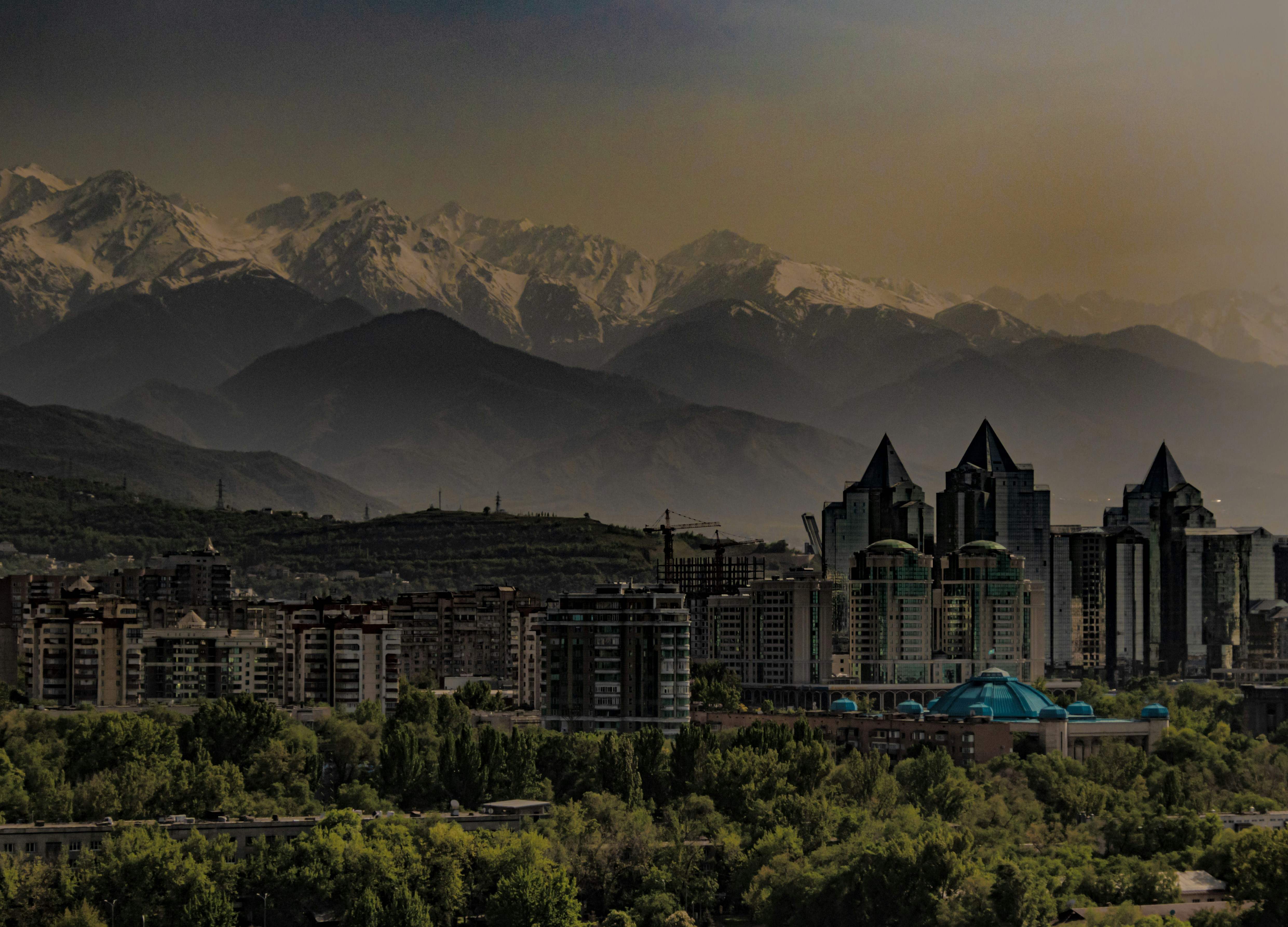
TL;DR: Kazakhstan culture, etiquette, and essential dos and don’ts
Kazakhstan culture blends nomadic traditions and modern city life, so respectful etiquette means greeting warmly, dressing modestly, and observing local customs in homes, mosques, and bazaars. Learn simple Kazakh and Russian phrases, avoid sensitive topics, and follow conservative dress and photography rules, especially in religious or government spaces.
At its core, Kazakhstan etiquette is about hospitality, politeness, and avoiding unnecessary confrontation. Guests are treated generously, and you’re expected to reciprocate with gratitude, small gifts, and good manners. Public behavior is generally calm and reserved, even in lively cities like Almaty and Astana (still widely called Nur-Sultan).
Key Kazakhstan dos and don’ts:
- Do greet with a firm handshake and eye contact in business and formal settings.
- Do remove shoes when entering a private home if others do.
- Do dress modestly for mosques and mausoleums (covered shoulders and legs; headscarf for women recommended).
- Don’t criticize local politics, the Soviet past, or religion casually.
- Don’t refuse offered tea or snacks without a polite explanation.
For logistics, Kazakhstan is visa-free for many nationalities for 14–30 days as of 2026, according to Kazakhstan’s Ministry of Foreign Affairs. Major cities have reliable LTE and growing 5G coverage, so an eSIM from Hello makes it easy to arrive connected and navigate from Kazakhstan airports to the city without hunting for a SIM counter.
Use this guide as a practical cultural toolkit—perfect for trip planners researching Kazakhstan customs, greetings, and everyday etiquette before they go.
Greeting customs and local phrases in Kazakhstan culture
Kazakhstan greetings are polite but warm, with handshakes, eye contact, and a few simple Kazakh or Russian phrases going a long way toward respectful etiquette. Learn “salamatsyz ba,” “zdravstvuyte,” and “rahmet” to show you value local customs when meeting people or entering shops and offices.
In everyday Kazakhstan culture, you’ll encounter both Kazakh and Russian; Russian remains widely used in cities and business, while Kazakh is increasingly promoted as the state language. According to Kazakhstan’s Bureau of National Statistics, around 80–85% of the population is proficient in Russian, while Kazakh fluency continues to rise steadily.
Common greeting phrases:
- Kazakh (formal): "Salamatsyz ba" – Hello (polite)
- Kazakh (informal): "Salem" – Hi
- Russian (formal): "Zdravstvuyte" – Hello
- Russian (informal): "Privet" – Hi
- Thank you (Kazakh): "Rahmet"
- Thank you (Russian): "Spasibo"
In business settings, men usually shake hands, sometimes placing the left hand over the heart. Women may shake hands or simply nod; follow the other person’s lead. Address people using first name + patronymic in formal contexts (e.g., "Aidos Serikovich"), which signals respect.
A typical shop or cafe interaction in Almaty or Shymkent might start with a simple "Salem" or "Zdravstvuyte," followed by your order. You’ll find younger Kazakhs increasingly comfortable switching to English in tourist areas, but outside hubs like Almaty, Astana, and Turkistan, English is still limited. Downloading offline maps and translation tools and using Hello’s eSIM data makes it easier to bridge language gaps on the go.
Kazakhstan dos and don’ts: everyday etiquette, homes, and social customs
The most important Kazakhstan dos and don’ts center on hospitality, respect for elders, and modest behavior—accept tea, avoid loud public arguments, and show courtesy when visiting homes or sharing traditional meals like beshbarmak and plov. Following these simple customs will make your trip smoother and social encounters more pleasant.
Hospitality is a cornerstone of Kazakhstan culture. Guests are offered tea (chai), sweets, and often a full meal, especially in family homes. Refusing outright may be seen as rude; if you’re full, explain gently and at least accept tea. According to Kazakhstan’s tourism committee, domestic and international tourism has grown steadily since 2023, and locals are increasingly accustomed to foreign visitors, but traditional expectations remain strong outside major cities.
Key everyday etiquette tips:
- Shoes: Remove shoes when entering a home if you see others doing so; slippers are often provided.
- Elders: Give up your seat on buses and in the metro for older people; address them respectfully.
- Public behavior: Avoid shouting, public drunkenness, and overt displays of affection—these can attract disapproval.
- Money: Cash is still widely used, especially in bazaars; expect to pay around $3–5 in 2026 for a simple lunch at a local cafe, per regional price tracking by Numbeo.
When sharing traditional dishes, the host may serve you personally; accept what’s given and try at least a small portion. In rural areas or when invited to a yurt, being offered meat, especially horse meat, can be a sign of honor—declining is acceptable if you explain dietary restrictions politely.
Staying mindful of these Kazakhstan customs turns everyday interactions—whether in a village near Almaty or a modern Astana apartment—into positive cultural exchanges rather than awkward misunderstandings.
Dress codes, religious sites, and photography rules in Kazakhstan
Kazakhstan dress codes are generally relaxed in cities, but modest clothing is expected at mosques, mausoleums, and rural communities, where covering shoulders and knees and respecting photography restrictions protects both you and local sensibilities. Think “smart casual” for cities and “conservative” for religious or traditional spaces.
In Almaty or Astana, you’ll see everything from Western business attire to casual jeans and T-shirts, especially among younger people. However, Kazakhstan etiquette shifts when you visit religious sites like Hazrat Sultan Mosque in Astana or Khoja Ahmed Yasawi Mausoleum in Turkistan. Women should bring a scarf to cover hair; men and women both should avoid shorts, sleeveless tops, and tight or revealing clothing.
Typical expectations:
- Mosques: Remove shoes before entering prayer halls, keep voices low, and avoid walking in front of people who are praying.
- Mausoleums and shrines: Treat them like places of worship—no loud chatter, eating, or climbing on structures.
- Rural areas: Opt for longer skirts or trousers and tops that cover shoulders; this is appreciated in conservative communities.
Photography rules vary. As a rule of thumb:
- Always ask before photographing people, especially elders and children.
- Avoid taking pictures of military sites, border posts, and certain government buildings, as this can attract unwanted attention or even fines under local regulations.
- In some mosques, photography inside prayer areas is restricted; look for signs or ask staff.
For social media and travel blogging, remember that some locals prefer privacy. If you’re documenting your journey around Kazakhstan with Hello’s mobile data, blur faces or ask explicit permission before posting. This blend of modest dress and sensitive photography keeps you on the right side of both cultural norms and local laws.
Business etiquette, meetings, and gift-giving customs in Kazakhstan
Kazakhstan business etiquette combines Soviet-influenced formality with Central Asian hospitality, so punctuality, conservative dress, and small, thoughtful gifts are appreciated in meetings and negotiations. Address people respectfully, build relationships over tea, and avoid high-pressure tactics or overly casual behavior in early interactions.
In urban centers like Astana and Almaty, business dress is typically formal: suits and ties for men, professional dresses or suits for women. First meetings often start with a firm handshake, exchange of business cards, and a short conversation over tea or coffee. For anything official, aim to arrive on time or slightly early—punctuality signals reliability.
Useful business etiquette pointers:
- Forms of address: Use given name + patronymic or titles like "Mr." or "Ms." until invited to switch to first names only.
- Meetings: Expect them to be structured but not rushed; relationship-building is important.
- Decision-making: Senior leaders often make final decisions, so your key counterpart may not be the only decision-maker.
Gift-giving customs:
- Small gifts from your home country (chocolates, local specialties, branded notebooks) are welcome in business and personal contexts.
- Avoid overly expensive or flashy gifts, which can be uncomfortable or misinterpreted.
- Present gifts with both hands and a short explanation; they may not be opened immediately.
Here’s a quick comparison of social vs business etiquette:
| Context | Greeting style | Dress code | Typical gift type |
|---|---|---|---|
| Social/home visit | Warm, sometimes informal | Modest casual | Sweets, fruit, small souvenirs |
| Business meeting | Formal handshake, titles | Business formal | Branded or country-specific |
If you’re splitting costs for client dinners or team trips, Hello’s expense splitting and multi-currency tracking is useful; a mid-range business dinner in Almaty in 2026 might cost $20–35 per person, according to international price comparisons, and the app can convert and categorize these automatically.
Local holidays, seasonal customs, and how they affect travel plans
Kazakhstan’s major holidays—especially Nauryz in March and Independence Day in December—shape travel plans, with crowded trains, higher demand for hotels, and lively cultural events that can be both a highlight and a logistical challenge. Plan around these dates to enjoy celebrations without getting stuck by closures.
According to Kazakhstan’s official holiday calendar, key national holidays include:
- Nauryz (Nowruz): Around 21 March, celebrating spring and the new year in Turkic and Persian traditions.
- Independence Day: 16 December, marking independence from the Soviet Union in 1991.
- Constitution Day: 30 August.
- Victory Day: 9 May.
Nauryz is especially significant in Kazakhstan culture. Cities like Almaty, Shymkent, and Turkistan host outdoor concerts, traditional horse games, and yurt villages offering free food and shows. The government reported millions participating in Nauryz events nationwide in recent years, with domestic travel surging around this period.
Travel implications:
- Transport: Trains and domestic flights can book out early around major holidays, especially Nauryz and New Year. Book at least 2–3 weeks in advance if you’re traveling in late March or late December.
- Accommodation: Expect higher demand and sometimes modest price increases; mid-range hotels in Almaty can rise from around $50–70 per night to $70–90 in peak 2026 holiday seasons, per hotel price aggregators.
- Closures: Some government offices and smaller museums close on official holidays, though big attractions often remain open with reduced hours.
Religious observances, including Ramadan for the Muslim population, may affect restaurant hours and alcohol availability in certain areas, particularly smaller cities or villages. During these times, be extra mindful of Kazakhstan etiquette—avoid eating or drinking conspicuously in front of fasting individuals during the day, and be respectful around mosques at prayer times.
Common Questions about Kazakhstan etiquette and customs (Q&A)
Kazakhstan etiquette is generally straightforward: greet politely, dress modestly in religious or rural areas, accept hospitality with gratitude, and avoid sensitive topics like politics and ethnic tensions. These simple habits answer most common traveler worries about dos and don’ts in everyday Kazakh life.
Q: Is Kazakhstan safe and friendly for tourists?
Yes. Major cities like Almaty, Astana, and Shymkent are considered relatively safe compared with many global capitals, with crime rates moderate and mostly non-violent, according to international security indexes. Locals are often curious and welcoming, especially if you show interest in Kazakhstan culture.
Q: Do I need to speak Kazakh, or is Russian enough?
Russian is widely understood and used in business and daily life, while Kazakh is the state language and increasingly visible in signage and media. Knowing basic phrases in both is ideal, but you can get by with Russian and some English in tourist areas.
Q: What are the top dos and don’ts for first-time visitors?
- Do: Accept tea, show respect to elders, and remove shoes in homes.
- Do: Dress conservatively for mosques and mausoleums.
- Don’t: Take photos of military or border facilities, or criticize religion and politics casually.
Q: How should I handle money, tipping, and splitting costs?
Cash (tenge) is common in bazaars; cards work in most urban restaurants and malls. Tipping of 5–10% is appreciated but not always expected. If you’re traveling with friends, Hello’s expense tracking—with AI receipt scanning and multi-currency splitting—simplifies keeping track of shared taxis, tours, and dinners.
Q: How do I stay connected and navigate?
Mobile data coverage is strong in cities and along major highways. Getting a Hello eSIM for Kazakhstan before you land lets you use maps, translation tools, and ride-hailing apps instantly, avoiding airport SIM queues and helping you respect local Kazakhstan customs from day one.
Explore These Destinations
Stay Connected
Book this trip
Compare options on trusted travel sites
Plan activities for this trip
Continue to a reviewed booking partner to check schedules, inclusions, and terms.

Make the most of Kazakhstan
From eSIM connectivity to expense tracking, Hello is the all-in-one companion that keeps your trip stress-free.
Related Articles
Kazakhstan Currency & Money Guide: Exchange, Cards, and Tips
Currency exchange, credit card acceptance, ATM tips, tipping culture, and money-saving advice for Kazakhstan.
27 July 2026
Kazakhstan Safety Guide: Tips for a Safe Trip
Safety tips, health advisories, emergency contacts, common scams, and travel insurance advice for Kazakhstan.
19 July 2026
Kazakhstan Visa & Entry Requirements for Singapore Passport Holders
Visa requirements, passport validity, customs allowances, and entry tips for Singapore citizens travelling to Kazakhstan.
10 July 2026