Key Takeaways
- ✓Guyana is a 2026 hidden gem for wildlife, rainforest, and authentic multicultural culture with relatively low tourist numbers.
- ✓Expect mid-range costs: budget travel is possible, but interior flights and eco-lodges quickly increase your overall budget.
- ✓Time your trip around Guyana’s wetter and drier periods, aiming for drier months if you have limited days or fixed schedules.
- ✓Use Hello eSIM for instant, hassle-free connectivity in Guyana, and rely on offline maps and lodge Wi‑Fi in remote areas.
- ✓Travel logistics can be complex—combine domestic flights, minibuses, and boats, and build buffer days into longer itineraries.
- ✓Cash in Guyanese dollars remains essential, especially outside Georgetown; cards are useful but not universally accepted.
- ✓Safety for travellers is manageable with common-sense precautions and respect for local advice, especially in urban and remote areas.
- ✓Use this pillar guide with the detailed cluster articles to build a realistic, well-budgeted itinerary tailored to your travel style.
Guyana is one of South America’s most under-the-radar gems: rainforest-covered, rich in wildlife, and shaped by a unique blend of Caribbean, Indigenous, Indian, African, and European influences. If you love places that feel genuinely off-the-beaten path but still welcoming and accessible, Guyana belongs near the top of your 2026 travel list.
This complete Guyana travel guide is your hub for planning a trip, whether it’s a quick 3-day city break in Georgetown or a 10-day expedition to Kaieteur Falls and deep into the Rupununi savannah. You’ll find high-level overviews of budget, visas, transport, food, eSIM connectivity, safety, and sample itineraries, with links to detailed cluster articles like Guyana Travel Budget Guide: Daily Costs and Money Tips and Guyana in 10 Days: The Ultimate Travel Itinerary for deeper dives.
Where this pillar guide adds value is in the big-picture planning: comparison tables for budget and seasons, decision frameworks for how long to stay, and “at a glance” summaries to help you decide if Guyana is right for you compared with destinations like Japan or Thailand. We’ll also highlight how the Hello app and Hello eSIM make staying connected, tracking expenses, and planning with friends simple as of 2026.
Use this guide as your starting point, then jump into the linked articles when you’re ready to refine the details. By the end, you’ll have everything you need to confidently plan and enjoy an unforgettable Guyana adventure.
Why Visit Guyana in 2026: At a Glance
Guyana in 2026 is a paradise for travellers seeking wildlife, rainforest adventure, and authentic culture with fewer crowds than most of South America. Think giant waterfalls, thriving Afro-Caribbean and Indo-Guyanese communities, and a feeling of being in on a secret.
Unlike heavily touristed neighbours, Guyana offers raw nature and genuine encounters: macaws flying over the Essequibo River, Amerindian villages in the Rupununi, and colonial architecture in Georgetown that tells the story of sugar estates and migration. It’s ideal if you’ve already hit popular spots like Thailand and Japan and want something more offbeat.
As of 2026, tourism infrastructure is modest but improving—expect small guesthouses, eco-lodges, and local tour operators rather than mega-resorts. That makes planning more important, which is where this guide and the Hello app come in: Hello helps you organize itineraries, split expenses with friends, and stay connected via Hello eSIM data plans for Guyana.
Use the cluster articles for depth:
- For cultural context so you don’t accidentally offend anyone, read the Guyana Cultural Guide: Etiquette, Customs, and Tips.
- For safety and health realities, including common scams and emergency contacts, see the Guyana Safety Guide: Tips for a Safe Trip.
Is Guyana right for you?
- Choose Guyana if you value wildlife, Indigenous-led tourism, and fewer tourists.
- Skip or shorten your stay if you need luxury shopping, big-city nightlife, or ultra-fast transit between attractions.
Think of this guide as your compass: each section gives a high-level overview and points to detailed articles so you can tailor Guyana to your travel style.
Best Time to Visit Guyana: Seasons & Weather
The best time to visit Guyana is generally the drier months from late August to early November and February to April, when rainforest trails are more accessible and river levels are good for boat trips. As of 2026, climate patterns remain similar but can be slightly unpredictable.
Guyana has a tropical climate with warm temperatures year-round, usually around 24–31°C (75–88°F). Instead of four seasons, think in terms of wet and less-wet periods. The country experiences two main rainy seasons: roughly May–August and November–January. Travel is possible year-round, but your experience will vary.
Here’s a simple comparison to help you choose:
| Season (approx.) | Weather & Rain | Pros | Cons |
|---|---|---|---|
| Feb–Apr | Hot, relatively dry | Great for Kaieteur Falls, jungle trekking, wildlife viewing | Higher prices, limited availability at popular lodges |
| May–Aug | Wettest months | Lush landscapes, powerful rivers | Some roads/trails muddy or flooded, possible delays |
| Sep–Nov | Transition, often drier | Good balance of access and greenery | Occasional heavy storms |
| Dec–Jan | Short rainy season | Festive atmosphere, cooler evenings | Rain can affect flights to interior regions |
If you’re planning a short trip (3–5 days) with limited flexibility, consider targeting the drier windows. For longer 10-day trips, you can build in buffer days in case of weather-related changes—our Guyana in 10 Days: The Ultimate Travel Itinerary shows how to structure that.
For more granular day-by-day suggestions that factor in weather and local events, explore:
Use those itineraries alongside this seasonal overview to time your visit for the experiences you care most about—whether that’s birdwatching, river excursions, or cultural festivals.
Budget Overview: How Much Does Guyana Cost?
As of 2026, Guyana is a mid-priced destination: cheaper than many parts of Japan, but often more expensive than backpacking in Thailand, especially for remote eco-lodges and internal flights. Your daily budget will vary widely based on how deep you go into the interior.
The Guyana Travel Budget Guide: Daily Costs and Money Tips breaks down costs in detail, but here’s an at-a-glance overview:
| Travel Style | Approx. Daily Budget (2026) | What You Get |
|---|---|---|
| Budget | US$40–70 | Simple guesthouse, local food stalls, minimal tours, limited interior travel |
| Mid-range | US$80–150 | Comfortable hotels or eco-lodges, mix of local and restaurant meals, some guided day trips |
| Higher-end | US$180–300+ | Top eco-lodges, internal flights, multi-day tours to Rupununi or Kaieteur Falls |
Note that interior trips (e.g., to Kaieteur Falls or Iwokrama Rainforest) often involve charter flights or long overland journeys, which can significantly raise overall trip costs. That’s why seemingly short itineraries like 5 or 10 days can still add up.
To manage your budget more easily:
- Use Hello’s built-in expense splitting and budget tracking to keep group costs transparent.
- Read the Guyana Currency & Money Guide: Exchange, Cards, and Tips for practical advice on ATMs, card acceptance, and tipping.
- Combine the budget guide with itineraries—3 Days in Guyana, 5 Days, and 10 Days—to estimate your total trip cost.
If you’re on a tighter budget, consider basing yourself in Georgetown with one or two interior day trips rather than multiple remote lodges. Higher-end travellers can focus on curated eco-lodge circuits and charter flights for comfort and time efficiency.
Guyana Travel Budget Guide: Daily Costs and Money Tips
Currency & MoneyGuyana Currency & Money Guide: Exchange, Cards, and Tips
Itineraries3 Days in Guyana: A Day-by-Day Itinerary
ItinerariesGuyana in 5 Days: The Perfect Extended Itinerary
ItinerariesGuyana in 10 Days: The Ultimate Travel Itinerary
Visa & Entry Requirements: What You Need for Guyana
As of 2026, visa and entry rules for Guyana depend heavily on your nationality, but most visitors need a passport valid for at least six months, proof of onward travel, and may be asked to show sufficient funds and accommodation details at the border.
The cluster article Guyana Visa & Entry Requirements for Singapore Passport Holders dives deep into requirements specific to Singaporeans, including visa status, customs allowances, and arrival procedures. While that guide focuses on one nationality, the structure is helpful for everyone: check visa needs, confirm passport validity, review customs limits, and understand health or vaccination requirements before you fly.
General entry checklist (always confirm with official sources close to your departure date):
- Passport: Valid at least 6 months beyond your planned departure from Guyana.
- Visa: Some nationalities are visa-exempt for short stays; others must apply in advance—requirements can change by 2026, so verify.
- Onward or return ticket: Airlines and immigration may ask to see proof.
- Accommodation details: Have at least your first hotel/guesthouse booking handy.
- Health requirements: Depending on your travel history, proof of yellow fever vaccination may be requested.
When planning your trip:
- Use the Singapore-focused guide as a template for what to research for your own nationality.
- Pair it with the Guyana Safety Guide: Tips for a Safe Trip for health, insurance, and emergency info.
In your Hello trip plan, store digital copies of your passport, visas, vaccination records, and confirmations so they’re easy to access offline if needed at immigration or hotel check-in.
Getting Around Guyana: Transport & Internal Travel
Getting around Guyana in 2026 is an adventure in itself: expect a mix of domestic flights, minibuses, boats, and rough roads, especially once you leave Georgetown. Planning ahead and staying flexible is key to a smooth trip.
The Getting Around Guyana: Transport Guide for Travellers explains airport transfers, public transport, ride-hailing, inter-city buses, and driving in detail. At a high level:
- Within Georgetown: Taxis and occasional ride-hailing apps are the main way to move around. Walking works in central areas during the day, though sidewalks can be uneven.
- To other towns: Minibuses and shared taxis connect Georgetown with regional centres, but departure times and comfort levels vary.
- Interior & eco-lodges: Many iconic experiences—Kaieteur Falls, Iwokrama, Rupununi—require domestic flights or long 4x4 journeys often arranged by tour operators.
Use this simple decision table:
| Your Priority | Best Transport Focus | Notes |
|---|---|---|
| Save money | Minibuses, shared taxis | Slower, less predictable, but affordable |
| Save time | Domestic flights, private transfers | Higher cost, better for short trips |
| Max adventure | Mixed overland + river routes | Great for explorers, requires flexibility |
Combine the transport guide with itineraries:
- 3 Days in Guyana shows how to focus mostly on Georgetown and nearby day trips.
- Guyana in 5 Days introduces limited interior travel.
- Guyana in 10 Days builds in multiple remote segments.
Always factor in potential delays from weather, road conditions, and scheduling. Hello’s trip planning features help you keep flight details, transfer contacts, and hotel info in one place, so last-minute changes are easier to manage.
Food & Dining in Guyana: What to Eat and What It Costs
Guyana’s food scene blends Caribbean, Indian, African, Indigenous, and European influences, with plenty of curry, roti, rice dishes, and fresh river and sea fish. As of 2026, you can enjoy both budget-friendly street food and sit-down restaurants in Georgetown and major towns.
The Guyana Food Guide: Must-Try Dishes, Prices, and Tips gives detailed dish recommendations and price ranges, but here’s the big-picture view:
- Must-try dishes: Pepperpot (rich meat stew), curry and roti, cook-up rice, chow mein and fried rice (reflecting Chinese influence), and fresh grilled fish.
- Price expectations (2026):
- Local street or market meals: roughly US$3–7.
- Mid-range restaurants in Georgetown: around US$10–20 per person.
- Hotel and eco-lodge dinners: often included in room rates or around US$20–30.
Dietary considerations:
- Vegetarians and vegans will find options, especially rice-and-veggie dishes, but remote areas may be more limited—communicate preferences early.
- Food safety is generally manageable with basic precautions: choose busy stalls, eat freshly cooked food, and be cautious with salads and tap water.
To plan your food budget and experiences:
- Pair the food guide with the Guyana Travel Budget Guide: Daily Costs and Money Tips to estimate daily meal costs.
- Use itineraries like 3 Days in Guyana and Guyana in 5 Days to see where meals fit into each day.
You can log meal expenses in Hello’s budget tracker as you go, helping you stay on target and quickly split restaurant bills with friends.
Top Experiences & Sample Itineraries
Guyana’s standout experiences in 2026 are its wild landscapes and wildlife: Kaieteur Falls, the Iwokrama Rainforest, the Rupununi savannah, and birdwatching in remote lodges, plus the cultural life of Georgetown’s markets and colonial streets.
To turn these into a realistic trip, use the cluster itineraries:
- 3 Days in Guyana: A Day-by-Day Itinerary for short urban-focused trips with one nature excursion.
- Guyana in 5 Days: The Perfect Extended Itinerary for a taste of both Georgetown and interior adventures.
- Guyana in 10 Days: The Ultimate Travel Itinerary for a full circuit spanning rivers, rainforest, and savannah.
At a high level, experiences fall into three categories:
- Nature & wildlife: Kaieteur Falls (one of the world’s highest single-drop waterfalls), canopy walks, river cruises, giant otters, and diverse birdlife.
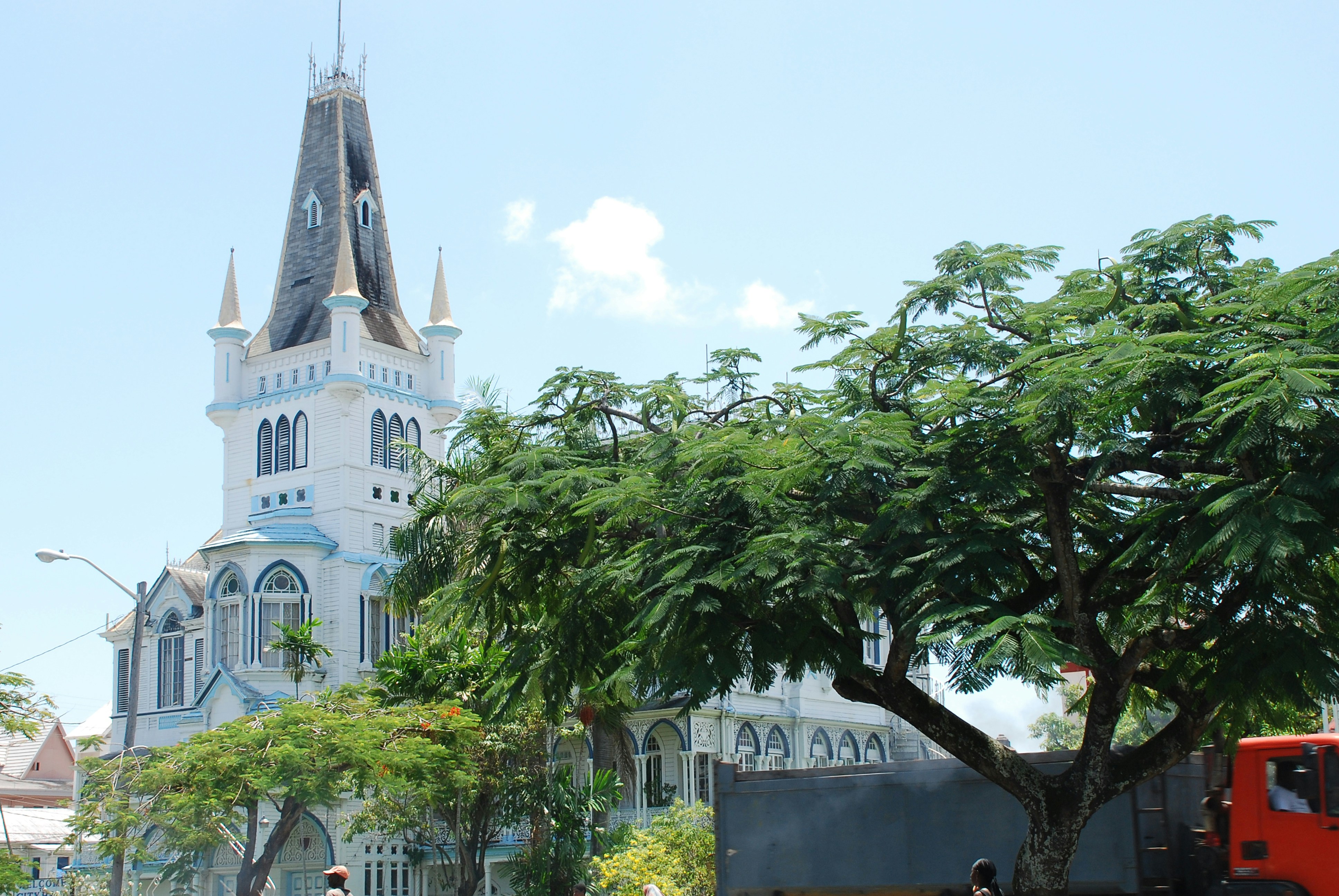
- Culture & history: Georgetown’s wooden architecture, Stabroek Market, museums, and multicultural food.
- Adventure & exploration: 4x4 trips, boat journeys, and stays in community-run eco-lodges.
Use this simple decision guide:
- If you have 3 days: Focus on Georgetown plus one major nature day trip.
- If you have 5 days: Add at least one night in the interior.
- If you have 10 days or more: Plan a full loop through multiple regions.
Hello’s trip planning tools make it easy to adapt the published itineraries: you can add your own activities, track associated costs, and share the plan with friends. Use this pillar guide to prioritize experiences, then rely on the detailed itineraries to fine-tune daily timing and logistics.
Staying Connected: Hello eSIM & Data in Guyana
As of 2026, staying online in Guyana is much easier with Hello eSIM: you can buy and activate a data plan for Guyana instantly through the Hello app, avoiding physical SIM cards and airport queues while keeping your original number for calls.
The dedicated article eSIM for Guyana: Best Plans, Coverage, and Setup Tips explains which Hello eSIM data options work best across regions, what speeds to expect, and step-by-step activation. At a high level:
- Coverage: Mobile data is generally reliable in Georgetown and other major towns, but can be limited or slower in deep interior areas—plan to go offline during some rainforest and savannah segments.
- Data needs: Many travellers are comfortable with 3–5 GB per week for navigation, messaging, social media, and light browsing; heavy streamers should budget more.
Why use Hello eSIM in Guyana:
- Instant activation on arrival, with no need to find a local SIM vendor.
- You keep your physical SIM in your phone and maintain your home number.
- Integration with Hello’s trip tools, expense tracking, and travel companion features.
Pair the eSIM guide with:
- Getting Around Guyana: Transport Guide for Travellers so you know where you’ll most need connectivity (e.g., city navigation vs. offline days in lodges).
- Guyana Safety Guide: Tips for a Safe Trip to understand why reliable data is helpful for emergency contacts and navigation.
Before you go, install Hello, pre-purchase your Hello eSIM for Guyana, and download offline maps. That way, you’re ready to connect as soon as you land, even if the airport Wi‑Fi is patchy.
Money, Currency & Paying in Guyana
Guyana’s official currency is the Guyanese dollar (GYD), and as of 2026, cash still plays a major role, especially outside Georgetown. Cards are increasingly accepted at hotels and some restaurants in the capital, but you should never rely on plastic alone.
The Guyana Currency & Money Guide: Exchange, Cards, and Tips covers exchange options, ATM locations, tipping habits, and money-saving strategies in detail. From a high-level planning perspective:
- Cash vs cards: Carry a mix—GYD for everyday transactions and a backup of US dollars if you need emergency exchange. Major hotels may accept credit cards, but small guesthouses and taxis typically prefer cash.
- ATMs: More common in Georgetown than in rural areas. Withdraw enough before heading into the interior.
- Costs: Pair the currency guide with the Guyana Travel Budget Guide: Daily Costs and Money Tips to understand how much cash you’ll need per day.
Simple planning table:
| Travel Style | Recommended Cash on Hand (excluding big tours) |
|---|---|
| Budget traveller | US$100–150 equivalent in GYD for a 3–5 day stay |
| Mid-range | US$200–300 equivalent in GYD for 5–7 days |
| Higher-end | US$400+ equivalent in GYD plus card backup for 7–10 days |
Hello’s expense tracking helps you monitor spending in multiple currencies. You can log cash withdrawals, convert to your home currency, and see which categories—food, transport, tours—are driving your costs.
For group trips, use Hello’s expense splitting to record shared taxis, tours, and restaurant bills, so you can settle up fairly without complicated spreadsheets.
Safety, Health & Local Culture
Guyana in 2026 is generally safe for travellers who use common sense and stay aware of their surroundings, especially in urban areas. Health-wise, basic precautions, travel insurance, and attention to local advice go a long way toward avoiding problems.
The Guyana Safety Guide: Tips for a Safe Trip gives a thorough overview of crime patterns, recommended neighborhoods, emergency numbers, and health considerations like mosquito-borne illnesses. At a high level:
- In Georgetown, be mindful of petty theft, avoid flashing valuables, and prefer registered taxis.
- In rural and interior areas, physical safety risks often relate more to nature—river currents, wildlife, and remote medical access.
Cultural awareness also matters. The Guyana Cultural Guide: Etiquette, Customs, and Tips helps you navigate greetings, dress codes, and everyday interactions.
Key cultural points:
- Guyana is ethnically diverse, with Afro-Guyanese, Indo-Guyanese, Indigenous Amerindian peoples, and others contributing to daily life.
- Dress modestly when visiting religious sites or rural communities.
- A friendly, respectful attitude and openness to local advice are appreciated.
Use Hello eSIM and the Hello app to:
- Keep emergency contacts and local numbers easily accessible.
- Share your live location or trip details with trusted friends and family.
Combining the safety and cultural guides with this pillar overview gives you both the mindset and practical tools needed for a respectful, low-risk trip.
Before You Go: Practical Checklist for Guyana
A solid pre-departure checklist is the secret to a smooth Guyana trip in 2026. Use this section as your quick-reference guide, then tap into the linked articles for deeper details as you prepare.
Core documents & admin:
- Confirm passport validity (at least 6 months) and check your visa requirements using the structure in Guyana Visa & Entry Requirements for Singapore Passport Holders.
- Arrange travel insurance, referencing health and emergency advice in the Guyana Safety Guide: Tips for a Safe Trip.
Money & budget:
- Read the Guyana Currency & Money Guide: Exchange, Cards, and Tips and decide how much cash vs card you’ll rely on.
- Use the Guyana Travel Budget Guide: Daily Costs and Money Tips to set a realistic daily budget.
Connectivity & planning:
- Install Hello and purchase your Hello eSIM following eSIM for Guyana: Best Plans, Coverage, and Setup Tips.
- Build your trip outline using one of the itineraries: 3 Days in Guyana, 5 Days, or 10 Days.
Culture, health & packing:
- Check etiquette, greetings, and clothing norms in the Guyana Cultural Guide: Etiquette, Customs, and Tips.
- Pack lightweight clothes, rain protection, insect repellent, and any personal medications.
Use this simple "Before You Go" decision prompt:
- Are your documents, visas, and insurance confirmed?
- Do you have your Hello eSIM and budget plan ready?
- Have you chosen an itinerary length that fits your time and budget?
If you can answer “yes” to these, you’re in great shape for your Guyana adventure.
Guyana Visa & Entry Requirements for Singapore Passport Holders
Safety & HealthGuyana Safety Guide: Tips for a Safe Trip
Currency & MoneyGuyana Currency & Money Guide: Exchange, Cards, and Tips
Budget PlanningGuyana Travel Budget Guide: Daily Costs and Money Tips
eSIM & ConnectivityeSIM for Guyana: Best Plans, Coverage, and Setup Tips
Cultural GuideGuyana Cultural Guide: Etiquette, Customs, and Tips
Itineraries3 Days in Guyana: A Day-by-Day Itinerary
ItinerariesGuyana in 5 Days: The Perfect Extended Itinerary
ItinerariesGuyana in 10 Days: The Ultimate Travel Itinerary
Frequently Asked Questions
Is Guyana worth visiting compared to more popular destinations like Japan or Thailand?
Yes, if you value wildlife, rainforest, and authentic culture with fewer tourists. Guyana offers experiences you won’t find in more urban, infrastructure-heavy destinations like Japan or beach-focused hotspots like Thailand. It’s ideal for travellers comfortable with some logistical complexity and who enjoy nature, community tourism, and off-the-beaten-path exploration.
How many days do I need for a good trip to Guyana?
It depends on your priorities and budget. Use the itineraries as a guide: 3 Days in Guyana for a short Georgetown-focused stay with one nature trip; Guyana in 5 Days to add limited interior travel; and Guyana in 10 Days for a full circuit combining rivers, rainforest, and savannah. Most travellers find 7–10 days ideal.
Is Guyana expensive to travel as of 2026?
Guyana sits in a middle band: not ultra-cheap like some backpacking circuits, but less costly than many parts of Japan. According to the Guyana Travel Budget Guide: Daily Costs and Money Tips, budget travellers can get by on roughly US$40–70 per day, mid-range travellers on US$80–150, and higher-end travellers from US$180+—especially when including interior flights and eco-lodges.
Do I need an eSIM or local SIM card for Guyana?
You don’t need one, but having data greatly improves navigation, messaging, and safety. As of 2026, the easiest solution is Hello eSIM: you can buy and activate a Guyana data plan instantly in the Hello app, keep your home number on your physical SIM, and avoid local SIM kiosks. See eSIM for Guyana: Best Plans, Coverage, and Setup Tips for details.
Is Guyana safe for solo travellers?
Many solo travellers visit Guyana safely by following standard precautions. The Guyana Safety Guide: Tips for a Safe Trip recommends being cautious with valuables in Georgetown, using reputable taxis, staying aware at night, and respecting local advice in rural areas. Solo travellers should book trusted guides for interior trips, carry travel insurance, and use Hello eSIM to stay reachable.
What’s the best way to handle money and payments in Guyana?
Plan to use a mix of cash and cards. The Guyana Currency & Money Guide: Exchange, Cards, and Tips explains that ATMs are common in Georgetown but scarcer in rural areas; many small businesses prefer cash in Guyanese dollars. Keep some US dollars as a backup, track spending with Hello’s budget tools, and don’t rely solely on cards outside major hotels.
When is the best time of year to visit Guyana?
In general, the drier months—roughly February to April and late August to early November—offer easier travel conditions for rainforest hikes and river trips. Wet-season travel is still possible but involves more mud, potential delays, and weather uncertainty. Use this pillar guide’s season table alongside itineraries like Guyana in 10 Days: The Ultimate Travel Itinerary to match timing with your preferred activities.
eSIM Plans for Guyana
Detailed Articles
Dive deeper into specific topics covered in this guide.
Guyana Cultural Guide: Etiquette, Customs, and Tips
Essential do's and don'ts, greeting customs, dress codes, local phrases, and cultural tips for Guyana.
3 June 2026
Guyana Safety Guide: Tips for a Safe Trip
Safety tips, health advisories, emergency contacts, common scams, and travel insurance advice for Guyana.
18 July 2026
3 Days in Guyana: A Day-by-Day Itinerary
A detailed 3-day itinerary for Guyana with daily activities, costs, neighborhoods, and transport tips.
11 June 2026
Guyana in 5 Days: The Perfect Extended Itinerary
A detailed 5-day itinerary for Guyana with daily activities, costs, neighborhoods, and transport tips for an extended stay.
6 May 2026
Guyana in 10 Days: The Ultimate Travel Itinerary
A comprehensive 10-day itinerary for Guyana covering top attractions, hidden gems, daily costs, and transport between cities.
20 June 2026
Guyana Travel Budget Guide: Daily Costs and Money Tips
How much does it cost to travel in Guyana? Daily budget breakdowns for budget, mid-range, and luxury travellers.
25 February 2026
Guyana Currency & Money Guide: Exchange, Cards, and Tips
Currency exchange, credit card acceptance, ATM tips, tipping culture, and money-saving advice for Guyana.
27 July 2026
Guyana Visa & Entry Requirements for Singapore Passport Holders
Visa requirements, passport validity, customs allowances, and entry tips for Singapore citizens travelling to Guyana.
9 July 2026
More Travel Guides
Destination Guide
Complete Nauru Travel Guide 2026
Everything you need to know about travelling to Nauru — budget, visa, food, transport, eSIM connectivity, and itineraries.
Destination Guide
Complete Kyrgyzstan Travel Guide 2026
Everything you need to know about travelling to Kyrgyzstan — budget, visa, food, transport, eSIM connectivity, and itineraries.
Destination Guide
Complete Kosovo Travel Guide 2026
Everything you need to know about travelling to Kosovo — budget, visa, food, transport, eSIM connectivity, and itineraries.
Destination Guide
Complete Trinidad and Tobago Travel Guide 2026
Everything you need to know about travelling to Trinidad and Tobago — budget, visa, food, transport, eSIM connectivity, and itineraries.