Guyana Cultural Guide: Etiquette, Customs, and Tips
Essential do's and don'ts, greeting customs, dress codes, local phrases, and cultural tips for Guyana.
By Hello Travel Team
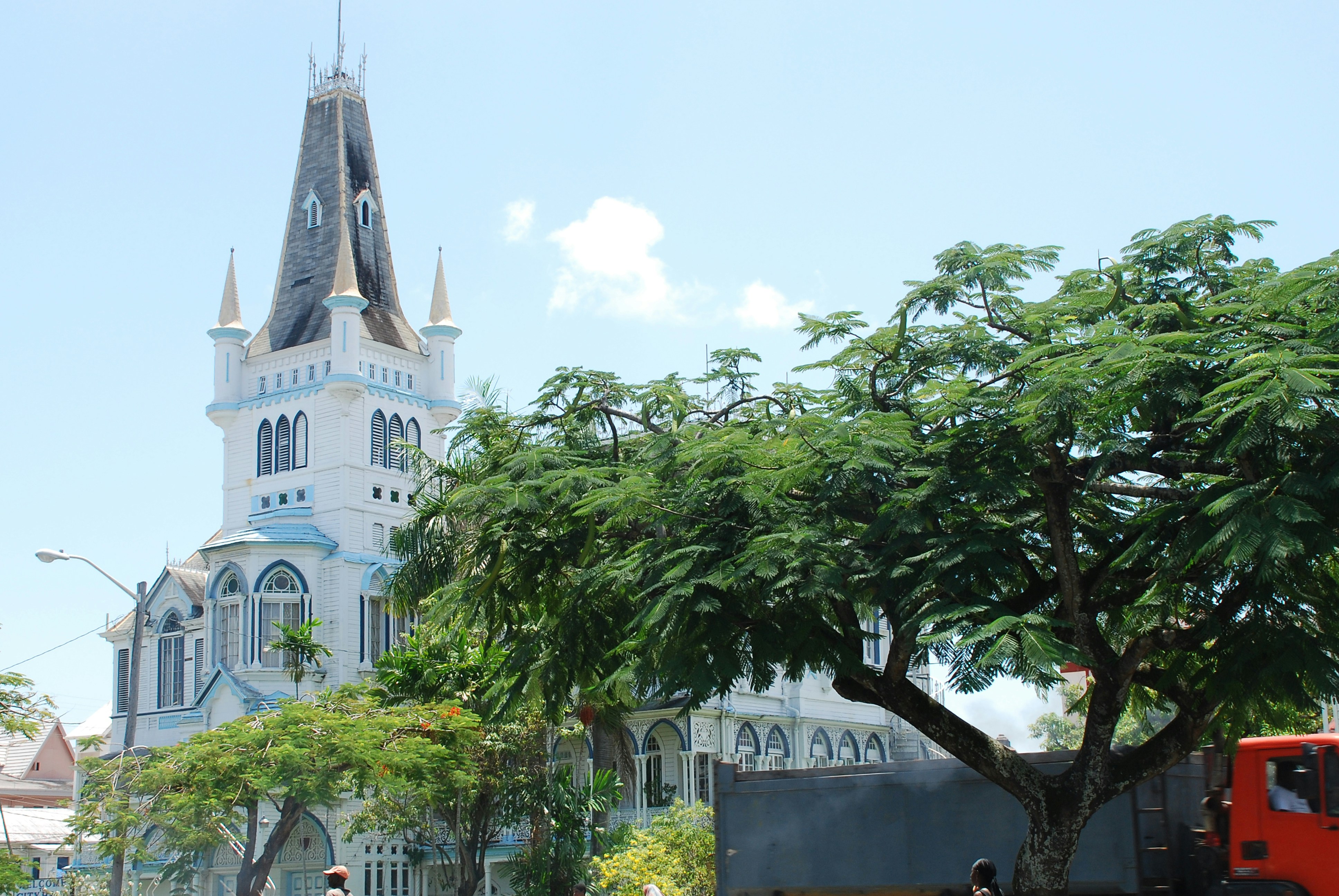
TL;DR: Guyana culture, etiquette, and essential dos and don’ts
Guyana’s culture blends Afro-Guyanese, Indo-Guyanese, Indigenous, and European influences, so respectful behaviour, modest dress, and polite greetings go a long way. Learn basic phrases, ask before taking photos, and check public holidays like Mashramani and Independence Day when planning your trip.
Think of Guyana culture as Caribbean warmth with South American diversity: people are generally friendly but value politeness, punctuality in business, and modesty in rural and religious settings. A simple “Good morning” or “Afternoon” is often more appreciated than diving straight into questions or transactions.
Key Guyana dos and donts:
- Do greet shopkeepers, drivers, and hosts before asking for anything.
- Do dress more conservatively in villages and religious sites.
- Don’t photograph people, schools, or industrial sites without asking.
- Don’t make jokes about ethnicity, religion, or politics.
Guyana’s multi-faith calendar (Christian, Hindu, Muslim, and national observances) means some days are very busy or very quiet. Major 2026 public holidays, such as New Year’s Day (1 January), Mashramani/Republic Day (23 February), Phagwah/Holi (3 March), Independence Day (26 May), and Christmas (25 December), are widely observed and can affect opening hours.
For logistics, consider arriving connected with a Hello eSIM for Guyana, so you can check holiday schedules, ride-hailing options in Georgetown, and local news in real time without hunting for SIM kiosks at the airport.
Guyana culture and everyday etiquette: greetings, respect, and local norms
In Guyana, the easiest way to show respect is to greet people politely, avoid loud confrontation, and be mindful of the country’s ethnic and religious diversity. A friendly “Good morning” and a handshake will usually set the right tone in most everyday interactions.
Guyana is officially English-speaking, but you’ll hear Guyanese Creole (often called “Creolese”) in casual conversation. In shops and guesthouses, starting with “Good morning/afternoon/evening” is standard, and a light handshake is common in both social and business contexts. In more formal settings, use titles like “Mr.” or “Ms.” plus the family name until invited to use first names.
Everyday Guyana etiquette tips:
- Personal space: People are warm but not overly touchy with strangers; avoid hugging or back-slapping unless you know someone well.
- Voices and volume: Keep your voice moderate, especially on minibuses and in quiet rural villages.
- Queues and service: Respect lines at banks, ferry terminals, and government offices. Cutting in line is seen as rude.
Guyana welcomed around 315,000 visitors in 2024, according to the Guyana Tourism Authority, and sustainable tourism is a priority, especially in Indigenous communities. That means: follow your guide’s instructions, don’t wander off trails, and always ask before entering homes or community spaces.
If you’re splitting costs for taxis in Georgetown or tours into the rainforest, Hello’s expense-splitting and multi-currency tracking make it easier to keep things fair without awkward money conversations during your trip.
Greeting customs, basic local phrases, and communication tips in Guyana
Travellers in Guyana are expected to greet politely in English, use simple titles, and avoid overly familiar language with elders or officials. Learning a few Guyanese Creole expressions helps you connect, but standard English is perfectly fine in most situations.
You’ll hear Guyanese Creole as a relaxed version of English, especially on minibuses, in markets, and in bars. Locals switch easily between Creole and standard English, so don’t worry if you don’t follow every word. Be patient, ask politely for repetition, and avoid mocking or imitating the accent.
Useful phrases:
- Greetings: “Good morning/afternoon/evening” (formal, always safe)
- Informal hello: “Wha happen?” or “How yuh deh?” (How are you?)
- Thanks: “Thank you” / “Thanks, boss” (casual)
- Polite requests: “Could you please…?” is appreciated more than commands.
Communication dos and don’ts:
- Do speak clearly and avoid fast, slang-heavy speech.
- Do use “sir” or “madam” with older people, police, or officials.
- Don’t use aggressive sarcasm; it can be misunderstood.
- Don’t assume everyone speaks another language besides English.
Mobile coverage is decent around Georgetown, Linden, and coastal towns but spotty in remote rainforest areas. Many travellers use an eSIM from Hello to stay connected on main routes and then rely on lodge Wi‑Fi deeper in the interior, downloading offline maps and key phrases before heading out.
Dress codes in Guyana: cities, villages, and religious sites
Guyana’s dress code is relaxed in everyday life but becomes conservative in rural areas and religious spaces. Lightweight modest clothing works best: cover shoulders and knees when visiting mosques, temples, and churches, and avoid beachwear away from actual beaches.
In coastal cities like Georgetown and New Amsterdam, you’ll see everything from office wear to T‑shirts and jeans. However, the tropical climate (often 28–32°C with high humidity) makes breathable, light fabrics essential. For city sightseeing, knee-length shorts or skirts, closed-toe shoes or sandals, and a light shirt are practical and acceptable.
In Indigenous communities along the Essequibo or Rupununi, modesty matters more. Tight or revealing clothing may be frowned upon, especially in family compounds and village meetings. Pack:
- Loose trousers or long skirts
- Light long-sleeve shirts for sun and mosquito protection
- A scarf or shawl for sudden dress-code needs
Religious-site etiquette:
- Mosques: Cover shoulders and legs; women may be asked to wear a headscarf.
- Hindu temples: Avoid leather items, cover knees, and remove shoes before entering.
- Churches: Smart-casual clothing; sleeveless tops and very short shorts are discouraged.
Real-world costs in 2026: basic T-shirts in Georgetown markets often run around $8–12 USD, while lightweight long trousers or skirts can be $20–30 USD in local shops, depending on brand and fabric. Buying one or two items locally can help you match local styles and stay comfortable.
Photography rules, business etiquette, and gift-giving customs in Guyana
In Guyana, always ask before photographing people, be discreet around government or industrial sites, and keep meetings punctual and polite in business settings. Small, thoughtful gifts are welcome, but avoid anything that could be seen as lavish or inappropriate.
Photography etiquette:
- Ask permission before photographing individuals, children, or small villages.
- Avoid taking pictures of police, military sites, bridges, ports, or government buildings.
- In religious spaces, follow posted signs; some ceremonies forbid photography entirely.
For business travellers, Guyana customs emphasise courtesy and reliability. Guyana’s economy has been growing rapidly due to offshore oil discoveries, and business culture is increasingly formal in sectors like energy and finance.
Business etiquette tips:
- Be on time or a little early; punctuality signals respect.
- Dress in smart business-casual (collared shirts, closed shoes; jackets for high-level meetings).
- Use titles and surnames at first; wait to be invited to use first names.
- Expect a short period of small talk about family, sports, or local events before diving into negotiations.
Gift-giving:
- When visiting a home, bringing snacks, fruit, or a small item from your country is appreciated.
- Avoid overly expensive gifts for officials, which could be misunderstood in a context where anti-corruption rules are taken seriously.
- In Indigenous communities, ask your tour operator what’s appropriate; community contributions (like school supplies arranged through local partners) are often better than personal gifts to individuals.
If you’re tracking business expenses, Hello’s AI receipt scanning and automatic exchange-rate conversion can help you keep tax records clean while respecting local rules.
Public holidays and festivals in Guyana that affect travel plans
Guyana’s calendar blends national, Christian, Hindu, and Muslim holidays, and major dates like Mashramani and Independence Day can affect traffic, opening hours, and hotel availability. It’s wise to check holiday schedules before you book flights, tours, or government appointments.
For 2026, multiple sources such as PublicHolidays.gy and Timeanddate.com list the following key public holidays:
| Date (2026) | Holiday | Notes |
|---|---|---|
| Jan 1 | New Year’s Day | National public holiday |
| Feb 23 | Mashramani / Republic Day | Big parades in Georgetown |
| Mar 3 | Phagwah (Holi) | Hindu festival of colours |
| Apr 3 | Good Friday | Christian; many businesses closed |
| Apr 6 | Easter Monday | Family outings, beach trips |
| May 1 | Labour Day | Public holiday |
| May 5 | Arrival Day | Commemorates Indian arrival |
| May 26 | Independence Day | National celebrations |
| Jul 6 | CARICOM Day | Regional observance |
| Aug 1 | Emancipation Day | Cultural events, especially Afro-Guyanese |
| Nov 8 | Diwali (Deepavali) | Hindu festival of lights |
| Dec 25 | Christmas Day | Major Christian holiday |
| Dec 26 | Boxing Day | Public holiday |
On big festival days, expect:
- Government offices and some banks to close or operate shorter hours.
- Busy streets and limited parking around parade routes.
- Higher demand for hotels and domestic flights, especially around Mashramani.
Plan ahead by booking internal flights and rainforest lodges several months in advance if your trip overlaps with major holidays. Using Hello’s budget tracking, you can tag costs by date and see how festival-related expenses (like special tours or event tickets) affect your overall plan.
Common Questions: Guyana dos and don’ts, safety, and connectivity
Most travellers in Guyana want simple, practical rules: be polite, dress modestly, avoid risky areas at night, and stay connected so you can check reliable local information. Following a few key dos and don’ts will keep you both safe and welcome.
Q: What are the top dos and don’ts for travellers in Guyana? A: Do greet people, respect local dress codes, and follow guides’ instructions in Indigenous territories and rainforest areas. Don’t photograph people without asking, don’t get involved in heated political debates, and don’t flash valuables in crowded minibuses or markets.
Q: Is Guyana safe for solo travellers? A: Many solo travellers visit Guyana for birdwatching and eco-tours. As in any city, parts of Georgetown can be risky at night, so use registered taxis, avoid deserted streets, and keep valuables out of sight. In the interior, your main concerns are nature-related: river conditions, wildlife, and medical access.
Q: How should I handle money and tipping? A: Guyana uses the Guyanese dollar (GYD). In 2026, a simple local meal in Georgetown might cost around $6–10 USD, while mid-range restaurant dinners are closer to $15–25 USD. Tips of 10–15% are appreciated in restaurants, though not always mandatory; rounding up taxi fares is common.
Q: How do I stay connected and manage trip costs? A: Many travellers buy a Hello eSIM for Guyana before departure for instant data on arrival, then use Hello’s expense-splitting and multi-currency tools to track shared costs for taxis, tours, and guesthouses without awkward spreadsheet sessions during the trip.
Explore These Destinations
Stay Connected
Make the most of Guyana
From eSIM connectivity to expense tracking, Hello is the all-in-one companion that keeps your trip stress-free.
Related Articles
Guyana Currency & Money Guide: Exchange, Cards, and Tips
Currency exchange, credit card acceptance, ATM tips, tipping culture, and money-saving advice for Guyana.
27 July 2026
Guyana Safety Guide: Tips for a Safe Trip
Safety tips, health advisories, emergency contacts, common scams, and travel insurance advice for Guyana.
18 July 2026
Guyana Visa & Entry Requirements for Singapore Passport Holders
Visa requirements, passport validity, customs allowances, and entry tips for Singapore citizens travelling to Guyana.
9 July 2026