Key Takeaways
- ✓Greece is strongest as a mixed-pace destination, combining history, beaches, food, and island scenery.
- ✓Shoulder season usually offers the best balance of weather, crowds, and value.
- ✓Budget more for transport than you expect, especially if your itinerary includes several islands.
- ✓Use [Hello eSIM](/) planning resources to stay connected from arrival without hunting for a physical SIM.
- ✓Match your transport choice to the route: ferry for islands, flight for distance, car for flexibility.
- ✓Build your itinerary around depth, not speed, because Greece rewards slower travel.
- ✓Check visa and entry rules early, especially if you are traveling on a passport with specific Schengen requirements.
Greece is one of Europe’s most rewarding trip ideas because it blends iconic history, island-hopping scenery, excellent food, and easy-to-plan travel in a single destination. From Athens’ ancient landmarks to sun-soaked Cycladic islands, Greece works for first-time visitors, beach lovers, food travellers, and slow-paced explorers alike. This guide brings everything together in one place so you can plan confidently, whether you are building a quick city break, a 5-day escape, or a longer multi-stop itinerary.
In this Complete Greece Travel Guide 2026, you’ll find the essentials that matter most before and during your trip: the best time to visit, how much to budget, visa and entry basics, getting around by ferry, flight, bus, or car, what to eat and where to start, the top experiences that deserve a place on your itinerary, and how to stay connected with Hello eSIM. You’ll also get practical advice on money, cultural etiquette, safety, and a before-you-go checklist to avoid common planning mistakes.
Each section is designed to work as a high-level pillar summary and point you toward deeper cluster guides for more detail. That means you can skim for quick answers, or dive into the linked articles when you want costs, route planning, food recommendations, transport options, or connectivity setup explained step by step. The goal is simple: help you spend less time researching and more time enjoying Greece.
Why Greece Belongs on Your 2026 Travel List
Greece rewards travellers with a rare mix of history, scenery, and ease: you can spend the morning at an archaeological site, the afternoon at a beach, and the evening over fresh seafood and local wine. It is one of those destinations where first-timers can focus on a few famous highlights, while repeat visitors can branch out into islands, mountain villages, and quieter mainland regions.
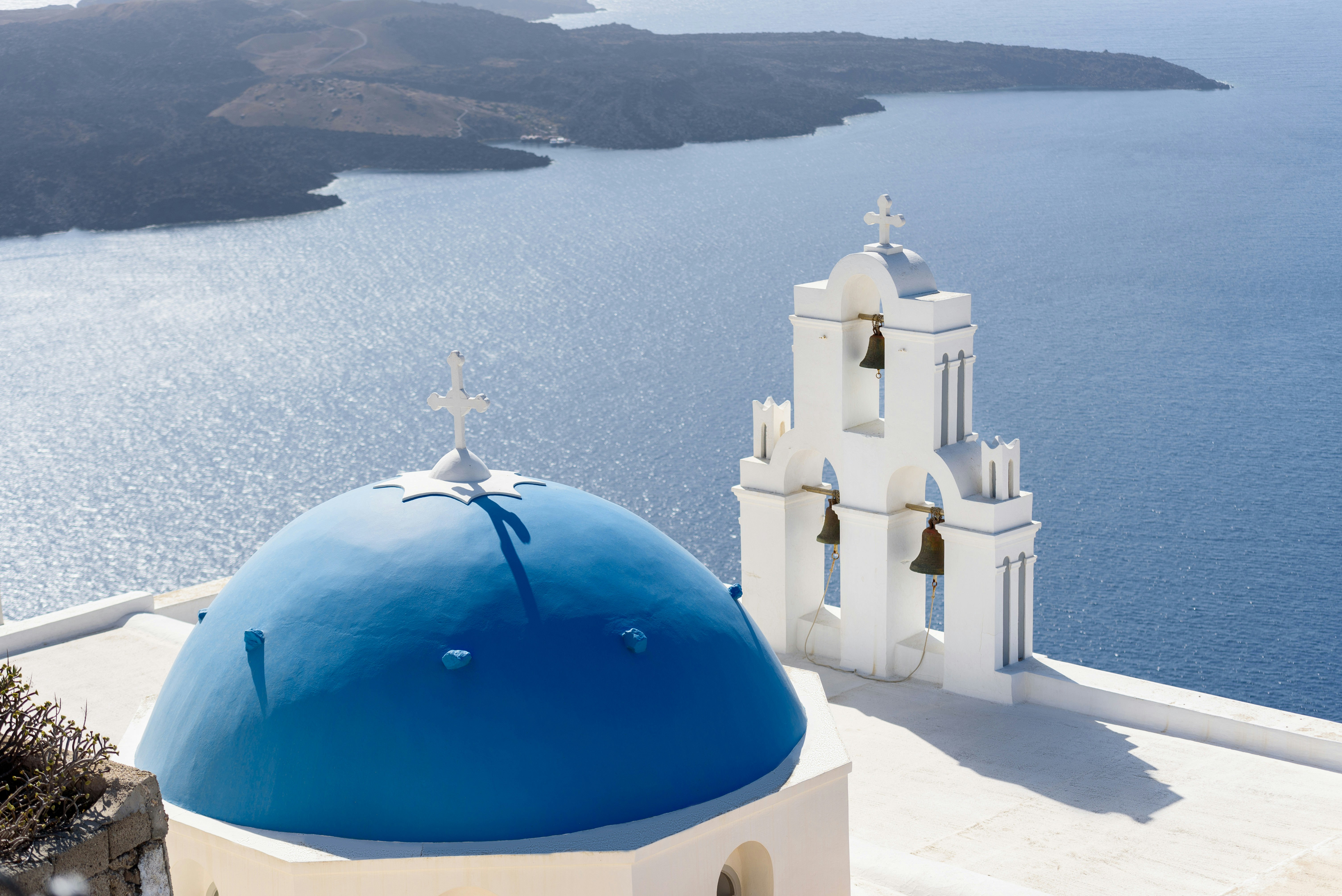
If you are deciding whether Greece fits your trip style, think of it as a destination that offers strong variety without requiring overly complex logistics. Athens is the natural gateway, while islands such as Santorini, Mykonos, Naxos, Paros, and Crete give you very different travel experiences. The mainland adds places like Delphi, Meteora, and Thessaloniki for travellers who want culture beyond the islands. As of 2026, Greece continues to be especially attractive for travellers who want a trip that combines iconic sights with flexible pacing.
For a full planning framework, pair this guide with Greece in 5 Days: The Perfect Extended Itinerary, 3 Days in Greece: A Day-by-Day Itinerary, and Greece in 10 Days: The Ultimate Travel Itinerary. Those cluster articles help you match Greece to the amount of time you actually have.
At a glance, Greece is best for travellers who want: historic landmarks, island scenery, strong food culture, easy short-haul travel within Europe, and a destination that can work for both budget-conscious and high-comfort trips. The main planning challenge is not whether to go, but how to divide your time between Athens, the islands, and the mainland.
Best Time to Visit Greece
The best time to visit Greece depends on whether you prioritise beach weather, lower crowds, or easier sightseeing. The sweet spots are usually spring and early autumn, when temperatures are comfortable and the main tourist areas are less intense than peak summer. July and August bring the hottest weather and the largest crowds, especially on the islands and in Athens.
For many travellers, May, June, September, and early October offer the best balance. Sea temperatures are pleasant, ferries run regularly, and restaurant terraces and coastal towns feel lively without being overwhelming. Winter is much quieter and better for city-focused trips, cultural sightseeing, and lower prices, though some island businesses reduce operating hours.
| Season | Weather in Greece | Crowd Level | Best For | Watch Outs |
|---|---|---|---|---|
| Spring (Mar–May) | Mild to warm | Moderate | Sightseeing, hiking, early beach trips | Some island services may still be limited early in the season |
| Summer (Jun–Aug) | Hot and dry | Very high | Beaches, island hopping, nightlife | Peak prices, crowded ferries, intense heat |
| Autumn (Sep–Nov) | Warm to mild | Moderate | Balanced trip, swimming, relaxed pacing | Weather becomes less predictable later in the season |
| Winter (Dec–Feb) | Cool and wetter | Low | Athens, museums, local experiences | Fewer beach options and reduced island activity |
If you want a trip that feels classic Greece without the summer congestion, aim for shoulder season. If your priority is swimming and a buzzing island atmosphere, summer is still the obvious choice. For more detailed planning by trip length, use Greece in 5 Days: The Perfect Extended Itinerary and Greece in 10 Days: The Ultimate Travel Itinerary.
Budget Overview: How Much a Greece Trip Costs in 2026
Greece can be affordable, mid-range, or luxurious depending on where you stay, when you travel, and how many islands you include. As of 2026, the biggest budget drivers are accommodation, inter-island transport, and dining in high-demand destinations such as Santorini and Mykonos. Athens and less famous islands often deliver better value.
| Traveller Style | Daily Budget Estimate | Typical Includes | Best Fit |
|---|---|---|---|
| Budget | €50–€90 | Hostel or simple guesthouse, street food, public transport, low-cost sightseeing | Backpackers, students, flexible travellers |
| Mid-range | €100–€220 | Comfortable hotel, mix of cafés and restaurants, ferry or domestic transport, paid attractions | Most couples and families |
| Luxury | €250+ | Boutique stays, private transfers, premium dining, upscale island hotels | Honeymoons, special occasions, comfort-first trips |
A smart Greece budget also needs a buffer for ferries, day trips, museum tickets, beach clubs, and taxi transfers to ports or airports. Travellers often underestimate island-hopping costs because each leg adds a transport expense and, in high season, prices rise quickly. If you are traveling with friends, Hello’s trip planning and expense splitting tools can help you keep shared costs clear while you’re on the road.
For a deeper breakdown of daily spending and cost-saving strategies, read Greece Travel Budget Guide: Daily Costs and Money Tips and Greece Currency & Money Guide: Exchange, Cards, and Tips. Those guides explain where cash still matters, how card payments work, and how to avoid unnecessary fees.
A practical rule for 2026 is to budget more generously for transport than you think you need, especially if your itinerary includes multiple islands. That single decision often makes the difference between a trip that feels smooth and one that feels constantly rushed.
Visa & Entry Basics
Entry to Greece depends on your nationality, length of stay, and passport validity, so it is important to check requirements before booking. Greece is part of the Schengen Area, which means many travellers can visit for short stays under Schengen rules, while others may need a visa in advance. As of 2026, passport validity, proof of onward travel, accommodation details, and sufficient funds can all matter at the border.
If you hold a Singapore passport, the most relevant detailed resource is Greece Visa & Entry Requirements for Singapore Passport Holders, which covers passport validity, customs allowances, and entry tips specifically for Singapore citizens. That cluster article is useful because visa rules are nationality-specific and can change with policy updates.
When planning your trip, treat entry requirements as one of the first things to confirm, not the last. Travellers often book flights before checking whether their passport has enough validity or whether their planned stay exceeds the permitted short-stay limit. If you are connecting onward to other Schengen countries, your total time in the region may count toward the same limit.
A good travel habit is to keep digital and printed copies of your passport, accommodation confirmations, return tickets, and travel insurance details. Border officers do not always ask for everything, but having the documents ready makes arrival smoother and reduces stress.
Because Greece is a popular entry point for multi-country European trips, it is worth thinking beyond the first arrival stamp. If your itinerary includes more than one country, map out the sequence carefully so your entry and exit dates align with visa rules. For the exact requirements tied to Singapore travellers, use the dedicated entry guide linked above before you finalize your booking.
Getting Around Greece: Flights, Ferries, Cars, and Transit
Getting around Greece is usually straightforward once you match the transport mode to your route. Athens has the most developed public transport network, ferries connect many islands, domestic flights save time on longer hops, and rental cars make sense in some mainland and island areas where you want more flexibility. The main challenge is not availability but choosing the most efficient combination.
For island hopping, ferries are part of the experience, but schedules can vary by season and route. For longer distances, a domestic flight may be far faster than a multi-segment ferry day. In cities, taxis and ride-hailing can be convenient for airport runs or late-night returns, while buses and metros are often the most cost-effective for standard sightseeing.
A good decision framework is simple:
- Use ferries for island-to-island travel when the route is direct and the schedule fits your plan.
- Use domestic flights when you need to save a full day or connect distant parts of the country.
- Use public transport in Athens and other major cities when your itinerary is concentrated.
- Use car rental when you want to explore rural mainland areas, smaller villages, or flexible beach routes.
| Transport Type | Best For | Pros | Cons |
|---|---|---|---|
| Ferry | Island hopping | Scenic, practical, iconic | Weather delays, port transfers, luggage handling |
| Domestic flight | Long distances | Fast, efficient | Extra airport time and limited baggage flexibility |
| Metro / bus | City travel | Cheap, reliable in key areas | Less convenient late at night or in smaller towns |
| Car rental | Flexible exploration | Freedom and access to remote areas | Parking, fuel, and driving confidence needed |
For detailed route planning and arrival logistics, read Getting Around Greece: Transport Guide for Travellers. If you’re building a time-specific trip, combine it with the itinerary cluster articles so your movement between destinations stays realistic rather than overpacked.
Food & Dining in Greece
Greek food is one of the biggest reasons to visit the country, and the dining culture is as important as the dishes themselves. Meals are often social, relaxed, and built around fresh ingredients: olive oil, seafood, herbs, legumes, cheese, yogurt, vegetables, and grilled meats. In 2026, travellers can still find excellent value at tavernas, bakeries, and casual spots, especially outside the most famous resort zones.
Start with the classics: souvlaki, moussaka, Greek salad, spanakopita, tzatziki, grilled octopus, fresh fish, and loukoumades for dessert. If you have dietary restrictions, Greece is generally workable for vegetarians, but it helps to learn a few local phrases and read menus carefully because many dishes include cheese, yogurt, or meat-based broths.
Meal timing can feel different from what some travellers are used to. Lunch is often later, dinner may start well into the evening, and service can feel unhurried rather than rushed. That is part of the experience, not a sign that something is wrong. Plan for longer meals, especially on the islands where the setting is part of the appeal.
For practical detail on what to order, what it costs, and how to eat well without overspending, use Greece Food Guide: Must-Try Dishes, Prices, and Tips. For broader spending guidance, pair it with Greece Travel Budget Guide: Daily Costs and Money Tips and Greece Currency & Money Guide: Exchange, Cards, and Tips.
A useful planning tip is to balance one or two special meals with simpler everyday dining. That approach gives you the best food experience without turning every meal into a splurge. It also leaves room to try local snacks, bakery items, and market food, which are often among the most memorable and affordable parts of a Greece trip.
Top Experiences in Greece
The best Greece itineraries usually combine three layers of experience: ancient culture, island scenery, and everyday local life. That mix is what makes the country feel richer than a simple checklist of famous landmarks. In 2026, the strongest trips are not the ones that do everything, but the ones that balance a few headline sights with time to slow down.
The classic highlights include the Acropolis in Athens, sunset viewpoints on the islands, boat trips, archaeological sites like Delphi, dramatic landscapes such as Meteora, and waterfront dining in places where the sea is part of daily life. Travellers who like active trips can also add hiking, swimming, sailing, or self-drive exploration depending on the region.
If you are short on time, pick one city base and one island. If you have longer, add a mainland stop or two rather than trying to hop too aggressively. Greece rewards depth more than speed.
Here is a simple decision tree for planning your highlights:
- If you want history first, prioritize Athens, Delphi, and museum-rich stops.
- If you want beaches first, prioritize island stays with limited moves.
- If you want variety, combine Athens, one popular island, and one quieter destination.
- If you want romance or luxury, prioritize scenic accommodation and slower pacing over quantity.
For structured route ideas, use 3 Days in Greece: A Day-by-Day Itinerary, Greece in 5 Days: The Perfect Extended Itinerary, and Greece in 10 Days: The Ultimate Travel Itinerary. Those guides translate the big-picture experience into workable day plans so you can match the trip to your schedule.
A great Greece trip usually feels memorable because of contrast: old and new, city and sea, famous and quiet, planned and spontaneous. That contrast is the real experience to design for.
Hello eSIM Connectivity in Greece
Staying connected in Greece is much easier when you set up mobile data before arrival. With Hello eSIM, you can activate data instantly on arrival, avoid hunting for a physical SIM card, and stay connected for navigation, ferry tickets, restaurant bookings, and messaging from the moment your trip begins.
For most travellers, the biggest connectivity decision is not whether to get data, but how much. City breaks may only need light-to-moderate usage for maps and messages, while island-hopping trips often use more data because you are constantly checking transport schedules, transfers, and reservations. As of 2026, eSIM remains one of the most convenient ways to stay online in Greece because it removes the need to queue at a kiosk after a flight.
A practical way to choose a plan is based on trip style:
- Light use: maps, messaging, email, occasional browsing.
- Moderate use: daily navigation, social media, booking checks, ride apps.
- Heavy use: hotspot sharing, video uploads, remote work, frequent streaming.
For setup, the key steps are usually to confirm your phone supports eSIM, install before departure if possible, and make sure mobile data is switched to the Hello eSIM line when you land. That keeps arrival stress low and helps if you need transport right away.
Use eSIM for Greece: Best Plans, Coverage, and Setup Tips for detailed plan guidance, coverage notes, and installation instructions. If you’re travelling with others, Hello’s trip-planning and expense-tracking features can also help keep the rest of your trip organised once you’re online.
The bottom line is that strong connectivity makes Greece easier: you spend less time troubleshooting and more time enjoying the trip, especially when moving between ports, hotels, and sightseeing stops.
Practical Tips, Cultural Etiquette, and Safety
A smooth trip to Greece comes from understanding a few practical habits: plan for slower island travel, keep some cash available, dress appropriately for churches and monasteries, and avoid treating every day like a race between landmarks. Greece is welcoming, but the easiest trips are the ones that respect local pace and logistics.
For etiquette, greetings are generally friendly and direct, and modest dress is expected in religious sites. Dining can feel more relaxed than in fast-paced city destinations, so allow time for meals and do not assume service is meant to be rushed. Small cultural details matter, especially outside the most tourist-heavy areas.
Safety in Greece is generally manageable for most visitors, but standard travel awareness still matters: watch personal belongings in crowded places, be cautious with valuables on beaches and in transit, and keep an eye on weather or transport disruptions during ferry travel. For a more detailed look at common scams, emergency contacts, and insurance advice, see Greece Safety Guide: Tips for a Safe Trip. For manners, greetings, and local customs, use Greece Cultural Guide: Etiquette, Customs, and Tips.
A useful 2026 planning habit is to keep a digital backup of important documents and trip confirmations on your phone, plus offline access where possible. That helps if Wi-Fi is inconsistent or a ticket email is hard to find at the port.
If you are visiting several regions, remember that practical conditions can change quickly between the mainland and islands. Athens might feel urban and efficient, while a smaller island may be quieter, slower, and more seasonal. Adapting to that variation is part of travelling well in Greece rather than a sign that anything is wrong.
Before You Go: Greece Trip Checklist
Before you leave for Greece, make sure the basics are covered so your trip starts smoothly rather than with last-minute stress. A good checklist saves time at the airport, reduces expensive mistakes, and keeps you focused on the trip itself instead of admin.
- Check passport validity and visa or entry requirements for your nationality.
- Confirm your flights, ferries, hotel addresses, and arrival transport.
- Book major stays and any time-sensitive transfers in advance, especially in summer.
- Set up Hello eSIM before departure if your phone supports it.
- Carry both digital and offline copies of passport, tickets, and insurance.
- Plan your daily budget and decide how much cash you want on hand.
- Research the transport mix for your route: ferry, flight, car, or public transit.
- Pack for the season, including comfortable shoes, sunscreen, and modest clothing for religious sites.
- Save key phrases, local emergency contacts, and your accommodation details.
- Leave room in your itinerary for slower meals, beach time, and spontaneous detours.
| What to Prep | Why It Matters | Best Time to Do It |
|---|---|---|
| Entry documents | Avoid border issues | Before booking is finalized |
| Transport reservations | Summer routes fill fast | 2–8 weeks before travel |
| Hello eSIM setup | Immediate data on arrival | Before departure |
| Budget and cash plan | Prevent overspending | While building itinerary |
| Packing and weather check | Avoid missing essentials | 3–5 days before travel |
For deeper detail on the most important trip mechanics, revisit Greece Visa & Entry Requirements for Singapore Passport Holders, Greece Travel Budget Guide: Daily Costs and Money Tips, and eSIM for Greece: Best Plans, Coverage, and Setup Tips. A few minutes of prep usually saves hours of friction once you arrive.
Frequently Asked Questions
What is the best time to visit Greece in 2026?
For most travellers, late spring and early autumn are the best times because the weather is pleasant, crowds are lighter than in peak summer, and ferries and attractions are still operating at full rhythm.
How many days do I need for Greece?
Three to five days works for a focused Athens-and-one-other-stop trip, while 10 days gives you enough time for a more balanced mix of city, island, and mainland experiences.
Is Greece expensive to travel in 2026?
Greece can be moderate or expensive depending on where you go and when you travel. Athens and lesser-known islands can be good value, while famous islands and peak-summer dates usually raise accommodation and transport costs.
Do I need a visa to visit Greece?
It depends on your nationality and how long you plan to stay. Greece follows Schengen Area rules, so travellers should confirm entry requirements well before departure.
Is Hello eSIM useful for a Greece trip?
Yes. Hello eSIM is especially useful for navigation, ferry and flight updates, maps, messaging, and last-minute bookings because you can activate data quickly without buying a physical SIM on arrival.
What is the easiest way to get around Greece?
There is no single best option. Ferries are ideal for islands, flights are best for long distances, public transport works well in cities, and cars are useful for flexible exploring.
What should I pack for Greece?
Pack comfortable walking shoes, sunscreen, a reusable water bottle, beachwear, modest clothing for religious sites, and any season-specific layers depending on when you travel.
eSIM Plans for Greece
Detailed Articles
Dive deeper into specific topics covered in this guide.
3 Days in Greece: A Day-by-Day Itinerary
A detailed 3-day itinerary for Greece with daily activities, costs, neighborhoods, and transport tips.
11 June 2026
Greece in 5 Days: The Perfect Extended Itinerary
A detailed 5-day itinerary for Greece with daily activities, costs, neighborhoods, and transport tips for an extended stay.
6 May 2026
Greece in 10 Days: The Ultimate Travel Itinerary
A comprehensive 10-day itinerary for Greece covering top attractions, hidden gems, daily costs, and transport between cities.
19 June 2026
Greece Travel Budget Guide: Daily Costs and Money Tips
How much does it cost to travel in Greece? Daily budget breakdowns for budget, mid-range, and luxury travellers.
24 February 2026
Greece Currency & Money Guide: Exchange, Cards, and Tips
Currency exchange, credit card acceptance, ATM tips, tipping culture, and money-saving advice for Greece.
26 July 2026
Greece Visa & Entry Requirements for Singapore Passport Holders
Visa requirements, passport validity, customs allowances, and entry tips for Singapore citizens travelling to Greece.
9 July 2026
Getting Around Greece: Transport Guide for Travellers
Airport transfers, public transport, ride-hailing apps, inter-city travel, and driving tips for Greece.
24 May 2026
Greece Food Guide: Must-Try Dishes, Prices, and Tips
Best local dishes, street food, restaurant prices, dietary options, and food safety tips for Greece.
16 May 2026
More Travel Guides
Destination Guide
Complete Bosnia and Herzegovina Travel Guide 2026
Everything you need to know about travelling to Bosnia and Herzegovina — budget, visa, food, transport, eSIM connectivity, and itineraries.
Destination Guide
Complete Bahamas Travel Guide 2026
Everything you need to know about travelling to Bahamas — budget, visa, food, transport, eSIM connectivity, and itineraries.
Destination Guide
Complete Bahrain Travel Guide 2026
Everything you need to know about travelling to Bahrain — budget, visa, food, transport, eSIM connectivity, and itineraries.
Destination Guide
Complete Sint Eustatius Travel Guide 2026
Everything you need to know about travelling to Sint Eustatius — budget, visa, food, transport, eSIM connectivity, and itineraries.