Greece Cultural Guide: Etiquette, Customs, and Tips
Essential do's and don'ts, greeting customs, dress codes, local phrases, and cultural tips for Greece.
By Hello Travel Team
This article contains affiliate links. If you book through them, Hello may earn a commission at no additional cost to you. Our editorial recommendations are independent. Learn more.
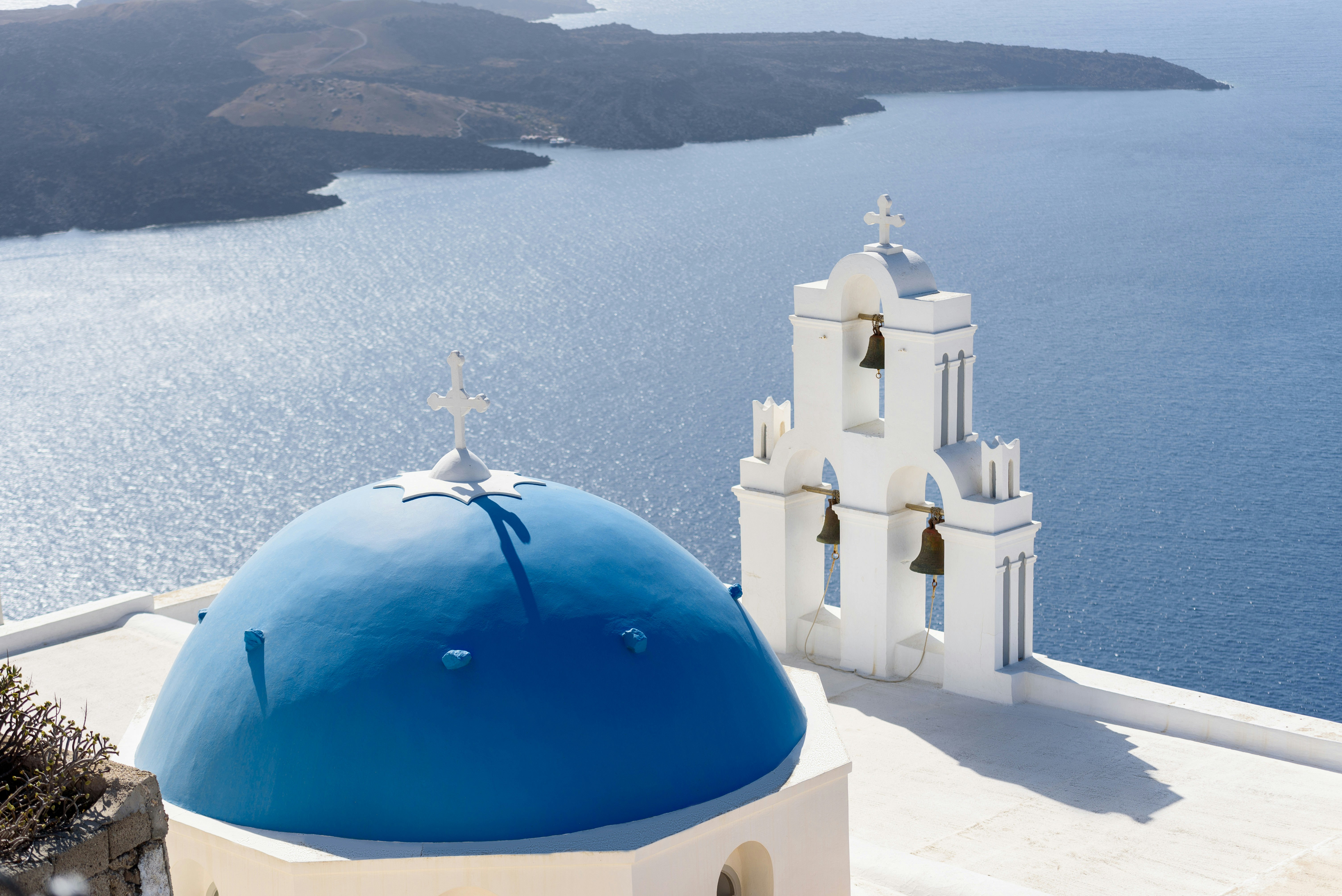
TL;DR: Essential Greece Culture, Etiquette, and Dos and Don’ts
Greece culture is warm, family-oriented, and proudly traditional, so the key etiquette is simple: greet people politely, dress modestly at churches, respect mealtimes, and avoid loud or aggressive behavior. If you learn a few Greek phrases, tip fairly, and show interest in local customs, you’ll be welcomed everywhere.
Think of travel in Greece as being a respectful guest in a close-knit neighborhood: people may speak passionately, but courtesy and hospitality matter. A friendly “Kaliméra” (good morning) and a smile go far, especially in smaller towns and islands, while patience and flexibility help during busy summer months.
The most important dos and don’ts are:
- Do greet shopkeepers and restaurant staff when entering and leaving.
- Do dress respectfully in religious sites and local villages.
- Do carry some cash for small purchases and tips.
- Don’t assume everyone speaks English, especially outside tourist hubs.
- Don’t criticize Greece’s politics, economy, or history casually.
- Don’t be overly loud or drunk in residential areas.
For practical logistics, ferries between islands can be crowded in July–August, and major public holidays like August 15 (Assumption Day) can affect opening hours. Staying connected with a Hello eSIM for Greece and tracking shared expenses in the Hello app makes moving between islands and cities smoother and less stressful.
Greeting Customs, Basic Greek Phrases, and Social Etiquette
In Greece, polite greetings, a warm tone, and basic Greek phrases are the foundation of good etiquette, especially when meeting locals, entering shops, or arriving at family-run tavernas. A simple greeting in Greek immediately signals respect and curiosity about Greece culture.
Everyday greetings are straightforward: “Kaliméra” (καλημέρα) for good morning, “Kalispéra” (καλησπέρα) for good evening, and “Yássas” (γεια σας) as a polite, slightly formal hello to strangers or older people. Use “Yássou” (γεια σου) with friends or people your own age. When leaving, “Efharistó” (ευχαριστώ – thank you) and “Antío” (αντίο – goodbye) are always appreciated.
Physical greetings vary by context:
- In business or formal situations, a firm handshake and eye contact are the norm.
- Among friends and family, hugs or cheek kisses are common.
- With older people, a respectful tone and slower speech matter more than perfect grammar.
Useful phrases for travellers include:
- “Parakaló” (παρακαλώ) – please/you’re welcome
- “Signnómi” (συγγνώμη) – excuse me/sorry
- “Miláte Angliká?” (Μιλάτε Αγγλικά;) – do you speak English?
As of 2024, Greece welcomes over 30 million international visitors annually, according to the Hellenic Statistical Authority, and many people in tourism speak English, especially in Athens, Santorini, and Mykonos. Still, using even a few Greek words is a memorable way to connect with Greece customs and daily life.
Dress Codes in Greece: Religious Sites, Beaches, and City Etiquette
Dress codes in Greece are generally relaxed, but visitors are expected to dress modestly in churches and monasteries, avoid beachwear in city centers, and respect local norms in villages and religious sites, especially when exploring Greece culture beyond the tourist hotspots.
In most urban areas, casual summer clothing is fine: shorts, t-shirts, sundresses, and sandals are widely worn. However, religious sites follow stricter etiquette:
- At monasteries like Meteora or Mount Athos, women may be asked to wear skirts below the knee and cover shoulders, while men should avoid shorts and sleeveless tops.
- In Orthodox churches, aim for covered shoulders, longer hemlines, and remove hats inside.
Many monasteries provide wrap skirts or shawls at the entrance, sometimes for a small fee of €2–€5 in 2026, but bringing your own light scarf is more convenient.
Beach culture is relaxed on islands like Mykonos, Paros, and Zakynthos, but do not walk through villages or into tavernas in just swimwear. A light cover-up or t-shirt and shorts are considered basic respect.
For evenings in Athens or Thessaloniki, smart-casual works well: a collared shirt or a nicer top and dress, with closed shoes if you plan on visiting more formal restaurants or bars.
Greece customs around dress are less about rigid rules and more about showing awareness of context: modest in religious settings, clean and presentable in cities, and comfortable but respectful in small communities.
Photography Rules, Privacy, and Respectful Behavior in Greece
Photography in Greece is generally welcomed, especially in scenic areas and historic landmarks, but travellers should avoid photographing people without consent, certain military or security sites, and sensitive religious moments such as private prayers or funerals. Respectful behavior around cameras is a key part of Greece etiquette.
In major archaeological sites like the Acropolis in Athens or Delphi, photography is allowed, but tripods, drones, and commercial shoots often require permits. Some museums restrict flash photography to protect artifacts, with clear signage at entrances. Always follow posted rules and ask staff if you’re unsure.
When visiting churches and monasteries:
- Ask before photographing icons, altars, or clergy.
- Avoid using flash during services or when people are praying.
- In some monasteries, interior photography is prohibited; signs or guardians will indicate this.
In everyday settings, Greece customs emphasize privacy and dignity. Avoid photographing children, diners in restaurants, or locals at work without permission. A simple “Signnómi, boro na b β βγάλω mia fotografia?” (excuse me, may I take a photo?) can prevent misunderstandings.
Drone rules have tightened across Europe; Greece follows EU aviation and privacy regulations, meaning recreational drones may be banned or restricted near airports, military facilities, and certain heritage sites. Fines for violations can reach several hundred euros.
When sharing photos online, be sensitive about locations like refugee camps, protests, or private homes. Treat your camera as a guest privilege, not a right, and you’ll stay in line with Greece dos and donts around photography.
Business Etiquette, Punctuality, and Everyday Dos and Don’ts in Greece
Greek business etiquette blends formality with strong personal relationships, so being polite, slightly conservative in dress, and patient with schedules will help any meeting or collaboration go smoothly. Everyday Greece dos and donts also revolve around respect, hospitality, and avoiding unnecessary conflict.
For business meetings, arrive on time even if your counterpart may be slightly flexible about punctuality. A firm handshake, direct eye contact, and use of titles (Mr., Mrs., or professional titles) show respect. Exchanging business cards is common, and initial meetings often focus on building trust rather than diving straight into numbers.
Dress codes in business settings lean towards smart-casual to formal: men in trousers and a shirt (sometimes a jacket) and women in dresses or blouses and skirts or tailored pants. In summer, lighter fabrics are acceptable, but avoid overly casual beachwear or sports clothing.
Helpful Greece dos and donts for daily life:
- Do be patient with bureaucracy and queues; systems can be slower than in some Northern European countries.
- Do tip 5–10% in restaurants if service is good; in 2026, a typical taverna meal costs around €15–€25 per person.
- Don’t snap fingers or wave aggressively to get a waiter’s attention.
- Don’t use the open-palm “moutza” gesture (hand pushed forward) – it’s considered deeply rude.
According to the Bank of Greece, card usage has increased significantly since 2015, but small cafes and taxis may still prefer cash. Budget tracking in the Hello app, with multi-currency support and AI expense categorization, can help you stay on top of daily spending across islands and cities.
Greek Holidays, Siesta Rhythm, and How They Affect Travel Plans
Greek public holidays and daily rhythms, including midday breaks and late dinners, can significantly influence opening hours, transport schedules, and crowd levels, so aligning your plans with local customs will make your trip smoother and more enjoyable.
Key national holidays include March 25 (Greek Independence Day) and October 28 (Ohi Day), when parades and events are held, and many businesses close or operate limited hours. The biggest religious celebration is Orthodox Easter, often falling in April or early May; during Holy Week and Easter Sunday, expect reduced services, busy roads, and packed tavernas.
The Assumption of the Virgin Mary on August 15 is especially important, with many Greeks traveling to islands and villages, so ferries and accommodation can book out weeks in advance and prices may rise 20–30% compared to shoulder season.
Beyond official holidays, Greece customs include a kind of informal siesta rhythm, particularly in summer and smaller towns:
- Shops may open 9:00–14:00 and again 17:30–21:00.
- Lunch often happens around 14:00–15:00.
- Dinner can be as late as 21:00–23:00.
According to the Greek National Tourism Organization, peak international arrivals concentrate in July–August, making spring (April–June) and autumn (September–October) ideal for avoiding crowds while still enjoying good weather.
To handle ferry changes, bus schedules, and shared trip costs, many travellers use Hello’s trip planning tools, expense splitting, and an eSIM from Hello for Greece, staying connected without hunting for local SIM shops.
Common Questions About Greece Culture, Etiquette, and Customs
Most cultural questions about Greece etiquette come down to respect: greet people, dress appropriately for context, be mindful of noise, and show curiosity about local traditions. Here are clear answers to common travel questions about Greece customs and dos and donts.
Q: Is it rude not to tip in Greece?
Tipping is not legally required, but it’s customary and appreciated, especially in restaurants and cafes. Leaving around 5–10% or simply rounding up the bill is common. In 2026, if your meal is €20, adding €2–€3 is a polite gesture.
Q: Are credit cards widely accepted?
Since Greece’s financial reforms, card use has become widespread in cities, supermarkets, and larger tavernas. However, smaller village cafes, kiosks, and some taxis may still prefer cash. Having €20–€50 in cash daily is sensible, while tracking card and cash expenses in the Hello app simplifies budgeting.
Q: Can I drink tap water in Greece?
Tap water is generally safe in cities like Athens and Thessaloniki, but many islands rely on desalinated or imported water and locals often prefer bottled. Ask at your accommodation; if in doubt, buy bottled water (around €0.50–€1 for 0.5L in 2026).
Q: What are the biggest cultural mistakes to avoid?
Avoid making negative jokes about Greece’s history or recent economic challenges, don’t be loudly drunk in residential areas, and never use rude hand gestures. Show interest in local food, traditions, and language, and you’ll align well with Greece culture and social expectations.
Q: How can I stay connected and split costs easily with friends?
Using Hello’s eSIM connectivity for 200+ countries, including Greece, plus multi-currency expense splitting and AI receipt scanning, makes handling group budgets, ferry tickets, and restaurant bills far easier than juggling paper receipts and cash.
Explore These Destinations
Stay Connected
Book this trip
Compare options on trusted travel sites
Plan activities for this trip
Continue to a reviewed booking partner to check schedules, inclusions, and terms.

Make the most of Greece
From eSIM connectivity to expense tracking, Hello is the all-in-one companion that keeps your trip stress-free.
Related Articles
Greece Currency & Money Guide: Exchange, Cards, and Tips
Currency exchange, credit card acceptance, ATM tips, tipping culture, and money-saving advice for Greece.
26 July 2026
Greece Safety Guide: Tips for a Safe Trip
Safety tips, health advisories, emergency contacts, common scams, and travel insurance advice for Greece.
18 July 2026
Greece Visa & Entry Requirements for Singapore Passport Holders
Visa requirements, passport validity, customs allowances, and entry tips for Singapore citizens travelling to Greece.
9 July 2026