Key Takeaways
- ✓Plan your Gambia trip around the dry season (November–April) for easier logistics and more predictable beach and river activities.
- ✓Use Hello eSIM for instant mobile data on arrival and pair it with Hello’s trip planning and budget tools to track expenses in real time.
- ✓Expect mostly cash-based transactions in 2026; learn currency and ATM basics from the money guide and avoid relying solely on cards.
- ✓Choose 3-, 5-, or 10-day itineraries from the cluster articles to structure beaches, river excursions, and cultural visits efficiently.
- ✓Use the dedicated visa and safety guides to confirm entry rules, health recommendations, and insurance needs before departure.
- ✓Embrace Gambian cuisine with local dishes like domoda and benachin while following basic food safety advice to stay healthy.
- ✓Respect local etiquette and modest dress norms outside beach zones to build positive connections with communities.
- ✓Complete the “Before You Go” checklist—documents, health, budget, connectivity, culture, and transport—to arrive prepared and relaxed.
Gambia may be one of Africa’s smallest countries, but it packs in golden Atlantic beaches, wildlife-rich river landscapes, and warm hospitality that wins over travellers fast. This 2026 guide is your high-level hub for planning a Gambia trip: when to go, what it costs, how to get around, and how to stay connected.
We’ll walk through the best time to visit, realistic daily budgets for different travel styles, and visa and entry basics (with special tips for Singapore passport holders). You’ll get an overview of transport options—taxis, ferries, bush taxis, and private drivers—plus how to navigate them confidently.
Food is a major highlight in Gambia, from hearty domoda and benachin to fresh seafood on the beach. We’ll show you what to expect, roughly how much meals cost in 2026, and how to eat safely. You’ll also find top experiences along the coast and up the river, with links to detailed 3-, 5-, and 10-day itineraries.
Because modern travel depends on connectivity, there’s a dedicated section on staying online with Hello eSIM, alongside practical safety, money, and cultural tips. Finish with a “Before You Go” checklist, FAQs, and quick key takeaways so you can plan smarter, budget realistically, and enjoy Gambia with confidence.
Why Visit Gambia in 2026
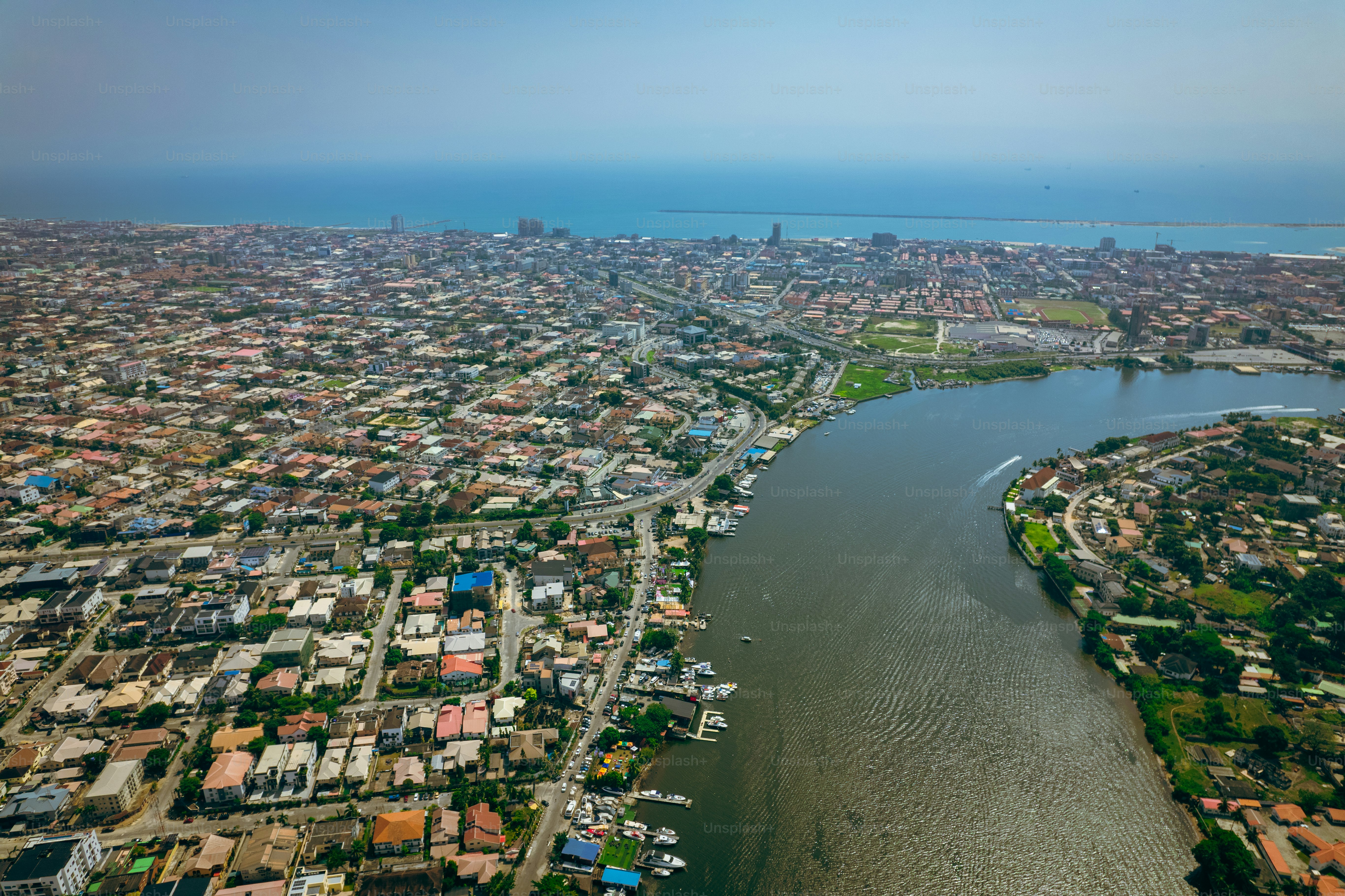
Gambia in 2026 is a compact, welcoming slice of West Africa with beach time, river adventures, and rich culture all within easy reach, making it ideal for first-time visitors to the region and repeat travellers looking for a relaxed, lower-cost alternative to more crowded destinations.
What draws people to Gambia is its mix of accessible coastline and river-based nature. Along the Atlantic, areas like Kololi and Kotu offer laid-back beach stays, live music, and sunset bars; head inland and the River Gambia opens up birdwatching, mangrove channels, and village visits that feel worlds away from the resort strip.
Compared with larger African countries, Gambia is small and manageable. Distances are short, the main tourist areas are clustered near the coast, and you can experience both urban life and rural communities without long domestic flights. This makes it perfect if you want the feeling of an adventurous trip without complex logistics.
Costs, as outlined in the Gambia Travel Budget Guide: Daily Costs and Money Tips, tend to be lower than classic long-haul holiday spots like Japan or Thailand, especially for accommodation and local food. You can enjoy a comfortable mid-range stay without luxury pricing.
Culturally, Gambia is relaxed but deeply rooted in local traditions. The Gambia Cultural Guide: Etiquette, Customs, and Tips will help you navigate greetings, dress, and local norms so you can connect respectfully with Gambians, who are generally friendly and curious about visitors.
If you’re wondering how much time to spend, start with the itinerary cluster: 3 Days in Gambia: A Day-by-Day Itinerary, Gambia in 5 Days: The Perfect Extended Itinerary, and Gambia in 10 Days: The Ultimate Travel Itinerary each give you a different depth of experience.
Use this pillar guide as your overview, then dive into those cluster articles for day-by-day detail, costs, and specific neighbourhoods.
Gambia Travel Budget Guide: Daily Costs and Money Tips
Cultural GuideGambia Cultural Guide: Etiquette, Customs, and Tips
Itineraries3 Days in Gambia: A Day-by-Day Itinerary
ItinerariesGambia in 5 Days: The Perfect Extended Itinerary
ItinerariesGambia in 10 Days: The Ultimate Travel Itinerary
Best Time to Visit Gambia
The best time to visit Gambia is generally the dry season from November to April, when days are sunny, humidity is lower, and roads and river activities are easier to enjoy—though budget travellers may appreciate the cheaper prices and greener landscapes in the rainy months.
Gambia has a tropical climate with two main seasons rather than four: a dry season (roughly November–April) and a rainy season (May–October). As of 2026, coastal areas around Banjul, Kololi, and Kotu see daytime temperatures often between 28–32°C year-round, but humidity and rainfall shift significantly between seasons.
Use this table as a quick decision tool:
| Season (Approx.) | Weather & Comfort | Prices & Crowds | Best For |
|---|---|---|---|
| Nov–Feb (Dry) | Cooler evenings, low humidity, very little rain | Peak season, higher room rates | First-time visitors, beach holidays, birdwatching |
| Mar–Apr (Hot dry) | Hotter days, still mostly dry | Moderately busy | Sun-seekers, river trips |
| May–Jun (Early rains) | Increasing humidity, first showers | Shoulder season, some deals | Budget travellers, fewer crowds |
| Jul–Oct (Rainy) | Heavy showers, very humid, lush scenery | Lowest prices, some access issues | Long stays, nature lovers, flexible itineraries |
For shorter trips, such as the 3- or 5-day plans in 3 Days in Gambia: A Day-by-Day Itinerary and Gambia in 5 Days: The Perfect Extended Itinerary, the dry months make logistics easier: ferries and roads are less disrupted, and beach days are more predictable.
Wildlife viewing, especially birdwatching along the River Gambia, is often good throughout the dry season, when vegetation is thinner and sightings are easier. The rainy season, however, brings lush rice fields and dramatic skies that photographers may prefer.
For longer routes upcountry covered in Gambia in 10 Days: The Ultimate Travel Itinerary, consider shoulder months (Nov, Mar, Apr) for a balance of decent road conditions and moderate prices.
Whichever month you pick, pack light, breathable clothing, quick-dry layers, and at least one rain jacket if you’re travelling May–October.
Gambia Travel Budget Overview (2026)
As of 2026, Gambia remains a relatively affordable destination, with typical daily budgets ranging roughly from low double digits in USD for backpackers to several hundred for luxury travellers, depending on accommodation style, activities, and how far you travel beyond the main coastal strip.
The Gambia Travel Budget Guide: Daily Costs and Money Tips breaks down costs in detail, but this table gives a high-level overview to help you decide what kind of trip you want:
| Travel Style | Approx. Daily Budget (per person, 2026) | What This Typically Includes |
|---|---|---|
| Budget | US$30–50 | Simple guesthouse, local taxis, street food and local eateries, basic activities |
| Mid-range | US$60–120 | Comfortable hotel/guesthouse, mix of taxis and private transfers, restaurant meals, guided day tours |
| Luxury | US$150–300+ | Beach resorts or boutique lodges, private drivers, curated excursions, higher-end dining |
Your biggest variable costs are likely to be accommodation and transport. Staying primarily in one coastal base and using local taxis keeps costs low; following extended routes like Gambia in 10 Days: The Ultimate Travel Itinerary with multiple regions will increase transport and tour expenses.
For money handling, the Gambia Currency & Money Guide: Exchange, Cards, and Tips explains how to exchange cash, use ATMs, and where cards are accepted. As of 2026, you should still expect to use cash often, especially outside tourist-focused businesses.
Food costs are covered in the Gambia Food Guide: Must-Try Dishes, Prices, and Tips, but a rough rule of thumb: local dishes at modest restaurants can be very affordable, while imported or international cuisine near the beach resorts can be significantly more expensive.
Use Hello’s trip planning and budget tracking features to log expenses, split costs with friends, and keep your daily spending within your target range while on the ground.
Visa & Entry Requirements
Visa and entry rules for Gambia depend heavily on your nationality, with some travellers enjoying visa-free access and others needing a visa in advance; as of 2026, always verify current requirements, and Singapore passport holders should follow the dedicated guidance in the Singapore-focused visa article.
Gambia’s entry policies can change, so it’s important to check official sources and airline guidance shortly before you travel. The Gambia Visa & Entry Requirements for Singapore Passport Holders details everything Singapore citizens need to know: visa eligibility, documents to prepare, and how long their passport must be valid.
Regardless of nationality, you should expect:
- A passport validity requirement (often at least six months beyond your intended departure).
- Possible proof of onward or return travel, especially if arriving on a one-way ticket.
- Evidence of sufficient funds for your stay.
Many travellers will be asked basic questions at immigration about the purpose and length of their visit, accommodation details, and whether they have visited Gambia before. Keeping hotel confirmations and onward flight information handy (printed or accessible via Hello) helps smooth the process.
Customs rules—such as limits on alcohol, tobacco, and certain goods—are covered in more depth in the Singapore-specific guide but are broadly similar for other visitors, with standard restrictions on prohibited items and commercial quantities.
For health-related entry requirements (such as yellow fever vaccination proof if arriving from certain countries), cross-reference the Gambia Safety Guide: Tips for a Safe Trip, which discusses vaccinations, clinics, and insurance.
Because policies can shift quickly, especially in response to regional events, treat this pillar guide as a high-level overview and rely on the dedicated visa article and your airline’s pre-departure information for the latest specifics before you fly.
Getting Around Gambia: Transport at a Glance
Getting around Gambia is straightforward but varied: expect a mix of taxis, shared bush taxis, river ferries, and private drivers, with walking and short rides within coastal towns and more planning needed for upcountry trips or multi-day itineraries.
The Getting Around Gambia: Transport Guide for Travellers dives deep into each mode, but here’s the overview.
Within the main coastal strip (Kololi, Kotu, Senegambia, and Banjul), taxis are the primary tool. You’ll find standard yellow taxis and sometimes unofficial options; fares are often negotiated, so ask your accommodation for typical rates to avoid overpaying.
For longer distances and local commuting, shared minibuses and bush taxis link towns and markets. They’re inexpensive and give you a local experience, though they can be crowded and less comfortable. If your time is limited—especially on short trips like in 3 Days in Gambia: A Day-by-Day Itinerary—you may prefer pre-arranged transfers.
The River Gambia itself is a transport corridor. Ferries and small boats connect communities across and along the river, particularly on routes featured in Gambia in 5 Days: The Perfect Extended Itinerary and Gambia in 10 Days: The Ultimate Travel Itinerary. Factor in waiting times and occasional schedule changes.
Driving yourself is possible if you’re comfortable with local road conditions, but many travellers opt for private drivers for day trips or longer journeys inland. Your hotel or guesthouse can usually recommend trusted drivers.
For airport transfers, the transport guide explains typical prices, how to find official taxis, and whether your accommodation can arrange pick-ups. Having Hello open with your accommodation details and offline maps will make arrival smoother.
In short: stay flexible, allow buffer time when travelling between regions, and use the transport cluster article for precise instructions, routes, and cost estimates.
Food & Dining in Gambia
Food in Gambia is hearty, flavorful, and surprisingly diverse, with local rice-and-sauce dishes, fresh river and ocean fish, and a growing range of international options along the coast—making it easy to eat well on most budgets if you know where and what to look for.
The Gambia Food Guide: Must-Try Dishes, Prices, and Tips is your deep dive, but here’s the big picture.
Signature Gambian dishes often revolve around rice, stews, and peanut-based sauces. You’ll likely encounter:
- Domoda: a rich peanut stew often made with meat or fish.
- Benachin: one-pot rice dish similar to jollof, cooked with vegetables and sometimes fish or meat.
- Yassa: tangy onion and lemon sauce, commonly served with chicken or fish.
Along the coast, especially in tourist areas, international restaurants serve everything from grilled seafood to pizzas and burgers. Prices here are higher than in local canteens, but still reasonable compared with many big-city destinations.
Expect local meals at simple eateries to be very budget-friendly, while imported ingredients and Western-style dining can double or triple your meal cost. The food guide gives sample price ranges so you can plan daily spending within the budget framework outlined in the Gambia Travel Budget Guide: Daily Costs and Money Tips.
If you have dietary restrictions—vegetarian, vegan, halal, or avoiding certain allergens—the cluster article explains common ingredients and how to communicate your needs. As of 2026, vegetarian options are easier to find in tourist areas than strictly vegan plates, but simple rice, vegetable, and bean dishes are widely available.
Food safety basics matter: stick to busy places with high turnover, drink safe water, and be cautious with raw salads if you have a sensitive stomach. Pair this with advice from the Gambia Safety Guide: Tips for a Safe Trip to stay healthy while exploring Gambian flavors.
Top Experiences & Suggested Itineraries
Gambia’s top experiences combine beach time, river journeys, village visits, wildlife watching, and markets, and the easiest way to structure them is through 3-, 5-, or 10-day itineraries that balance coastal relaxation with inland exploration.
To turn high-level ideas into daily plans, start with the itinerary cluster:
- 3 Days in Gambia: A Day-by-Day Itinerary for a short, coastal-focused stay.
- Gambia in 5 Days: The Perfect Extended Itinerary for a blend of beach, river, and culture.
- Gambia in 10 Days: The Ultimate Travel Itinerary for a fuller picture including upcountry towns and nature.
Core experiences you might prioritize include:
- Atlantic beaches: Relax in Kololi or Kotu, watch sunsets, and enjoy live music.
- River Gambia excursions: Boat trips through mangroves, birdwatching, and visits to riverside communities.
- Markets and urban life: Explore Serekunda or Banjul markets, pick up fabrics, and see daily life.
- Cultural visits: Learn about Gambian traditions with guidance from the Gambia Cultural Guide: Etiquette, Customs, and Tips.
Use this simple decision guide:
- If you have 3 days or less: Focus on beaches, markets, and a single day trip.
- If you have 5–7 days: Add river excursions and a night or two away from the main resort area.
- If you have 8–10+ days: Include upcountry segments and slower days to absorb local rhythms.
Budget and transport information from the Gambia Travel Budget Guide: Daily Costs and Money Tips and Getting Around Gambia: Transport Guide for Travellers will help you estimate costs and travel times between these experiences.
Plan your route inside the Hello app so you can track expenses and receive prompts to log transport and activity costs as you go.
3 Days in Gambia: A Day-by-Day Itinerary
ItinerariesGambia in 5 Days: The Perfect Extended Itinerary
ItinerariesGambia in 10 Days: The Ultimate Travel Itinerary
Cultural GuideGambia Cultural Guide: Etiquette, Customs, and Tips
Budget PlanningGambia Travel Budget Guide: Daily Costs and Money Tips
Getting AroundGetting Around Gambia: Transport Guide for Travellers
Staying Connected: Hello eSIM in Gambia
As of 2026, the easiest way to stay online in Gambia is to use Hello eSIM for mobile data, letting you activate coverage instantly on arrival, avoid local SIM queues, and keep using maps, messaging, and budget tools throughout your trip.
The eSIM for Gambia: Best Plans, Coverage, and Setup Tips guide explains plan options, coverage expectations, and how to configure your device, but here’s how it fits into your overall trip planning.
Hello eSIM works on most recent iOS and Android phones that support eSIM technology. You can purchase a data plan before you travel, scan the QR code or follow the in-app instructions, and have data ready to go as soon as you land, which is especially helpful at Banjul International Airport when you’re arranging taxis or meeting your accommodation.
Once active, Hello eSIM keeps you connected for:
- Navigation: Use maps to find hotels, restaurants, and landmarks.
- Communication: Message local guides and drivers via apps instead of relying on SMS.
- Budget tracking: Log expenses in Hello’s trip budget feature in real time.
The cluster article covers typical data usage patterns in Gambia, how to reduce consumption (for example, by downloading offline maps), and how coverage may differ between the main coastal strip and more remote upcountry areas.
If you’re travelling with friends, pair Hello eSIM with the app’s expense splitting tools so you can share costs for taxis, tours, and meals without confusion.
For any trip that relies on location-based services—ride coordination, hotel searches, or checking safety information from the Gambia Safety Guide: Tips for a Safe Trip—Hello eSIM creates a smoother, more confident experience.
Safety, Health & Local Culture
Gambia is generally welcoming to visitors, but like any destination you’ll enjoy it most if you understand local etiquette, take basic health precautions, and follow practical safety advice on scams, transport, and emergencies.
The Gambia Safety Guide: Tips for a Safe Trip offers detailed recommendations on common scams, areas where you should be extra aware, and how to handle emergencies. As of 2026, typical advice includes keeping valuables discreet, using reliable taxis, and buying travel insurance that covers medical care and evacuation.
Health-wise, you should consult a travel clinic before departure about recommended vaccinations and malaria prevention appropriate for West Africa. Once in Gambia, basic steps such as drinking safe water, using insect repellent, and being cautious with food hygiene (as outlined in the Gambia Food Guide: Must-Try Dishes, Prices, and Tips) go a long way.
Cultural understanding is equally important. The Gambia Cultural Guide: Etiquette, Customs, and Tips explains greetings, dress norms, and how to interact respectfully in markets, villages, and mosques. Expect warm, polite exchanges; taking time for greetings and being modest in your clothing outside beach areas will be appreciated.
Use this simple framework:
- Before arrival: Read the safety and cultural guides, arrange travel insurance, and store emergency numbers in Hello.
- During your stay: Follow local advice, stay aware in crowded places, and respect community rules.
- If issues arise: Contact your embassy or consulate if applicable, and use Hello to store important documents and contacts.
Combined, the safety and cultural cluster articles help you avoid problems and deepen your connection with Gambians, turning logistical awareness into genuine, memorable encounters.
Money, Currency & Paying in Gambia
Money in Gambia is still largely cash-based as of 2026, with card payments possible in some hotels and restaurants but not guaranteed elsewhere, so understanding currency, exchange options, and ATM access is key to a smooth trip.
The Gambia Currency & Money Guide: Exchange, Cards, and Tips walks through how the local currency works, where to change money, and what fees to expect. Pair it with the Gambia Travel Budget Guide: Daily Costs and Money Tips to estimate how much cash to carry versus keeping funds on cards.
Plan your money strategy using this overview:
- Cash: Essential for small shops, local eateries, rural areas, and tips.
- Cards: More accepted in mid-range and upscale hotels, some tourist restaurants, and certain tour operators.
- ATMs: Usually found in urban centers and tourist zones; check with your bank about international withdrawal fees before travel.
Tipping culture and bargaining norms are explained in the currency guide, helping you avoid both under-tipping and overpaying. In markets, polite negotiation is common; in restaurants, tips may be appreciated but not always mandatory.
Using Hello’s expense tracking and expense splitting features, you can log cash withdrawals, card payments, and shared costs with friends as you go. This makes it easier to match your on-the-ground spending to the budget ranges given in the pillar guide’s earlier comparison table.
For security, avoid carrying all your cash at once, use hotel safes where available, and keep a small amount in a separate wallet for everyday transactions. Combine these habits with general safety advice from the Gambia Safety Guide: Tips for a Safe Trip for greater peace of mind.
Before You Go: Checklist for a Smooth Gambia Trip
A short pre-departure checklist makes a big difference for Gambia: confirm visa requirements, sort health and safety basics, plan your budget and connectivity, and outline a simple itinerary before you land.
Use this "Before You Go" list as a practical starting point:
| Task Category | Key Actions |
|---|---|
| Documents & Entry | Check your passport expiry, review Gambia’s visa rules, and for Singapore passport holders, follow Gambia Visa & Entry Requirements for Singapore Passport Holders. |
| Health & Safety | Consult a travel clinic on vaccinations and malaria prevention, buy travel insurance, and read the Gambia Safety Guide: Tips for a Safe Trip. |
| Budget & Money | Decide your travel style using the Gambia Travel Budget Guide: Daily Costs and Money Tips, notify your bank of travel, and review the Gambia Currency & Money Guide: Exchange, Cards, and Tips. |
| Connectivity | Set up Hello eSIM using the steps in eSIM for Gambia: Best Plans, Coverage, and Setup Tips, and download essential apps. |
| Culture & Packing | Read the Gambia Cultural Guide: Etiquette, Customs, and Tips, pack modest clothing for villages and mosques, and bring lightweight layers for the climate. |
| Itinerary & Transport | Choose between 3 Days in Gambia, 5 Days in Gambia, or 10 Days in Gambia, and skim the Getting Around Gambia: Transport Guide for Travellers. |
Store copies of key documents (passport, visas, insurance, bookings) securely in the Hello app or another safe digital location. Set a rough daily budget and use Hello’s trip planning tools to add accommodation, major activities, and expected transport costs.
With these steps done before you fly, you’ll arrive ready to focus more on beaches, river views, and conversations—with logistics already under control.
Gambia Visa & Entry Requirements for Singapore Passport Holders
Safety & HealthGambia Safety Guide: Tips for a Safe Trip
Budget PlanningGambia Travel Budget Guide: Daily Costs and Money Tips
Currency & MoneyGambia Currency & Money Guide: Exchange, Cards, and Tips
eSIM & ConnectivityeSIM for Gambia: Best Plans, Coverage, and Setup Tips
Cultural GuideGambia Cultural Guide: Etiquette, Customs, and Tips
Itineraries3 Days in Gambia: A Day-by-Day Itinerary
ItinerariesGambia in 5 Days: The Perfect Extended Itinerary
ItinerariesGambia in 10 Days: The Ultimate Travel Itinerary
Getting AroundGetting Around Gambia: Transport Guide for Travellers
Frequently Asked Questions
How many days do I need for a first trip to Gambia?
For a first visit, 5–7 days is ideal: you’ll have time for beach relaxation, markets, and at least one river excursion without feeling rushed. Use 3 Days in Gambia: A Day-by-Day Itinerary if you’re short on time, and Gambia in 5 Days: The Perfect Extended Itinerary or Gambia in 10 Days: The Ultimate Travel Itinerary if you can stay longer.
Is Gambia expensive to visit in 2026?
As of 2026, Gambia is generally more affordable than many long-haul destinations. Budget travellers can get by on roughly US$30–50 per day, mid-range visitors on US$60–120, and luxury travellers from US$150 upward, depending on accommodation and activities. For detailed breakdowns, check the Gambia Travel Budget Guide: Daily Costs and Money Tips.
Do I need a visa to visit Gambia?
Visa rules vary by nationality. Some travellers are visa-exempt, while others must arrange a visa before arrival. Requirements and permitted stay durations can change, so always confirm with official sources. Singapore passport holders should follow the latest advice in Gambia Visa & Entry Requirements for Singapore Passport Holders.
Is Gambia safe for solo travellers?
Many solo travellers visit Gambia without major issues, especially in popular coastal areas, but normal travel awareness is important. The Gambia Safety Guide: Tips for a Safe Trip outlines common scams, areas where extra caution is useful, health considerations, and why travel insurance is recommended in 2026.
Can I rely on card payments or should I bring cash?
You should plan to use both. Cards are accepted at some hotels and tourist restaurants, but cash remains essential for local eateries, markets, rural areas, and small purchases. The Gambia Currency & Money Guide: Exchange, Cards, and Tips explains how much cash to carry, where to find ATMs, and typical fees.
How do I get mobile data in Gambia without buying a local SIM?
Hello eSIM is the simplest option in 2026. You can purchase and activate a data plan before or upon arrival, then use your phone for maps, messaging, and budget tracking right away. The eSIM for Gambia: Best Plans, Coverage, and Setup Tips article walks through supported devices, setup steps, and coverage considerations.
What should I wear to respect local culture in Gambia?
Dress is generally relaxed, but modest clothing is appreciated in villages, markets, and religious sites. Beachwear is fine on the sand and at pools; away from those areas, opt for longer shorts or skirts and tops that cover shoulders. The Gambia Cultural Guide: Etiquette, Customs, and Tips gives detailed examples and cultural context.
eSIM Plans for Gambia
Detailed Articles
Dive deeper into specific topics covered in this guide.
Gambia Travel Budget Guide: Daily Costs and Money Tips
How much does it cost to travel in Gambia? Daily budget breakdowns for budget, mid-range, and luxury travellers.
24 February 2026
Gambia Cultural Guide: Etiquette, Customs, and Tips
Essential do's and don'ts, greeting customs, dress codes, local phrases, and cultural tips for Gambia.
2 June 2026
3 Days in Gambia: A Day-by-Day Itinerary
A detailed 3-day itinerary for Gambia with daily activities, costs, neighborhoods, and transport tips.
11 June 2026
Gambia in 5 Days: The Perfect Extended Itinerary
A detailed 5-day itinerary for Gambia with daily activities, costs, neighborhoods, and transport tips for an extended stay.
5 May 2026
Gambia in 10 Days: The Ultimate Travel Itinerary
A comprehensive 10-day itinerary for Gambia covering top attractions, hidden gems, daily costs, and transport between cities.
19 June 2026
Gambia Currency & Money Guide: Exchange, Cards, and Tips
Currency exchange, credit card acceptance, ATM tips, tipping culture, and money-saving advice for Gambia.
26 July 2026
Gambia Food Guide: Must-Try Dishes, Prices, and Tips
Best local dishes, street food, restaurant prices, dietary options, and food safety tips for Gambia.
15 May 2026
Gambia Visa & Entry Requirements for Singapore Passport Holders
Visa requirements, passport validity, customs allowances, and entry tips for Singapore citizens travelling to Gambia.
8 July 2026
More Travel Guides
Destination Guide
Complete Bosnia and Herzegovina Travel Guide 2026
Everything you need to know about travelling to Bosnia and Herzegovina — budget, visa, food, transport, eSIM connectivity, and itineraries.
Destination Guide
Complete Bahamas Travel Guide 2026
Everything you need to know about travelling to Bahamas — budget, visa, food, transport, eSIM connectivity, and itineraries.
Destination Guide
Complete Bahrain Travel Guide 2026
Everything you need to know about travelling to Bahrain — budget, visa, food, transport, eSIM connectivity, and itineraries.
Destination Guide
Complete Sint Eustatius Travel Guide 2026
Everything you need to know about travelling to Sint Eustatius — budget, visa, food, transport, eSIM connectivity, and itineraries.