Key Takeaways
- ✓Plan your Dominican Republic trip around seasons: December–April for best weather, May–June and November for value.
- ✓Use Hello eSIM for instant, hassle-free connectivity in 2026, active from the moment you land.
- ✓Aim for 5–10 days to combine Santo Domingo’s culture with at least one beach or nature region.
- ✓Set a realistic daily budget using the Dominican Republic Travel Budget and Currency guides, then track it in Hello.
- ✓Check visa, passport validity, and travel insurance in advance, using the visa and safety guides as references.
- ✓Mix local comedores, street food, and mid-range restaurants to keep costs low while enjoying authentic Dominican cuisine.
- ✓Choose transport based on your itinerary: buses and taxis for city/beach hopping, rental car or driver for interior explorations.
- ✓Use the Before You Go checklist to cover documents, money, connectivity, health, and a flexible itinerary before departure.
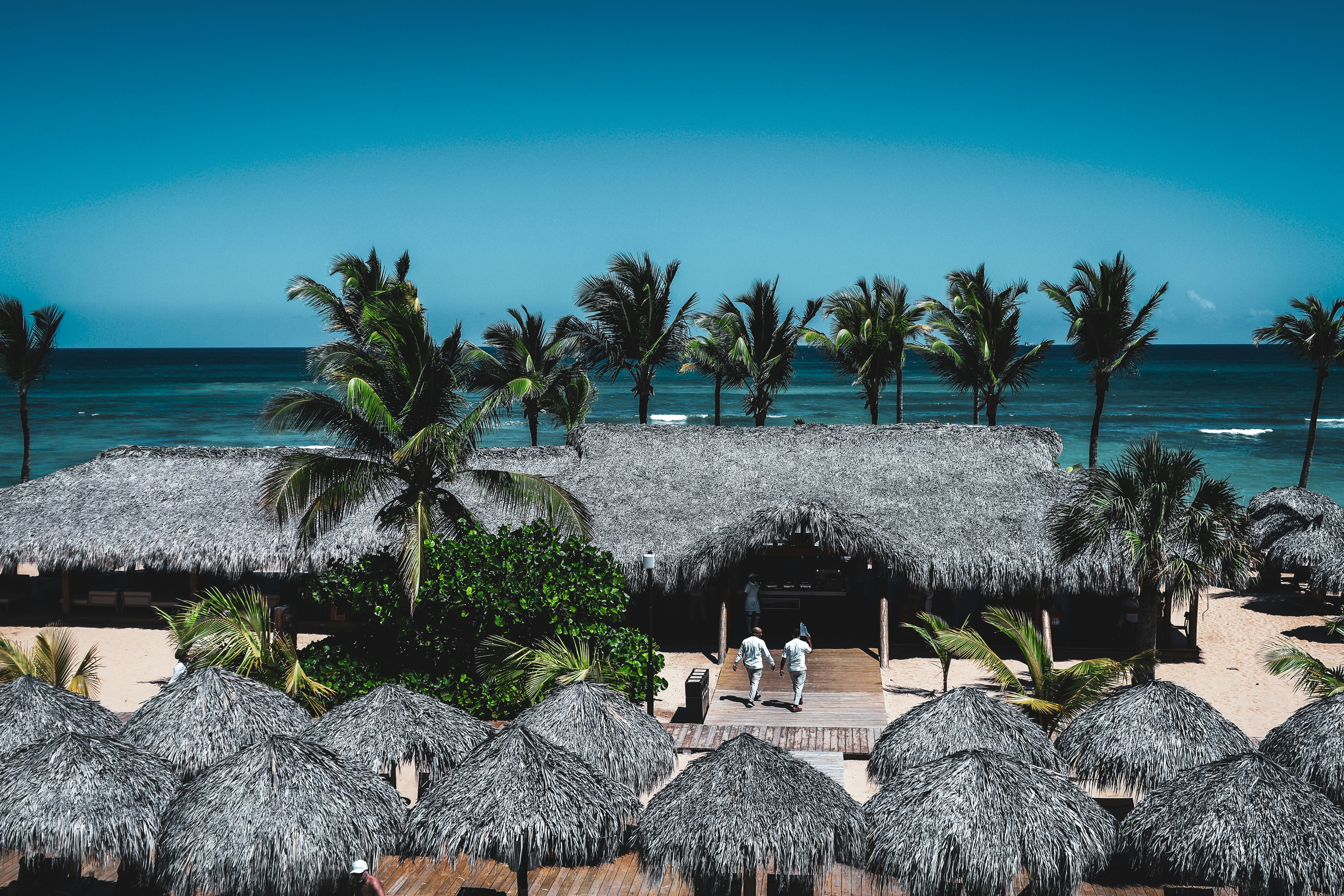
Sun-soaked beaches, lush mountains, and vibrant Caribbean culture — the Dominican Republic has all the ingredients for an unforgettable 2026 adventure. Whether you’re here for all-inclusive resorts in Punta Cana, colonial charm in Santo Domingo, surfing in Cabarete, or waterfalls in Samaná, this guide helps you plan with confidence.
This Complete Dominican Republic Travel Guide 2026 brings together everything you need to know before you go: best time to visit, realistic budget ranges, visa and entry essentials, transport options, food and dining, safety, and how to stay connected with Hello eSIM. You’ll also find itinerary ideas for 3, 5, and 10 days, plus practical tips on money, cultural etiquette, and health.
Think of this as your high-level trip planner: a friendly, well-travelled friend summarizing the big picture, while linking you to deeper articles like Dominican Republic Travel Budget Guide, Dominican Republic Transport Guide, and Dominican Republic Food Guide for all the details.
Use this pillar guide to compare seasons, choose the right budget level, pick your itinerary length, and set up your Hello eSIM before landing. By the end, you’ll have a clear, personalised plan to visit Dominican Republic in 2026 — without the stress, confusion, or endless tab-hopping.
Why Visit Dominican Republic in 2026
Dominican Republic in 2026 is a sweet spot of Caribbean beaches, cultural depth, and good value, with improving infrastructure and eSIM connectivity making it easier than ever to plan a flexible, budget-aware trip.
The Dominican Republic blends resort ease with independent travel adventure. On one side, you have world-famous all-inclusive strips in Punta Cana and La Romana; on the other, you’ve got backpacker-friendly towns like Cabarete, the lush interior around Jarabacoa, and the wild beauty of Samaná’s coastline. As of 2026, tourism infrastructure continues to expand, with more mid-range boutique stays and eco-lodges offering alternatives to mega-resorts.
Culture-wise, you’re not just ticking off beaches. Santo Domingo’s Zona Colonial is a UNESCO-listed old town of cobbled streets and 16th-century architecture, perfect for pairing with modern nightlife and live music. Outside the capital, you’ll encounter everyday Dominican life: colmados (corner shops), guaguas (local buses), bachata playing in the background, and impossibly friendly people.
Compared with destinations like Thailand or Japan, the Dominican Republic is usually shorter-haul for travellers from the Americas and often cheaper than many Caribbean islands for accommodation and food, especially if you step beyond resort areas.
In this guide, we’ll help you decide where you fit on the spectrum: from budget guesthouses to luxury villas, from quick 3-day city breaks to immersive 10-day itineraries. Use the itinerary-focused cluster articles like 3 Days in Dominican Republic, Dominican Republic in 5 Days, and Dominican Republic in 10 Days to turn this big-picture inspiration into daily plans.
Best Time to Visit Dominican Republic
The best time to visit Dominican Republic is generally December–April for dry, sunny weather, but shoulder months like May–June and November often offer fewer crowds and better prices if you’re flexible.
The Dominican Republic has a tropical climate with warm temperatures year-round, but seasonal differences matter for both comfort and cost. Peak season runs from December to April, when North American and European travellers escape winter and flock to the beaches. You’ll get the most reliably dry, pleasant weather then, especially in coastal areas, but prices for flights and accommodation can spike.
The shoulder seasons (May–June and November) are excellent for balancing budget and conditions. Expect occasional showers, but also lower room rates and fewer people on popular beaches. The Atlantic hurricane season technically runs June–November, with the highest storm risk in August–October, so if you book those months, it’s wise to have flexible plans and travel insurance, especially for coastal stays.
Here’s a simple season-at-a-glance table to help you decide:
| Season (2026) | Weather & Rain | Prices | Best For |
|---|---|---|---|
| Dec–Apr (Peak) | Dry, sunny, comfortable | High | Beach resorts, first-time visitors |
| May–Jun (Shoulder) | Warm, some showers | Medium | Value, fewer crowds |
| Jul–Oct (Wet/Hurricane) | Hot, humid, higher rain | Low–Medium | Budget travellers, inland stays |
| Nov (Shoulder) | Warm, improving weather | Medium | Mixed trips, city + beach |
Use our itinerary guides — 3-Day, 5-Day, and 10-Day — to see how activities shift by season (e.g., whale watching in Samaná in specific months), and adjust your plan accordingly.
Budget Overview: How Much Does Dominican Republic Cost in 2026?
Dominican Republic in 2026 can be surprisingly affordable if you avoid all-inclusive-only thinking; expect roughly US$45–70 per day for budget travel, US$80–150 for mid-range, and US$180+ for comfortable luxury.
Thanks to a mix of local eateries, guesthouses, and public transport, you can keep costs reasonable — especially outside resort zones. The Dominican Republic Travel Budget Guide breaks down typical daily expenses in detail, but here’s a simplified budget comparison to help you choose your travel style.
| Travel Style (2026) | Approx. Daily Budget (per person) | Typical Inclusions |
|---|---|---|
| Budget | US$45–70 | Hostel/guesthouse, local comedores, buses/guaguas, free beaches |
| Mid-range | US$80–150 | Hotels or boutique stays, mix of local & restaurant meals, taxis/shuttles |
| Luxury | US$180–300+ | Resorts/villas, fine dining, private tours, premium transport |
Key cost drivers:
- Accommodation: Large price gap between basic guesthouses and resort packages. Booking a mix of city hotels and coastal boutiques can reduce cost compared with staying exclusively in high-end zones.
- Food: Local spots (comedor, street food) are often 3–5x cheaper than tourist-focused restaurants. Our Dominican Republic Food Guide shows typical prices for meals and snacks.
- Transport: Public transport is cheap; private transfers and domestic flights drive costs up. See Getting Around Dominican Republic for specific ranges.
- Connectivity: Hello eSIM offers data plans for Dominican Republic with instant activation; factor a modest data cost into your daily budget instead of roaming charges.
To nail your numbers, pair this overview with Dominican Republic Currency & Money Guide and Dominican Republic Travel Budget Guide, then plug estimates into the Hello app’s budget tracking and expense splitting features.
Dominican Republic Travel Budget Guide: Daily Costs and Money Tips
Currency & MoneyDominican Republic Currency & Money Guide: Exchange, Cards, and Tips
Food & DiningDominican Republic Food Guide: Must-Try Dishes, Prices, and Tips
Getting AroundGetting Around Dominican Republic: Transport Guide for Travellers
Visa & Entry Requirements: 2026 Snapshot
As of 2026, many travellers can enter Dominican Republic visa-free for short stays, but rules vary by nationality, so always check up-to-date requirements and ensure your passport and supporting documents meet entry standards.
The Dominican Republic uses a mix of visa-free entry, tourist cards, and traditional visas, depending on your passport. For many visitors from Europe and the Americas, short tourist trips are visa-free or simply require purchasing a tourist card, but conditions can change, and border officials may request proof of onward travel, accommodation details, and sufficient funds.
Passport validity is critical: most travellers are expected to have at least six months of validity remaining beyond their date of arrival, plus at least one blank page for stamps. For Singapore citizens, the dedicated guide Dominican Republic Visa & Entry Requirements for Singapore Passport Holders explains whether you need a visa, minimum passport validity, and customs allowances.
When planning your trip, think of entry in three parts:
- Visa/type of entry: Do you need a visa in advance, a tourist card, or is your stay visa-free?
- Documents at the border: Passport, onward/return ticket, accommodation proof, travel insurance, and sometimes financial proof.
- Customs & allowances: Duty-free limits, rules on bringing in cash, medicines, and drones.
Check our visa-focused article for Singapore citizens as an example, then confirm rules with your local Dominican consulate or embassy website for your nationality. Combine this with the Dominican Republic Safety Guide to ensure you’re covered with appropriate travel insurance and emergency contacts before you land.
Getting Around: Transport & Local Mobility
Getting around Dominican Republic combines formal transport (buses, taxis, domestic flights) with local options like guaguas; planning how you’ll move between cities and resorts dramatically impacts both cost and comfort.
The Getting Around Dominican Republic: Transport Guide for Travellers dives into airport transfers, public transport, and driving, but here’s the high-level picture. In major hubs like Santo Domingo and Punta Cana, you’ll find official taxis, ride options, and private shuttles from airports to hotels. Long-distance travel is typically by intercity bus (e.g., Santo Domingo–Santiago, Santo Domingo–Punta Cana) or, for some routes, domestic flights.
Locally, you’ll encounter:
- Guaguas & carros públicos: Shared minibuses and public cars on fixed routes, very cheap but crowded and informal.
- Private taxis and hotel shuttles: More comfortable, used heavily in resort areas and at night.
- Rental cars: Useful for exploring interior regions like Jarabacoa or Samaná, but driving standards and road conditions vary; parking and insurance need attention.
When deciding your transport strategy, think in terms of a simple decision framework:
- If you’re mainly in one resort: rely on airport transfer + local taxis; you don’t need a car.
- If you’re city-hopping and beach-hopping: combine intercity buses with short taxis and pre-arranged transfers.
- If you’re exploring remote waterfalls and mountains: consider renting a car or hiring a driver-guide.
For up-to-date safety and health considerations on transport, cross-check with the Dominican Republic Safety Guide. Then use our itineraries — 3-day, 5-day, and 10-day — to see practical examples of how to move efficiently day by day.
Getting Around Dominican Republic: Transport Guide for Travellers
Safety & HealthDominican Republic Safety Guide: Tips for a Safe Trip
Itineraries3 Days in Dominican Republic: A Day-by-Day Itinerary
ItinerariesDominican Republic in 5 Days: The Perfect Extended Itinerary
ItinerariesDominican Republic in 10 Days: The Ultimate Travel Itinerary
Food & Dining: Eating Your Way Around Dominican Republic
Dominican food is hearty, flavourful, and great value; in 2026 you can happily eat local most of the time, mixing street food and comedores with occasional restaurant splurges, while managing dietary needs with a bit of planning.
The Dominican Republic Food Guide walks through must-try dishes like la bandera (rice, beans, meat), mofongo, sancocho, fried fish, and street snacks. This pillar section focuses on how to use that knowledge across your trip.
Think of food in three tiers:
- Local comedores & street food: Cheapest and most authentic; expect generous plates of rice, beans, meat, and fried plantains.
- Casual restaurants & beach shacks: Mid-priced, often catering to both locals and visitors, with seafood, grilled meats, and classic Dominican plates.
- Hotel & resort dining: Convenient but usually more expensive; quality varies, so it’s worth still exploring beyond your property.
A smart 2026 food strategy might look like: local lunch in a comedor, afternoon fruit or street snacks, then a mid-range restaurant or seaside spot for dinner a few times a week. This keeps your budget reasonable while still allowing space for “wow” meals.
For vegetarians, vegans, or people with allergies, the food guide outlines common options and how to communicate your needs in Spanish. Pair that with the Dominican Republic Cultural Guide for useful phrases and etiquette (like how and when to tip, and how casual mealtimes really are).
Don’t forget to factor drinks into your budget: fresh juices, coffee, and local rum-based cocktails add up, so cross-check typical prices in the food guide and plug them into Hello’s expense-splitting and budget tools if you’re travelling with friends.
Top Experiences & Suggested Itineraries
Dominican Republic’s top experiences range from colonial history to beach relax and mountain adventures; using 3-, 5-, and 10-day itineraries helps you combine highlights into a realistic, enjoyable 2026 trip.
Rather than trying to “do everything,” map your interests to time and region. Our cluster itineraries — 3 Days in Dominican Republic, 5 Days, and 10 Days — offer day-by-day plans with costs and transport tips.
At a high level:
- Santo Domingo: Zona Colonial, museums, plazas, cafés, nightlife. Great for culture lovers and first-time visitors.
- Punta Cana / La Romana: White-sand beaches, resorts, water sports, day trips to islands.
- Samaná Peninsula: More laid-back beaches, waterfalls, seasonal whale watching.
- North Coast (Puerto Plata, Cabarete): Windsurfing, kitesurfing, coastal views.
- Interior (Jarabacoa, Constanza): Mountains, rivers, hiking, cooler climate.
Use this simple experience selector:
- If you want mostly beach + relaxation → base in Punta Cana or La Romana, add one day in Santo Domingo.
- If you want culture + nightlife + some beach → base in Santo Domingo, add a beach side trip.
- If you want nature + fewer crowds → focus on Samaná or interior mountain towns.
Short trips (3 days) usually centre on Santo Domingo with a quick coastal escape; 5 days let you combine capital and one beach region; 10 days comfortably cover two or three distinct areas.
Layer in cultural understanding with the Dominican Republic Cultural Guide and safety awareness via the Dominican Republic Safety Guide to make sure your chosen experiences feel rewarding and secure.
3 Days in Dominican Republic: A Day-by-Day Itinerary
ItinerariesDominican Republic in 5 Days: The Perfect Extended Itinerary
ItinerariesDominican Republic in 10 Days: The Ultimate Travel Itinerary
Cultural GuideDominican Republic Cultural Guide: Etiquette, Customs, and Tips
Safety & HealthDominican Republic Safety Guide: Tips for a Safe Trip
Hello eSIM Connectivity: Staying Online in 2026
In 2026, the easiest way to stay connected in Dominican Republic is to set up a Hello eSIM before you fly, giving you instant mobile data on arrival without hunting for local SIM cards or relying on pricey roaming.
The eSIM for Dominican Republic: Best Plans, Coverage, and Setup Tips article explains in detail how Hello eSIM works in the country — including typical data packages, network coverage in major tourist areas, and step-by-step installation. This pillar section helps you slot connectivity into your overall trip planning.
With Hello eSIM, you can:
- Activate a data plan for Dominican Republic in the Hello app before departure.
- Land with navigation, messaging, and accommodation details ready to go.
- Avoid queues at airport kiosks and language barriers around local SIM registration.
A practical 2026 strategy:
- Choose a data allowance based on trip length (e.g., 3–5 GB for a short 3–5 day trip, 10–20 GB for 10 days if you stream and upload often).
- Use hotel Wi‑Fi for heavy downloads; lean on Hello eSIM data for maps, messages, and social sharing.
- Share data usage and expenses with travel buddies using Hello’s expense-splitting feature.
Connectivity also enhances safety — you can access maps, call rides, or contact emergency services more easily. Cross-reference the Dominican Republic Safety Guide for emergency numbers and travel insurance tips, then make sure your Hello eSIM is active before landing so you’re covered from the moment you step out of the airport.
Money, Currency & Safety Basics
Managing money smartly and understanding basic safety in Dominican Republic turns a good trip into a relaxed one; in 2026, combine local cash awareness with card use, Hello eSIM, and insurance for a balanced approach.
The local currency is the Dominican peso (DOP), but US dollars are also widely recognised in tourist areas. The Dominican Republic Currency & Money Guide explains how to exchange money, use ATMs, and pay by card. Building on that, think of your money plan in three parts:
- Cash for small spends: Keep pesos for street food, local buses, tips, and small shops.
- Cards for larger payments: Use credit/debit cards in hotels, many restaurants, and some tour operators.
- Digital tracking: Use the Hello app to track expenses and split costs among friends.
Tipping is customary but moderate; the currency guide outlines typical expectations for restaurants and tours.
On safety, the Dominican Republic Safety Guide covers common scams, health advice, and emergency contacts. Key principles include keeping valuables discrete, using licensed taxis or reputable transfer services at night, and securing travel insurance for health and trip disruptions.
Hello eSIM strengthens your safety net: you can quickly look up verified routes, check reviews of accommodation and tours, and stay reachable. Pair that with basic precautions like photocopying important documents and storing them separately from originals.
If you’re travelling with a group, agree on a shared budget range in advance using the Dominican Republic Travel Budget Guide, then track spending in Hello so there are no end-of-trip money surprises.
Culture, Etiquette & Local Tips
Dominican culture is warm, musical, and social; learning a few etiquette basics and phrases makes 2026 travel smoother, especially when you venture beyond resort walls into everyday neighbourhoods.
The Dominican Republic Cultural Guide is your deep dive into greetings, dress codes, and local customs. At a high level, you can expect friendly people, informal dress in most settings, and strong family and community ties.
Key etiquette points:
- Greetings: A simple “hola” and handshake or cheek kiss (depending on context) go a long way.
- Dress: Beachwear is fine on the sand, but cover up a bit in town or at local restaurants and churches.
- Language: Spanish is the main language; learning a handful of phrases for ordering food, asking for directions, and thanking people will be appreciated.
Music and dance — especially bachata and merengue — are central to social life. Don’t be surprised if evenings revolve around music, whether in city bars or barrio gatherings.
To bridge cultural understanding with practical travel, pair the cultural guide with our Dominican Republic Food Guide for dining etiquette and tipping norms, and the Dominican Republic Safety Guide for how social norms interact with safety (e.g., when to avoid certain areas or behaviours).
Hello eSIM helps you access translation apps and offline phrase lists, making it easier to communicate respectfully. A small effort to speak the language and respect local rhythms — like accepting that things may run on a more relaxed schedule than in Japan — will make your visit more enjoyable and better received.
Before You Go: 2026 Checklist
A simple pre-departure checklist keeps your 2026 Dominican Republic trip stress-free; focus on documents, money, connectivity, health, and a loose but realistic itinerary.
Use this Before You Go list as a final run-through:
- Documents: Check passport validity (ideally 6+ months), confirm visa or tourist card requirements using your local embassy info and examples like Dominican Republic Visa & Entry Requirements for Singapore Passport Holders.
- Flights & accommodation: Book main flights and at least your first 2–3 nights; save confirmation emails offline.
- Itinerary skeleton: Decide whether you’re on a 3-, 5-, or 10-day framework using our itinerary guides — 3 Days, 5 Days, 10 Days — and note key transport links.
- Money prep: Read the Dominican Republic Currency & Money Guide and Travel Budget Guide, set a daily budget in Hello, and inform your bank of travel dates.
- Connectivity: Install the Hello app and set up your Hello eSIM for Dominican Republic using eSIM for Dominican Republic, so data is active on arrival.
- Health & safety: Review the Dominican Republic Safety Guide, buy travel insurance, and note emergency numbers and nearest hospital to your first destination.
- Culture & food: Skim the Dominican Republic Cultural Guide and Food Guide to learn key phrases, tipping rules, and must-try dishes.
Keeping this list in the Hello app or your notes means you can quickly see what’s done and what’s left, turning pre-trip anxiety into simple, tickable tasks.
Dominican Republic Visa & Entry Requirements for Singapore Passport Holders
Itineraries3 Days in Dominican Republic: A Day-by-Day Itinerary
ItinerariesDominican Republic in 5 Days: The Perfect Extended Itinerary
ItinerariesDominican Republic in 10 Days: The Ultimate Travel Itinerary
eSIM & ConnectivityeSIM for Dominican Republic: Best Plans, Coverage, and Setup Tips
Currency & MoneyDominican Republic Currency & Money Guide: Exchange, Cards, and Tips
Budget PlanningDominican Republic Travel Budget Guide: Daily Costs and Money Tips
Cultural GuideDominican Republic Cultural Guide: Etiquette, Customs, and Tips
Food & DiningDominican Republic Food Guide: Must-Try Dishes, Prices, and Tips
Safety & HealthDominican Republic Safety Guide: Tips for a Safe Trip
Frequently Asked Questions
How many days do I need in Dominican Republic for a first visit?
For a first trip in 2026, 5–7 days is ideal: it lets you combine Santo Domingo’s colonial centre with at least one beach region like Punta Cana or Samaná. Use Dominican Republic in 5 Days and Dominican Republic in 10 Days to see what’s realistic at different trip lengths.
Is Dominican Republic expensive compared to other destinations?
Dominican Republic can be very affordable if you lean on local food, public transport, and non-resort accommodation — often cheaper than many Caribbean islands, though not as low-cost as some parts of Thailand. The Dominican Republic Travel Budget Guide shows daily budgets from budget to luxury, and you can track spending in Hello.
Do I need a visa to visit Dominican Republic in 2026?
Visa rules depend on your nationality. Many travellers can enter visa-free or via a tourist card for short stays, but passport validity and onward travel proofs still matter. Check your local Dominican embassy and use examples like Dominican Republic Visa & Entry Requirements for Singapore Passport Holders as a reference, then confirm specifics for your passport.
Is it safe to travel around Dominican Republic?
Most visitors have a safe and enjoyable trip, especially in well-known tourist areas, but petty crime and occasional scams exist. Sensible precautions — watching valuables, using licensed taxis, having travel insurance, and staying connected with Hello eSIM — go a long way. For detailed guidance, see the Dominican Republic Safety Guide.
What’s the best way to stay connected in Dominican Republic?
As of 2026, the easiest option is Hello eSIM, which lets you buy and activate a Dominican Republic data plan in the Hello app before you fly. You land with mobile data ready, saving you time and avoiding roaming charges. The eSIM for Dominican Republic article explains plans, coverage, and setup in detail.
Can I rely on card payments, or do I need cash?
You’ll want a mix: cards for hotels, many restaurants, and bigger purchases; cash (Dominican pesos) for street food, local buses, smaller shops, and tips. The Dominican Republic Currency & Money Guide outlines exchange options, ATM usage, and tipping norms so you can plan how much to carry.
What are the must-try foods in Dominican Republic?
Don’t miss la bandera (rice, beans, meat), sancocho (hearty stew), mofongo, fried fish by the beach, and plantain-based dishes. Street food and local comedores are great value and very tasty. For prices, regional specialties, and dietary tips, use the Dominican Republic Food Guide.
eSIM Plans for Dominican Republic
Detailed Articles
Dive deeper into specific topics covered in this guide.
3 Days in Dominican Republic: A Day-by-Day Itinerary
A detailed 3-day itinerary for Dominican Republic with daily activities, costs, neighborhoods, and transport tips.
10 June 2026
Dominican Republic in 5 Days: The Perfect Extended Itinerary
A detailed 5-day itinerary for Dominican Republic with daily activities, costs, neighborhoods, and transport tips for an extended stay.
5 May 2026
Dominican Republic in 10 Days: The Ultimate Travel Itinerary
A comprehensive 10-day itinerary for Dominican Republic covering top attractions, hidden gems, daily costs, and transport between cities.
19 June 2026
Dominican Republic Cultural Guide: Etiquette, Customs, and Tips
Essential do's and don'ts, greeting customs, dress codes, local phrases, and cultural tips for Dominican Republic.
1 June 2026
Dominican Republic Safety Guide: Tips for a Safe Trip
Safety tips, health advisories, emergency contacts, common scams, and travel insurance advice for Dominican Republic.
17 July 2026
Dominican Republic Travel Budget Guide: Daily Costs and Money Tips
How much does it cost to travel in Dominican Republic? Daily budget breakdowns for budget, mid-range, and luxury travellers.
23 February 2026
Dominican Republic Currency & Money Guide: Exchange, Cards, and Tips
Currency exchange, credit card acceptance, ATM tips, tipping culture, and money-saving advice for Dominican Republic.
25 July 2026
Dominican Republic Food Guide: Must-Try Dishes, Prices, and Tips
Best local dishes, street food, restaurant prices, dietary options, and food safety tips for Dominican Republic.
14 May 2026
More Travel Guides
Destination Guide
Complete Bosnia and Herzegovina Travel Guide 2026
Everything you need to know about travelling to Bosnia and Herzegovina — budget, visa, food, transport, eSIM connectivity, and itineraries.
Destination Guide
Complete Bahamas Travel Guide 2026
Everything you need to know about travelling to Bahamas — budget, visa, food, transport, eSIM connectivity, and itineraries.
Destination Guide
Complete Bahrain Travel Guide 2026
Everything you need to know about travelling to Bahrain — budget, visa, food, transport, eSIM connectivity, and itineraries.
Destination Guide
Complete Sint Eustatius Travel Guide 2026
Everything you need to know about travelling to Sint Eustatius — budget, visa, food, transport, eSIM connectivity, and itineraries.