Key Takeaways
- ✓Botswana is a premium, low‑density safari destination in 2026, best visited between May and October for classic wildlife viewing.
- ✓Daily budgets range from roughly $50–70 for backpackers to $800–2,000+ for luxury lodge safaris, excluding international flights.
- ✓Many travellers, including Singapore passport holders, enjoy visa‑free stays up to 90 days, with at least six months’ passport validity required.
- ✓Hello eSIM is the simplest way to stay connected across Botswana’s towns and safari hubs without buying local SIM cards.
- ✓Most visitors rely on domestic flights and lodge transfers; 4x4 self‑drive is an option for experienced drivers only.
- ✓Local food is hearty and affordable in towns, while lodge dining is typically included in higher nightly rates.
- ✓Safety and health risks are manageable with standard precautions, malaria awareness, and adherence to professional safari guidance.
- ✓Short 3–5 day trips focus on one region, while 10‑day itineraries combine the Okavango, Chobe, and desert or salt pan landscapes.
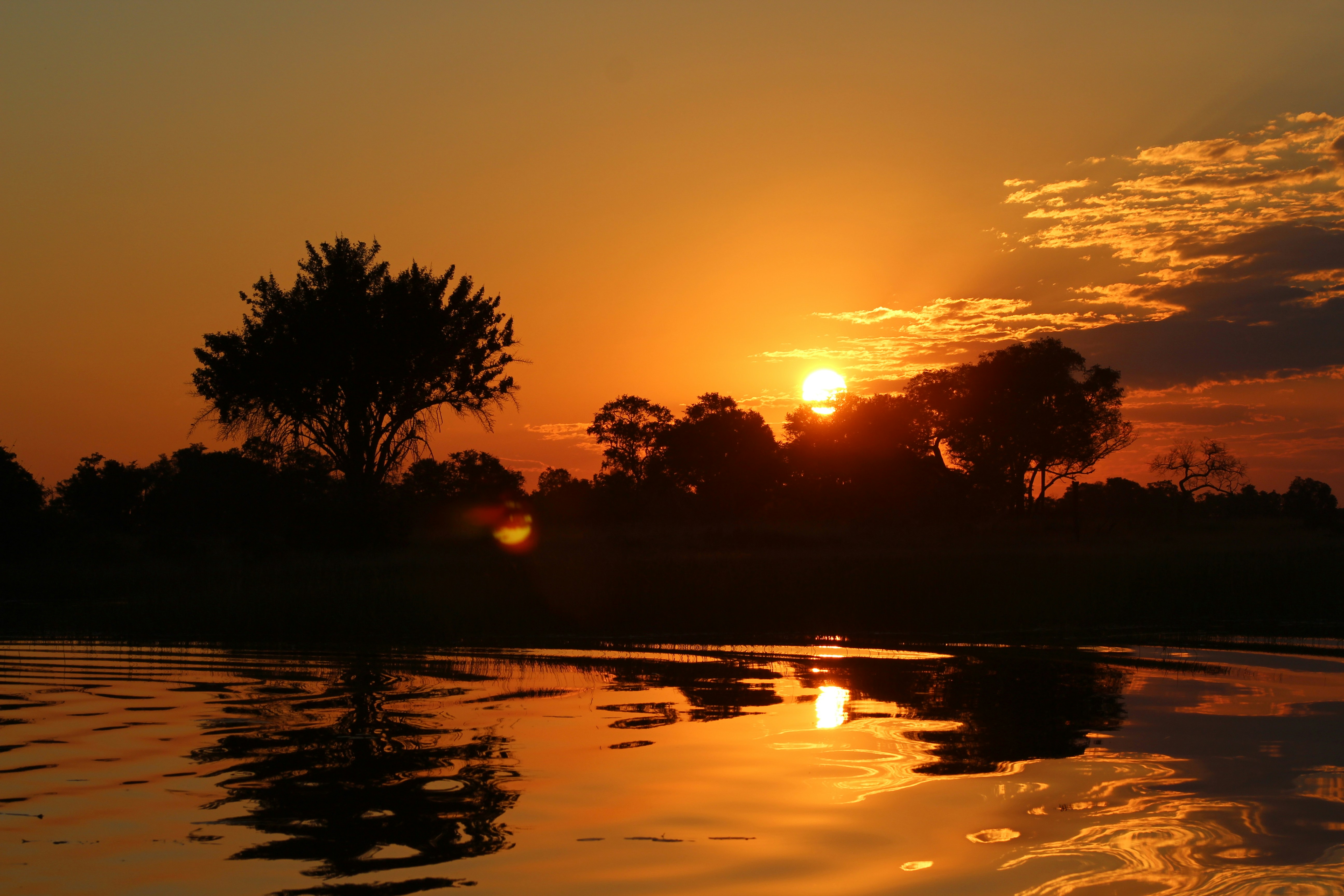
Botswana is one of Africa’s most magical safari destinations in 2026: wild, spacious, and carefully protected so it never feels crowded. From drifting through the Okavango Delta in a mokoro canoe to watching elephants line the Chobe River at sunset, it’s a country built for unforgettable nature-focused trips.
This Complete Botswana Travel Guide 2026 brings everything together in one place: when to go, how much to budget, visas and entry, getting around, food, safety, eSIM connectivity, and practical tips. You’ll find big-picture decision help here—comparison tables, at‑a‑glance budgets, and “which season is right for you” breakdowns—plus links to detailed cluster articles for deep dives.
Whether you’re planning a quick 3–5 day taste of Botswana or a full 10‑day safari adventure, you’ll learn how to combine parks, cities, and cultural experiences, what daily costs look like as of 2026, and how to stay connected with Hello eSIM while tracking your spend. Use this guide as your trip planner hub, then jump into itineraries, budget planning, transport, food, and safety articles as needed.
By the end, you’ll have a clear plan: where to go, how long to stay, what it will roughly cost, and the small details—currency, etiquette, packing—that make travelling in Botswana feel smooth instead of intimidating.
Why Visit Botswana in 2026
Botswana in 2026 is ideal for travellers who want world‑class wildlife, low crowds, and a strong focus on conservation, with trips ranging from three‑day highlights to ten‑day deep dives powered by Hello eSIM connectivity and modern travel tools.
Botswana has built its tourism model around high quality, low density safaris, meaning fewer visitors, smaller camps, and more intimate wildlife encounters than you’ll find in busier destinations like Thailand or Japan. As of 2026, safari operators and government policy still keep visitor numbers relatively low while maintaining excellent infrastructure around hubs like Maun, Kasane, and Gaborone.
If you’re short on time, start with a bite‑sized itinerary such as 3 Days in Botswana: A Day-by-Day Itinerary for a quick Okavango or Chobe taste, or Botswana in 5 Days: The Perfect Extended Itinerary for a more relaxed mini‑safari. Travellers with more time can follow Botswana in 10 Days: The Ultimate Travel Itinerary to combine the Okavango Delta, Chobe National Park, Makgadikgadi salt pans, and cultural experiences.
Unlike some destinations that revolve around big cities or nightlife, Botswana is primarily about wilderness, wildlife, and local culture—morning and evening game drives, boat safaris, bush walks, and time with local guides. It’s also one of Africa’s safer, more politically stable countries as of 2026, making it a strong first‑time safari choice when paired with resources like the Botswana Safety Guide: Tips for a Safe Trip and the Botswana Cultural Guide: Etiquette, Customs, and Tips.
Use this guide as your planning hub to decide how long to stay, which parks to prioritise, and how to balance cost and comfort.
3 Days in Botswana: A Day-by-Day Itinerary
ItinerariesBotswana in 5 Days: The Perfect Extended Itinerary
ItinerariesBotswana in 10 Days: The Ultimate Travel Itinerary
Safety & HealthBotswana Safety Guide: Tips for a Safe Trip
Cultural GuideBotswana Cultural Guide: Etiquette, Customs, and Tips
Best Time to Visit Botswana
The best time to visit Botswana for most travellers in 2026 is the dry season from May to October, when wildlife gathers around limited water sources and safari conditions are cooler, clearer, and less humid—but green season has its own charms and savings.
Botswana has two main travel seasons:
- Dry season (May–October): Cooler nights, warm days, minimal rain. Wildlife concentrates around rivers and waterholes in the Okavango Delta and Chobe, making game viewing particularly strong.
- Green/wet season (November–March): Lush landscapes, dramatic skies, excellent birding, and lower prices. Some wildlife disperses, but areas like the Kalahari and Savuti can be outstanding.
To help you match your trip to your priorities, here’s an at‑a‑glance comparison:
| Season (2026) | Months | Weather & Conditions | Wildlife & Activities | Typical Prices |
|---|---|---|---|---|
| Peak dry | Jun–Aug | Cool nights, pleasant days, very little rain | Superb game viewing, low malaria risk, ideal for camping | Highest lodge and flight prices |
| Shoulder dry | Apr–May, Sep–Oct | Warm days, some dust, increasing heat in Sep–Oct | Strong game viewing, good water levels in Okavango | High but slightly more flexible prices |
| Green/wet | Nov–Mar | Hotter, afternoon storms, lush scenery | Great birding, newborn animals, more dispersed big game | Best value; many camps offer discounts |
First‑time visitors usually prefer August–October, when visibility is excellent and animals are most concentrated. Budget‑minded travellers and photographers who like dramatic skies may enjoy November–March, accepting some rain in exchange for lower prices.
To see how seasons affect specific routes and daily plans, cross‑check this overview with Botswana in 5 Days: The Perfect Extended Itinerary and Botswana in 10 Days: The Ultimate Travel Itinerary, which highlight how dry and green season itineraries differ.
Budget Overview: How Much a Botswana Trip Costs in 2026
As of 2026, Botswana is one of Africa’s pricier safari destinations: backpackers can manage on roughly $50–70 per day, mid‑range travellers around $150–250, and luxury safari guests from $800 to well over $2,000 per day, excluding international flights.
Costs in Botswana are driven mainly by safari style and internal flights. Public transport and simple guesthouses are relatively affordable, but remote lodges, fly‑in camps, and private guides add up quickly. The Botswana Travel Budget Guide: Daily Costs and Money Tips breaks this down in detail, while the Botswana Currency & Money Guide: Exchange, Cards, and Tips helps you understand how to pay and save on the ground.
Here’s an approximate 2026 daily budget comparison (per person, excluding international flights):
| Travel Style (2026) | Daily Budget | Typical Inclusions |
|---|---|---|
| Backpacker / budget | $50–70 | Local buses, simple guesthouses, occasional group day tours, mostly local meals |
| Mid‑range | $150–250 | Mix of guesthouses and mid‑range lodges, some internal flights, regular guided game drives |
| High‑end lodge safari | $800–2,000+ | Fly‑in luxury camps, all‑inclusive (meals, drinks, activities), private guides, park fees |
To plan your overall trip budget, the budget guide notes that a week can be around $350–500 for a bare‑bones backpacker trip, $1,000–1,400 for mid‑range travel, and $4,000–20,000+ for high‑end lodge‑based safaris as of 2026.
Using Hello’s expense tracking and splitting features helps you keep these costs transparent during the trip, especially if you’re travelling with friends and sharing lodge stays or vehicle rentals.
For deeper planning, start with the Botswana Travel Budget Guide: Daily Costs and Money Tips for category‑by‑category breakdowns, then pair it with the Botswana Currency & Money Guide: Exchange, Cards, and Tips for practical payment strategies.
Visa & Entry Requirements (Including Singapore Travellers)
As of 2026, many nationalities—including Singapore passport holders—can visit Botswana visa‑free for stays of up to 90 days, provided their passport is valid for at least six months and they can show proof of onward or return travel.
Botswana maintains relatively straightforward entry rules for tourism. For Singapore citizens, the Botswana Visa & Entry Requirements for Singapore Passport Holders confirms visa‑free entry for up to 90 days as of 2026, plus details on passport validity, blank pages, and customs allowances. Similar visa‑free arrangements apply to many travellers from the US, UK, EU, Canada, Australia, and other Commonwealth or SADC countries, but always check the latest guidance from your government and Botswana immigration before travelling.
Key points for 2026:
- Passport validity: Minimum six months beyond your intended departure date, with at least two blank pages.
- Onward travel evidence: Print or save return/onward flight confirmations.
- Customs & allowances: Botswana has strict rules on certain animal products and large cash sums; the visa‑entry guide summarises what you can and cannot bring.
- Yellow fever: If you are arriving from a country with yellow fever risk, you may need proof of vaccination.
For Singapore travellers specifically, the cluster article outlines entry steps at major airports and land borders, plus practical advice for clearing immigration smoothly.
Use Botswana Visa & Entry Requirements for Singapore Passport Holders as your starting point even if you’re not Singaporean: the structure (passport, documents, customs, and tips) is useful, and you can adapt it to your own nationality’s rules.
Getting Around Botswana: Transport & Logistics
Getting around Botswana in 2026 usually means a mix of domestic flights, 4x4 vehicles, and occasionally public buses; your choice depends on budget, time, and how remote your safari destinations are.
For most visitors, the key hubs are Gaborone, Maun, and Kasane. International flights often land in Gaborone, with onward domestic flights to Maun (gateway to the Okavango Delta) and Kasane (for Chobe National Park). From there, lodge transfers, charter flights, or guided safaris take you deeper into wilderness areas.
The Getting Around Botswana: Transport Guide for Travellers explains options in detail:
- Airport transfers: Pre‑booked lodge transfers or hotel shuttles from Maun and Kasane.
- Public transport: Intercity buses and shared taxis connecting major towns; slow but cost‑effective for budget travellers.
- Self‑drive: 4x4 rentals for experienced drivers—great freedom but requires comfort with gravel, sand, and sometimes water crossings.
- Ride‑hailing: Limited mainly to urban centres like Gaborone; not a primary safari tool.
A simple decision framework:
- Short trip (3–5 days) + focus on Okavango/Chobe → Fly into Maun or Kasane, use lodge transfers.
- 7–10 days + mix of parks and towns → Combination of internal flights and 4x4 transfers.
- Budget‑heavy, flexible schedule → Public buses between towns, then join group day tours.
Transport choices are embedded in itineraries like Botswana in 5 Days: The Perfect Extended Itinerary and Botswana in 10 Days: The Ultimate Travel Itinerary, which indicate when flights vs road transfers make the most sense. Start with the transport guide, then cross‑check with your chosen itinerary and budget.
Food & Dining: What to Eat and What It Costs
Food in Botswana in 2026 is hearty, meat‑forward, and surprisingly varied, with local staples like seswaa and pap alongside international options in safari lodges and towns; expect low local meal prices but higher dining costs at remote camps.
The Botswana Food Guide: Must-Try Dishes, Prices, and Tips is your deep dive into local cuisine, pricing, and safety. At a glance:
- Local dishes: Try seswaa (slow‑cooked beef), morogo (leafy greens), pap (maize porridge), and boerewors sausages.
- Street food & casual eateries: In towns, simple meals can be very affordable—use them to keep daily budgets down.
- Safari lodges: Usually offer multi‑course, often international menus, and cater to dietary needs (vegetarian, vegan, gluten‑free) if notified in advance.
As of 2026, a typical cost pattern is:
- Local restaurant or takeaway meal: relatively low, good for budget travellers.
- Mid‑range restaurant in cities: moderate pricing, comparable to many other African capitals.
- Lodge dining: effectively bundled into your nightly rate, which covers accommodation, food, and often drinks.
Food safety is generally good in established lodges and reputable restaurants, but the cluster article recommends standard precautions: drink safe water, be cautious with unrefrigerated street food, and listen to local guidance. If you have specific dietary requirements, inform lodges and tour operators well ahead of time; many are used to international guests and can accommodate.
Use the Botswana Food Guide: Must-Try Dishes, Prices, and Tips to plan your must‑try dishes and daily food budget, then cross‑reference with the Botswana Travel Budget Guide: Daily Costs and Money Tips to see how dining fits into your overall spend.
Top Experiences & Suggested Itineraries
Botswana’s must‑do experiences in 2026 centre on water, wildlife, and wilderness: Okavango Delta mokoro trips, Chobe River cruises, Kalahari desert walks, and time in Makgadikgadi’s surreal salt pans, woven together through 3‑, 5‑, or 10‑day itineraries.
Core experiences to prioritise:
- Okavango Delta: Traditional mokoro canoe rides, boat safaris, and water‑based wildlife viewing.
- Chobe National Park: Elephant herds along the river, sunset boat cruises, and classic game drives.
- Makgadikgadi Pans: Vast salt flats, quad‑biking, and in some seasons, meerkat encounters.
- Central Kalahari: Desert landscapes, walking with local guides, and unique wildlife adapted to arid conditions.
To turn these into actual day‑by‑day plans, use:
- 3 Days in Botswana: A Day-by-Day Itinerary for a quick highlight trip.
- Botswana in 5 Days: The Perfect Extended Itinerary for a more rounded experience.
- Botswana in 10 Days: The Ultimate Travel Itinerary for a comprehensive safari.
A simple decision tree:
- First‑time visitor, limited budget, 3–5 days → Focus on one main area (Okavango or Chobe) using the 3‑ or 5‑day itineraries.
- Wildlife enthusiast, 7–10 days → Combine Okavango + Chobe + one extra (Makgadikgadi or Kalahari) using the 10‑day itinerary as a base.
- Photographer or repeat visitor → Time your trip for specific seasons (e.g., dry season game densities, green season birding) and customise using the itineraries as templates.
Pair these experience‑driven plans with the Botswana Cultural Guide: Etiquette, Customs, and Tips to add village visits, cultural encounters, and respectful local interactions alongside your wildlife focus.
eSIM Connectivity in Botswana: Staying Online with Hello
In 2026, the easiest way to stay connected in Botswana is to use Hello eSIM, which offers instant activation, local data, and hassle‑free management across cities and safari hubs without hunting for physical SIM cards.
Botswana’s mobile coverage is generally good in and around towns like Gaborone, Maun, and Kasane, with more limited but often adequate coverage in some safari areas. For most travellers, especially those hopping between countries or flying into multiple airports, Hello eSIM is the most convenient option: you can install it before departure, activate on arrival, and start using data immediately.
The dedicated eSIM for Botswana: Best Plans, Coverage, and Setup Tips explains exactly how to:
- Choose a data plan that fits your itinerary length and usage.
- Set up Hello eSIM on iOS or Android step‑by‑step.
- Optimise settings to avoid bill shock (e.g., turning off background data, using Wi‑Fi at lodges).
- Understand where coverage is strongest and where to expect weaker reception.
Because Botswana safaris often take you into remote areas, don’t expect constant connectivity on game drives or in deep delta camps. Instead, use Hello eSIM as your backbone in towns and lodges, downloading offline maps, saving booking confirmations, and syncing expense tracking whenever you have strong signal.
For trip planning and budget tracking, combine Hello’s eSIM capabilities with its expense‑splitting and trip planner features. That way, your flights, lodge bookings, and shared costs are all visible in one place even when you’re offline for parts of the day.
Safety, Health & Cultural Etiquette
Botswana is considered one of Africa’s safer and more stable countries in 2026, but you still need basic precautions: understand health risks like malaria, follow local advice in wildlife areas, and respect cultural norms in dress, greetings, and photography.
The Botswana Safety Guide: Tips for a Safe Trip covers crime risks, common scams, and emergency contacts, plus health considerations and insurance advice. It emphasises standard urban safety habits (watch valuables, avoid walking alone late at night) and heightened caution in wildlife areas (always follow guide instructions, stay in vehicles where required, and don’t approach animals).
Health‑wise, some safari regions have malaria risk, so up‑to‑date prophylaxis recommendations and insect protection are important. Lodges typically provide mosquito nets and advice; the safety guide helps you plan vaccinations, medication, and insurance coverage ahead of time.
Culturally, Botswana is warm and welcoming, with strong emphasis on politeness and community. The Botswana Cultural Guide: Etiquette, Customs, and Tips explains:
- Greeting customs and how to address elders.
- Appropriate dress in villages vs safari settings.
- When and how to ask permission for photos.
- Simple Setswana phrases that go a long way.
Together, the safety and cultural guides give you a framework: treat cities as you would any unfamiliar urban environment, follow professional guidance in the bush, and approach local communities with respect and curiosity.
Use these cluster articles while building your itinerary so safety, health, and etiquette planning sit alongside decisions about where to go and how much to spend.
Money, Currency & Paying for Things
Botswana’s currency is the pula (BWP), and as of 2026 you’ll generally use a mix of cash, cards, and occasionally US dollars at high‑end lodges; planning how to access and store money safely will keep your trip smooth and avoid unnecessary fees.
The Botswana Currency & Money Guide: Exchange, Cards, and Tips gives a detailed breakdown of:
- Where and how to exchange money into pula.
- ATM availability in cities and larger towns.
- Card acceptance in lodges, hotels, and restaurants.
- Tipping expectations and practical advice.
Many safari camps and lodges accept major credit cards and, in some cases, US dollars for on‑the‑spot payments or extras. However, you’ll still want local cash for small purchases, tips, and public transport. ATMs are common in urban areas but rare in remote regions, so plan to withdraw before heading into the bush.
To keep costs under control, pair the money guide with the Botswana Travel Budget Guide: Daily Costs and Money Tips. Together, they help you estimate daily spend, decide how much to carry in cash vs on cards, and avoid exchange rate surprises.
Hello’s built‑in budget tracking and expense splitting features are particularly useful in Botswana, where large shared expenses (lodge stays, vehicle rentals, domestic flights) can make manual cost sharing cumbersome. Track everything in real time when connected via Hello eSIM, and reconcile at the end of each segment of your trip.
Before You Go: Practical Checklist for Botswana 2026
A smooth Botswana trip in 2026 starts with a clear pre‑departure checklist: confirm visas, health prep, and insurance; set up Hello eSIM; plan your budget; and align your itinerary with the right season and transport choices.
Use this “Before You Go” checklist as your final cross‑check:
Documents & entry
- Passport valid at least 6 months beyond departure, with 2+ blank pages.
- Printed or saved copies of flight bookings and lodge confirmations.
- Visa requirements checked using Botswana Visa & Entry Requirements for Singapore Passport Holders as a structural guide.
Health & safety
- Vaccinations and malaria prophylaxis discussed with a travel clinic.
- Travel insurance covering medical evacuation and safari activities, informed by the Botswana Safety Guide: Tips for a Safe Trip.
Connectivity & apps
- Hello app installed on iOS or Android.
- Hello eSIM purchased and ready for activation on arrival, following eSIM for Botswana: Best Plans, Coverage, and Setup Tips.
Money & budget
- Trip budget sketched using the Botswana Travel Budget Guide: Daily Costs and Money Tips.
- Plan for cash withdrawal and card use guided by the Botswana Currency & Money Guide: Exchange, Cards, and Tips.
Itinerary & culture
- Core route chosen from 3 Days in Botswana, Botswana in 5 Days, or Botswana in 10 Days.
- Cultural do’s and don’ts reviewed via the Botswana Cultural Guide: Etiquette, Customs, and Tips.
Once everything above is ticked off, you’ll be ready to focus on the good stuff: wildlife, landscapes, and meaningful moments with local guides.
Botswana Visa & Entry Requirements for Singapore Passport Holders
eSIM & ConnectivityeSIM for Botswana: Best Plans, Coverage, and Setup Tips
Budget PlanningBotswana Travel Budget Guide: Daily Costs and Money Tips
Currency & MoneyBotswana Currency & Money Guide: Exchange, Cards, and Tips
Itineraries3 Days in Botswana: A Day-by-Day Itinerary
ItinerariesBotswana in 5 Days: The Perfect Extended Itinerary
ItinerariesBotswana in 10 Days: The Ultimate Travel Itinerary
Cultural GuideBotswana Cultural Guide: Etiquette, Customs, and Tips
Safety & HealthBotswana Safety Guide: Tips for a Safe Trip
Frequently Asked Questions
Is Botswana safe to visit in 2026?
Yes, Botswana is widely regarded as one of Africa’s safer and more stable countries to visit in 2026. Petty crime exists in cities, and safari areas require strict adherence to guide instructions, but major incidents affecting tourists are rare. The Botswana Safety Guide: Tips for a Safe Trip offers detailed advice on crime, health, and emergency contacts so you can plan sensible precautions without anxiety.
How many days do I need in Botswana?
For first‑time visitors, 3–5 days is enough for a focused Okavango or Chobe experience, using 3 Days in Botswana: A Day-by-Day Itinerary or Botswana in 5 Days: The Perfect Extended Itinerary. Wildlife enthusiasts should aim for 7–10 days, following Botswana in 10 Days: The Ultimate Travel Itinerary to combine multiple parks and landscapes.
What is the best month to go on safari in Botswana?
The consensus for 2026 is that June to October offers the most reliable safari conditions: dry weather, cooler temperatures, and dense wildlife around limited water sources. That said, the green season from November to March can be fantastic for birding, photography, and value. Use the itineraries and seasonal notes in this guide to match your priorities—crowd avoidance, budget, or specific wildlife—to the right months.
Is Botswana very expensive compared to other safari destinations?
Botswana is intentionally positioned as a premium, low‑density safari destination, so it is generally more expensive than many other African countries as of 2026. Budget travellers can still manage on roughly $50–70 per day, but mid‑range and luxury safaris quickly reach $150–250 and $800–2,000+ per day respectively. The Botswana Travel Budget Guide: Daily Costs and Money Tips explains why, and how to keep costs under control.
Do I need a visa to visit Botswana?
Many nationalities, including Singapore citizens, can visit Botswana visa‑free for up to 90 days as of 2026. However, requirements vary by passport. The Botswana Visa & Entry Requirements for Singapore Passport Holders outlines the rules for Singaporeans and provides a useful structure—passport validity, onward travel proof, customs—that you can adapt when checking current regulations for your nationality.
Will I have mobile data and Wi‑Fi during my Botswana safari?
In 2026, mobile data and Wi‑Fi are widely available in towns and most established lodges, but coverage in deep wilderness areas can be patchy. The easiest solution is Hello eSIM, explained in eSIM for Botswana: Best Plans, Coverage, and Setup Tips, which gives you instant data access upon arrival and lets you stay connected whenever you’re within network range.
What should I pack for a Botswana trip?
Pack light, neutral‑coloured clothing for safari (layers for cool mornings and evenings), a hat, sunscreen, insect repellent, closed shoes, and any personal medications. Add smart‑casual wear for lodges and modest outfits for village visits. Review the Botswana Safety Guide: Tips for a Safe Trip and Botswana Cultural Guide: Etiquette, Customs, and Tips to fine‑tune your packing list based on health and etiquette considerations.
eSIM Plans for Botswana
Detailed Articles
Dive deeper into specific topics covered in this guide.
3 Days in Botswana: A Day-by-Day Itinerary
A detailed 3-day itinerary for Botswana with daily activities, costs, neighborhoods, and transport tips.
9 June 2026
Botswana in 5 Days: The Perfect Extended Itinerary
A detailed 5-day itinerary for Botswana with daily activities, costs, neighborhoods, and transport tips for an extended stay.
4 May 2026
Botswana in 10 Days: The Ultimate Travel Itinerary
A comprehensive 10-day itinerary for Botswana covering top attractions, hidden gems, daily costs, and transport between cities.
18 June 2026
Botswana Safety Guide: Tips for a Safe Trip
Safety tips, health advisories, emergency contacts, common scams, and travel insurance advice for Botswana.
16 July 2026
Botswana Cultural Guide: Etiquette, Customs, and Tips
Essential do's and don'ts, greeting customs, dress codes, local phrases, and cultural tips for Botswana.
31 May 2026
Botswana Travel Budget Guide: Daily Costs and Money Tips
How much does it cost to travel in Botswana? Daily budget breakdowns for budget, mid-range, and luxury travellers.
22 February 2026
Botswana Currency & Money Guide: Exchange, Cards, and Tips
Currency exchange, credit card acceptance, ATM tips, tipping culture, and money-saving advice for Botswana.
24 July 2026
Botswana Visa & Entry Requirements for Singapore Passport Holders
Visa requirements, passport validity, customs allowances, and entry tips for Singapore citizens travelling to Botswana.
7 July 2026
More Travel Guides
Destination Guide
Complete Bosnia and Herzegovina Travel Guide 2026
Everything you need to know about travelling to Bosnia and Herzegovina — budget, visa, food, transport, eSIM connectivity, and itineraries.
Destination Guide
Complete Bahamas Travel Guide 2026
Everything you need to know about travelling to Bahamas — budget, visa, food, transport, eSIM connectivity, and itineraries.
Destination Guide
Complete Bahrain Travel Guide 2026
Everything you need to know about travelling to Bahrain — budget, visa, food, transport, eSIM connectivity, and itineraries.
Destination Guide
Complete Sint Eustatius Travel Guide 2026
Everything you need to know about travelling to Sint Eustatius — budget, visa, food, transport, eSIM connectivity, and itineraries.