Key Takeaways
- ✓Bolivia rewards travellers who plan for altitude, transport time, and weather changes.
- ✓Dry season is usually easiest, but wet season can offer unique landscapes like the Uyuni mirror effect.
- ✓A balanced Bolivia itinerary should combine at least one city, one landscape highlight, and one slower cultural stop.
- ✓Cash still matters in Bolivia, even though cards work in some hotels and larger businesses.
- ✓Hello eSIM is a practical connectivity choice for 2026 Bolivia trips, especially for navigation and transit coordination.
- ✓For short trips, choose fewer bases and spend more time experiencing each place rather than moving constantly.
- ✓The best Bolivia travel guides pair inspiration with logistics: budget, entry rules, transport, food, safety, and connectivity.
Bolivia is one of South America’s most rewarding trips: a country where otherworldly salt flats, high-altitude cities, Indigenous heritage, Amazon wildlife, and colorful markets all fit into one journey. A well-planned Bolivia travel guide matters because the country is wonderfully diverse but also logistically complex — altitude changes are dramatic, distances are long, and weather can reshape your route in a matter of hours. As of 2026, travellers who prepare for transport, acclimatisation, money, and connectivity tend to have the smoothest trip.
This pillar guide brings together everything you need for a confident Bolivia trip planner: when to go, how much to budget, what entry rules to check, how to move between regions, what to eat, how to stay connected with Hello eSIM, and which experiences deserve a place on your itinerary. It also points you to deeper cluster articles for practical details on budgets, visas, transport, food, safety, and itineraries.
Whether you are visiting Bolivia for the first time or returning to go beyond the classic highlights, this guide is designed to help you compare options quickly and make better decisions. Use it as your starting point, then jump into the linked cluster articles whenever you want step-by-step planning support. From La Paz and Sucre to Salar de Uyuni and the Amazon, Bolivia is a destination that rewards curiosity, flexibility, and good preparation.
Why Bolivia Belongs on Your 2026 Travel List
Bolivia offers some of the most dramatic travel contrasts in South America: high-altitude cities, vast salt flats, colonial streets, mountain lagoons, rainforest, and living Indigenous culture all in one country. For many travellers, the appeal is that Bolivia still feels adventurous and less polished than nearby destinations, which makes the experiences feel more memorable and immersive.
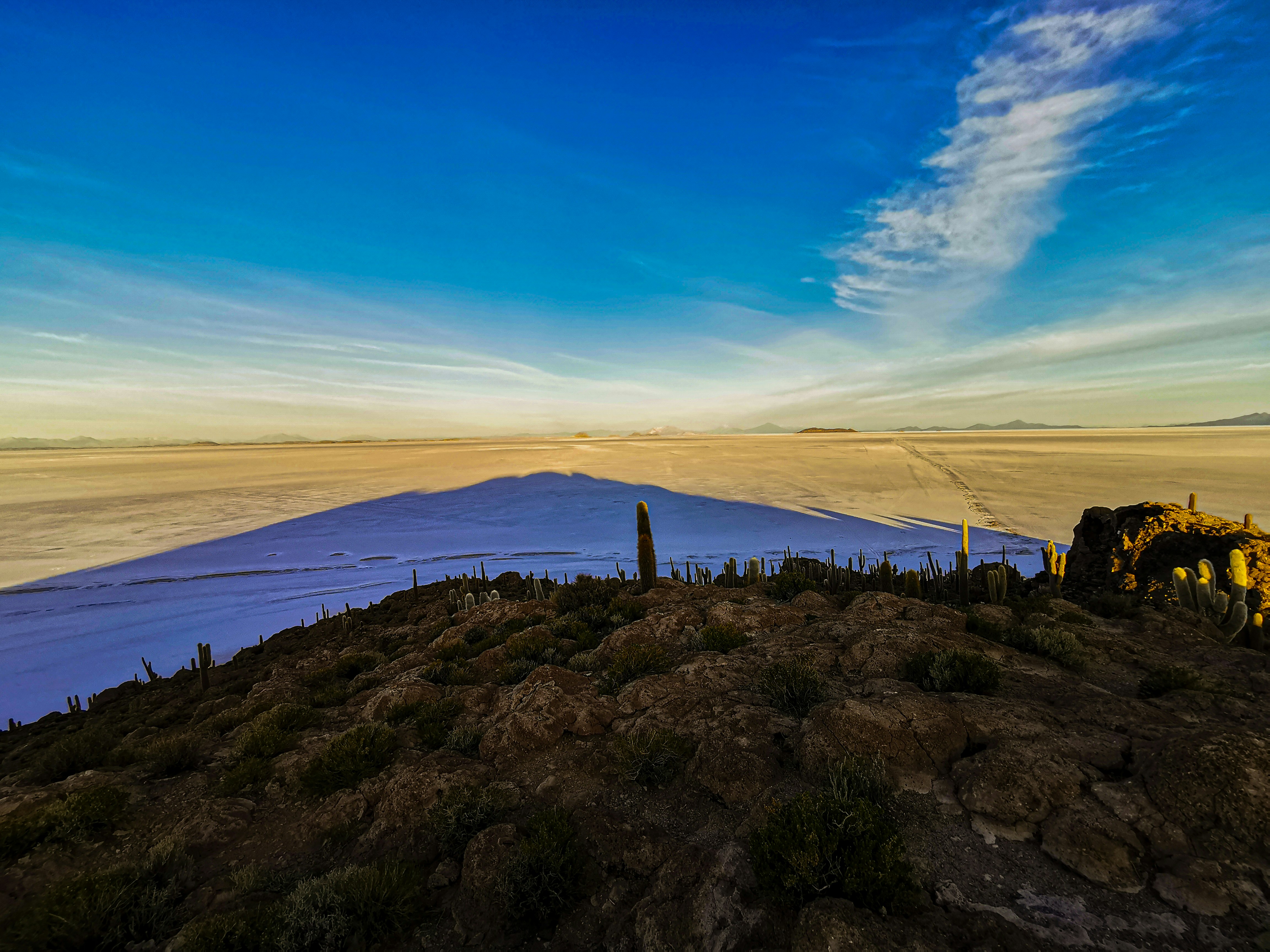
The biggest advantage of travelling here is variety. In one itinerary you can start with culture and history in Sucre, tackle the sensory overload of La Paz, cross the surreal white horizon of Salar de Uyuni, and still have time for lake or jungle add-ons. The trade-off is logistics: travel days can be long, altitude is serious, and internet reliability can vary outside major hubs. That is why a good Bolivia travel guide needs to be practical as well as inspirational.
A useful way to think about Bolivia is by trip style. If you want iconic landscapes, choose the southwest circuit. If you want culture and easier pacing, focus on the Andean cities and colonial towns. If you want nature, add Madidi or the Amazon lowlands. The country rewards travellers who build in rest days and keep plans flexible.
For a fuller route idea, pair this guide with Bolivia in 5 Days: The Perfect Extended Itinerary or Bolivia in 10 Days: The Ultimate Travel Itinerary.
Best Time to Visit Bolivia
The best time to visit Bolivia depends on where you are going, because the country spans high Andes, valleys, salt flats, and tropical lowlands. As a general rule, the dry season from May to October is the easiest period for overland travel, mountain views, and clear-sky landscapes. The wet season from November to April brings greener scenery and fewer crowds, but also more disruption on some routes.
If your priority is Salar de Uyuni, the timing decision matters a lot. Dry season gives you the classic hexagonal salt patterns and stable access, while the rainy season can create the famous mirror effect, which is stunning but more weather-dependent. In the cities, shoulder months often offer a good balance of reasonable temperatures and manageable crowds.
Altitude also shapes the experience. La Paz, Uyuni, and much of the Altiplano can feel cold at night even in the dry season, while the lowlands stay warm and humid for much of the year. For many travellers, the smartest choice is to combine the dry months with a slower acclimatisation plan.
| Season | Typical conditions | Best for | Trade-offs |
|---|---|---|---|
| May–October | Dry, clearer skies, colder nights | Trekking, salt flats, city-hopping | Higher demand, chilly mornings |
| November–April | Warmer in some areas, occasional heavy rain | Green landscapes, fewer crowds | Travel delays, muddy roads |
| Shoulder months | Mixed conditions | Flexible itineraries | Weather varies by region |
If you want a simple planning rule, choose dry season for first-time Bolivia travel and wet season only if you specifically want dramatic landscape effects. For itinerary timing, see Bolivia in 3 Days: A Day-by-Day Itinerary and Bolivia in 10 Days: The Ultimate Travel Itinerary.
Budget Overview: How Much Bolivia Costs in 2026
Bolivia remains one of the more affordable countries in South America, but costs vary widely by travel style, route, and season. In 2026, budget travellers can still keep daily spending low by using local transport, simple meals, and midrange accommodation, while travellers who book private transfers, guided tours, and higher-end hotels will naturally spend more.
A useful planning framework is to budget by travel category rather than only by day. Accommodation, transport, altitude-related flexibility, and multi-day tours are the biggest variables. Food is usually manageable, especially if you mix restaurant meals with markets and set lunches. Cash remains important, so factor in ATM fees and exchange preferences as well.
| Travel style | Estimated daily budget | Typical inclusions |
|---|---|---|
| Budget | Low-cost lodging, local meals, buses, shared tours | |
| Mid-range | Private rooms, a mix of taxis and tours, better dining | |
| Comfort | Boutique hotels, private transfers, premium excursions |
The most expensive parts of a Bolivia trip are usually not everyday meals but time-saving choices: domestic flights, private transportation, and remote-area tours. This is why a flexible budget helps more than a rigid one. If you are building a realistic plan, start with Bolivia Travel Budget Guide: Daily Costs and Money Tips and then cross-check payment habits in Bolivia Currency & Money Guide: Exchange, Cards, and Tips.
A simple way to stretch your money is to anchor your itinerary around one or two major bases instead of constantly moving. That reduces transport costs, limits fatigue at altitude, and leaves more room for the experiences that matter most.
Visa & Entry Requirements
Entry rules for Bolivia depend on your passport, route, and the latest immigration policy, so travellers should always verify requirements before departure. In 2026, the main planning issues are whether you need a visa, how long your passport must be valid, what documents border officials may ask for, and whether your itinerary includes sensitive border crossings.
For many visitors, the entry process is straightforward if the paperwork is prepared in advance. For others, especially those whose nationality requires pre-approval or additional documentation, planning ahead is essential. Because rules can change and some travellers need proof of onward travel, accommodation, or financial means, it is safer to treat entry preparation as a core part of your trip rather than a last-minute admin task.
| Entry topic | What to check before travel |
|---|---|
| Passport validity | Remaining validity and blank pages |
| Visa needs | Nationality-specific entry status |
| Proof of onward travel | May be requested at entry |
| Accommodation details | Keep first-night or route details handy |
| Customs allowances | Know what can and cannot be brought in |
A practical tip for Bolivia travel is to keep digital and printed copies of key documents together, including passport bio page, insurance details, and reservation confirmations. If your route begins in or passes through La Paz, border and airport formalities may feel more efficient when your documents are easy to present.
For nationality-specific detail, use Bolivia Visa & Entry Requirements for Singapore Passport Holders as a model for what a detailed entry article should cover, and adapt the same checklist to your own passport type.
Getting Around Bolivia
Getting around Bolivia is part of the adventure, but it requires planning. Distances are large, road conditions can vary significantly, and altitude can make even short journeys feel more demanding. In 2026, the smartest strategy is usually to combine buses, flights, shared transfers, and occasional private transport depending on the route and your tolerance for long travel days.
For city movement, taxis and ride-hailing options can be useful, but availability and consistency vary by location. For inter-city travel, overnight buses are common, while flights can save a major amount of time on longer routes. If your trip includes Sucre, La Paz, and the southwest, plan around transfer times rather than just map distance.
| Transport mode | Best for | Pros | Cons |
|---|---|---|---|
| Domestic flight | Long distances | Fast, less tiring | Cost, limited schedules |
| Inter-city bus | Budget routes | Cheap, frequent | Comfort varies |
| Shared transfer | Popular circuits | Simpler logistics | Less flexible |
| Private transfer | Comfort and timing | Convenient, direct | Most expensive |
One of the best decision rules for Bolivia is this: if the journey is longer than a full day by road and you are on a short trip, consider flying; if the route is short and scenic, use ground transport; if you are tired or at altitude, prioritise comfort over savings. This rule often improves the quality of the whole trip.
For deeper planning, see Getting Around Bolivia: Transport Guide for Travellers, and if you are building a route, compare it with Bolivia in 5 Days: The Perfect Extended Itinerary and Bolivia in 10 Days: The Ultimate Travel Itinerary.
Food & Dining in Bolivia
Bolivian food is hearty, regional, and shaped by the country’s altitude and geography. Expect filling soups, corn-based dishes, potato-heavy meals, grilled meats, salteñas, and a strong street-food culture in major cities. For many travellers, food is one of the easiest and most enjoyable ways to understand the country.
Dining in Bolivia is generally good value, especially if you mix markets, lunch specials, and a few sit-down dinners. In cities like La Paz and Sucre, you can eat well without overspending, while more tourist-focused areas near major attractions may charge higher prices. As of 2026, travellers who are careful with bottled water and food hygiene usually have a smoother experience, especially when trying street food for the first time.
| Food type | What to expect | Best use |
|---|---|---|
| Market meal | Simple, filling, affordable | Lunch on a budget |
| Street snack | Quick, local, low-cost | Between sightseeing |
| Casual restaurant | More variety, moderate prices | Dinner and longer breaks |
| Guided tasting | Context and cultural insight | First-time food explorers |
A good food strategy in Bolivia is to be selective rather than restrictive. Choose busy stalls, look for freshly cooked dishes, and use high-traffic places during daytime when turnover is strongest. If you have dietary restrictions, it helps to learn a few key phrases and carry them on your phone.
For dishes, regional specialties, and food-safety advice, read Bolivia Food Guide: Must-Try Dishes, Prices, and Tips. To understand etiquette around sharing meals and local hospitality, pair it with Bolivia Cultural Guide: Etiquette, Customs, and Tips.
Top Experiences in Bolivia
Bolivia’s top experiences are not just famous sights; they are the combination of scale, culture, and contrast. The classic highlights include Salar de Uyuni, the energy and altitude of La Paz, colonial elegance in Sucre, and lake or Amazon extensions for travellers who want more than the southwest loop.
If you only have a short trip, focus on one region and do it well. On longer itineraries, combine a city, a landscape highlight, and a cultural stop so the trip feels balanced. That approach gives you a more complete Bolivia experience without rushing from place to place. In 2026, the most satisfying trips often pair one iconic natural landscape with one deeper cultural base.
| Experience | Best for | Why it stands out |
|---|---|---|
| Uyuni salt flats | First-time visitors | Bolivia’s signature landscape |
| La Paz | Urban energy and local life | High-altitude capital with character |
| Sucre | History and slower pace | Attractive colonial city |
| Lake Titicaca | Scenic cultural add-on | Easy classic extension |
| Amazon region | Wildlife and nature | Different side of Bolivia |
A smart way to choose experiences is to ask yourself whether you want “wow scenery,” “culture,” “nature,” or “depth.” Bolivia can deliver all four, but your route should prioritise one or two. That helps avoid overplanning and reduces transit fatigue.
For route ideas and detailed day-by-day inspiration, use 3 Days in Bolivia: A Day-by-Day Itinerary, Bolivia in 5 Days: The Perfect Extended Itinerary, and Bolivia in 10 Days: The Ultimate Travel Itinerary.
Hello eSIM Connectivity in Bolivia
Reliable mobile data makes Bolivia much easier to navigate, especially when you are arranging transport, translating, checking maps, or coordinating meetups in cities and remote areas. In 2026, the simplest option for many travellers is Hello eSIM, which gives you instant activation, data plans for 200+ countries, and a convenient way to stay connected without hunting for a physical SIM on arrival.
Bolivia can be a mixed-connectivity destination. Major cities usually offer usable coverage, but rural routes, mountain roads, and remote landscapes may have patchier service. That is why travellers should download offline maps, save key reservations, and activate data before moving between destinations. A dual approach works best: use Hello eSIM for live connectivity and keep offline backups for transport and navigation.
| Connectivity need | Why it matters in Bolivia | Best preparation |
|---|---|---|
| Maps and navigation | Long routes and city movement | Offline maps + Hello eSIM |
| Transport coordination | Schedules and pickups change | Instant messaging access |
| Translation | Menu and signage help | Save key phrases offline |
| Safety and updates | Route changes and local alerts | Continuous data access |
Hello eSIM is especially useful if you are landing in one city and moving quickly to another, because activation is straightforward and you do not need to spend trip time solving SIM logistics. It also helps with budget control when paired with Hello’s trip planning and expense-tracking tools, which can be handy on shared trips.
For setup steps, coverage considerations, and practical tips, use eSIM for Bolivia: Best Plans, Coverage, and Setup Tips. If you are comparing travel connectivity with budgeting and transport, this is one of the easiest wins in the whole planning process.
Practical Tips for a Smoother Trip
Bolivia is very rewarding for prepared travellers. The main practical challenges are altitude, transport timing, cash handling, and pace. If you plan for those four things, the rest of the trip usually becomes much easier. In 2026, the best travellers are not necessarily the ones who spend the most; they are the ones who leave enough room for rest, flexibility, and local realities.
Altitude deserves special respect. Give yourself time to acclimatise before doing hard activities, drink water, and avoid stacking too many intense days together. Money management also matters: cards are useful in some places, but cash remains important in many day-to-day situations. If you are splitting costs with friends, keeping a simple shared budget helps avoid confusion.
| Practical issue | Best approach |
|---|---|
| Altitude | Slow your first 24–48 hours |
| Cash | Carry a mix of small denominations |
| Transport | Add buffer time between connections |
| Safety | Stay alert with valuables in busy areas |
| Planning | Book key legs early, keep some flexibility |
A strong Bolivia trip planner should also include cultural awareness. Greetings, dress, photography, and market etiquette can all affect how welcome you feel. The easiest rule is to be polite, low-key, and observant. That approach works well in both busy cities and smaller communities.
If you want more detail on safety, scams, and health considerations, read Bolivia Safety Guide: Tips for a Safe Trip. For day-to-day manners and local interaction, see Bolivia Cultural Guide: Etiquette, Customs, and Tips.
Before You Go Checklist
Before heading to Bolivia, use a simple checklist to reduce stress and avoid last-minute problems. The country rewards organised travellers, especially if your itinerary includes altitude, long overland segments, and remote scenery. A final review of documents, connectivity, money, and packing can make a major difference to how your first days feel.
Start with the basics: passport validity, visa or entry requirements, insurance, accommodation, and any onward travel proof you may need. Then move to trip essentials: cash planning, offline maps, weather-appropriate clothing, and your data setup with Hello eSIM. If your route includes La Paz or the altiplano, pack for cold evenings; if you are heading toward lowland regions, add lightweight clothing and insect protection.
Use this checklist as your final pre-departure scan:
- Confirm passport validity and entry requirements.
- Save accommodation addresses and key reservations offline.
- Activate Hello eSIM before arrival.
- Download maps, translation tools, and transport confirmations.
- Carry some cash in small denominations.
- Pack layers for altitude and changing temperatures.
- Build buffer time between long travel legs.
- Review safety and cultural tips before departure.
For the most useful supporting detail, combine this section with Bolivia Visa & Entry Requirements for Singapore Passport Holders, eSIM for Bolivia: Best Plans, Coverage, and Setup Tips, and Bolivia Safety Guide: Tips for a Safe Trip.
Frequently Asked Questions
Is Bolivia good for first-time travellers to South America?
Yes. Bolivia is excellent for travellers who want dramatic landscapes, strong culture, and a more adventurous feel than many mainstream destinations. The key is to plan for altitude, transport time, and cash use.
How many days do I need for Bolivia?
Three days is enough for a very focused trip, five days works well for a short highlight itinerary, and ten days gives you enough time to combine cities, the salt flats, and an additional nature or cultural stop.
What is the best month to visit Bolivia in 2026?
For most travellers, the dry season from May to October is the easiest and most reliable time to visit. If you want green landscapes or the mirror effect at Uyuni, the wet season may suit you better.
Do I need cash in Bolivia?
Yes. Cash is still important for many everyday expenses, especially smaller businesses, local transport, and market purchases. Cards are useful in some places, but travellers should not rely on them alone.
Is Hello eSIM useful in Bolivia?
Yes. Hello eSIM is a practical way to stay connected in Bolivia, especially for navigation, transport coordination, translation, and backup communication while moving between cities and remote areas.
Is Bolivia hard to get around?
It can be, mainly because distances are long and roads may be slow. With the right mix of flights, buses, shared transfers, and buffer time, getting around becomes much more manageable.
What should I prioritise on a first Bolivia trip?
Most first-time travellers should prioritise one iconic natural experience such as Uyuni, one cultural base such as Sucre or La Paz, and enough downtime to adjust to altitude.
eSIM Plans for Bolivia
Detailed Articles
Dive deeper into specific topics covered in this guide.
Bolivia in 5 Days: The Perfect Extended Itinerary
A detailed 5-day itinerary for Bolivia with daily activities, costs, neighborhoods, and transport tips for an extended stay.
4 May 2026
Bolivia in 10 Days: The Ultimate Travel Itinerary
A comprehensive 10-day itinerary for Bolivia covering top attractions, hidden gems, daily costs, and transport between cities.
17 June 2026
3 Days in Bolivia: A Day-by-Day Itinerary
A detailed 3-day itinerary for Bolivia with daily activities, costs, neighborhoods, and transport tips.
9 June 2026
Bolivia Travel Budget Guide: Daily Costs and Money Tips
How much does it cost to travel in Bolivia? Daily budget breakdowns for budget, mid-range, and luxury travellers.
22 February 2026
Bolivia Currency & Money Guide: Exchange, Cards, and Tips
Currency exchange, credit card acceptance, ATM tips, tipping culture, and money-saving advice for Bolivia.
24 July 2026
Bolivia Visa & Entry Requirements for Singapore Passport Holders
Visa requirements, passport validity, customs allowances, and entry tips for Singapore citizens travelling to Bolivia.
7 July 2026
Getting Around Bolivia: Transport Guide for Travellers
Airport transfers, public transport, ride-hailing apps, inter-city travel, and driving tips for Bolivia.
22 May 2026
Bolivia Food Guide: Must-Try Dishes, Prices, and Tips
Best local dishes, street food, restaurant prices, dietary options, and food safety tips for Bolivia.
13 May 2026
More Travel Guides
Destination Guide
Complete Sweden Travel Guide 2026
Everything you need to know about travelling to Sweden — budget, visa, food, transport, eSIM connectivity, and itineraries.
Destination Guide
Complete Romania Travel Guide 2026
Everything you need to know about travelling to Romania — budget, visa, food, transport, eSIM connectivity, and itineraries.
Destination Guide
Complete Réunion Travel Guide 2026
Everything you need to know about travelling to Réunion — budget, visa, food, transport, eSIM connectivity, and itineraries.
Destination Guide
Complete Qatar Travel Guide 2026
Everything you need to know about travelling to Qatar — budget, visa, food, transport, eSIM connectivity, and itineraries.