Bolivia Safety Guide: Tips for a Safe Trip
Safety tips, health advisories, emergency contacts, common scams, and travel insurance advice for Bolivia.
By Hello Travel Team
TL;DR: Is Bolivia Safe to Visit Right Now?
Bolivia is generally safe for careful travellers, but as of 2026 you need to plan around civil unrest, health advisories, and regional no‑go zones, using common‑sense precautions, good local information, and solid travel insurance.
Recent advisories from Canada, Australia and the United States all recommend exercising increased or high caution in Bolivia due to protests, roadblocks, and pockets of violent crime, especially around La Paz and certain rural regions like Chapare. Violent crime against tourists is still uncommon, while petty theft, taxi scams, and fake police are the most frequent issues in cities and tourist areas, according to several Bolivia safety guides and tour operators.
From a health perspective, Bolivia’s mix of high‑altitude cities and lowland tropics means you must think about altitude sickness and mosquito‑borne illnesses (including dengue and chikungunya), and check yellow fever requirements if you’re heading to the Amazon basin, as advised by the CDC and independent travel medicine sources. A 2026 travel‑risk aggregator even notes the CDC’s Level 4 health advisory tied to overlapping outbreaks and COVID‑19 transmission, underscoring the importance of travel insurance and flexible plans.
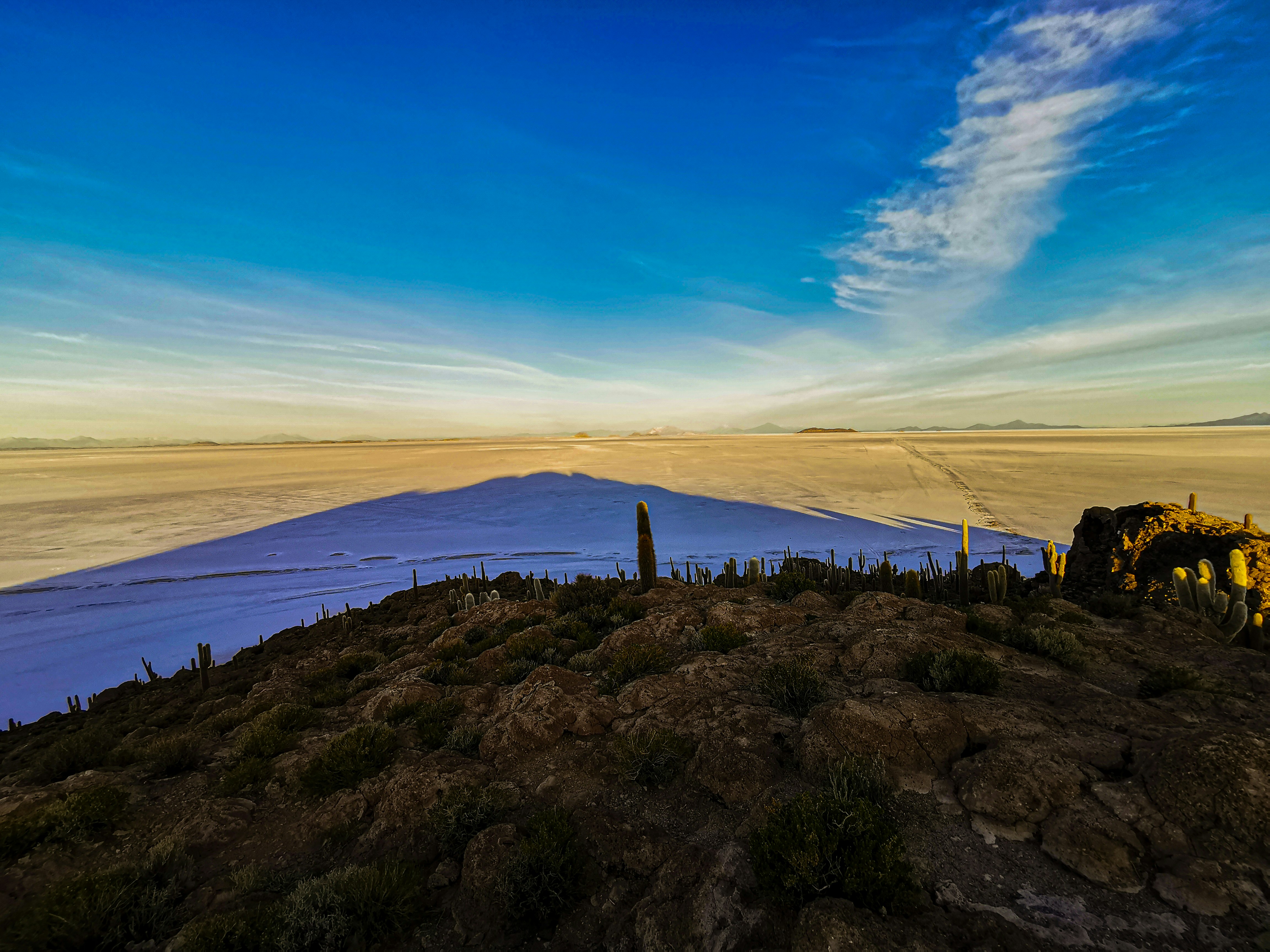
If you stay informed, avoid protests and known high‑risk zones, take good care of your valuables, and travel with robust insurance and connectivity (such as a Hello eSIM), Bolivia’s landscapes—from Salar de Uyuni to Sucre’s colonial centre—remain accessible for well‑prepared travellers.
Overall Bolivia Travel Safety: Where It’s Safe and Where to Be Cautious
Bolivia travel safety in 2026 is a mix of generally safe tourist routes and specific hotspots where civil unrest and crime mean you should avoid or reconsider travel.
Most travellers exploring popular routes—La Paz, Sucre, Potosí, Salar de Uyuni—report trouble‑free trips when they follow basic precautions: avoiding protests, keeping valuables secure, and using trusted transport. Independent safety reviews describe Bolivia as “generally safe for well‑prepared travellers”, noting that violent crime targeting tourists is rare and that petty theft is the more common concern in markets, bus stations, and crowded streets.
Government advisories add crucial nuance. The US State Department currently rates Bolivia as Level 2: Exercise Increased Caution due to crime and civil unrest, explicitly warning against travel to Chapare Province and urging reconsideration of travel to some areas like the Yungas. Australian and New Zealand advisories similarly urge a high degree of caution overall, citing violent crime, protests, and highway blockades that can disrupt food and fuel supplies.
To help you visualise risk when planning your itinerary, use this comparison:
| Area / Region | Advisory Level / Risk (2026) | Typical Traveller Activities |
|---|---|---|
| La Paz & El Alto | Increased caution; protests & roadblocks | City sightseeing, day trips, flights |
| Salar de Uyuni | Generally safe with local guides | Salt flats tours, star‑gazing, photography |
| Chapare Province | Do not travel (crime/unrest) | Transit corridor; avoid in current context |
| Lowland tropics east | Health risks (mosquito‑borne disease) | Jungle lodges, wildlife, river tours |
Check advisories again just before you fly, and plan flexible routes—overnight buses can be delayed by blockades, and domestic flights sometimes shift due to protests in La Paz.
Common Scams, Street Safety, and How to Protect Your Valuables
Most safety issues in Bolivia involve petty theft and common scams, which you can usually avoid with good habits and a bit of scepticism.
Local and government advice highlight pickpocketing and bag‑snatching around bus terminals, markets, and night buses as the main day‑to‑day risks. Travellers report problems most often in crowded areas of La Paz, El Alto, Santa Cruz, and tourist hotspots, where the classic move is distraction (spilled drink, staged bump) followed by a quick grab of phones or wallets. Fake police officers are another well‑documented scam: they approach foreigners on the street, demand to “check” passports and cash, then refuse to return them—real officers do not routinely do this random check in tourist areas, according to local guides.
Other Bolivia scams include taxi drivers overcharging or diverting you to “special shops,” and unofficial tour sellers pushing overpriced or low‑quality tours, especially for Uyuni or jungle trips. To stay safe:
- Use registered radio taxis or ride‑hailing apps where available; agree on the fare in advance.
- In bus stations, ignore anyone who offers unsolicited help with luggage or tickets.
- On night buses, keep documents and cards in a money belt under your clothes, not in hand luggage.
- Carry only the cash you need for the day; leave passports and backup cards in your hotel safe.
A small cross‑body bag worn in front, with zippers closed, goes a long way. Combine that with offline maps and local info (easily kept updated with a Hello eSIM for Bolivia) and you’ll look less like a target and more like a confident traveller.
Emergency Numbers, Singapore Embassy Access, and Staying Connected
If something goes wrong in Bolivia, knowing who to call and how to stay connected can turn a stressful situation into a manageable problem.
According to Australian travel advice, the primary emergency numbers in Bolivia are:
- Police: 110
- Ambulance / Medical emergency: 119 nationally; 165 for medical emergencies in La Paz
- Fire: 119 often connects to emergency services, but local numbers can vary by city
- Tourist Police (English‑speaking, La Paz): 800 14 0081
These numbers may route differently outside major cities, so ask your hotel or host for local emergency contacts on arrival. Mobile coverage is solid in big cities and main highways but patchy in remote Andean and Amazon regions, so having data that works the moment you land is useful for maps, translations, and calling transport. You can buy and activate a Hello eSIM for Bolivia before departure, so you arrive with data already working instead of hunting SIM kiosks at El Alto airport.
Singapore does not maintain a resident embassy in Bolivia; Singaporeans are usually covered by regional missions (commonly in cities like Lima or Brasília) and should check the latest Ministry of Foreign Affairs information before travelling. In practice, most travellers rely on:
- Their own embassy or consulate via regional coverage
- 24‑hour hotlines from travel insurers
- Local tourist police in major cities
Store your insurer’s emergency number, your country’s regional embassy contact, and key Bolivian numbers in your phone and on a paper card in your daypack, in case your phone is lost or offline.
Health Advisories, Vaccinations, Altitude, and Water Safety in Bolivia
Bolivia’s main health risks for travellers are altitude, infectious diseases, and hygiene standards, so plan ahead with travel medicine advice and sensible habits.
Large parts of Bolivia, including La Paz (about 3,650 m) and much of the Altiplano, sit at high altitude, where shortness of breath, headaches, and insomnia are common in the first days. Government advisories and tour operators emphasise arriving gradually (for example via lower‑altitude Bolivia cities like Sucre), resting on day one, and avoiding alcohol and strenuous hikes until you acclimatise. Many travellers carry altitude pills from a doctor, and local clinics are familiar with treating soroche (altitude sickness).
For vaccinations, independent Bolivian travel medical guides and CDC travellers’ health resources typically mention:
- Yellow fever: recommended for low‑lying jungle and some lodges require proof; may be required if you arrive from another risk country.
- Hepatitis A and B, typhoid: advised where hygiene may be poor or for longer stays.
- Rabies: consider for extended rural trips or animal contact.
A 2026 risk report notes a chikungunya outbreak with over 4,200 confirmed cases in Santa Cruz department by March 2026 and continues to flag ongoing COVID‑19 transmission, explaining the CDC’s strict Level 4 health advisory. Mosquito protection (repellent with DEET or picaridin, long sleeves) is essential in the lowlands.
Tap water safety varies: most travellers are advised not to drink tap water, even in cities, and to stick to bottled or filtered water. Per CDC guidance, avoid swallowing water when swimming, wash hands regularly, and use hand sanitiser when soap isn’t available. For street food, choose busy stalls where turnover is high and food is cooked hot to order.
Solo Female and LGBTQ+ Travellers: Practical Bolivia Safety Tips
Bolivia can be safe for solo female and LGBTQ+ travellers who follow extra situational awareness and respect local cultural attitudes, especially outside major cities.
Recent Bolivia travel guides describe the country as generally safe for solo travellers, including women, with most issues linked to the same petty theft and transit hassles faced by all visitors. That said, conservative norms still shape daily life, particularly in rural areas and indigenous communities, so behaviour that draws attention—very revealing clothing, public intoxication, loud arguments—can feel more uncomfortable than in cosmopolitan hubs like Buenos Aires.
For solo female travellers:
- Favour registered taxis or ride‑hailing over walking alone at night, especially in La Paz and El Alto.
- Sit near other women or families on buses; use money belts and keep bags in sight.
- Book accommodation with multiple recent safety reviews; many hostels and guesthouses can arrange trusted drivers for early‑morning or late‑night transfers.
For LGBTQ+ travellers, Bolivia’s legal framework recognises anti‑discrimination in principle, and same‑sex relationships are legal, but social acceptance is gradual and uneven. Public displays of affection may attract stares or comments outside central La Paz, Santa Cruz, or Cochabamba. A low‑profile approach—avoiding overt PDA in traditional neighbourhoods, checking local community recommendations, and prioritising well‑reviewed urban stays—keeps things smooth.
Everyone, regardless of identity, should avoid protests and politically charged gatherings, as foreign presence at demonstrations can be misinterpreted. Keeping a low profile, dressing modestly, and using reliable connectivity (an eSIM from Hello for maps and transport apps) helps solo and LGBTQ+ travellers move around more confidently.
Travel Insurance, Budgeting for Safety, and Common Questions About Bolivia
With current health advisories and pockets of unrest, comprehensive travel insurance and smart budgeting are non‑negotiable for Bolivia in 2026.
Given the CDC’s Level 4 advisory tied to multiple health risks and the documented spread of protests and highway blockades since early 2026, several governments and safety aggregators recommend travellers carry insurance that covers medical evacuation, trip interruption, and civil unrest‑related delays. A serious evacuation from a remote Andean or Amazon area can easily cost several thousand US dollars; a robust policy covering at least USD 100,000–250,000 in medical and evacuation expenses is a sensible baseline.
To budget: expect basic local meals from $5–10 (2026 prices) in markets, mid‑range dinners in La Paz and Sucre around $15–25, and full‑day tours to Salar de Uyuni from $40–80 depending on group size and inclusions. A good insurance policy for a two‑week Bolivia trip typically runs $70–150 in 2026, depending on age and coverage.
Using the Hello app’s budget tracking and expense splitting features lets you scan receipts in Spanish, auto‑convert bolivianos (BOB) to your home currency, and see how much you’re spending on safety‑critical items like transport, health, and tours.
Common Questions about Bolivia Safety
-
Is Bolivia safe for tourists right now?
Yes, for well‑prepared travellers—most trips are incident‑free—but ongoing protests and regional crime mean you should avoid high‑risk areas (like Chapare), stay updated on local news, and follow travel advisories. -
Is Bolivia safe for solo female travellers?
Generally yes on main tourist routes, with extra caution at night, in bus stations, and in La Paz/El Alto. Use trusted taxis, avoid isolated streets after dark, and keep valuables secured. -
What are the biggest safety risks in Bolivia?
Petty theft, transport disruptions from protests and roadblocks, altitude‑related health issues, and mosquito‑borne illnesses in lowland regions are the main concerns. -
Do I really need travel insurance for Bolivia?
Strongly yes—between altitude, remote landscapes, and current health advisories, insurance with evacuation, medical, and trip‑cancellation cover is highly recommended by multiple national travel advisories. -
How can I stay connected safely?
Activating a Hello eSIM for Bolivia before you fly gives you instant data on arrival for maps, emergency contacts, and language help, without seeking street SIM sellers at bus terminals or airports.
Explore These Destinations
Stay Connected
Ready for Bolivia?
eSIM data, expense splitting, budget tracking, and more. Everything you need for a smooth trip in one app.
Related Articles
Bolivia Currency & Money Guide: Exchange, Cards, and Tips
Currency exchange, credit card acceptance, ATM tips, tipping culture, and money-saving advice for Bolivia.
24 July 2026
Bolivia Visa & Entry Requirements for Singapore Passport Holders
Visa requirements, passport validity, customs allowances, and entry tips for Singapore citizens travelling to Bolivia.
7 July 2026
eSIM for Bolivia: Best Plans, Coverage, and Setup Tips
Everything you need to know about using eSIM in Bolivia. Best data plans, network coverage, and setup instructions.
28 June 2026