Key Takeaways
- ✓Belarus in 2026 is an affordable, less-crowded European destination with a mix of Soviet history, castles, and nature.
- ✓The best time to visit is typically May–September, with summer ideal for national parks and outdoor sightseeing.
- ✓Budget travellers can often manage on US$30–50 per day, while mid-range comfort sits around US$80–110.
- ✓Visa and entry rules vary by nationality and can change, so always confirm with official sources before you book.
- ✓Hello eSIM offers instant, convenient mobile data for Belarus and integrates with Hello’s trip-planning and budget tools.
- ✓Public transport and intercity trains/buses are cheap and practical ways to get around Belarus’s main cities and sights.
- ✓Belarusian food is hearty and good value, with increasing options for coffee, international dishes, and special diets.
- ✓Safety in Belarus depends on staying informed and respecting local laws and customs; use the dedicated safety and cultural guides to prepare.
Belarus is one of Europe’s most quietly fascinating destinations: wide Soviet boulevards meet medieval castles, pine forests, and lakes, with friendly locals and prices that still feel refreshingly affordable as of 2026. This guide is your complete Belarus trip planner: when to go, how much to budget, visas, transport, food, connectivity, and safety.
Across 8–12 sections, we’ll walk through the essentials of planning a Belarus trip, from choosing the right season and daily budget to understanding visa rules, getting around on trains and buses, and staying online with Hello eSIM. You’ll find comparison tables for weather by season and budget ranges, plus clear decision frameworks to help you pick a 3-, 5-, or 10-day itinerary.
Rather than repeating information from detailed blog posts, this pillar guide gives you the high-level overview and then links you to deep dives like Belarus Travel Budget Guide: Daily Costs and Money Tips, Belarus Food Guide: Must-Try Dishes, Prices, and Tips, and Getting Around Belarus: Transport Guide for Travellers. Think of this as your starting point: skim it to understand Belarus in one sitting, then open the cluster guides to refine your exact route, daily costs, and experiences.
Whether you’re adding Belarus to a wider Poland-Lithuania route or planning a focused city-and-nature escape, this 2026 Belarus travel guide will help you travel smarter, safer, and more connected from the moment you start planning until you board your flight home.
Why Visit Belarus in 2026?
Belarus in 2026 offers affordable European travel, uncrowded cities, and a mix of Soviet history, medieval castles, and deep forests, making it ideal for curious travellers who’ve already seen places like Japan and Thailand and want something different.
Belarus is a landlocked country in Eastern Europe, bordered by Poland, Lithuania, Latvia, Russia, and Ukraine. Travellers are drawn to its capital Minsk for grand avenues, café culture, and museums; to cities like Brest and Grodno for fortresses and Old Towns; and to national parks such as Belovezhskaya Pushcha for bison, lakes, and quiet hiking. As of 2026, Belarus remains one of the more budget-friendly countries in Europe, with daily costs often lower than Western capitals.
This guide gives you the big picture, then points you to detailed planning resources:
- For what things cost day-to-day, read the Belarus Travel Budget Guide: Daily Costs and Money Tips.
- For paying, exchanging money, and using cards, see the Belarus Currency & Money Guide: Exchange, Cards, and Tips.
- For food, dishes, and prices, dive into the Belarus Food Guide: Must-Try Dishes, Prices, and Tips.
- For safety, scams, and health advice, check the Belarus Safety Guide: Tips for a Safe Trip.
If you like destinations that feel authentic, where you still need to learn a few local phrases and pay attention to cultural etiquette, Belarus will reward you. Start with this overview, then use the linked guides to shape your perfect 3-, 5-, or 10-day itinerary.
Best Time to Visit Belarus
The best time to visit Belarus is generally from May to September, when temperatures are mild to warm, days are long, and most outdoor attractions and national parks are easily accessible as of 2026.
Belarus has a temperate continental climate: cold, snowy winters and pleasantly warm summers, with transitional spring and autumn shoulder seasons. Multiple climate resources agree that late spring through early autumn (roughly May–September) offer the most comfortable combination of temperatures around 15–22°C, long daylight, and fewer travel disruptions from snow or ice. Summer (June–August) is ideal if you want outdoor festivals, lakes, and national parks in full bloom, while September and early October bring golden foliage and clearer air.
Use this simple seasonal comparison to choose your timing:
| Season (approx.) | Typical daytime temps | Travel vibe |
|---|---|---|
| Winter (Dec–Feb) | −6 to −1 °C | Very cold, snow, short days; best for winter scenery, less ideal for first-time city sightseeing |
| Spring (Mar–May) | −3 to 19 °C | Milder, variable weather; quieter, some rain, nature waking up |
| Summer (Jun–Aug) | 12 to 24 °C | Warm, long days, festivals, peak for parks and castles |
| Autumn (Sep–Nov) | −1 to 17 °C | Cool, often rainy; great foliage in Sep–Oct, darker by November |
If you’re planning a fast-paced city trip (3–5 days), late May to early October works well. For longer, nature-heavy itineraries (10 days or more), aim for June–September. Once you’ve picked your month, pair this guide with Belarus in 3 Days: A Day-by-Day Itinerary, Belarus in 5 Days: The Perfect Extended Itinerary, or Belarus in 10 Days: The Ultimate Travel Itinerary to map out your days.
Belarus Trip Budget Overview
As of 2026, most travellers can expect to spend roughly US$30–50 per day in Belarus on a backpacker budget, US$80–110 for mid-range comfort, and US$200+ for a more luxurious experience.
Belarus remains one of Europe’s more affordable destinations. The Belarus Travel Budget Guide: Daily Costs and Money Tips reports typical daily spending in 2026 around US$30–50 for budget travellers, US$80–110 for mid-range, and US$200+ for luxury, with an average around US$77 per person per day when all travel styles are blended. Public transport rides in cities are often under US$1, many museum tickets cost just a few euros, and intercity buses or trains are usually in the US$5–20 range per trip.
Here’s a simple at-a-glance comparison:
| Travel style (2026) | Approx. daily budget | What it gets you |
|---|---|---|
| Budget / backpacker | US$30–50 | Hostel dorms or simple guesthouses, canteen-style or fast food meals, public transport, mostly free/low-cost sights |
| Mid-range | US$80–110 | Comfortable hotels, mix of cafés and restaurants, some taxis, paid attractions and occasional tours |
| Luxury | US$200+ | Upscale hotels, fine dining, private drivers or transfers, premium tours and experiences |
For money mechanics—currency (Belarusian ruble), exchange options, ATM use, and card acceptance—read the Belarus Currency & Money Guide: Exchange, Cards, and Tips. Combine that with the detailed daily breakdowns in the Belarus Travel Budget Guide: Daily Costs and Money Tips to customise your personal budget, then track expenses and split costs with friends using the Hello app’s budget tools while you’re on the road.
Visa & Entry Requirements (Overview)
Visa and entry rules for Belarus in 2026 depend heavily on your nationality, trip length, and how you arrive, so always check your country’s latest guidance and airline requirements before you fly.
Belarus has offered various visa-free schemes and simplified entry options over recent years, but these have changed multiple times, and rules can differ for arrivals by air versus land. That means you should treat any overview guide as a starting point and confirm details for your specific passport well before departure. As of 2026, you can expect standard requirements like a passport valid for several months beyond your stay, proof of onward or return travel, and sometimes travel insurance or proof of sufficient funds.
If you hold a Singapore passport, the dedicated Belarus Visa & Entry Requirements for Singapore Passport Holders is your primary resource. It walks through visa types, entry procedures, passport validity, customs allowances, and practical tips for arrival and departure. For other nationalities, use that guide as an example of the level of detail you should look for in your own country’s travel advisories.
A simple decision framework:
- Step 1: Check your foreign ministry or embassy page for Belarus travel advice and visa policy.
- Step 2: Confirm if visa-free entry applies to you, and under what conditions (length of stay, entry points).
- Step 3: Verify passport validity and consider printing proof of accommodation, onward tickets, and travel insurance.
- Step 4: Read a safety-focused overview like the Belarus Safety Guide: Tips for a Safe Trip before you go.
Getting Around Belarus: Transport & Cities
Belarus is relatively easy to get around in 2026, with affordable public transport, intercity trains and buses, and taxis or ride-hailing in major cities like Minsk, Brest, and Grodno.
Inside cities, travellers typically rely on buses, trams, trolleybuses, and (in Minsk) the metro. Single rides are usually under US$1, making public transport the budget-friendly backbone of most itineraries. Taxis are available and remain reasonably priced for short hops, especially when compared to Western Europe. For longer distances between cities, trains and buses connect major hubs and many smaller towns; prices often sit in the US$5–20 range for common routes, which means you can criss-cross the country without blowing your budget.
The Getting Around Belarus: Transport Guide for Travellers dives into airport transfers, local public transport, intercity routes, driving tips, and how to use ride-hailing apps. To see how this plays out day by day, check the itineraries:
- 3 Days in Belarus: A Day-by-Day Itinerary – focused mostly on Minsk and nearby sights.
- Belarus in 5 Days: The Perfect Extended Itinerary – adds another city or nature area.
- Belarus in 10 Days: The Ultimate Travel Itinerary – strings together multiple regions.
A quick planning tip: for short trips, base yourself in Minsk and add day trips by train or bus. For longer trips, use Minsk, Brest, and Grodno as anchor cities and connect them with intercity trains while adding national parks from there. The Hello app’s trip-planning tools can help you keep transport bookings, times, and costs in one place.
Food & Dining: What to Eat and What It Costs
Belarusian food in 2026 is hearty, comforting, and surprisingly affordable, with potato-based dishes, soups, and meat at the core and rising options for coffee, international cuisine, and vegetarian travellers.
Classic dishes you’ll encounter include draniki (potato pancakes), borscht-style beet soups, meat cutlets, and dumpling-like vareniki. Expect sour cream, dill, and pickled vegetables to be common flavour notes. In cities such as Minsk, Brest, and Grodno, you’ll find a good mix of traditional restaurants, modern cafés, bakeries, and some international spots. Prices are significantly lower than in many Western capitals: simple local meals can be just a few dollars; mid-range restaurant dinners are quite reasonable, and coffee culture has grown without becoming overly expensive.
For a deep dive into specific dishes, typical prices for street food vs restaurants, and tips for dietary needs or food safety, read the Belarus Food Guide: Must-Try Dishes, Prices, and Tips. It breaks down:
- Must-try local dishes and where to find them.
- How much you’ll pay for breakfast, lunch, and dinner on different budgets.
- What vegetarians and vegans can expect.
- Hygiene and food safety considerations.
From a budgeting perspective, most travellers can comfortably eat well on a modest budget—especially if you mix canteen-style spots and bakeries with occasional sit-down restaurants. Use the cost ranges in the Belarus Travel Budget Guide: Daily Costs and Money Tips to plug realistic food numbers into your daily budget, and then track your spending in the Hello app so you know whether you can splurge on an upscale dinner or keep things simple.
Connectivity in Belarus: Hello eSIM & Staying Online
In 2026, the easiest way to stay online in Belarus is to use Hello eSIM, which offers instant activation, flexible data plans, and coverage in 200+ countries, including Belarus.
Mobile connectivity in Belarus’s cities is generally reliable, with 4G coverage common in urban areas and main transport corridors. Rural regions and deep forests may have spotty coverage, but for most travellers, staying connected for maps, messaging, and translation is straightforward. Instead of hunting for physical SIM cards and dealing with language barriers at kiosks, you can install a Hello eSIM directly in the Hello app before you travel or upon arrival.
The dedicated eSIM for Belarus: Best Plans, Coverage, and Setup Tips explains:
- Which Hello eSIM data plans best suit short vs long trips.
- How coverage looks in major cities and popular national parks.
- Step-by-step setup instructions for iOS and Android.
- Tips for managing data usage and avoiding unexpected costs.
A practical decision framework for Belarus connectivity:
- Short city break (3 days): A small Hello eSIM data pack is usually enough for maps, messaging, and basic browsing.
- Extended stay (5–10 days): Choose a mid-range data plan and rely on hotel or café Wi‑Fi for heavy usage.
- Workation or remote-heavy trip: Combine a higher-cap data plan with known Wi‑Fi spots and offline downloads.
Because Hello also supports budget tracking and trip planning, keeping your eSIM and your daily expenses in one app makes it easier to see how much you’re spending overall, including on data.
Top Experiences & Suggested Itineraries
Belarus’s top experiences in 2026 cluster around Minsk’s city life, historic castles and fortresses, and tranquil national parks, all of which can be woven into 3-, 5-, or 10-day itineraries.
First-timers usually start in Minsk: explore Independence Avenue, Victory Square, and the riverside; visit museums that cover World War II and Soviet history; and sample modern cafés and bars. Day trips and extensions often include Brest Fortress (a key World War II site), Mir and Nesvizh castles (UNESCO-listed and photogenic), and nature escapes in Belovezhskaya Pushcha National Park, where European bison roam.
To turn these highlights into a concrete plan, use the detailed itineraries:
- 3 Days in Belarus: A Day-by-Day Itinerary – ideal if you’re short on time and mostly interested in Minsk plus a nearby excursion.
- Belarus in 5 Days: The Perfect Extended Itinerary – adds a second city or more castles and countryside.
- Belarus in 10 Days: The Ultimate Travel Itinerary – strings together multiple regions for a deeper dive.
A simple decision guide:
- 3 days: Focus on Minsk, one museum-heavy day, and one half-day side trip.
- 5 days: Add Brest or Grodno, or combine castles with a national park.
- 10 days: Mix two or three cities plus at least one multi-day nature segment.
Use the Hello app to save places, transport segments, and budgets from these itineraries, and then adapt them to your interests—whether that’s more history, more nature, or more café-hopping.
Safety, Health & Cultural Etiquette
Belarus can be safe for prepared travellers in 2026, but you should stay informed about current conditions, follow local laws, and respect cultural norms to avoid problems.
Personal crime against tourists is not commonly highlighted as a major issue, but political context and regional tensions mean that safety is about more than pickpockets. You should keep up to date with your country’s travel advisories, avoid sensitive political discussions in public, and follow instructions from local authorities. Standard health precautions apply: consider travel insurance, know emergency numbers, and bring any prescription medications in original packaging.
The Belarus Safety Guide: Tips for a Safe Trip covers:
- Practical safety tips for cities and public transport.
- Common scams and how to spot them.
- Health advisories, emergency contacts, and how to seek medical help.
- Why travel insurance is important and what to look for.
Culture-wise, Belarus is hospitable but relatively conservative. The Belarus Cultural Guide: Etiquette, Customs, and Tips explains greetings, dress norms, and key phrases, plus do’s and don’ts like behaving respectfully at war memorials and religious sites, avoiding loud behaviour on public transport, and not photographing sensitive infrastructure.
A quick rule of thumb: if something would feel disrespectful in a church or war memorial at home, it’s likely inappropriate in Belarus too. Combine cultural awareness with technical preparedness (Hello eSIM for maps and translation, travel insurance, and saved emergency contacts in the Hello app) for a smoother, safer trip.
Before You Go: Checklist for Belarus
A solid pre-departure checklist makes Belarus travel in 2026 smoother: confirm visa rules, organise money, set up Hello eSIM, and plan at least a rough itinerary before you land.
Use this quick "Before You Go" list as a starting point and then flesh it out with the detailed cluster guides:
Documents & entry
- Check your country’s latest Belarus travel advisory and visa requirements.
- Ensure your passport validity meets entry rules (often 6 months beyond your stay).
- Print or save accommodation bookings and onward/return flight details.
- For Singapore passport holders, review Belarus Visa & Entry Requirements for Singapore Passport Holders.
Money & budget
- Read the Belarus Travel Budget Guide: Daily Costs and Money Tips and set a daily budget.
- Check the Belarus Currency & Money Guide: Exchange, Cards, and Tips for ATM use and card acceptance.
- Add your planned expenses to the Hello app’s budget tracker.
Connectivity & apps
- Install Hello on iOS or Android and purchase a Belarus Hello eSIM data plan.
- Download offline maps and key phrases.
Health & safety
- Buy travel insurance covering Belarus.
- Read the Belarus Safety Guide: Tips for a Safe Trip.
Itinerary & transport
- Decide on 3-, 5-, or 10-day routes using the itinerary guides.
- Check the Getting Around Belarus: Transport Guide for Travellers for how you’ll move between cities.
With these boxes ticked and your plans saved in Hello, you’ll arrive ready to focus on experiences rather than logistics.
Belarus Visa & Entry Requirements for Singapore Passport Holders
Budget PlanningBelarus Travel Budget Guide: Daily Costs and Money Tips
Currency & MoneyBelarus Currency & Money Guide: Exchange, Cards, and Tips
Safety & HealthBelarus Safety Guide: Tips for a Safe Trip
Getting AroundGetting Around Belarus: Transport Guide for Travellers
Itineraries3 Days in Belarus: A Day-by-Day Itinerary
ItinerariesBelarus in 5 Days: The Perfect Extended Itinerary
ItinerariesBelarus in 10 Days: The Ultimate Travel Itinerary
Frequently Asked Questions
Is Belarus cheap to visit compared to other European countries?
Yes. As of 2026, Belarus is generally cheaper than many Western European destinations. The Belarus Travel Budget Guide: Daily Costs and Money Tips suggests budget travellers can manage on roughly US$30–50 per day, mid-range travellers on US$80–110, and luxury travellers on US$200+.
When is the best time of year to travel to Belarus?
Most travellers find May to September the best time to visit Belarus, thanks to mild-to-warm temperatures, long daylight hours, and full access to outdoor attractions and national parks. Winter can be beautiful but very cold and better suited to those specifically seeking snow and winter scenery.
Do I need a visa to visit Belarus in 2026?
Visa requirements depend entirely on your nationality, length of stay, and how you enter the country. Always check your government’s latest travel advice. Singapore passport holders should use the Belarus Visa & Entry Requirements for Singapore Passport Holders as their main reference.
Is Belarus safe for tourists right now?
Belarus can be safe for informed tourists, but you should pay attention to political and regional developments, follow local laws, and stay updated via your country’s travel advisories. The Belarus Safety Guide: Tips for a Safe Trip offers detailed safety and health advice, including emergency contacts and common scams.
How do I stay connected in Belarus? Is Hello eSIM enough?
For most travellers, Hello eSIM is the simplest and most flexible way to stay online in Belarus in 2026. You can buy a data plan, activate it instantly in the Hello app, and enjoy coverage in major cities and many popular areas. For plan comparisons and setup instructions, see eSIM for Belarus: Best Plans, Coverage, and Setup Tips.
How many days do I need for a Belarus trip?
A 3-day trip is enough for a taste of Minsk and a nearby excursion. Five days let you add another city or nature area, while ten days allow a deeper circuit of cities, castles, and national parks. Use Belarus in 3 Days, Belarus in 5 Days, and Belarus in 10 Days to choose the best fit.
What should I know about Belarusian culture and etiquette before visiting?
Belarusian culture tends to be warm but conservative. Dress modestly for churches and memorials, avoid loud behaviour on public transport, and be respectful when discussing politics. The Belarus Cultural Guide: Etiquette, Customs, and Tips explains greetings, common phrases, and key do’s and don’ts.
eSIM Plans for Belarus
Detailed Articles
Dive deeper into specific topics covered in this guide.
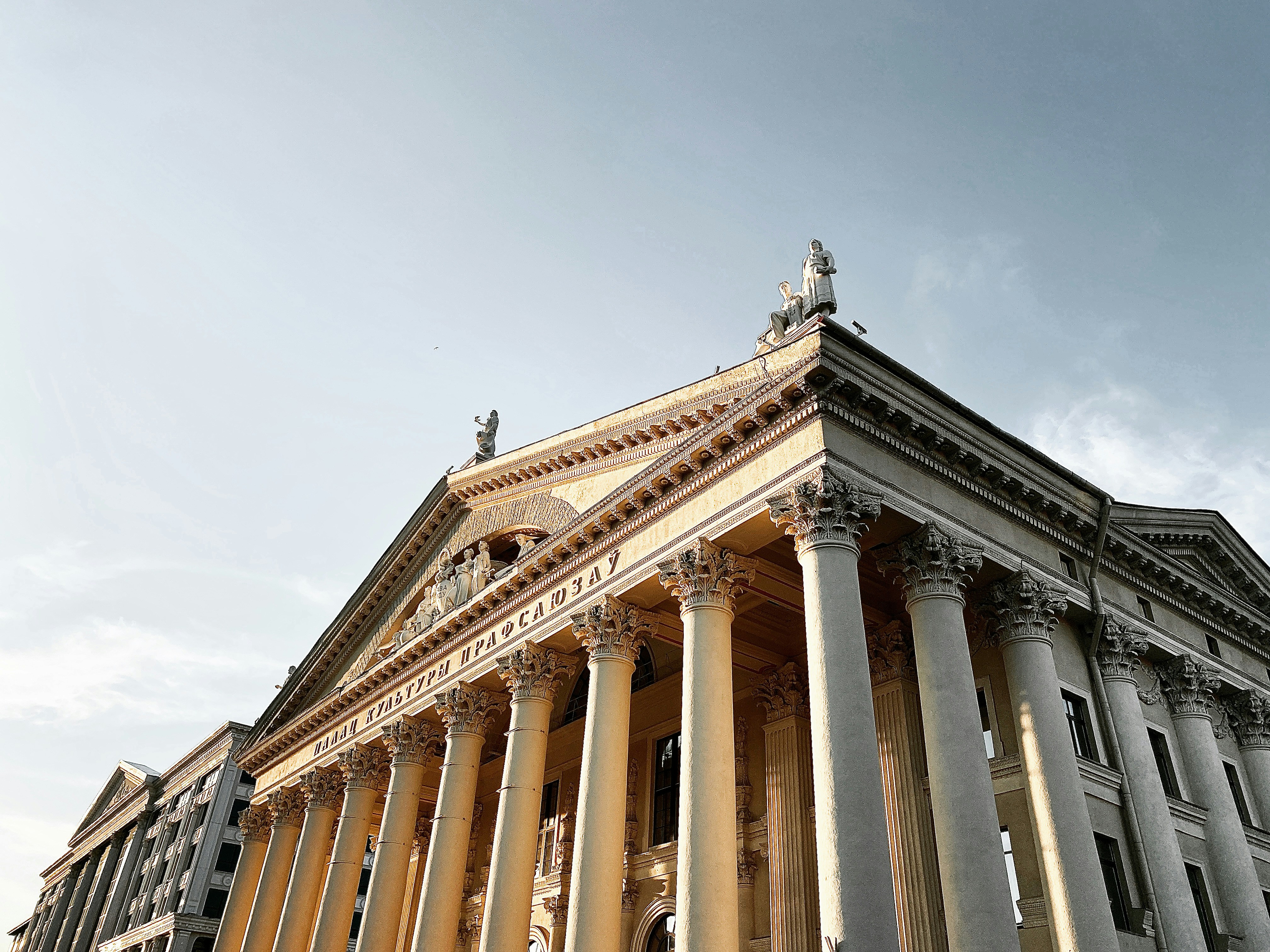
Belarus Travel Budget Guide: Daily Costs and Money Tips
How much does it cost to travel in Belarus? Daily budget breakdowns for budget, mid-range, and luxury travellers.
22 February 2026
Belarus Currency & Money Guide: Exchange, Cards, and Tips
Currency exchange, credit card acceptance, ATM tips, tipping culture, and money-saving advice for Belarus.
24 July 2026
Belarus Food Guide: Must-Try Dishes, Prices, and Tips
Best local dishes, street food, restaurant prices, dietary options, and food safety tips for Belarus.
13 May 2026
Belarus Safety Guide: Tips for a Safe Trip
Safety tips, health advisories, emergency contacts, common scams, and travel insurance advice for Belarus.
15 July 2026
3 Days in Belarus: A Day-by-Day Itinerary
A detailed 3-day itinerary for Belarus with daily activities, costs, neighborhoods, and transport tips.
9 June 2026
Belarus in 5 Days: The Perfect Extended Itinerary
A detailed 5-day itinerary for Belarus with daily activities, costs, neighborhoods, and transport tips for an extended stay.
3 May 2026
Belarus in 10 Days: The Ultimate Travel Itinerary
A comprehensive 10-day itinerary for Belarus covering top attractions, hidden gems, daily costs, and transport between cities.
17 June 2026
Belarus Visa & Entry Requirements for Singapore Passport Holders
Visa requirements, passport validity, customs allowances, and entry tips for Singapore citizens travelling to Belarus.
6 July 2026
More Travel Guides
Destination Guide
Complete Bosnia and Herzegovina Travel Guide 2026
Everything you need to know about travelling to Bosnia and Herzegovina — budget, visa, food, transport, eSIM connectivity, and itineraries.
Destination Guide
Complete Bahamas Travel Guide 2026
Everything you need to know about travelling to Bahamas — budget, visa, food, transport, eSIM connectivity, and itineraries.
Destination Guide
Complete Bahrain Travel Guide 2026
Everything you need to know about travelling to Bahrain — budget, visa, food, transport, eSIM connectivity, and itineraries.
Destination Guide
Complete Sint Eustatius Travel Guide 2026
Everything you need to know about travelling to Sint Eustatius — budget, visa, food, transport, eSIM connectivity, and itineraries.