Belarus Safety Guide: Tips for a Safe Trip
Safety tips, health advisories, emergency contacts, common scams, and travel insurance advice for Belarus.
By Hello Travel Team
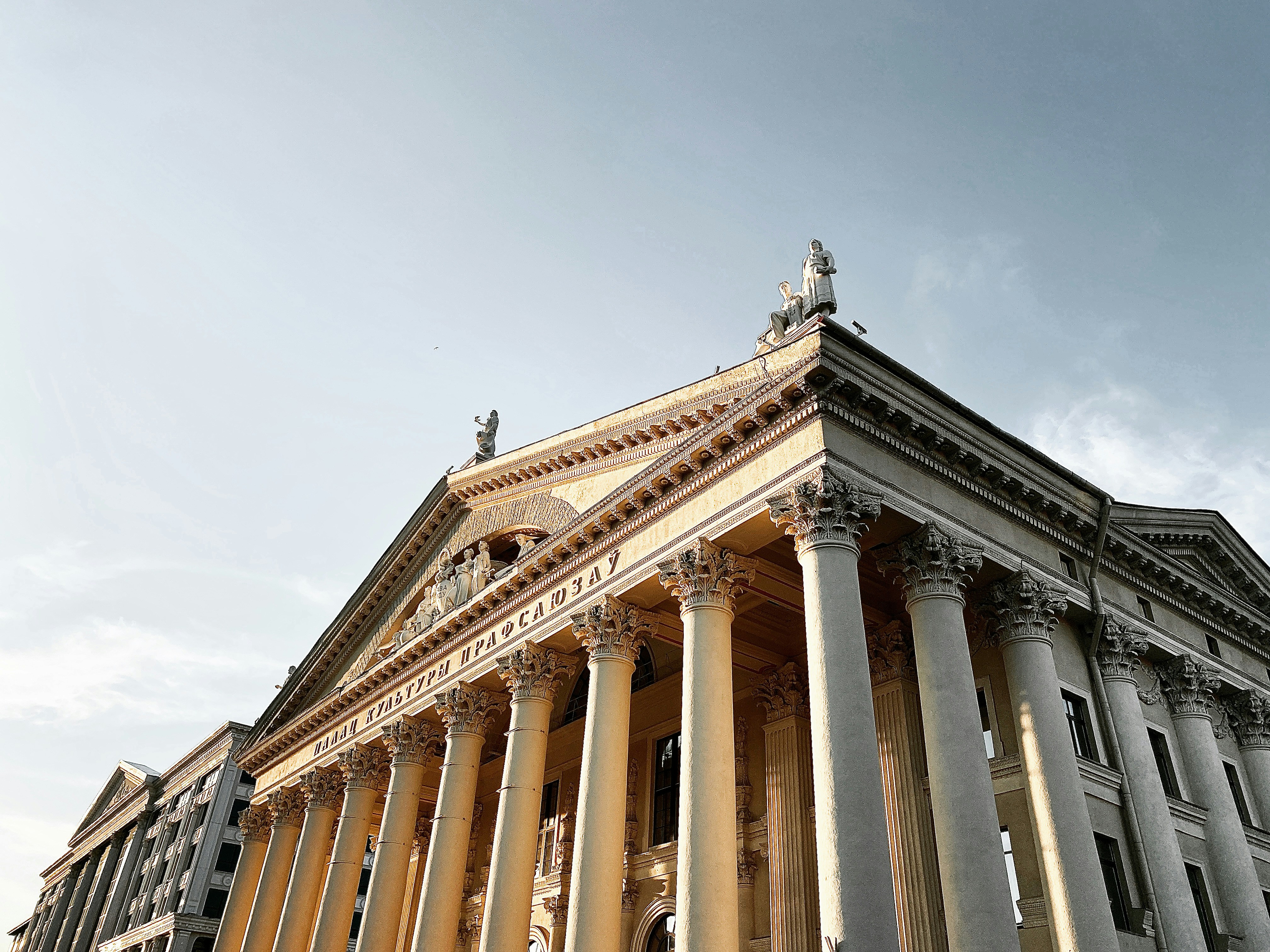
TL;DR: Is Belarus Safe to Travel To Right Now?
Belarus combines low everyday crime with a high‑risk political and security environment, so in 2026 most Western governments advise against all travel, especially for Western passport holders and journalists. For travellers who still decide to go, careful planning, insurance, and connectivity are essential.
According to the UK Foreign, Commonwealth & Development Office and the US State Department, Belarus is rated Level 4: Do Not Travel, largely due to its role in Russia’s war against Ukraine, the presence of Russian troops, and the risk of arbitrary detention and limited consular support for foreigners. Several countries, including the UK, US, Australia, and Canada, maintain this advisory in 2026, strongly discouraging non‑essential trips.
At the same time, official Belarus tourism information stresses that street crime is generally low and violent crime against visitors is rare, meaning that day‑to‑day personal safety in cities like Minsk is not the main concern. The real risks are political: demonstrations can be dispersed with force, social media activity may be scrutinised, and foreigners perceived as critical of the government can face questioning or detention.
If you still choose to visit, treat Belarus as a higher‑risk destination: buy robust travel insurance with evacuation coverage, keep a low profile, avoid protests, lock in reliable mobile data (for example via a Hello eSIM), and make sure someone at home always knows your itinerary. This guide walks through scams, emergency numbers, health tips, and practical safety advice to help you make an informed decision.
Belarus Travel Safety: Risk Levels, Crime, and Local Environment
Belarus is statistically safe for tourists in terms of low violent crime, but current advisories rate it high‑risk overall due to political instability, border tensions with Ukraine, and the potential for arbitrary enforcement of laws against foreigners.
Most Western governments, including the US, UK, Australia, and Canada, categorise Belarus as "Do Not Travel" or equivalent Level 4 in 2026, citing Russia’s military presence, the government’s role in the Ukraine conflict, and the risk of detention or restrictions without notice. Crime levels, however, are generally described as low, with occasional petty theft in crowded areas, stations, and markets rather than widespread violent street crime.
Official Belarus tourism guidance notes that crimes against foreigners are rare and that the most common issue is robbery or theft, usually linked to unattended bags, visible valuables, or leaving hotel rooms or train compartments unsecured. In Minsk and other large cities, you can still safely use public transport, walk central districts by day, and visit cafés; the key is to stay away from political gatherings and government buildings when crowds form.
For travellers wondering "is Belarus safe" in 2026, the answer is: everyday crime is manageable if you use normal city smarts, but the overarching political and legal environment is what makes Belarus a complex destination. Keep your passport and visa details secure, avoid discussing politics with strangers, and monitor your home country’s travel advisories daily before and during your trip.
Emergency Numbers, Consular Help, and Staying Connected
In Belarus, emergency services are generally efficient in cities and can be reached on standard short codes, but consular help for many Western travellers is extremely limited, making self‑reliance and connectivity vital.
Across Belarus, you can dial 112 for general emergencies, while dedicated numbers are 101 (fire and rescue), 102 (police), and 103 (ambulance). These numbers are free from most phones, and operators may have limited English, so learning a few basic phrases or saving key terms in Russian can help in a crisis.
One complication: several Western embassies reduced or suspended operations in Belarus after 2020–2022, and some governments explicitly state they have very limited ability to assist citizens on the ground. Travellers from Singapore should note that Singapore does not maintain a resident embassy in Minsk; the nearest Singapore mission usually responsible for Belarus is the Embassy of Singapore in Moscow, which can provide consular assistance remotely or via regional partners. Always check the Singapore Ministry of Foreign Affairs website for the latest accredited embassy and emergency contact email/phone before departure.
Because consular backup is thin, staying contactable is crucial. A Hello eSIM for Belarus lets you arrive with data already active, so you can call local emergency numbers, use maps, and share your live location with friends or family. You can buy and activate your Hello eSIM in advance via the app, avoiding searches for SIM vendors at the border or station.
Below is a quick safety reference:
| Service | Number | Notes |
|---|---|---|
| General emergency | 112 | Connects to central dispatch |
| Fire & rescue | 101 | City and regional fire services |
| Police | 102 | Crime, public order issues |
| Ambulance/medical | 103 | Medical emergencies, injuries |
| Singapore embassy (Moscow) | Varies | Check MFA website for current details |
Health Advisories, Vaccinations, Water Safety, and Medical Care
Belarus has a temperate climate and reasonable urban healthcare, but travellers should ensure comprehensive medical coverage, core vaccinations, and caution with water and food hygiene, especially outside major cities.
For most visitors, standard routine vaccines (MMR, diphtheria–tetanus–pertussis, polio) plus hepatitis A and B are typically recommended by travel‑medicine clinics for trips to Eastern Europe. Tuberculosis risk is considered low for most short‑term travellers, though long stays in rural areas or healthcare work may warrant additional screening. Always consult a travel clinic 4–6 weeks before departure to personalise vaccines.
Public healthcare facilities in Belarus can be basic by Western standards, and many governments advise that medical standards and equipment may not match what you’re used to at home. Private clinics exist in Minsk and larger cities, but payment is often required upfront in cash or card, and foreign language support varies. As of 2026, Belarusian authorities require proof of medical insurance (translated into Belarusian or Russian) at entry and mandatory purchase of state insurance at the border or airport, so carry printed documents.
Tap water quality differs by region. In major cities, locals often drink tap water, but travellers frequently prefer bottled water to reduce gastrointestinal issues, particularly if you’re not used to the local system or are visiting smaller towns. For natural lakes and rivers, follow standard CDC advice: swim only in designated areas, avoid swallowing water, and skip freshwater swimming where sanitation is unclear.
Expect basic restaurant meals in Minsk to cost around $10–18 in 2026, with cafés and canteens cheaper. To avoid foodborne illness, stick to busy spots with high turnover, ensure hot dishes are served steaming, and be cautious with street food you can’t see being cooked.
Common Scams, Local Customs, and How to Avoid Trouble
Most travellers who run into problems in Belarus encounter petty crime, drink‑related scams, or issues linked to politics and police checks, rather than violent assaults, so prevention is mostly about awareness and behaviour.
Petty theft is reported in busy stations, markets, and on some overnight trains. Common issues include: pickpocketing on crowded buses or metro, bags taken from overhead racks, and theft from unattended hotel rooms or rental apartments. Use hotel safes, lock train compartments from the inside, and avoid leaving valuables visible in cars or on tables.
Authorities and several Western governments also warn about drugging and drink scams. Travellers, especially solo visitors, have reported situations where new acquaintances offer free snacks, cigarettes, or drinks that may be spiked, followed by robbery or sexual assault. The standard advice is simple but important: never leave drinks unattended, don’t accept consumables from strangers, and avoid sharing taxis with people you just met in bars.
Local customs are generally conservative. Belarusian society is polite but formal, and many people prefer to keep political discussion private. Making critical comments about the government, posting protest photos, or openly filming security forces can attract unwanted attention. Since Belarusian authorities are known to enforce laws arbitrarily, it is safer to avoid demonstrations entirely and leave any area where crowds begin to form.
For practical budgeting, simple taxi rides within central Minsk cost roughly $5–10 in 2026, while longer trips to the airport can run $20–30. Use licensed taxis or reputable apps, agree fares in advance if the meter is off, and carry small bills to avoid disputes over change.
Solo Female and LGBTQ+ Travellers: Targeted Safety Tips
Solo female and LGBTQ+ travellers can move around Belarus without constant danger from street crime, but should adopt extra caution at night, keep a low profile, and be aware of conservative social attitudes and legal ambiguity.
Official Belarus tourism guidance notes that women do travel alone, including on overnight trains, and that Belarusian men are often courteous. However, it also advises women not to stay out late alone, to avoid accepting rides or drinks from strangers, and to ensure someone knows where they are and when they will be back. These are sensible baselines for cities like Minsk, Brest, and Grodno.
Recommended solo female strategies include:
- Choose centrally located accommodation with 24‑hour reception.
- Use licensed taxis or ride‑hail apps at night rather than walking long, dark stretches.
- Avoid isolated parks and riverfronts after dark.
- Dress in a way that doesn’t draw undue attention in more traditional neighbourhoods.
For LGBTQ+ travellers, Belarus can feel more restrictive than destinations like Japan or Thailand. Same‑sex relationships are not explicitly criminalised, but public attitudes are largely conservative and activism is discouraged. There are few openly LGBTQ+ venues, and public displays of affection can attract negative attention. To stay safe, many visitors keep relationships discreet, avoid discussing LGBTQ+ activism with strangers, and stay well clear of any politically tinged gatherings.
If you’re travelling as a group, the Hello app’s expense splitting and budget tracking features can help you minimise time spent standing in public counting cash or resolving bills—log shared taxis, meals, and accommodation in the app and settle up later, away from busy streets or stations.
Travel Insurance, Budgeting, and Common Questions About Belarus Safety
Given Belarus’s Level 4 travel advisories and limited consular support, travellers should prioritise strong travel insurance with medical and evacuation cover, careful budgeting, and clear answers to common safety questions before committing.
Robust travel insurance for Belarus in 2026 should include:
- Emergency medical cover of at least $250,000–$500,000.
- Medical evacuation, ideally to a nearby EU country.
- Cover for trip cancellation or interruption due to sudden border closures or policy changes.
- Explicit inclusion of destinations under "Do Not Travel" advisories (many policies exclude these by default).
Belarus also requires proof of medical insurance plus mandatory state insurance on arrival, so carry printed certificates and check that your policy documents can be translated into Russian or Belarusian if needed.
To plan costs, assume a mid‑range daily budget of $50–90 in 2026, covering accommodation, meals, transport, and basic sightseeing. The Hello app’s AI expense scanning, voice entry, multi‑currency support, and auto‑exchange rates make it easier to track spending and split costs in mixed‑currency groups, especially if you’re dealing with cash and cards.
Q&A: Common Belarus Safety Questions
-
Is Belarus safe to visit right now? Belarus is generally safe regarding violent crime, but due to its geopolitical role and Level 4 advisories, most Western governments say it is not safe for non‑essential travel.
-
What are Belarus emergency numbers? Dial 112 for general emergencies, 101 for fire, 102 for police, and 103 for ambulance.
-
Are there many Belarus scams? The most reported problems are petty theft, drink‑spiking, taxi overcharging, and issues linked to political activity rather than sophisticated financial scams.
-
Do I need to stay connected? Yes—having data for maps, translation, and emergency contacts is vital. An eSIM from Hello can keep you online from the moment you land, with live‑priced data plans available via Hello eSIM for Belarus.
Explore These Destinations
Stay Connected
Ready for Belarus?
eSIM data, expense splitting, budget tracking, and more. Everything you need for a smooth trip in one app.
Related Articles
Belarus Currency & Money Guide: Exchange, Cards, and Tips
Currency exchange, credit card acceptance, ATM tips, tipping culture, and money-saving advice for Belarus.
24 July 2026
Belarus Visa & Entry Requirements for Singapore Passport Holders
Visa requirements, passport validity, customs allowances, and entry tips for Singapore citizens travelling to Belarus.
6 July 2026
eSIM for Belarus: Best Plans, Coverage, and Setup Tips
Everything you need to know about using eSIM in Belarus. Best data plans, network coverage, and setup instructions.
27 June 2026