Key Takeaways
- ✓Aruba is a year-round Caribbean destination with reliable sun and relatively low hurricane risk, making it ideal for 2026 travel.
- ✓Daily budgets in Aruba range roughly from US$70–120 for budget travellers to US$250+ for luxury stays, excluding flights.
- ✓Many nationalities can visit Aruba visa-free for short stays, but you should always confirm current rules based on your passport.
- ✓Hello eSIM offers instant, convenient data connectivity in Aruba, supporting maps, messaging, and trip planning without roaming fees.
- ✓Public buses and taxis cover most tourist areas, while rental cars are best for exploring Arikok National Park and remote beaches.
- ✓Aruba’s food scene blends Caribbean, Dutch, and international flavours, with prices higher than many mainland destinations but typical for the region.
- ✓Aruba is generally safe for solo travellers and families; standard precautions and awareness of local advice keep your trip smooth.
- ✓Using the Hello app for budgeting, expense splitting, and itinerary planning turns this Aruba guide into an actionable trip planner for 2026.
Aruba is the kind of island that makes even seasoned travellers do a double-take: turquoise water in every direction, year-round sunshine, and a relaxed Caribbean pace balanced with Dutch efficiency. This Complete Aruba Travel Guide 2026 pulls everything together so you can plan with confidence, whether it’s a quick escape or a long, slow stay.
You’ll find clear overviews of budget ranges, best time to visit, visa and entry requirements, getting around, food and dining, connectivity with Hello eSIM, and safety, money, and cultural tips. Each section gives you the big picture, then points you to detailed cluster guides like Aruba Travel Budget Guide: Daily Costs and Money Tips and Aruba Cultural Guide: Etiquette, Customs, and Tips for deeper dives.
We’ve also included comparison tables, decision frameworks, and a “Before You Go” checklist to turn scattered research into one clear plan. Think of this page as your central Aruba hub: start here to design your trip, then open specific articles as needed. Whether you’re a solo traveller, couple, or group of friends using the Hello app to split expenses and stay connected, this guide will help you visit Aruba in 2026 with clarity, ease, and zero surprises.
Why Visit Aruba in 2026
Aruba in 2026 is a sweet spot: stable prices compared to other Caribbean islands, excellent infrastructure, and consistently sunny weather, making it ideal for first-time Caribbean trips and repeat beach lovers alike.
Aruba is known as “One Happy Island” for a reason: locals are welcoming, English is widely spoken, and the island feels easy to navigate even if it’s your first trip outside Japan or Thailand. The mix of Caribbean warmth and Dutch influence means reliable roads, safe tap water in most areas, and a tourism ecosystem that’s mature without feeling overcrowded.
Compared with other Caribbean destinations, Aruba stands out for year-round beach weather and relatively low hurricane risk thanks to its position outside the main hurricane belt, which is a big plus for 2026 travel planning. You can pair lazy days on Eagle Beach and Palm Beach with adventure: windsurfing at Hadicurari, off-road exploring in Arikok National Park, and snorkeling or diving along the calm southwest coast.
This pillar guide is your starting point. Once you’ve decided Aruba is right for you, use our itineraries—3 Days in Aruba: A Day-by-Day Itinerary, Aruba in 5 Days: The Perfect Extended Itinerary, and Aruba in 10 Days: The Ultimate Travel Itinerary—to match daily plans and budgets to your travel style.
If you’re travelling with friends, the Hello app can help you split expenses, track your spending, and stay connected with Hello eSIM data while exploring, making Aruba in 2026 both carefree and well-organised.
Best Time to Visit Aruba: Seasons, Weather & Crowds
Aruba is a true year-round destination, but your best time to visit depends on what you value most: lower prices, fewer crowds, or peak sunshine with busy beaches and festivals.
As of 2026, Aruba’s climate remains reliably warm and dry: expect daytime highs around 28–32°C and constant trade winds that keep things comfortable. Instead of four distinct seasons, think in terms of peak, shoulder, and value periods.
Here’s an at-a-glance comparison:
| Season (Approx.) | Weather & Sea | Crowds | Price Level |
|---|---|---|---|
| Dec–Apr (Peak) | Sunniest, driest, calm seas | High | $$$ (higher rates) |
| May–Aug (Shoulder) | Warm, slightly more humid | Moderate | $$ |
| Sep–Nov (Value) | Warm, some rain showers | Lower | $–$$ (best deals) |
Because Aruba sits outside the main Atlantic hurricane belt, even the Sep–Nov period is generally safer from major storms than many Caribbean neighbours. You may see short tropical showers, but they’re often brief and followed by sunshine.
For shorter trips like a 3-day or 5-day stay, many travellers choose the shoulder season (May–Aug) to balance good weather with more reasonable hotel prices—use 3 Days in Aruba: A Day-by-Day Itinerary and Aruba in 5 Days: The Perfect Extended Itinerary to plug in sample daily plans. If you’re planning a 10-day journey, Aruba in 10 Days: The Ultimate Travel Itinerary can help you make the most of quieter months.
Decision tip: if your priority is calm seas and classic beach weather, choose Dec–Apr. If your priority is budget and fewer crowds, choose May–Jun or Sep–Oct and book flexible accommodations.
Aruba Trip Budget: How Much to Plan for in 2026
In 2026, a comfortable daily budget in Aruba typically ranges from around US$70–100 for budget travellers up to US$250+ for those seeking luxury, excluding international flights.
Prices in Aruba are higher than many mainland destinations but still competitive within the Caribbean, thanks to efficient logistics and strong tourism infrastructure. The Aruba Travel Budget Guide: Daily Costs and Money Tips breaks down typical spending on accommodation, food, transport, and activities for different styles of travel.
Here’s a simple budget comparison to help you choose your lane:
| Style | Daily Budget (per person, 2026) | Accommodation | Food | Activities |
|---|---|---|---|---|
| Budget | US$70–120 | Hostels, budget hotels | Local eateries, snacks | Free beaches, public buses |
| Mid-range | US$120–200 | Guesthouses, mid-range hotels | Mix of local & casual restaurants | A few paid tours (snorkel, jeep) |
| Luxury | US$250+ | Resorts, boutique hotels | Upscale dining & beach clubs | Private tours, spa, premium experiences |
To avoid surprise costs, factor in service charges at hotels, resort fees, and the cost of popular tours like off-road safaris in Arikok National Park or full-day snorkeling cruises. For multi-day trips, our itineraries—3 Days in Aruba, 5 Days in Aruba, and 10 Days in Aruba—include sample budgets you can scale up or down.
Use the Hello app’s budget tracking and expense splitting features to keep your group on the same page. Combine that with the Aruba Currency & Money Guide: Exchange, Cards, and Tips to decide how much to bring in cash versus relying on cards and ATMs.
Aruba Travel Budget Guide: Daily Costs and Money Tips
Currency & MoneyAruba Currency & Money Guide: Exchange, Cards, and Tips
Itineraries3 Days in Aruba: A Day-by-Day Itinerary
ItinerariesAruba in 5 Days: The Perfect Extended Itinerary
ItinerariesAruba in 10 Days: The Ultimate Travel Itinerary
Visa & Entry Requirements: Who Can Visit Aruba in 2026
By 2026, most travellers from Europe, North America, and many parts of Asia can enter Aruba visa-free for short stays, but specific rules and durations depend on your passport.
Aruba is part of the Kingdom of the Netherlands, and its immigration rules reflect that relationship while still having unique local procedures. For example, Singapore citizens have clear guidelines covered in Aruba Visa & Entry Requirements for Singapore Passport Holders, including visa-free stay durations, minimum passport validity, and onward ticket requirements.
While requirements vary by nationality, you can expect the following common entry conditions as of 2026:
- Passport validity: typically at least 6 months beyond your intended departure.
- Proof of onward travel: return or onward ticket.
- Accommodation details: hotel reservation or address of where you’re staying.
- Financial means: proof you can support yourself during your stay (sometimes checked).
Customs rules cover duty-free allowances on alcohol, tobacco, and luxury goods, and there are restrictions on bringing certain food items or plants into the country. The cluster guide for Singapore passport holders is a good template for what to expect, even if your nationality differs.
If you’re combining Aruba with other destinations like Japan or Thailand, double-check that your passport has enough blank pages and validity for all legs of your trip. Always verify entry rules with your local consulate or official government website close to your 2026 travel dates, as policies can change.
Use the Hello app’s trip planning feature to store copies of your passport, visa confirmations, and flight details securely, so you have everything handy at immigration.
Getting Around Aruba: Transport Options for Travellers
Getting around Aruba in 2026 is straightforward: you can combine buses, taxis, and rental cars to explore, with most visitors relying on public transport and occasional rides for short stays.
The Getting Around Aruba: Transport Guide for Travellers dives into airport transfers, public bus routes, driving tips, and options for travelling between beach areas and Oranjestad. As a quick overview:
- From the airport: taxis and pre-arranged transfers are common; some hotels offer shuttles.
- Public buses: an affordable way to reach major beaches and Oranjestad, operating on fixed routes and schedules.
- Taxis: often have fixed fares by zone rather than meters; useful at night or for direct trips.
- Rental cars: best for those wanting to explore Arikok National Park, more remote beaches, and multiple neighborhoods.
A simple decision framework:
- Short trip focused on main beaches? Use buses + occasional taxis.
- Exploring national parks and hidden beaches? Consider a rental car for at least a few days.
- Group travel with shared plans? Use the Hello app to log and split transport costs easily.
The transport guide also covers driving etiquette, parking norms, and tips for dealing with local traffic. Combine it with Aruba Safety Guide: Tips for a Safe Trip to understand road safety, night-time travel considerations, and emergency contacts.
With Hello eSIM providing reliable data, you can navigate using online maps, check bus timings, and stay in touch with your group across the island without worrying about roaming fees.
Food & Dining in Aruba: What to Eat and What It Costs
Aruba’s food scene in 2026 blends Caribbean comfort, Dutch influence, and international flavours, with prices ranging from budget-friendly local snacks to upscale oceanfront dining.
The Aruba Food Guide: Must-Try Dishes, Prices, and Tips is your deep dive into street food, local restaurants, and typical meal costs. Expect:
- Local dishes like stews, grilled fish, and pastechi (filled pastries).
- Dutch favourites including cheeses and baked goods.
- International options with Italian, American, and Latin restaurants around resort areas.
A simple price snapshot for 2026:
- Local snack or street food: US$5–10.
- Casual restaurant meal: US$15–25 per person.
- Upscale dinner with drinks: US$40–70+ per person.
Aruba is generally accommodating for vegetarians and many dietary needs, though vegan and gluten-free options are more common in tourist-heavy districts. The food guide also covers tipping norms, reservation tips for popular spots, and food safety advice (tap water is widely considered safe in most built-up areas).
To align food choices with your budget, cross-check with the Aruba Travel Budget Guide: Daily Costs and Money Tips. Use the Hello app to track shared meals, split restaurant bills, and log daily food spending so there are no awkward money conversations.
If you’re combining Aruba with food-rich destinations like Thailand or Japan, expect Aruba to feel pricier per meal but more relaxed and beach-focused—perfect for sundowner cocktails and slow dinners by the sea.
Top Experiences & Sample Itineraries in Aruba
Aruba’s top experiences in 2026 range from beach days and snorkeling to desert-like park adventures and cultural strolls through Oranjestad, making it easy to build trips from 3 to 10 days.
Use our trio of itineraries to match your time and style:
- 3 Days in Aruba: A Day-by-Day Itinerary for quick getaways.
- Aruba in 5 Days: The Perfect Extended Itinerary for a balanced mix of rest and exploration.
- Aruba in 10 Days: The Ultimate Travel Itinerary for deeper discovery, including hidden beaches and local neighbourhoods.
Typical highlights include:
- Beaches: Eagle Beach, Palm Beach, Baby Beach.
- Nature & adventure: Arikok National Park, off-road jeep tours, caves, cliff viewpoints.
- Water activities: snorkeling, sailing, windsurfing, stand-up paddleboarding.
- Town experiences: pastel buildings in Oranjestad, local markets, museums.
A simple trip-planning framework:
- If you love slow travel, stretch to 10 days and space out excursions.
- If you prefer high-energy trips, pack key experiences into 3–5 days and focus on beaches + one big adventure day.
- Travelling with friends? Use Hello’s trip planning to allocate days, save activity ideas, and assign budgets to each.
Cross-reference your activity list with the Aruba Safety Guide: Tips for a Safe Trip to choose reputable tour operators and understand safety basics for water sports and off-road driving.
Hello eSIM & Staying Connected in Aruba
In 2026, the simplest way to stay online in Aruba is to use Hello eSIM, giving you instant data without hunting for a local SIM or worrying about roaming charges.
The eSIM for Aruba: Best Plans, Coverage, and Setup Tips article explains how Hello eSIM works specifically for Aruba: how to purchase a plan in the Hello app, activate it instantly on arrival, and switch seamlessly between Wi‑Fi and mobile data.
Key advantages of using Hello eSIM in Aruba:
- No physical SIM card or store visits—activate directly from your phone.
- Coverage across major tourist areas, beaches, and city centers.
- Flexible data packages to match short trips or longer stays.
With reliable data, you can:
- Use maps for driving and bus routes.
- Check restaurant reviews and opening hours.
- Coordinate plans with friends and share your location.
Because Hello is more than connectivity, you can also track expenses, split shared costs (like rental cars or boat trips), and organise your daily itinerary inside the same app. This makes it particularly useful for group trips or those who like to keep everything—tickets, booking references, budgets—neatly in one place.
Before you travel, read the Aruba-specific eSIM setup instructions and test the Hello app on your device. If you’re pairing Aruba with other destinations like Japan or Thailand, Hello eSIM’s coverage in 200+ countries lets you stay connected across your entire multi-country itinerary.
Money, Safety & Cultural Tips for Aruba
Aruba in 2026 remains one of the safer and more convenient Caribbean destinations, with widely accepted cards, tourist-friendly infrastructure, and a relaxed yet respectful local culture.
For money matters, the Aruba Currency & Money Guide: Exchange, Cards, and Tips explains the local currency, typical use of US dollars, ATM access, and tipping practices. Many hotels and restaurants accept major credit cards, but having some cash on hand is wise for small shops, local eateries, and tips.
Safety-wise, Aruba Safety Guide: Tips for a Safe Trip covers common-sense precautions, health advisories, emergency contacts, and typical scams to watch for. Petty crime can occur in busy areas, as in most tourist destinations, but serious incidents are relatively rare; basic awareness—especially at night and on quiet beaches—goes a long way.
On the cultural side, Aruba Cultural Guide: Etiquette, Customs, and Tips walks you through greetings, dress norms, and helpful local phrases. A few quick pointers:
- Greeting warmly and respectfully is appreciated.
- Beachwear is fine on the sand but not in formal indoor settings.
- Being polite and patient in queues and service interactions reflects local norms.
The Hello app helps with practical safety and culture: store emergency numbers, keep copies of important documents, and note cultural tips or phrases you want to remember.
If you’ve travelled to places like Japan or Thailand, Aruba will feel more casual and beach-centric—but the same respect for local customs and communities applies.
Before You Go: Checklist for Your Aruba Trip
A simple before you go checklist makes travelling to Aruba in 2026 smoother, from visas and money prep to eSIM setup and itinerary planning.
Here’s a practical list you can work through:
-
Documents & entry
- Check passport validity (aim for at least 6 months beyond your trip).
- Confirm visa requirements using guidance like Aruba Visa & Entry Requirements for Singapore Passport Holders and your own country’s rules.
- Print or save flight confirmations and hotel bookings.
-
Budget & money
- Use Aruba Travel Budget Guide: Daily Costs and Money Tips to set a realistic daily budget.
- Read Aruba Currency & Money Guide: Exchange, Cards, and Tips to decide how much cash vs card.
- Set up Hello’s budget tracking and expense splitting features.
-
Connectivity & safety
- Install the Hello app and purchase your Hello eSIM plan, following eSIM for Aruba: Best Plans, Coverage, and Setup Tips.
- Review Aruba Safety Guide: Tips for a Safe Trip and save key emergency contacts.
-
Culture & packing
- Skim Aruba Cultural Guide: Etiquette, Customs, and Tips to understand local norms.
- Pack light beachwear plus a few smarter outfits for restaurants.
- Bring reef-safe sunscreen, a reusable water bottle, and any medications.
-
Itinerary
- Choose and adapt one of the core itineraries: 3 Days in Aruba, 5 Days in Aruba, or 10 Days in Aruba.
Save this checklist inside Hello so you can tick items off as you prepare—your future self, stepping onto Aruba’s sand, will thank you.
Aruba Visa & Entry Requirements for Singapore Passport Holders
Budget PlanningAruba Travel Budget Guide: Daily Costs and Money Tips
Currency & MoneyAruba Currency & Money Guide: Exchange, Cards, and Tips
eSIM & ConnectivityeSIM for Aruba: Best Plans, Coverage, and Setup Tips
Safety & HealthAruba Safety Guide: Tips for a Safe Trip
Cultural GuideAruba Cultural Guide: Etiquette, Customs, and Tips
Itineraries3 Days in Aruba: A Day-by-Day Itinerary
ItinerariesAruba in 5 Days: The Perfect Extended Itinerary
ItinerariesAruba in 10 Days: The Ultimate Travel Itinerary
Frequently Asked Questions
How many days do you need in Aruba for a first visit?
For a first trip to Aruba, 3–5 days is enough to see the main beaches, explore Oranjestad, and fit in one or two adventure days. Use 3 Days in Aruba: A Day-by-Day Itinerary if you’re short on time, or Aruba in 5 Days: The Perfect Extended Itinerary for a more relaxed pace. If you want slower travel and more hidden spots, Aruba in 10 Days: The Ultimate Travel Itinerary is ideal.
Is Aruba expensive to visit in 2026?
Aruba is moderately expensive compared with mainland destinations but typical for the Caribbean. As of 2026, budget travellers can manage on roughly US$70–120 per day, mid-range on US$120–200, and luxury travellers from US$250+ excluding flights. The Aruba Travel Budget Guide: Daily Costs and Money Tips offers detailed breakdowns. Use the Hello app’s budget tracking and expense splitting to stay on top of shared costs.
Do I need a visa to visit Aruba?
Visa requirements depend on your nationality. Many travellers from Europe, North America, and some Asian countries enjoy visa-free short stays, while others may need a visa or meet specific conditions. The article Aruba Visa & Entry Requirements for Singapore Passport Holders shows what this looks like for Singaporeans; use it as a reference and always check official government sources for your passport. Ensure your passport is valid for at least 6 months beyond your trip in 2026.
Is Aruba safe for solo travellers and families?
Aruba is generally considered one of the safer Caribbean destinations for solo travellers and families, with good tourism infrastructure and relatively low levels of serious crime. Petty theft can still occur, especially in busy areas, so standard precautions apply. The Aruba Safety Guide: Tips for a Safe Trip covers emergency contacts, common scams, and health considerations. Using Hello to store documents and contacts adds an extra layer of preparedness.
How do I stay connected in Aruba without paying high roaming fees?
The easiest way in 2026 is to use Hello eSIM for Aruba. You can purchase and activate your eSIM plan directly in the Hello app, giving you instant mobile data on arrival without visiting a store or swapping physical SIMs. For Aruba-specific setup steps, data options, and coverage info, see eSIM for Aruba: Best Plans, Coverage, and Setup Tips. Once connected, you can use Hello for trip planning, maps, and expense tracking.
What are the must-try foods in Aruba and how much will meals cost?
Expect a mix of local Caribbean dishes, Dutch-influenced comfort food, and international restaurants. Must-tries include pastechi (filled pastries), fresh grilled fish, and hearty stews. In 2026, local snacks often cost US$5–10, casual meals US$15–25, and upscale dinners US$40–70+ per person. The Aruba Food Guide: Must-Try Dishes, Prices, and Tips has a full list of recommended dishes, price ranges, and dietary tips.
Do I need to rent a car in Aruba, or can I rely on public transport?
You don’t have to rent a car to enjoy Aruba, especially on short trips focused on main beaches and Oranjestad. Public buses and taxis cover key areas and are sufficient for many visitors. However, if you plan to explore Arikok National Park, remote beaches, or multiple neighborhoods at your own pace, renting a car for part of your stay is helpful. The Getting Around Aruba: Transport Guide for Travellers explains pros and cons of each transport option.
eSIM Plans for Aruba
Detailed Articles
Dive deeper into specific topics covered in this guide.
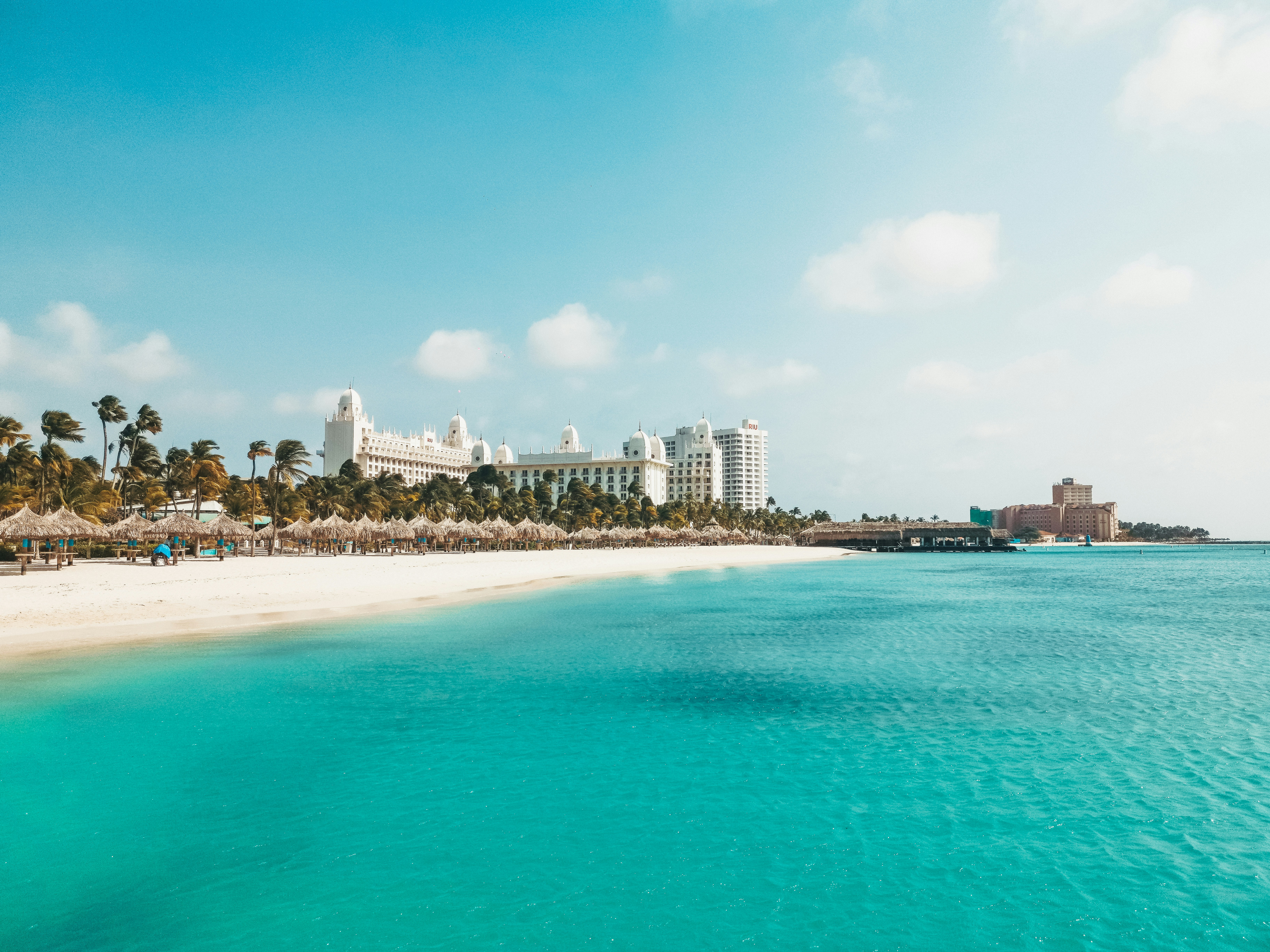
3 Days in Aruba: A Day-by-Day Itinerary
A detailed 3-day itinerary for Aruba with daily activities, costs, neighborhoods, and transport tips.
8 June 2026
Aruba in 5 Days: The Perfect Extended Itinerary
A detailed 5-day itinerary for Aruba with daily activities, costs, neighborhoods, and transport tips for an extended stay.
3 May 2026
Aruba in 10 Days: The Ultimate Travel Itinerary
A comprehensive 10-day itinerary for Aruba covering top attractions, hidden gems, daily costs, and transport between cities.
17 June 2026
Aruba Travel Budget Guide: Daily Costs and Money Tips
How much does it cost to travel in Aruba? Daily budget breakdowns for budget, mid-range, and luxury travellers.
22 February 2026
Aruba Currency & Money Guide: Exchange, Cards, and Tips
Currency exchange, credit card acceptance, ATM tips, tipping culture, and money-saving advice for Aruba.
24 July 2026
Aruba Visa & Entry Requirements for Singapore Passport Holders
Visa requirements, passport validity, customs allowances, and entry tips for Singapore citizens travelling to Aruba.
6 July 2026
Getting Around Aruba: Transport Guide for Travellers
Airport transfers, public transport, ride-hailing apps, inter-city travel, and driving tips for Aruba.
21 May 2026
Aruba Safety Guide: Tips for a Safe Trip
Safety tips, health advisories, emergency contacts, common scams, and travel insurance advice for Aruba.
15 July 2026
More Travel Guides
Destination Guide
Complete Bosnia and Herzegovina Travel Guide 2026
Everything you need to know about travelling to Bosnia and Herzegovina — budget, visa, food, transport, eSIM connectivity, and itineraries.
Destination Guide
Complete Bahamas Travel Guide 2026
Everything you need to know about travelling to Bahamas — budget, visa, food, transport, eSIM connectivity, and itineraries.
Destination Guide
Complete Bahrain Travel Guide 2026
Everything you need to know about travelling to Bahrain — budget, visa, food, transport, eSIM connectivity, and itineraries.
Destination Guide
Complete Sint Eustatius Travel Guide 2026
Everything you need to know about travelling to Sint Eustatius — budget, visa, food, transport, eSIM connectivity, and itineraries.