Pakistan Cultural Guide: Etiquette, Customs, and Tips
Essential do's and don'ts, greeting customs, dress codes, local phrases, and cultural tips for Pakistan.
By Hello Travel Team
TL;DR: Pakistan Culture, Etiquette, and Essential Dos and Don’ts
Pakistan’s culture is warm and welcoming, but travellers should dress modestly, show respect for religion, and be polite with greetings and photography to avoid missteps. Learn a few Urdu phrases, follow local customs around gender interaction, and plan around major holidays for smoother, more rewarding travel.
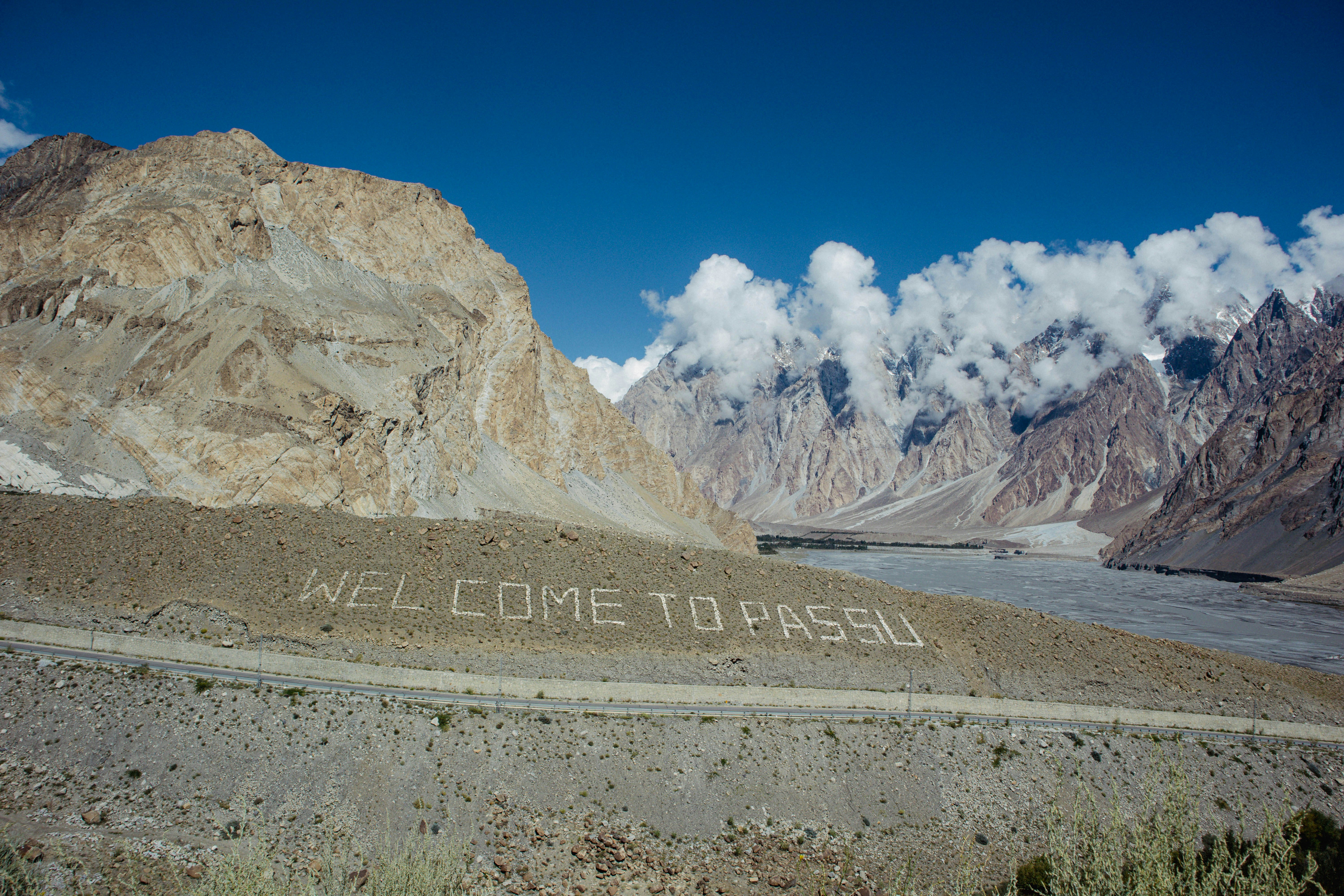
Think of Pakistan as a place where hospitality, religion, and family values shape everyday life. Guests are treated generously, but visitors are expected to be considerate: remove shoes where required, avoid public displays of affection, and ask before photographing people or sensitive sites. Cities like Lahore, Karachi, and Islamabad feel different from remote valleys in Hunza or Swat, yet basic etiquette stays consistent.
A few simple habits go a long way: use your right hand for giving and receiving, dress conservatively (especially in mosques and shrines), and greet elders first. Keeping cash handy for tips, travelling with offline maps, and using an eSIM from Hello for reliable data makes navigation and communication far easier.
In short, Pakistan rewards travellers who move slowly, listen more than they speak, and show curiosity without judgement. If you’re planning your trip, combine cultural awareness with practical prep: download Hello’s app for connectivity and budget tracking, book flexible transport around busy religious holidays, and come ready to enjoy tea, street food, and long conversations.
Greeting Customs and Basic Urdu Phrases for Everyday Interaction
In Pakistan, a polite greeting, a smile, and a few basic Urdu phrases are the easiest way to show respect and build instant rapport with locals. Start with simple, gender-appropriate salutations and you’ll find doors, conversations, and tea invitations open surprisingly quickly.
The most common greeting is “Assalam-o-Alaikum” (peace be upon you), with the response “Wa Alaikum Assalam.” Among friends, you’ll also hear “Salam” or “Hi, how are you?” in English, especially in cities. With elders or formal contacts, adding “Janab” (sir) or “Apa” / “Baji” (respectful terms for older women) softens your tone.
Physical contact is guided by religion and gender norms. Men usually shake hands with men and may hug close friends, but many women prefer a verbal greeting only. As a rule, do not extend your hand to a woman unless she clearly offers hers first. A small nod or right hand over the heart is a respectful alternative.
Here are a few helpful phrases:
- Shukriya – Thank you
- Maher-bani – Thanks / kindness
- Kitna hai? – How much is it?
- Bohat acha hai – This is very good
- Kahan se hain? – Where are you from?
Many Pakistanis speak English, but using Urdu shows effort and earns smiles. Saving these phrases in your Hello app notes or messaging yourself over stable data with a Hello eSIM for Pakistan helps when you’re offline or on the move.
Dress Codes, Religious Sites, and Respectful Appearance in Pakistan
Modest dress is the single most important etiquette rule in Pakistan, especially for women and anyone visiting mosques, shrines, or rural communities. Covering shoulders, legs, and avoiding tight or revealing clothes will make your trip far more comfortable and respectful.
In major cities, you’ll see a mix of Western clothing and traditional outfits. Men commonly wear shalwar kameez (long tunic and loose trousers), jeans, or dress shirts. Women wear shalwar kameez with a dupatta (scarf) or abaya. As a traveller, it’s fine to wear light, loose trousers, long skirts, and long-sleeve tops. Sleeveless shirts, shorts, and low-cut tops can attract unwanted attention and are best avoided outside very private or specific settings.
At religious sites like the Badshahi Mosque in Lahore or Faisal Mosque in Islamabad, you must:
- Cover arms and legs fully
- Remove shoes before entering the prayer area
- Women should bring a scarf to cover hair
- Avoid loud talking and stay clear of people praying
For shrines (dargahs), dress even more conservatively and follow any posted rules. Small donations are common, but tipping inside prayer areas is usually discouraged.
Pakistan’s climate varies, so plan fabrics wisely: summers can hit 35–40°C in cities, while northern areas are cool even in June–August. Lightweight cotton, linen, and a packable scarf are your best friends. Keeping local clothing in your budget—around $10–25 in 2026 for a basic shalwar kameez from a market—is a comfortable way to blend in.
Photography Rules, Privacy, and What Not to Capture in Pakistan
In Pakistan, photography is generally welcomed in tourist areas, but you must be careful around people, religious spaces, and anything that looks remotely official. When in doubt, ask first or skip the shot; a respectful pause avoids awkward or serious problems.
Locals are often happy to be photographed, especially children and shopkeepers, but consent matters. Always ask, ideally with a smile and a simple “Photo theek hai?” (Is a photo okay?). Some women prefer not to be photographed at all, and families may decline. Respect any hesitation—put the camera away without argument.
There are also clear no-photo zones:
- Military sites, police stations, border areas, and checkpoints
- Certain government buildings and infrastructure (bridges, dams, airports)
- Inside prayer areas when people are actively praying
Ignoring these restrictions can lead to questioning or having to delete images. In more conservative neighbourhoods, pulling out a large DSLR can feel intrusive; a phone camera used politely is usually less disruptive.
If you share photos online, avoid captions that stereotype or mock local life. Pakistanis are proud of their culture; misrepresenting poverty, gender norms, or religious practice can be deeply offensive. When photographing children, consider not posting identifiable images without parental consent.
Using cloud backup over stable mobile data helps protect your shots while travelling. An eSIM from Hello lets you upload photos to your preferred cloud service in real time, rather than relying on potentially slow or insecure Wi‑Fi networks.
Pakistan Dos and Don’ts: Everyday Etiquette, Business Culture, and Gift-Giving
The key to Pakistan etiquette is simple: be polite, patient, and modest in your behaviour. Small gestures—like greeting elders first, accepting tea, and using your right hand to give and receive—signal respect and make interactions smoother in both social and business settings.
Here’s a quick comparison of common Pakistan dos and don’ts:
| Situation | Do in Pakistan | Don’t in Pakistan |
|---|---|---|
| Greetings | Say “Assalam-o-Alaikum,” greet elders first | Ignore elders, use overly casual tone |
| Eating | Use right hand, try offered tea/food | Waste food, eat before hosts begin |
| Dress | Wear modest, loose clothing | Wear shorts, tight or revealing outfits |
| Public behaviour | Speak calmly, avoid PDA | Argue loudly, show anger in public |
| Gifts | Offer sweets, small souvenirs | Give alcohol or very expensive gifts |
In business, Pakistan blends formality with hospitality. Meetings often start with tea and small talk about family or travel before work topics. Dress is conservative: men should wear collared shirts and long trousers; women should choose modest outfits with a scarf if appropriate.
Business cards are appreciated, and hierarchy matters—address senior people respectfully and avoid overt confrontation. Decisions may take time, and relationships are key; follow-up messages or calls are normal.
Gift-giving is common in social contexts: bringing chocolates, nuts, or souvenirs from your country when invited home is thoughtful. Avoid alcohol, and be discreet with very pricey items, which can feel uncomfortable. During Eid or weddings, cash envelopes for children or small gold jewellery within your budget are typical.
Use Hello’s expense tracking and splitting to manage shared meals, gifts, and taxi costs; splitting bills in multiple currencies with automatic exchange rates makes group travel smoother.
Local Holidays, Friday Rhythm, and How Pakistan’s Calendar Affects Travel
Pakistan’s religious and national holidays can transform everyday life, affecting opening hours, traffic, and prices—so smart travellers plan around them instead of being surprised on arrival. Expect busier transport, closed offices, and vibrant street life during major events.
Pakistan’s weekend rhythm centers on Friday (Jumma), the main congregational prayer day. Many offices close early, and you’ll see larger crowds at mosques around midday. Restaurants and shops remain open, but plan sightseeing with extra time for traffic and prayer breaks.
Key holidays include:
- Eid-ul-Fitr (after Ramadan): Dates shift yearly; in 2026 it’s expected around late March–early April, based on lunar sightings. Cities see crowded bazaars, family visits, and many offices closed for 2–3 days.
- Eid-ul-Adha: Roughly two months after Eid-ul-Fitr; involves animal sacrifice and extensive family gatherings. Travel can be challenging in urban centers.
- Pakistan Day (23 March) and Independence Day (14 August): Military parades, flags, and events; some roads close temporarily.
According to Pakistan’s tourism authorities, domestic tourism has grown steadily, with millions travelling internally during summer and Eid periods—expect higher demand for buses, trains, and hotels in popular regions like Murree, Naran, and Hunza. In 2024, domestic tourist numbers were reported in the tens of millions, reflecting this surge.
Prices for mid-range hotels can jump 20–30% during peak holiday weeks, with typical city rates around $35–70 per night in 2026. Use Hello’s budget tracking to monitor rising costs during these periods and adjust your daily spending on food, transport, and activities.
Common Questions: Is Pakistan Safe, What Should I Avoid, and How Do I Stay Connected?
Pakistan is generally welcoming to respectful travellers, but you should stay informed, avoid political gatherings, and keep modest dress and behaviour to minimize risk and cultural friction. With basic precautions and reliable connectivity, most visitors find Pakistan safe, friendly, and surprisingly affordable.
Is Pakistan safe to visit for tourists?
Major cities and popular tourist regions like Lahore, Islamabad, and northern valleys are visited by growing numbers of foreign travellers each year. According to various tourism reports, Pakistan has seen a gradual rise in international visitors since the mid-2010s, especially for adventure tourism in Gilgit-Baltistan. As with any destination, follow local news, avoid demonstrations, and listen to your embassy’s guidance.
What should I absolutely avoid doing?
Avoid criticizing religion, making jokes about the military or politics, photographing sensitive sites, or showing anger in public. Public displays of affection, especially between couples, are frowned upon. Dress conservatively and don’t insist on alcohol—many Pakistanis don’t drink for religious reasons.
How do I stay connected and manage my travel budget?
Mobile data is widely available in cities and many rural areas, but buying local SIMs can be bureaucratic for short-term visitors. Using Hello’s eSIM plans for Pakistan lets you arrive connected without paperwork, check routes, translate Urdu phrases, and keep family updated. Pair that with Hello’s expense tracking and AI receipt scanning to keep daily costs—like $2–4 street food meals or $5–12 intercity bus tickets in 2026—organized.
Is tipping necessary?
Tipping isn’t strictly mandatory but is appreciated: round up taxi fares, leave 5–10% in mid-range restaurants, and offer small tips to porters or guides when service is good.
Explore These Destinations
Stay Connected
Make the most of Pakistan
From eSIM connectivity to expense tracking, Hello is the all-in-one companion that keeps your trip stress-free.
Related Articles
Pakistan Safety Guide: Tips for a Safe Trip
Safety tips, health advisories, emergency contacts, common scams, and travel insurance advice for Pakistan.
21 July 2026
Pakistan Visa & Entry Requirements for Singapore Passport Holders
Visa requirements, passport validity, customs allowances, and entry tips for Singapore citizens travelling to Pakistan.
11 July 2026
eSIM for Pakistan: Best Plans, Coverage, and Setup Tips
Everything you need to know about using eSIM in Pakistan. Best data plans, network coverage, and setup instructions.
2 July 2026