Pakistan Safety Guide: Tips for a Safe Trip
Safety tips, health advisories, emergency contacts, common scams, and travel insurance advice for Pakistan.
By Hello Travel Team
TL;DR: Is Pakistan Safe for Travellers?
Pakistan can be visited safely by well-prepared travellers, but it is not a low-risk destination: conditions vary sharply by region, and official advisories currently recommend heightened caution or avoiding several areas. The safest approach is to research your exact route, use reputable transport and accommodation, maintain a low profile, and buy comprehensive insurance before departure. Official advisories identify terrorism, kidnapping, violent crime, and civil unrest as significant risks, especially in Balochistan and much of Khyber-Pakhtunkhwa. Pakistan itineraries focused on Islamabad, Lahore, Hunza, and established trekking routes still require local advice and flexibility. Keep your passport, visa, emergency contacts, medication, and insurance details accessible, and download offline maps before travelling. For reliable arrival connectivity, an eSIM from Hello can provide mobile data for maps, translation, ride coordination, and contacting accommodation without depending on airport Wi-Fi. Hello also offers trip planning, budget tracking, and expense splitting in multiple currencies.
Pakistan Travel Safety by Region: Where to Take Extra Care
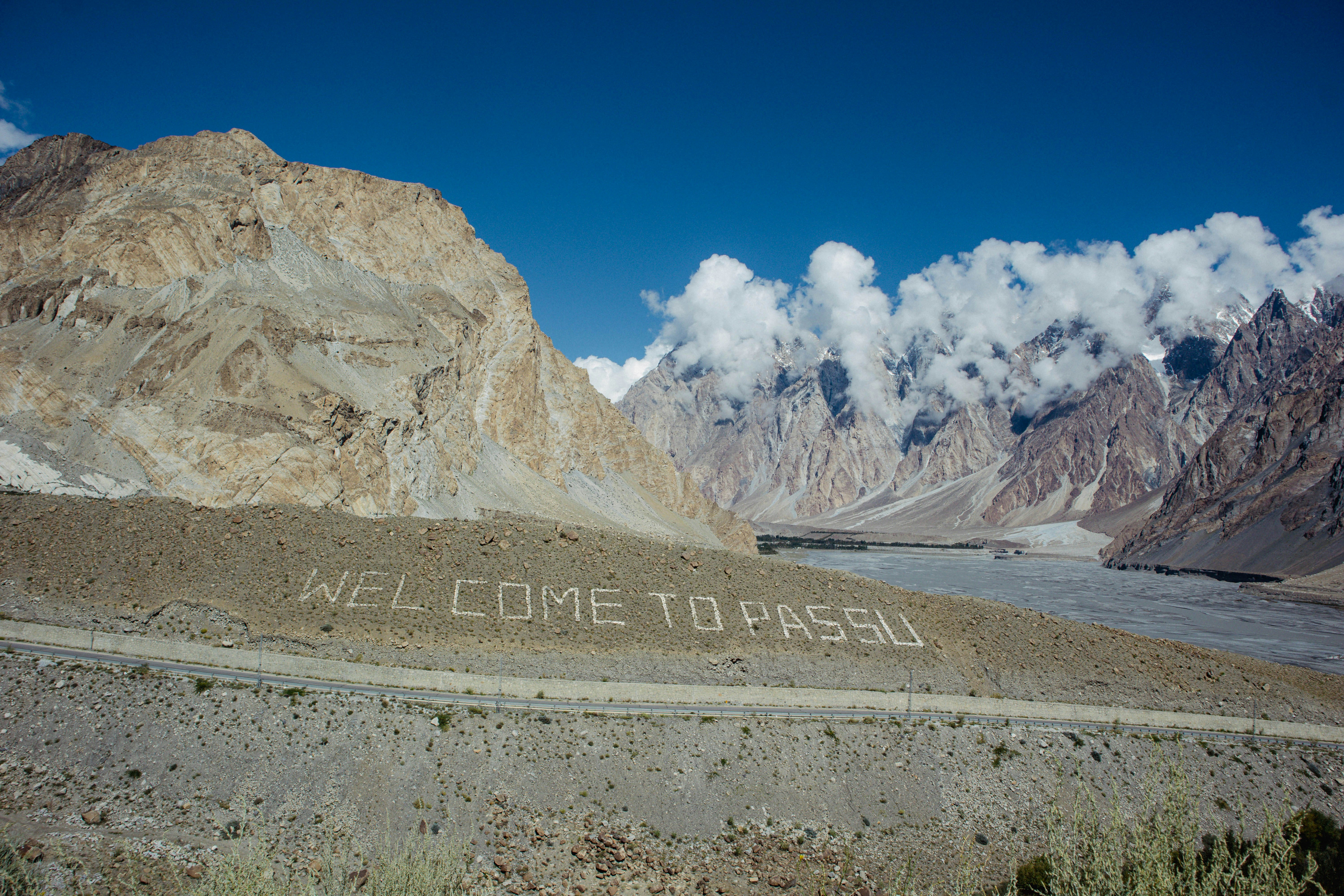
Pakistan travel safety depends more on your route than on the country as a whole: major cities and established tourist areas may be manageable with precautions, while border regions and conflict-affected provinces carry substantially higher risks. Current government advisories warn against travel to Balochistan and most of Khyber-Pakhtunkhwa because of terrorism and kidnapping concerns; they also advise caution in parts of Sindh and along sensitive border areas. Conditions can change quickly after protests, attacks, weather events, or political developments, so check your government’s advisory shortly before departure and every few days during a multi-week trip. In Islamabad, use established hotels, avoid demonstrations, and be especially careful around diplomatic, military, and government sites. In Lahore and Karachi, use prearranged airport transfers or reputable ride services rather than accepting unsolicited offers. For northern trips, confirm road conditions, permits, guide availability, and weather before leaving Islamabad or Gilgit. Avoid photographing checkpoints, airports, bridges, energy infrastructure, or uniformed personnel. A conservative appearance and respectful behaviour around mosques, shrines, and religious gatherings reduce unwanted attention. Build spare days into mountain itineraries because landslides and road closures can interrupt travel.
Pakistan Scams, Street Crime, and Practical Ways to Avoid Them
The most effective way to avoid Pakistan scams is to slow down, verify requests independently, and keep transactions transparent, particularly in markets, transport hubs, and busy visitor areas. Common problems include inflated taxi fares, unofficial guides, fake charity collections, counterfeit or damaged currency, staged requests for help, and strangers claiming that money is urgently needed for a fine, ticket, or official fee. Online romance or investment approaches that eventually request payment are another warning sign. Agree on taxi fares before departure, or use a reputable booked car; confirm hotel prices, driver charges, and guide inclusions in writing. Count change in front of the seller and carry small Pakistani rupee notes for ordinary purchases. Keep your phone and wallet out of sight in crowded bazaars, railway stations, and bus terminals, and use a discreet money belt or separate backup card. Do not hand over your passport except to authorised immigration, hotel, or border staff, and never pay an alleged official through a personal account without verification. If confronted by a minor dispute, prioritise leaving safely rather than arguing. Hello’s AI receipt scanning and multi-currency budget tracking can help record purchases and spot unexplained charges; expense splitting also converts shared costs automatically.
Pakistan Emergency Numbers, Embassies, and Staying Connected
Save Pakistan emergency numbers before travelling, because mobile coverage and response times can vary outside major cities; confirm the correct local service through your hotel or guide if a call does not connect. Commonly published numbers are 15 for police, 1122 for rescue and ambulance services in Punjab and several other areas, and 16 for fire services, although availability and regional coverage differ. Ask your accommodation for the nearest hospital and police station on arrival, and keep a written address in Urdu or English for drivers. Travellers from Singapore should contact the Singapore High Commission in Islamabad for consular assistance; verify its current telephone number, after-hours emergency procedure, and appointment requirements through Singapore’s Ministry of Foreign Affairs before departure, since diplomatic arrangements can change. Consular staff cannot guarantee payment, transport, or release from local law enforcement, so travel insurance remains essential. Download offline maps and store emergency contacts in your phone and luggage. Hello’s eSIM plans support data in Pakistan and can be activated before departure, helping you contact accommodation, use maps, and share your location after landing. Check live pricing and plan allowances before purchase, as availability and costs can change.
Pakistan Health Advisories, Vaccinations, Food, and Water Safety
Protecting your health in Pakistan starts with a travel-clinic appointment at least a month before departure, safe drinking water, and a realistic plan for heat, altitude, food hygiene, and medical access. The CDC recommends being up to date with routine vaccines and discussing hepatitis A, typhoid, polio, and other itinerary-specific protection with a clinician; polio remains a particular concern, and some travellers may need a booster or proof of vaccination. A yellow-fever certificate may be required when arriving from a country with transmission risk. Drink sealed bottled water or properly boiled water, avoid ice of uncertain origin, and use safe water for brushing your teeth. Choose busy restaurants with high turnover, eat food served piping hot, and avoid raw salads, unpeeled fruit, and undercooked meat when hygiene is unclear. Pack oral rehydration salts, sunscreen, insect repellent, hand sanitiser, prescription medicines, and a basic first-aid kit. For trekking in Gilgit-Baltistan or other high areas, ask a clinician about altitude illness and plan gradual acclimatisation. The CDC advises avoiding untreated freshwater and not swallowing water while swimming. Diarrhoeal illness is common, so obtain medical help for blood in stool, persistent vomiting, severe dehydration, or high fever.
Solo Female and LGBTQ+ Traveller Safety in Pakistan
Solo women can travel in Pakistan, but they should expect more scrutiny and possible harassment and should use stronger precautions than they might in many other destinations. Wear loose clothing covering shoulders and knees, carry a scarf for religious sites, and avoid isolated streets after dark. Choose well-reviewed hotels with controlled access, arrange airport transfers in advance, and share your itinerary with someone at home. In crowded transport or markets, sit near families or women where possible; if behaviour becomes intrusive, move toward staff, security, or a busy family area rather than confronting someone alone. Keep copies of your passport and visa separately, and consider a trusted local guide for remote valleys or multi-day treks. LGBTQ+ travellers face serious legal and social risks: same-sex sexual activity is criminalised, and public disclosure of sexual orientation or relationships can expose travellers to discrimination, harassment, detention, or violence. Avoid public displays of affection and exercise careful judgment with dating apps, social media, and new acquaintances. Research local customs for each province, particularly during Ramadan and religious festivals. Travel insurance should include medical evacuation, personal liability, baggage, trip interruption, and coverage that remains valid despite official travel advisories; many policies exclude destinations under “do not travel” warnings, so read the wording before paying.
Common Questions About Pakistan Travel Safety
Pakistan is neither uniformly unsafe nor risk-free: informed travellers can reduce many everyday risks, but terrorism, kidnapping, health, and regional security hazards require serious preparation. Confirm your route and insurance before booking non-refundable arrangements, and reassess conditions during the trip.
Is Pakistan safe for tourists? Safety varies by location and current events. Established routes can be manageable with reputable local support, while Balochistan, most of Khyber-Pakhtunkhwa, some border zones, and areas affected by unrest may be unsuitable. Follow your government’s current advisory rather than relying on general online opinions.
What should I do if I lose my passport? Report the loss to local police, contact your embassy or high commission, and keep a digital and paper copy of your passport, visa, entry stamp, and insurance policy. Do not pay an unofficial intermediary who promises a replacement.
Can I drink tap water in Pakistan? Treat tap water as unsafe unless a trusted accommodation confirms that it has been properly purified. Use sealed bottled or boiled water, including for brushing teeth, and avoid uncertain ice.
What should travel insurance cover? Choose medical treatment and evacuation, trip cancellation or interruption, baggage loss, personal liability, and activities such as trekking if relevant. Check exclusions for terrorism, civil unrest, high-altitude travel, and government travel warnings.
How can I stay connected? Activate Hello eSIM before departure, save offline maps, and carry your hotel address in Urdu and English. Connectivity can still fail in remote mountains, so never rely on mobile data alone.
Explore These Destinations
Stay Connected
Ready for Pakistan?
eSIM data, expense splitting, budget tracking, and more. Everything you need for a smooth trip in one app.
Related Articles
Pakistan Visa & Entry Requirements for Singapore Passport Holders
Visa requirements, passport validity, customs allowances, and entry tips for Singapore citizens travelling to Pakistan.
11 July 2026
eSIM for Pakistan: Best Plans, Coverage, and Setup Tips
Everything you need to know about using eSIM in Pakistan. Best data plans, network coverage, and setup instructions.
2 July 2026
Pakistan in 10 Days: The Ultimate Travel Itinerary
A comprehensive 10-day itinerary for Pakistan covering top attractions, hidden gems, daily costs, and transport between cities.
22 June 2026