Namibia Safety Guide: Tips for a Safe Trip
Safety tips, health advisories, emergency contacts, common scams, and travel insurance advice for Namibia.
By Hello Travel Team
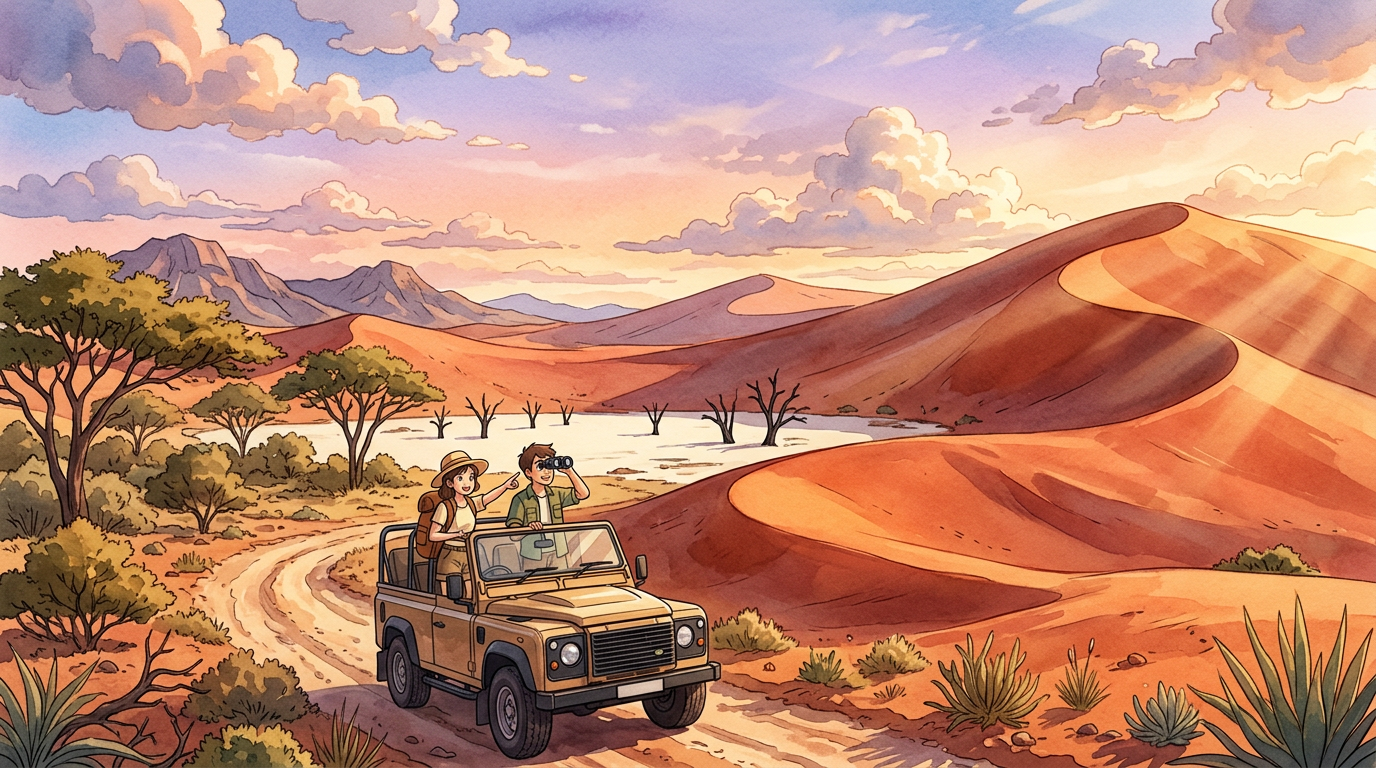
Namibia Safety Guide: Is Namibia Safe for Travellers?
Namibia is generally safe for visitors who use normal urban precautions, drive carefully, and prepare for long distances, limited medical facilities, and remote wilderness areas. Most tourists enjoy trouble-free trips, but theft, vehicle break-ins, road accidents, heat exposure, and delayed emergency assistance are the main risks to plan around.
Namibia travel safety is strongest when you:
- Avoid walking alone after dark, particularly in Windhoek and other cities.
- Keep bags, phones, cameras, and passports out of sight in vehicles.
- Use reputable lodges, tour operators, car-rental companies, and registered taxis.
- Carry water, offline maps, a spare tyre, and a charged phone when driving between destinations.
- Purchase travel insurance covering medical treatment, evacuation, rental-vehicle excess, and adventure activities.
Namibia is sparsely populated, so a minor breakdown near Etosha, Sossusvlei, the Skeleton Coast, or the Caprivi region can become a serious logistical problem. Health facilities and pharmacies are more limited outside Windhoek, according to the U.S. Department of State. Singapore’s Ministry of Foreign Affairs lists police as 10111 and Windhoek ambulance services as 211111, with 10111 used elsewhere. Recheck numbers before departure because local contacts can change.
Namibia Travel Safety by Situation: Cities, Roads, and Wildlife
The safest approach is to treat Namibia as a low-density adventure destination: crime is usually opportunistic, while driving, isolation, and wildlife require the most consistent attention. Visitors should not let generally calm tourist areas create overconfidence around roads, parks, or city nightlife.
| Situation | Main risk | Safer habit |
|---|---|---|
| Windhoek or Swakopmund | Pickpocketing, robbery, vehicle break-ins | Use secure parking and avoid quiet streets after dark |
| Intercity driving | Long distances, animals, fatigue, gravel-road skids | Drive in daylight, reduce speed, and carry water |
| Etosha National Park | Wildlife injury or vehicle trouble | Stay inside the vehicle except in designated areas |
| Sossusvlei and desert areas | Heat, dehydration, getting lost | Follow park guidance and carry more water than expected |
| Nightlife | Drink spiking, theft, unsafe transport | Stay with companions and arrange a trusted ride |
Namibia drives on the left. Gravel roads can be deceptively slippery, and sudden wildlife or livestock crossings are possible, especially near dawn and dusk. Avoid driving after dark where practical. Before collecting a rental car, photograph existing damage, confirm tyre and breakdown coverage, and check whether your route requires a high-clearance or four-wheel-drive vehicle.
In parks, never approach elephants, lions, seals, or other animals for photographs. Follow ranger instructions and respect restricted areas. On the coast, obey warnings about strong surf and cold Atlantic water.
Namibia Scams, Theft, and Practical Ways to Avoid Crime
Namibia scams are usually opportunistic rather than elaborate: travellers most often need to watch for distraction theft, inflated informal fees, card-payment problems, and criminals targeting unattended vehicles. Calmly declining unsolicited help and protecting valuables prevents many incidents.
Common situations include:
- Vehicle smash-and-grabs: Do not leave luggage, camera bags, or shopping visible, even for a short stop. Use guarded parking where available.
- Distraction approaches: One person may create a conversation while another reaches for a phone or bag. Keep valuables zipped and close to your body.
- Unofficial guides or “helpers”: Agree on a price before accepting assistance at markets, transport areas, or attractions, and use licensed operators where possible.
- ATM and card fraud: Choose bank branches or busy indoor locations, inspect the machine, shield your PIN, and monitor account notifications.
- Overcharging or payment disputes: Confirm the currency, total, and whether a quoted price is per person, vehicle, or group before booking.
Do not display large amounts of cash. Carry only what you need for the day and keep copies of your passport separately from the original. If robbed, prioritise personal safety: do not resist, move to a secure place, contact the police, and notify your insurer. Avoid photographing police stations, military facilities, border posts, or sensitive infrastructure without permission.
Namibia Emergency Numbers, Health Advice, and Travel Insurance
Emergency planning matters in Namibia because medical evacuation from remote parks or desert routes can be expensive and slow; comprehensive insurance with evacuation coverage is strongly recommended for independent road trips and outdoor itineraries.
| Service | Number to try | Important note |
|---|---|---|
| Police | 10111 | Namibia-wide police number listed by Singapore’s MFA |
| Ambulance | 211111 | Primarily Windhoek |
| Ambulance elsewhere | 10111 | Ask police or lodge staff to coordinate assistance |
| General emergency | 999 or 112 | Availability can vary; confirm locally |
Save your insurer’s 24-hour assistance number, accommodation contacts, vehicle-rental breakdown line, and route details offline. Choose a policy that covers hospital bills, emergency transport, medical repatriation, cancellation, lost baggage, personal liability, and activities such as hiking, quad biking, sandboarding, and self-drive travel. Check exclusions for alcohol, undeclared medical conditions, and driving on restricted roads.
Health preparation should include a travel-clinic appointment several weeks before departure. Routine vaccinations should be current; hepatitis A and typhoid may be recommended depending on itinerary and medical history. Malaria risk varies by region and season, especially in northern Namibia, so ask a clinician about repellents, bite prevention, and preventive medication. A yellow-fever certificate may be required if arriving from or transiting through a yellow-fever-risk country, according to Singapore’s MFA.
Drink sealed, treated, or reliably filtered water in remote areas, and use sunscreen, a hat, electrolytes, and insect repellent.
Solo Female Traveller and LGBTQ+ Safety in Namibia
Solo women travel independently in Namibia, but the most sensible precautions are avoiding isolated walks after dark, limiting nightlife risks, and sharing daily plans with someone who can raise the alarm if contact is lost.
For solo female travellers:
- Book accommodation with secure gates, reception, and reliable transport advice.
- Ask lodges to arrange transfers instead of accepting unsolicited rides.
- Avoid stopping alone on quiet roads unless there is a genuine emergency.
- Keep fuel above half a tank on remote routes and tell someone your next destination.
- Sit near the driver or other passengers on shared transport and trust your instincts.
- Keep emergency funds and a backup payment card separately.
LGBTQ+ visitors should expect that social attitudes can vary between urban, tourist, and rural settings. Namibia has a visible tourism industry and LGBTQ+ travellers commonly visit, but discretion and situational awareness remain sensible, particularly around public displays of affection and conservative communities. Confirm current legal and social guidance before departure, and choose accommodation with inclusive reviews or clear policies.
Respect local customs: ask before photographing people, dress modestly when visiting communities, and do not assume that friendly conversation means permission to enter private or traditional spaces. A professional guide can make cultural visits safer, more respectful, and more rewarding.
Common Questions About Namibia Travel Safety
Most travellers can visit Namibia safely if they plan for distance, drive conservatively, protect valuables, and carry insurance that covers evacuation; the country’s biggest practical risks are road incidents, remoteness, heat, and opportunistic urban crime.
Is Namibia safe for first-time visitors? Yes, particularly for travellers using established lodges and tour operators. Self-driving is manageable, but remote routes require route planning, spare-tyre knowledge, fuel management, offline navigation, and emergency supplies.
Is Namibia safe for solo travel? It can be, although solo driving increases the consequences of breakdowns and fatigue. Share an itinerary, avoid night driving, and consider guided excursions for remote areas.
What are Namibia’s emergency numbers? Try police 10111. In Windhoek, ambulance is listed as 211111; Singapore’s MFA also advises using 10111 for ambulance services elsewhere. General numbers such as 999 or 112 may work, but connectivity and response can vary.
Can tourists drink tap water in Namibia? Water quality varies by location. Treated municipal water may be acceptable in some cities, but use bottled, filtered, or reliably treated water in rural and remote areas.
How can travellers stay connected? Buy and activate an eSIM from Hello before departure so maps, accommodation messages, translation tools, and emergency calls can work as soon as you arrive. Hello also supports trip planning, budget tracking, receipt scanning, and multi-currency expense splitting, useful when travelling with friends.
A Safer Namibia Itinerary: Preparation Checklist Before You Go
A safe Namibia trip starts before landing: prepare communications, documents, transport, health supplies, and realistic driving days rather than relying on mobile coverage or last-minute assistance in remote regions.
Use this checklist:
- Save passport, insurance, visa, booking, and emergency-contact copies in secure cloud storage and offline on your phone.
- Register your trip with Singapore’s MFA and note the nearest diplomatic support available for your circumstances; Singapore does not maintain a resident embassy in Namibia, so consular assistance may involve its accredited mission or another designated post.
- Download offline maps and accommodation directions, and share your route with a trusted contact.
- Confirm vehicle insurance, tyre coverage, roadside assistance, and restrictions on gravel, sand, or border crossings.
- Pack a first-aid kit, prescription medicines, oral rehydration salts, high-SPF sunscreen, insect repellent, torch, power bank, water, and a paper map.
- Build buffer time into transfers: a scenic route can take much longer than its distance suggests.
- Keep a small amount of Namibian dollars or South African rand for locations that do not accept cards, while avoiding visible cash handling.
For a group trip, Hello’s expense-splitting and budget-tracking tools can record shared fuel, accommodation, park fees, and activities in multiple currencies. That makes it easier to settle costs without carrying excess cash. Recheck health rules, emergency contacts, weather, and border requirements shortly before departure because official guidance can change.
Explore These Destinations
Ready for Namibia?
eSIM data, expense splitting, budget tracking, and more. Everything you need for a smooth trip in one app.
Related Articles
Namibia Visa & Entry Requirements for Singapore Passport Holders
Visa requirements, passport validity, customs allowances, and entry tips for Singapore citizens travelling to Namibia.
11 July 2026
eSIM for Namibia: Best Plans, Coverage, and Setup Tips
Everything you need to know about using eSIM in Namibia. Best data plans, network coverage, and setup instructions.
2 July 2026
Namibia in 10 Days: The Ultimate Travel Itinerary
A comprehensive 10-day itinerary for Namibia covering top attractions, hidden gems, daily costs, and transport between cities.
22 June 2026