Mayotte Cultural Guide: Etiquette, Customs, and Tips
Essential do's and don'ts, greeting customs, dress codes, local phrases, and cultural tips for Mayotte.
By Hello Travel Team
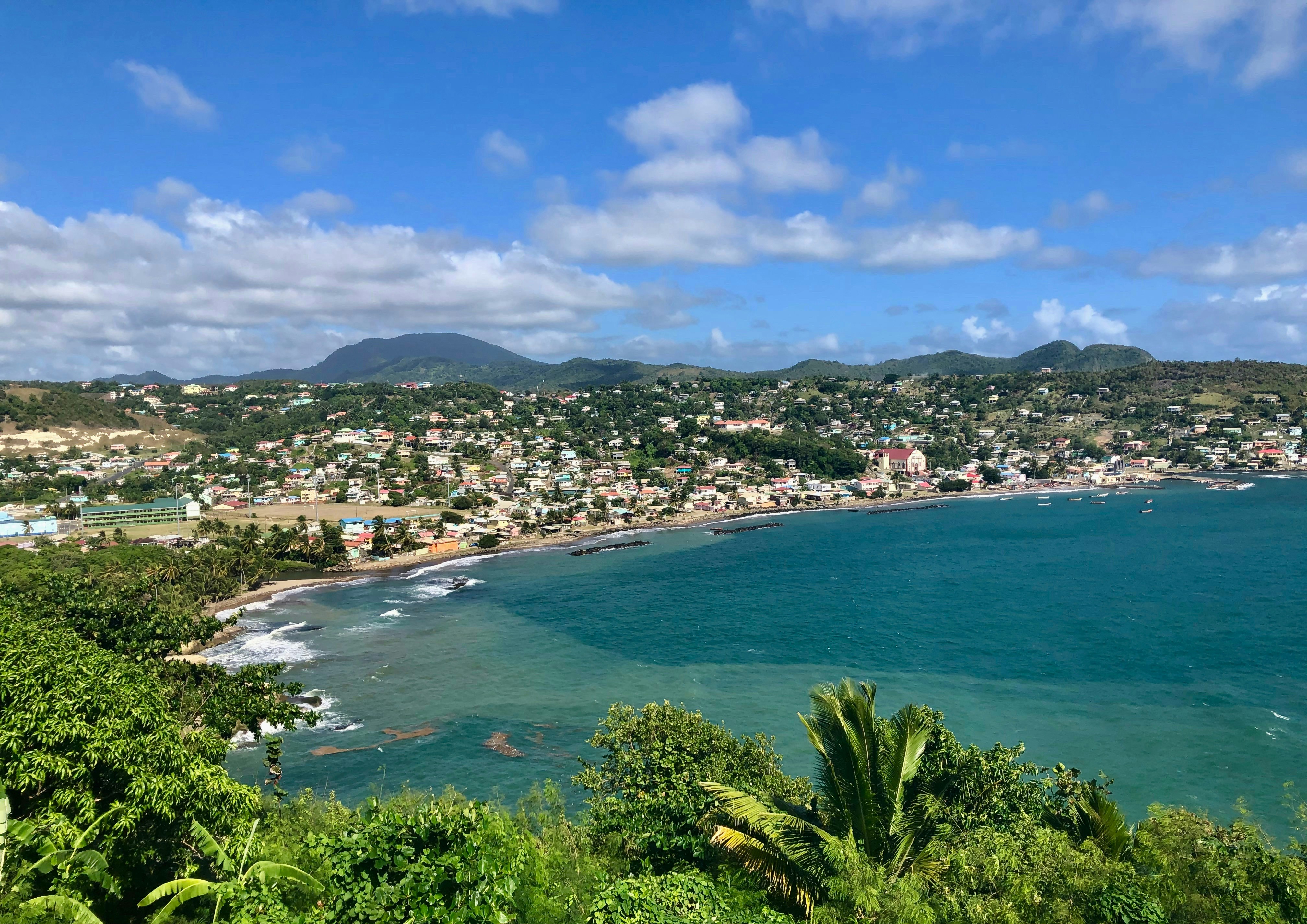
TL;DR: Essential Mayotte Dos and Don’ts for Respectful Travel
To travel respectfully in Mayotte, greet people politely, dress modestly (especially in villages and near mosques), ask before taking photos, and avoid alcohol or beachwear in conservative areas. A few French or Shimaore phrases and awareness of Islamic customs will take you a long way.
Mayotte is a majority Muslim island department of France in the Indian Ocean, so everyday life blends French administration with Comorian and Swahili coastal culture, plus Islamic traditions. Around 75–80% of residents are Muslim according to French demographic studies, and this shapes norms around dress, greetings, and social spaces.
For travellers, the key is modest clothing, polite greetings, and asking before photographing people or religious sites. In coastal towns like Mamoudzou and Dzaoudzi you’ll see a mix of styles, but in rural villages and on Petite-Terre, local women often wear colourful salouvas (wrap dresses) and headscarves, and visitors are expected to cover shoulders and knees.
Plan ahead for connectivity and logistics: public transport is limited, card payments may be patchy outside main towns, and reliable data will help you navigate ferries, markets, and small guesthouses. Using an eSIM from Hello means you arrive already connected, so you can look up ferry times or prayer schedules, translate signs, and message hosts without hunting for a SIM shop.
If you remember one rule, make it this: when in doubt, follow local dress and greeting customs, especially on Fridays and during Ramadan, and you’ll be warmly welcomed.
Understanding Mayotte Culture: Island Identity, Religion, and Daily Life
Mayotte’s culture is a blend of French administration, Muslim-majority island traditions, and East African influences, so expect modern services alongside conservative social norms, village life, and a strong sense of community and family.
Mayotte became a French department in 2011, and as of 2024 it counts over 310,000 residents according to France’s national statistics office (INSEE). You’ll notice French law, schools, and signage everywhere, yet daily life feels closer to nearby Comoros and Madagascar than to mainland France. Many Mahorais speak French, Shimaore (a Swahili-derived language), and Kibushi (a Malagasy dialect), and switching between languages in conversation is common.
Islam is central to Mayotte culture. You’ll find mosques in almost every village, and Friday prayers, Ramadan fasting, and Eid celebrations shape rhythms of work, markets, and social gatherings. Restaurants may adjust hours during Ramadan, and you’ll see more people at home or at the mosque around prayer times.
Family and village ties are strong, and elders command respect. It’s normal for several generations to share a compound, and social life happens in courtyards, markets, and at beach gatherings on weekends. As a visitor, being patient, greeting elders first, and avoiding loud or boisterous behaviour in residential areas shows you understand Mayotte etiquette.
For planning purposes, know that shops in Mamoudzou usually open from around 9:00–18:00 on weekdays in 2026, though village stalls follow more flexible, informal hours—another reflection of Mayotte’s community-first culture.
Mayotte Etiquette: Greetings, Basic Phrases, and Everyday Dos and Don’ts
Respectful Mayotte etiquette centres on warm but polite greetings, modest behaviour, and knowing a few French and Shimaore phrases to show appreciation for local culture.
In Mayotte, greetings are essential. When entering a small shop, guesthouse, or village courtyard, start with a polite “Bonjour” in French or “Salaam aleikum” (peace be upon you) in Shimaore. Elders are often greeted first, with a gentle handshake if offered; some women may prefer to avoid physical contact with unfamiliar men, so let the other person lead.
Useful phrases include:
- French: “Bonjour” (hello), “Merci beaucoup” (thank you very much), “S’il vous plaît” (please)
- Shimaore: “M’bweni?” (How are you?), “Asante” (thank you), “Ndaho” (I’m fine)
Mayotte dos and don’ts:
- Do greet people when entering small businesses or transport.
- Do remove shoes if you’re invited into someone’s home and see shoes left at the door.
- Do keep voices low in residential areas, especially evenings and prayer times.
- Don’t show public affection (kissing, hugging) in villages or near mosques.
- Don’t drink alcohol openly in conservative neighbourhoods.
Table: Everyday Etiquette in Mayotte
| Situation | Recommended Behaviour |
|---|---|
| Entering a shop | Say “Bonjour” and nod or smile |
| Meeting an elder | Greet first, handshake only if offered |
| Invited to a home | Remove shoes if others do |
| Passing a mosque | Lower voice, avoid smoking nearby |
Using these Mayotte customs shows sincere respect and often leads to warmer, more open interactions with locals.
Dress Codes and Photography Rules in Mayotte (Especially Near Mosques)
In Mayotte, modest dress and careful photography are crucial signs of respect, especially in villages, near mosques, and at religious gatherings.
Because Mayotte is predominantly Muslim, modest clothing is expected in most public spaces outside tourist beaches. In towns like Mamoudzou, you’ll see a mix of Western clothing and traditional salouvas, but even there, covering shoulders and knees is best practice. Swimwear belongs on the beach; walking through markets in bikinis or shirtless is considered disrespectful.
For religious sites and mosques:
- Wear loose, non-transparent clothing.
- Women should cover shoulders, chest, and legs; a scarf for hair is appreciated.
- Men should avoid shorts above the knee and sleeveless tops.
Photography requires extra care. Always ask before photographing people—especially women, elders, and children. Many Mahorais are uncomfortable being photographed without consent. Avoid taking pictures of worshippers during prayer and never photograph inside mosques without explicit permission from the imam or community leaders.
Some government buildings, ports, and security checkpoints may restrict photography; when in doubt, ask a guard or staff member. Fines or questioning are possible if authorities believe you’re recording sensitive sites, even unintentionally.
A practical approach is to focus photos on landscapes, street scenes without identifiable faces, and overall market atmospheres. If you want a portrait, ask first and show the photo afterward—this small gesture often turns a wary encounter into a friendly moment and reflects good Mayotte etiquette.
Business Etiquette, Money Matters, and Staying Connected in Mayotte
Business in Mayotte mixes French formalities with island informality, so punctuality, polite greetings, and modest dress are key, while personal relationships and flexibility also matter.
For meetings with local officials, hotel owners, or tour operators, dress smart-casual: long trousers or a knee-length skirt, closed shoes, and a neat shirt. Opening with “Bonjour” and a handshake is standard in more formal settings. Titles like “Monsieur” and “Madame” are used widely, reflecting French business etiquette.
Punctuality is valued for official appointments, but transport and informal arrangements can run on “island time.” The main ferry between Petite-Terre and Grande-Terre carries thousands of passengers daily according to regional transport figures, but weather and demand can cause delays, so build buffer time into schedules.
Cash is still important. As of 2026, expect to pay around €10–15 for a simple restaurant meal and €3–5 for street snacks or market lunches; smaller stalls may not accept cards. Taxis are often negotiable, with short urban rides from about €5–8 in 2026, depending on distance and time of day.
Reliable mobile data helps you check ferry timetables, translate French and Shimaore phrases, and track expenses. Using Hello’s eSIM plans for Mayotte via Hello eSIM for Mayotte lets you arrive already connected, then use the Hello app’s budget tracking and AI-powered expense scanning to manage euros and any cash withdrawals without juggling paper receipts.
Local Holidays, Religious Observances, and Gift-Giving Customs in Mayotte
Mayotte’s holidays blend French national dates with Islamic festivities, so travellers should plan around Ramadan, Eid, and French public holidays, and bring small, thoughtful gifts when visiting homes.
As an overseas department, Mayotte observes French public holidays such as Bastille Day (14 July), Labour Day (1 May), and Armistice Day (11 November). Many government offices and banks close on these dates, and some shops in Mamoudzou may operate reduced hours. According to French public holiday calendars for 2026, most of these fall on weekdays, impacting administrative errands and some transport services.
Islamic observances are equally important. Ramadan shifts each year; in 2026 it is expected to fall roughly between late February and late March based on regional Islamic calendars. During this period, many Muslims fast from dawn to sunset. Out of respect, avoid eating and drinking openly in front of fasting locals in conservative areas, and expect some restaurants to open only in the evening.
Eid al-Fitr and Eid al-Adha are major family celebrations. Shops may close or operate limited hours, and inter-island travel can be busy. For travellers, these are beautiful times to observe community life—just remember modest dress and low-key behaviour.
Gift-giving is simple but meaningful. If invited to a home, bring:
- Sweets, pastries, or fruit from a local market
- A small box of good-quality tea or coffee
Avoid alcohol as a gift unless you know the family drinks. Present gifts with two hands and a warm “Merci beaucoup,” and don’t be surprised if they are put aside to be shared later with the whole family.
Common Questions About Mayotte Culture, Etiquette, and Dos and Don’ts
Most travellers’ questions about Mayotte culture revolve around safety, dress codes, greetings, and how to behave respectfully in a Muslim-majority French island setting.
Is Mayotte safe for travellers?
Mayotte has areas of socio-economic tension, but most visitors who stay aware, avoid poorly lit areas at night, and follow local advice have smooth trips. According to recent French government reports, petty theft and occasional protests exist, yet tourist zones and ferry routes remain generally safe with normal precautions.
What should I wear in Mayotte?
Wear modest, breathable clothing. In towns, knee-length shorts and short-sleeve shirts are usually fine; in villages and near mosques, opt for long trousers or skirts and covered shoulders. Swimwear is best kept to the beach or hotel pool.
Can I drink alcohol in Mayotte?
Alcohol is available in some restaurants, bars, and supermarkets, particularly those catering to French residents, but avoid drinking or carrying alcohol through conservative neighbourhoods, and never bring it as a gift to Muslim households.
How do I greet people?
A friendly “Bonjour” works almost everywhere. With older or more traditional residents, “Salaam aleikum” can be appreciated. Wait to see if a handshake is offered; some women may prefer a nod or verbal greeting only.
How can I manage costs and connectivity?
Prices in 2026 are moderate compared with mainland France—budget €30–50 per day for food and local transport. Using a Hello eSIM and the Hello app’s expense splitting and budget tracking helps you keep an eye on spending, especially when travelling with friends.
Explore These Destinations
Stay Connected
Make the most of Mayotte
From eSIM connectivity to expense tracking, Hello is the all-in-one companion that keeps your trip stress-free.
Related Articles
Mayotte Currency & Money Guide: Exchange, Cards, and Tips
Currency exchange, credit card acceptance, ATM tips, tipping culture, and money-saving advice for Mayotte.
28 July 2026
Mayotte Safety Guide: Tips for a Safe Trip
Safety tips, health advisories, emergency contacts, common scams, and travel insurance advice for Mayotte.
20 July 2026
Mayotte Visa & Entry Requirements for Singapore Passport Holders
Visa requirements, passport validity, customs allowances, and entry tips for Singapore citizens travelling to Mayotte.
11 July 2026