Liberia Cultural Guide: Etiquette, Customs, and Tips
Essential do's and don'ts, greeting customs, dress codes, local phrases, and cultural tips for Liberia.
By Hello Travel Team
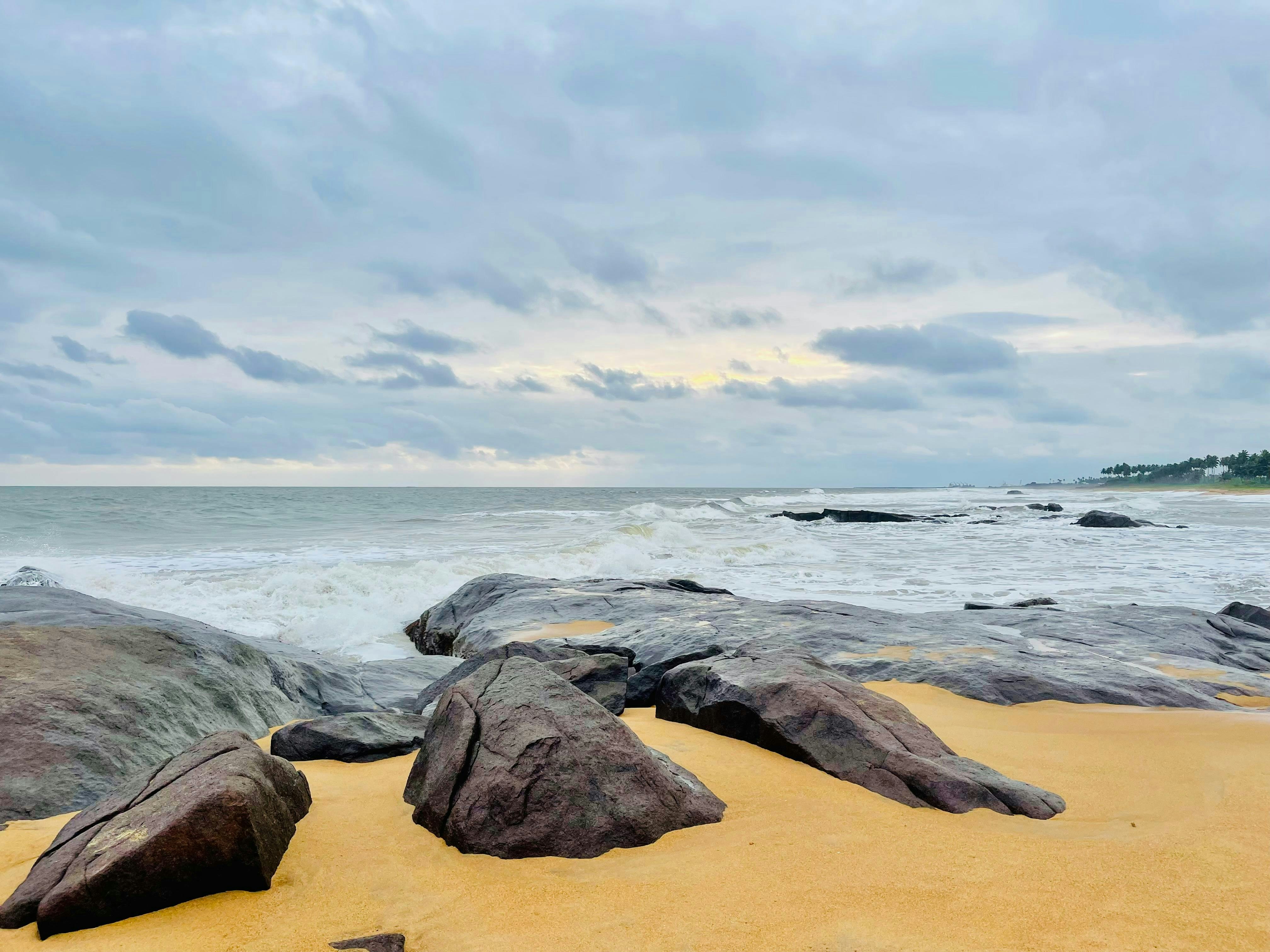
TL;DR: Liberia Cultural Guide, Etiquette, and Dos and Don’ts
Liberia’s culture blends West African traditions with Americo-Liberian history, so polite greetings, modest dress, and respect for elders go a long way; travelers should avoid loud criticism, ask permission before photos, and plan around major holidays when services may close or slow down.
If you remember three things about Liberia etiquette—greet people properly, dress modestly, and be patient with time—you’ll already be ahead of most visitors. Shaking hands, using titles like “Mr.” or “Madam,” and showing respect to older people are deeply valued in everyday interactions. Public criticism or raising your voice is frowned upon, especially in villages or family settings.
Most locals speak English, but learning a few phrases in Liberian English or local languages (like Kpelle or Bassa) is a huge icebreaker. Urban areas like Monrovia are relatively relaxed, but rural communities tend to be more conservative, especially around churches and mosques, where covering shoulders and knees is expected.
Internet and mobile coverage can be patchy outside major towns, so having an eSIM from Hello helps you stay connected, navigate, and translate phrases even in more remote areas. Budget-wise, a simple local meal can cost around $3–5 in 2026, while mid-range restaurant dinners in Monrovia are closer to $15–25 per person.
Think of Liberia customs as warm but structured: hospitality is strong, time is flexible, and relationships often matter more than strict schedules. With a bit of cultural awareness and some basic phrases, you’ll find Liberians welcoming, curious, and proud to share their country’s story with respectful visitors.
Greeting Customs, Respect for Elders, and Local Phrases in Liberia
Liberian greeting etiquette centers on handshakes, titles, and respect for elders, so always greet with a smile, a firm but not aggressive handshake, and “Good morning/afternoon” before launching into your request or conversation.
In Liberia, greetings are more than a formality—they’re a sign you respect the relationship. Start with “Good morning” or “Good afternoon,” followed by “sir,” “ma’am,” or “aunty/uncle” (commonly used for older people even if not related). It’s polite to ask “How you doing?” or “How your family?” before getting to business or questions.
You’ll hear a lot of Liberian English, which has its own rhythm and expressions. A few helpful phrases:
- “Small-small” – slowly or little by little
- “No wahala” – no problem / it’s okay
- “Thank you ya” – thank you (friendly)
- “I beg you” – please (when making a request)
Basic respect rules: don’t interrupt elders, don’t call older people by their first name alone, and avoid openly contradicting someone in front of others. If you disagree, soften it: “I understand, but maybe…” or “Let’s see how we can do it.”
English is the official language, but more than 20 indigenous languages are spoken across the country, according to Liberia’s Ministry of Information. In rural areas, learning how to say “thank you” in the local language is appreciated, even if your accent isn’t perfect.
If you’re shy with languages, use Hello’s trip-planning and notes features to save key phrases, then access them offline while you’re out exploring markets, taxis, and village communities.
Dress Codes, Religious Sites, and Everyday Clothing in Liberia
Liberia dress etiquette is generally modest, especially in rural areas and religious spaces, so keep shoulders and knees covered, avoid overly tight or revealing outfits, and opt for breathable fabrics that respect both the heat and local norms.
In Monrovia and larger towns, you’ll see everything from Western-style jeans and t-shirts to colorful traditional wax-print dresses. Still, travelers are expected to dress modestly in public: no sheer tops, very short shorts, or low-cut outfits, particularly when visiting government offices, community meetings, or churches.
Religious sites—churches and mosques—require extra care:
- Churches: Smart-casual clothing is best. Women often wear knee-length or longer skirts or dresses, and men usually avoid sleeveless shirts.
- Mosques: Cover shoulders, chest, and legs fully. Women may be asked to cover their hair with a scarf. Always remove shoes before entering prayer areas.
Temperatures in Monrovia typically sit around 27–30°C (80–86°F) year-round, according to Liberia Meteorological data, so light cotton, linen, and moisture-wicking fabrics are far more comfortable than heavy synthetics. Local tailors can stitch custom outfits from vibrant Liberian fabrics for around $20–40 in 2026, depending on complexity.
Beach areas like ELWA or CeCe Beach are more relaxed; swimwear is fine on the sand, but cover up when leaving the beach. When in doubt, mirror what local families are wearing—if most people are in long skirts or trousers, follow suit.
Use Hello’s expense tracking to log clothing or tailoring costs during your trip; AI receipt scanning makes it easier to remember what you paid, even when prices are in Liberian dollars.
Photography Rules, Privacy, and When to Ask Permission in Liberia
Photography etiquette in Liberia centers on consent and context, so always ask before photographing people, avoid sensitive sites like government buildings or checkpoints, and respect local discomfort around cameras in rural communities.
While Liberia is visually rich—colorful markets, red dirt roads, and Atlantic coast beaches—it’s important to treat photography as a privilege, not a right. Many Liberians are cautious about being photographed, partly due to privacy concerns and past negative experiences with foreign media.
General photography guidelines:
- Ask permission before photographing individuals or small groups; a friendly “Can I take your picture?” goes a long way.
- In markets, ask stall owners first, and buy something if you’re doing lots of photos—it shows goodwill.
- Avoid photographing military personnel, police, border posts, and certain government buildings, which may be restricted.
Some cultural ceremonies, especially in rural areas or among secret societies, can be sensitive; photographing these without explicit permission can be deeply disrespectful and sometimes dangerous. If a community leader or elder says “no photos,” put your camera away.
For children, always ask a parent or guardian. Even if kids are excited to be photographed, adults may have concerns about where images will end up.
To stay on the safe side, use your phone discreetly rather than pointing large cameras in close quarters, and show people their photo afterward—it often creates a positive, shared moment.
Hello’s trip-planning tools can help you pin locations where photography is welcome, and with a Hello eSIM for Liberia, you can back up photos to the cloud as you go, reducing the risk of losing precious memories to a damaged or lost device.
Business Etiquette, Meetings, and Working with Liberian Partners
Liberian business etiquette values personal relationships, respectful titles, and patience with flexible time, so build rapport before diving into contracts, use formal greetings, and expect meetings to start later than scheduled.
In business settings, appearance and manners matter. Smart-casual or business-casual dress is typical: collared shirts and trousers for men, dresses or blouses with skirts/trousers for women. Always open with a handshake, eye contact, and “Good morning/afternoon, sir/ma’am,” followed by the person’s title or last name.
Time is often more fluid than in North America or Europe. A 10:00 a.m. meeting may begin closer to 10:30, especially if traffic is heavy or the rainy season affects movement. According to the World Bank, Monrovia’s urban congestion is a known challenge, so it’s wise to confirm appointments the day before and again on the morning.
Key business customs:
- Start with small talk about family, health, or local news before moving to agenda items.
- Avoid confrontational language; frame disagreements as collaborative problem-solving.
- Don’t rush; relationship-building can be as important as the deal itself.
Gift-giving in business is modest: branded pens, notebooks, or small items from your home country are acceptable. Lavish gifts can be misinterpreted, especially around officials.
Mobile connectivity is crucial for coordinating meetings, sending documents, and using maps to navigate Monrovia’s busy streets. An eSIM from Hello lets you arrive with data already active, so you can call drivers, share your live location, and email materials without hunting for local SIM kiosks.
Use Hello’s expense splitting features if you’re traveling with colleagues; shared taxi fares, lunches (often $10–20 per person in 2026 at mid-range restaurants), and hotel bills can be divided automatically with multi-currency support.
Local Holidays, Gift-Giving Customs, and Practical Liberia Dos and Don’ts
Liberian holidays and gift customs emphasize community and modest generosity, so plan travel around major dates like Independence Day and Christmas, and offer simple, thoughtful gifts rather than expensive items when visiting homes or partners.
Liberia’s key national holidays include:
- Independence Day – July 26, often marked with parades, speeches, and family gatherings.
- Flag Day – August 24.
- Christmas – December 25, widely celebrated with church services and community events.
- New Year’s Day – January 1.
During these times, government offices may close and transport can be crowded, though celebrations are lively and welcoming. According to regional tourism reports, July and December see a noticeable uptick in domestic travel as families move between Monrovia and home villages.
Gift-giving is straightforward but meaningful. When invited to a home, bring:
- Small food items (cookies, fruit, soft drinks)
- Practical household goods (tea, towels, notebooks)
Avoid overly lavish gifts, and present items with your right hand (or both hands), accompanied by a brief expression of thanks. Cash gifts to children should be modest; place them discreetly in an envelope if possible.
A simple Liberia dos and don’ts table can help:
| Liberia Dos | Liberia Don’ts |
|---|---|
| Greet elders with respect and titles | Raise your voice or show anger in public |
| Ask before taking photos of people | Photograph military or sensitive sites |
| Dress modestly in communities and churches | Wear revealing clothing in rural areas |
| Be patient with flexible time | Demand strict punctuality or rush meetings |
Keep track of holiday surcharges on hotels or transport (prices can rise 10–20% around Independence Day, per local operators) using Hello’s budget tracking and multi-currency expense tools.
Common Questions About Liberia Culture, Etiquette, and Travel
Liberia culture is warm, communal, and respectful, so if you greet politely, dress modestly, and stay patient with flexible schedules, you’ll navigate most social situations comfortably as a visitor.
Q: Is Liberia safe for tourists culturally—will I offend people easily? A: Most Liberians are welcoming and used to visitors, but cultural missteps can happen. Avoid loud arguments, don’t take photos without asking, and treat elders and community leaders with visible respect. If unsure, politely ask, “Is this okay?” before proceeding.
Q: What are the biggest Liberia dos and don’ts? A: Do greet everyone when entering a room, dress modestly, and show interest in local history. Don’t mock accents, don’t joke about the civil wars, and don’t flaunt wealth. Humility and friendliness make a much better impression than flashiness.
Q: How much should I budget for daily costs in Liberia? A: In 2026, a budget traveler might spend $25–40 per day (simple guesthouse, street food, shared taxis), while mid-range travelers average $60–100 (better hotels, restaurant meals). According to regional price surveys, Monrovia is more expensive than rural towns.
Q: Do I need to learn a local language? A: English will carry you far, but Liberian English and local phrases earn smiles. Simple lines like “Thank you ya” and “Small-small” show respect and curiosity.
Q: How do I stay connected and manage trip costs? A: With Hello’s eSIM connectivity and expense tools, you can arrive with data active, split shared taxi fares in multiple currencies, and track every meal and hotel night automatically, simplifying both navigation and budgeting on your Liberia trip.
For more on travel logistics and connectivity, check the Liberia destination page and pair it with a Hello eSIM for Liberia so you land ready to message hosts, use maps, and translate on the go.
Explore These Destinations
Stay Connected
🇱🇷 eSIM Plans for Liberia
Make the most of Liberia
From eSIM connectivity to expense tracking, Hello is the all-in-one companion that keeps your trip stress-free.
Related Articles
Liberia Currency & Money Guide: Exchange, Cards, and Tips
Currency exchange, credit card acceptance, ATM tips, tipping culture, and money-saving advice for Liberia.
28 July 2026
Liberia Safety Guide: Tips for a Safe Trip
Safety tips, health advisories, emergency contacts, common scams, and travel insurance advice for Liberia.
19 July 2026
Liberia Visa & Entry Requirements for Singapore Passport Holders
Visa requirements, passport validity, customs allowances, and entry tips for Singapore citizens travelling to Liberia.
10 July 2026