Liberia Safety Guide: Tips for a Safe Trip
Safety tips, health advisories, emergency contacts, common scams, and travel insurance advice for Liberia.
By Hello Travel Team
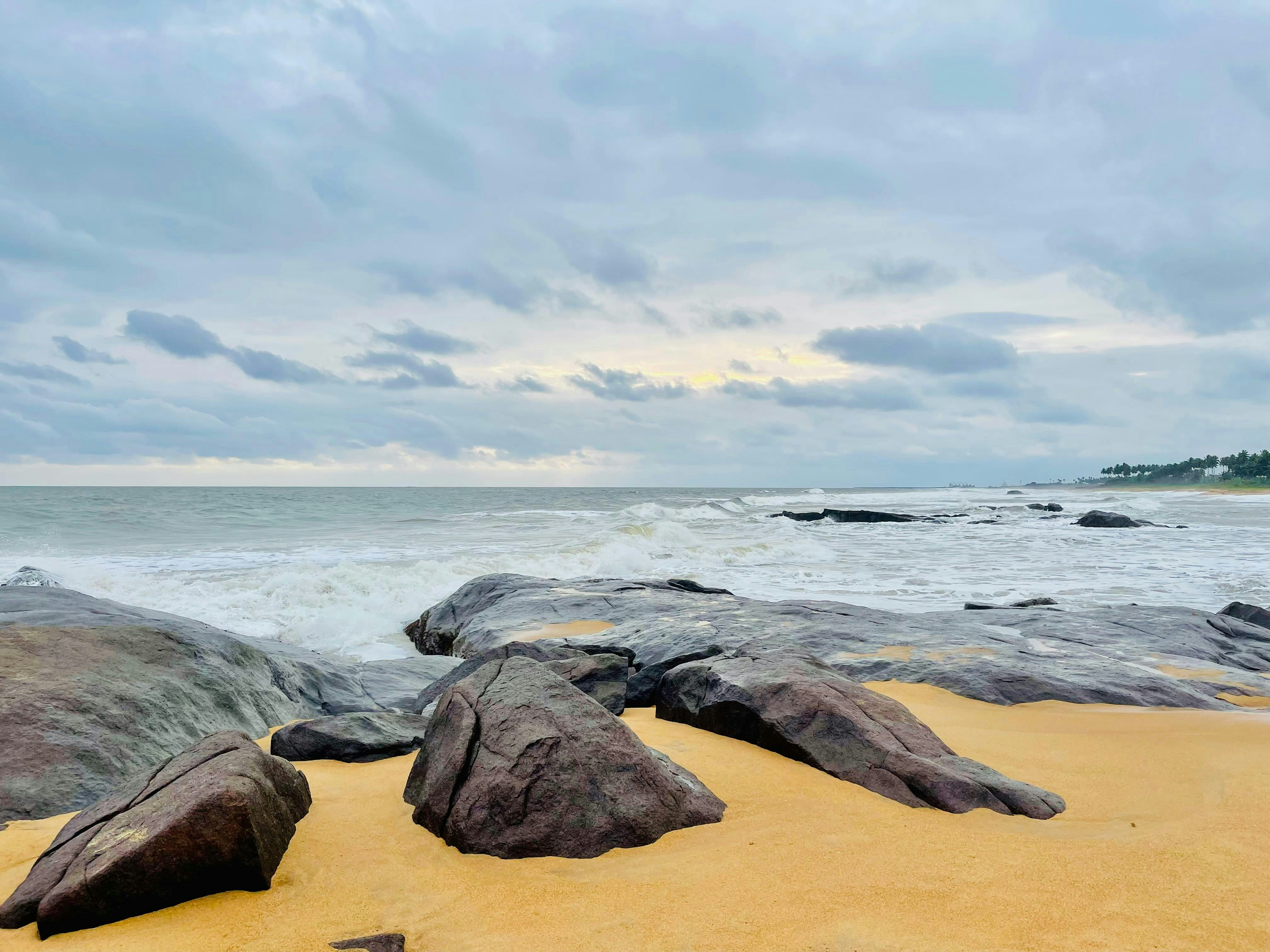
Liberia Safety Guide TL;DR: Is Liberia Safe for Travellers?
Liberia can be visited safely with careful planning, but it is not a low-risk destination: travellers should expect increased caution because of crime, demonstrations, limited emergency response, and weak healthcare infrastructure. The safest approach is to use reputable local transport, avoid walking after dark, keep valuables discreet, and arrange comprehensive travel insurance before departure. Official travel advice highlights armed robbery in urban areas, crowded markets, and public beaches, while recommending daylight travel outside Monrovia. Liberia’s main emergency number is 911 for police, ambulance, and fire, although response may be slow. Carry a working phone, your accommodation’s contact details, and enough money for private medical transport. An eSIM from Hello can provide mobile data on arrival for maps, hotel communication, ride coordination, and emergency calls where network coverage is available.
Liberia Travel Safety: Main Risks and Practical Precautions
Liberia travel safety is manageable when visitors plan around the country’s most predictable risks: petty theft, armed robbery, road accidents, demonstrations, and limited services outside Monrovia. Several government advisories recommend increased caution, and the U.S. advisory notes that violent crime occurs in urban areas, crowded markets, and public beaches. Avoid displaying smartphones, jewellery, or large amounts of cash, particularly around central Monrovia, West Point, markets, beaches, and transport hubs. Use a trusted hotel driver or prearranged taxi rather than accepting unsolicited rides. Travel between cities during daylight and allow extra time for poor road conditions, especially during the rainy season. Do not photograph police facilities, military sites, government buildings, ports, or demonstrations. If a protest develops, leave the area calmly instead of watching or filming. Keep your passport securely stored and carry a photocopy or encrypted digital copy. Split cash between a secure wallet and hotel safe, and use a discreet day bag that closes fully. The country’s practical safety challenge is often not a single incident but the difficulty of obtaining quick, professional assistance afterward.
Liberia Scams, Transport, and Everyday Security Tips
The best way to avoid Liberia scams is to agree on prices before accepting transport or services, keep transactions visible, and decline pressure politely but firmly. Common problems can include inflated taxi fares, unofficial guides, distraction theft in busy places, counterfeit or poor-quality currency, and requests for “fees” from people claiming to represent an authority. Ask your hotel to arrange a driver, confirm the vehicle and driver’s name before leaving, and avoid motorcycle taxis at night or on unfamiliar routes. For taxis, settle the fare before departure and carry small Liberian dollar notes where possible; prices vary significantly by distance, traffic, and negotiation, so hotel staff are the best source of a current estimate. In markets, keep your phone out of sight and count change before walking away. Avoid sending money to new acquaintances or paying unofficial airport assistance charges. Travellers should also be cautious with online accommodation listings and verify the property directly. Keep emergency funds separate from your daily wallet, and use Hello’s expense-splitting and budget-tracking tools to record shared transport, accommodation, and cash spending in multiple currencies. Never let app convenience replace normal security: protect your phone with a passcode and enable remote location and wiping features.
Liberia Emergency Numbers, Medical Care, and Singapore Consular Help
Liberia’s primary emergency number is 911, used for police, ambulance, and fire, but emergency response can be unreliable; contact your hotel, driver, or local host as well. UK travel advice states that there is no dependable ambulance service, so serious patients may need private transport to a hospital. Save these details before arrival: Police: 911; ambulance: 911; fire: 911; general emergency: 911. Ask your insurer for a 24-hour assistance number and confirm whether it can arrange evacuation from Liberia. Medical facilities are strongest in Monrovia but remain limited by international standards; rural care, blood supplies, medicines, and specialist treatment can be difficult to access. Singapore travellers should register their trip with Singapore’s Ministry of Foreign Affairs and check its latest overseas missions directory before departure. Liberia does not generally have a resident Singapore high commission, so consular assistance may be handled by the nearest accredited Singapore mission; verify the responsible office, telephone number, and after-hours hotline immediately before travel because diplomatic arrangements can change. In a crisis, contact local emergency services first, then your insurer and Singapore’s nearest designated mission. Keep passport scans, policy documents, medication lists, and emergency contacts offline as well as online.
Liberia Health Advisories, Vaccinations, Food, and Water Safety
Health preparation is essential for Liberia: consult a travel-medicine clinician at least 6–8 weeks before departure about malaria prevention, yellow fever, routine immunisations, and destination-specific vaccines. CDC-aligned advice identifies malaria as a major risk, so ask about prescription prophylaxis, mosquito repellent, long sleeves, and sleeping under an insecticide-treated net. Yellow fever vaccination may be required for entry when arriving from certain yellow-fever-risk countries, and travellers should carry the official yellow vaccination certificate when applicable. Typhoid and hepatitis A vaccination are commonly discussed because food and water hygiene can be inconsistent; confirm recommendations for your itinerary rather than self-prescribing. Drink sealed bottled water or properly treated water, avoid ice unless its source is known, and choose food that is thoroughly cooked and served hot. Wash hands frequently and carry oral rehydration salts, sunscreen, insect repellent, a basic first-aid kit, and enough personal medication for the entire trip. Liberia also has risks from mosquito-borne and other infectious diseases, so seek urgent medical advice for fever during travel or after returning home. Travel insurance should cover medical treatment, evacuation, repatriation, pre-existing conditions where declared, and disruptions caused by severe weather or unrest.
Solo Female, LGBTQ+ Traveller, and Responsible Travel Safety in Liberia
Solo travellers can visit Liberia, but women and LGBTQ+ visitors should use conservative, low-profile travel habits and arrange reliable local support before arriving. Solo female travellers should choose established accommodation, avoid walking alone after dark, share daily plans with a trusted contact, and use hotel-arranged transport. Dress modestly outside beach and resort settings, especially near religious or rural communities, and ask before photographing people. Unwanted attention can occur; a confident refusal and moving toward staff, families, or a busy public place is generally safer than confrontation. LGBTQ+ travellers should understand that social attitudes can be conservative and public displays of affection may attract unwanted attention; same-sex sexual activity is legal for women but criminalised for men, according to widely published country guidance. Avoid public affection, carefully vet accommodation and tour providers, and consider discreetly discussing local conditions with an experienced operator. Respect local customs, ask permission before photography, and avoid political gatherings. At beaches, follow local advice about currents and swimming conditions: lifeguards and emergency rescue may be absent, and rough Atlantic surf can be dangerous. Keep a low profile, trust your instincts, and leave any situation that feels tense rather than trying to prove a point.
Common Questions About Is Liberia Safe, Insurance, and Staying Connected
Liberia is safest for travellers who plan conservatively, use trusted local contacts, and buy insurance that includes medical evacuation; connectivity can also make routine safety decisions easier. Is Liberia safe for tourists? It can be, particularly in well-planned visits to Monrovia and established destinations, but increased caution is appropriate because crime, unrest, road risks, and limited healthcare are genuine concerns. What are Liberia’s emergency numbers? Call 911 for police, ambulance, or fire, then contact your accommodation and insurer if help is delayed. Is travel insurance necessary? Yes. Select a policy with high medical and evacuation limits, repatriation, 24-hour assistance, personal liability, baggage protection, and cover for activities and destinations on your itinerary. Can I drink tap water? Use sealed bottled or reliably treated water and avoid uncertain ice. Should I travel outside Monrovia? Yes, if the route is well planned, transport is reputable, and journeys finish in daylight. How can I stay connected? Hello’s eSIM plans support connectivity in 200+ countries, with plans starting from 5GB and instant activation before departure. Set up an Hello eSIM for Liberia before flying, then use data for maps, translation, accommodation messages, expense tracking, and sharing your location. Prices change live, so check the current plan and phone compatibility before purchase.
Explore These Destinations
Ready for Liberia?
eSIM data, expense splitting, budget tracking, and more. Everything you need for a smooth trip in one app.
Related Articles
Liberia Currency & Money Guide: Exchange, Cards, and Tips
Currency exchange, credit card acceptance, ATM tips, tipping culture, and money-saving advice for Liberia.
28 July 2026
Liberia Visa & Entry Requirements for Singapore Passport Holders
Visa requirements, passport validity, customs allowances, and entry tips for Singapore citizens travelling to Liberia.
10 July 2026
eSIM for Liberia: Best Plans, Coverage, and Setup Tips
Everything you need to know about using eSIM in Liberia. Best data plans, network coverage, and setup instructions.
1 July 2026