Guinea-Bissau Cultural Guide: Etiquette, Customs, and Tips
Essential do's and don'ts, greeting customs, dress codes, local phrases, and cultural tips for Guinea-Bissau.
By Hello Travel Team
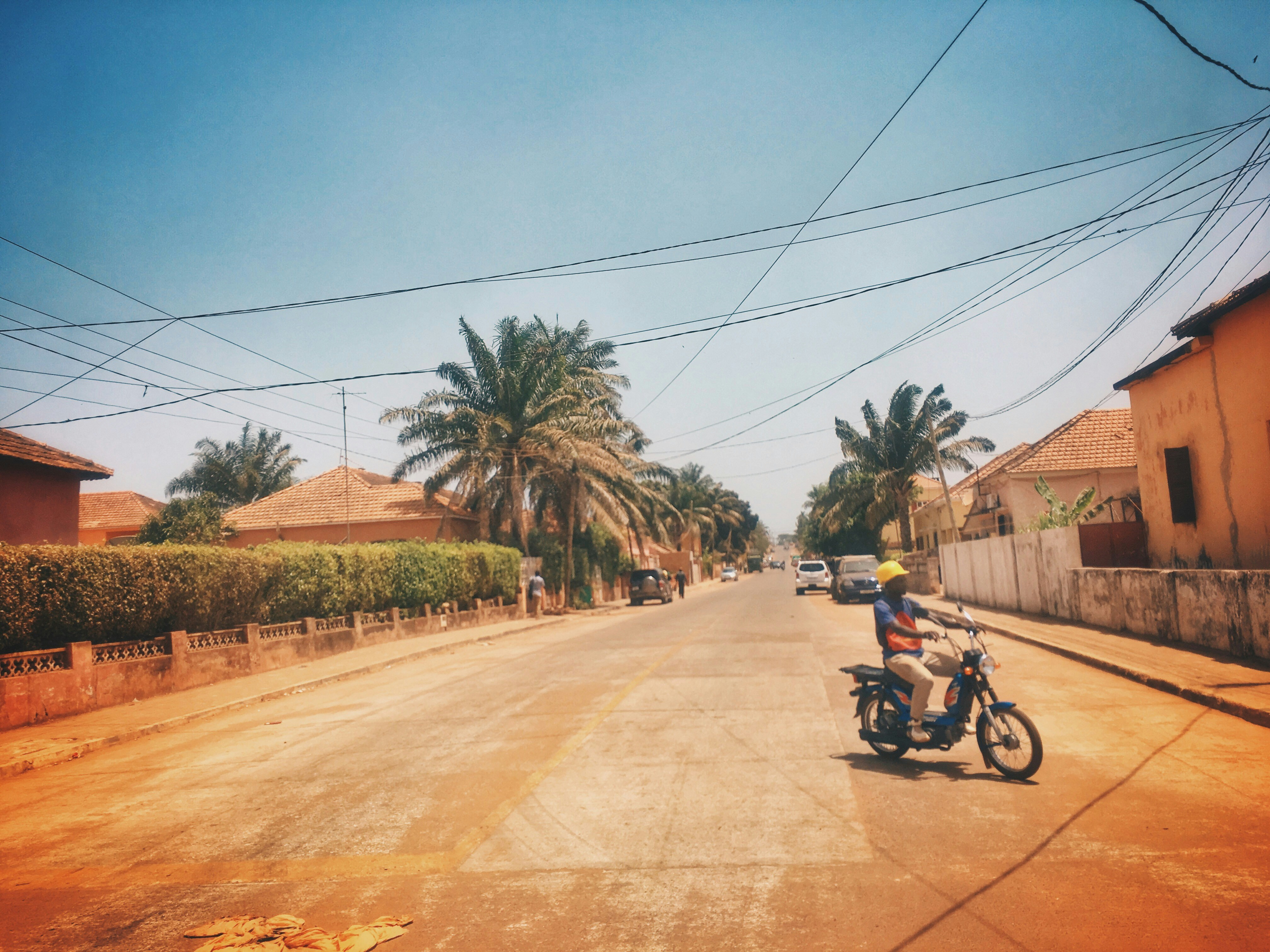
TL;DR: Guinea-Bissau culture, etiquette, and what to do first
Guinea-Bissau culture is warm, community-oriented, and built around respectful greetings, modest dress, and patience with local rhythms. The biggest Guinea-Bissau dos and donts are simple: greet people properly, ask before taking photos, dress conservatively outside beach areas, and avoid assuming schedules will be strict.
Guinea-Bissau Etiquette: Greetings, Respect, and Everyday Social Customs
The most important Guinea-Bissau etiquette rule is to greet first, and greet properly. In many settings, a handshake, eye contact, and a few polite words matter more than getting straight to the point, especially when meeting elders, shopkeepers, or hosts. In Bissau and larger towns, a friendly hello in Portuguese or Creole goes a long way: "Bom dia" for good morning, "Boa tarde" for good afternoon, and "Obrigado" or "Obrigada" for thank you. In informal conversation, people may use a relaxed Creole greeting such as "Olá" or "N’djunta" depending on the setting.
Patience is also part of Guinea-Bissau customs. Things often move at a slower pace than visitors expect, and being visibly rushed can read as rude. If you are invited somewhere, arrive with flexibility rather than expecting exact timing. In rural areas, younger visitors should show extra courtesy to elders, use formal address at first, and wait to be invited into more relaxed behavior. The safest mindset is to be warm, calm, and observant before copying the pace of the room.
Guinea-Bissau Dress Code and Religious Site Tips for Travelers
The safest dress code in Guinea-Bissau is modest, lightweight, and breathable, especially outside beach resorts and in more conservative communities. Long shorts, knee-length skirts, and tops that cover the shoulders are practical choices in the tropical heat, and they also signal respect in villages and public spaces. Revealing beachwear is best kept for the coast, hotel pools, or private resort areas.
At mosques, churches, and community ceremonies, dress more conservatively than you would in a city café. Remove hats when appropriate, avoid sleeveless tops, and choose clothing that covers the knees and shoulders. If you are unsure, follow the lead of local worshippers or ask quietly before entering. In everyday life, clean, neat clothing is more important than formality, and you do not need to dress up heavily for sightseeing. For travellers using Hello’s eSIM plans, it can be useful to download maps and translation help before heading into areas where connectivity may be less predictable.
Photography Rules in Guinea-Bissau: What You Can and Cannot Shoot
The safest photography rule in Guinea-Bissau is to ask first, especially before photographing people, markets, ceremonies, private homes, or anything religious. Even when a place looks public, many people still expect permission, and some families or community leaders may be protective about how images are used. If someone declines, lower the camera immediately and move on politely.
It is also wise to avoid photographing military sites, government buildings, checkpoints, and sensitive infrastructure. In ceremonial settings, funerals, sacred rites, and some community gatherings may be completely off-limits for photos. A good rule is to take your cue from the atmosphere: if people are focused, solemn, or formal, keep the camera away unless you have explicit permission. For casual portraits, a small smile and a short greeting before asking works far better than raising the camera first. If you plan to stay connected on the move, Hello eSIM can be activated before arrival so you can safely save maps, contacts, and messages without hunting for local data on day one.
Business Etiquette, Local Phrases, and Gift-Giving Customs
Business etiquette in Guinea-Bissau is relationship-first rather than rush-first. Meetings often start with conversation and greetings before any agenda, so avoid jumping immediately into negotiations. Use polite titles such as Senhor or Senhora until invited to do otherwise, and remain patient if discussions pause, restart, or take longer than expected. A calm tone and respectful body language will usually serve you better than pushing for quick decisions.
Gift-giving is generally modest and thoughtful rather than lavish. If you are invited to a home, a practical small gift such as fruit, tea, or sweets can be appropriate, but avoid anything that feels overly expensive or showy. When handing something over, use your right hand or both hands if possible, since that is often read as more respectful than using the left alone. The most useful phrases for travellers are simple: "Bom dia" (good morning), "Boa tarde" (good afternoon), "Obrigado/Obrigada" (thank you), and "Desculpe" (excuse me). Even basic effort is appreciated and often opens doors faster than perfect grammar.
Guinea-Bissau Holidays, Timing, and Travel Planning Tips
Public holidays can affect opening hours, transport, and business meetings, so it helps to plan around them. Guinea-Bissau’s key fixed holidays include New Year’s Day on January 1, Labour Day on May 1, Independence Day on September 24, and Christmas on December 25. The country also observes Islamic holidays that move each year, including Eid al-Fitr and Eid al-Adha, along with commemorative dates such as the Death of Amílcar Cabral on January 20 and the Pidjiguiti Massacre Commemoration Day on August 3.
That holiday mix reflects the country’s religious diversity: Portuguese is the official language, while Guinea-Bissau Creole is widely used in daily life, and recent estimates place the population at roughly 1.9 to 2.2 million people. You will find a blend of Islamic, Christian, and traditional beliefs across the country, so schedules may vary from one region to another. For travellers, the practical takeaway is to book transport and key services early around major holidays, and to expect reduced hours in both public offices and smaller shops. If you are budgeting for meals, local snacks may cost around $2-5 in 2026, while a simple sit-down meal in a city can be roughly $8-15, though prices vary by location and season.
Common Questions About Guinea-Bissau Culture and Dos and Donts
What should I not do in Guinea-Bissau? Don’t skip greetings, don’t photograph people or ceremonies without permission, and don’t dress too casually in villages or religious sites. Also avoid treating time pressure as a negotiation tactic, because a rushed tone can come across as disrespectful.
Is English widely spoken? Portuguese is the official language, but Guinea-Bissau Creole is widely used in everyday conversation, so learning a few Portuguese greetings is very helpful. In tourist or business settings, some people may speak French or English, but you should not assume it.
What is the best way to stay connected? Buy and activate an eSIM from Hello before you travel so you land with data ready for maps, messaging, and translation. That is especially useful if you want to avoid scrambling for connectivity after arrival and keep your trip planning, expense tracking, and budget notes in one place.
What is a respectful way to behave in homes? Greet everyone present, wait to be shown where to sit, accept refreshments if offered, and leave without rushing the goodbye. In Guinea-Bissau culture, small acts of patience and courtesy usually matter more than perfect etiquette.
Explore These Destinations
Make the most of Guinea-Bissau
From eSIM connectivity to expense tracking, Hello is the all-in-one companion that keeps your trip stress-free.
Related Articles
Guinea-Bissau Currency & Money Guide: Exchange, Cards, and Tips
Currency exchange, credit card acceptance, ATM tips, tipping culture, and money-saving advice for Guinea-Bissau.
26 July 2026
Guinea-Bissau Safety Guide: Tips for a Safe Trip
Safety tips, health advisories, emergency contacts, common scams, and travel insurance advice for Guinea-Bissau.
18 July 2026
Guinea-Bissau Visa & Entry Requirements for Singapore Passport Holders
Visa requirements, passport validity, customs allowances, and entry tips for Singapore citizens travelling to Guinea-Bissau.
9 July 2026