eSIM for Guinea-Bissau: Best Plans, Coverage, and Setup Tips
Everything you need to know about using eSIM in Guinea-Bissau. Best data plans, network coverage, and setup instructions.
By Hello Travel Team
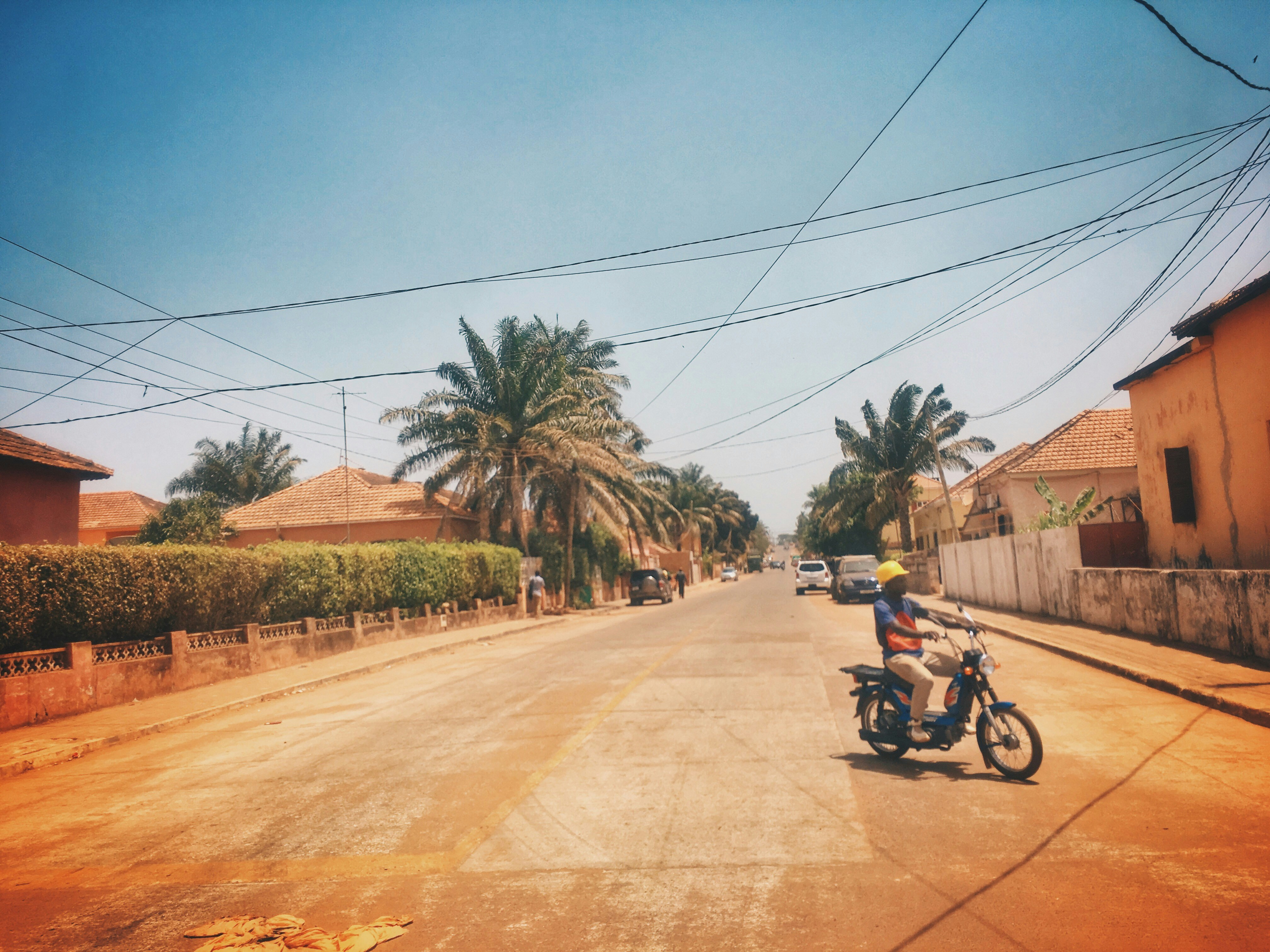
TL;DR: The easiest way to get reliable eSIM data in Guinea-Bissau
The fastest way to get Guinea-Bissau mobile data is to install a Hello eSIM before you fly, then switch it on when you land for instant connectivity across the country. You avoid roaming charges, skip SIM shops at Bissau airport, and stay online for maps, messaging, and bookings.
Hello’s Guinea-Bissau eSIM plans are designed for travellers who want simple, flexible data without hunting for local SIMs in a destination where tourist infrastructure is still developing. You buy in the Hello app, install the eSIM over Wi‑Fi at home, and arrive connected.
Expect typical travel data needs of 5–10GB for a week if you’re using maps, WhatsApp, light social media, and email, and more if you’re uploading lots of photos from the Bijagós archipelago or working remotely. According to the World Bank, Guinea-Bissau had mobile cellular subscriptions at around 70 per 100 people in recent years, meaning coverage exists but can be patchy away from towns.
Because physical SIM registration can involve queues and ID checks, an eSIM from Hello helps you avoid bureaucracy and language barriers. You can keep your primary number on your home SIM for calls and use data via the Hello eSIM, easily tracking spending and splitting costs with friends in the same app.
Why use an eSIM for Guinea-Bissau travel internet?
Using an eSIM for Guinea-Bissau lets you arrive with working data, avoid high roaming fees, and stay connected even when local SIM shops are limited or closed. For most travellers, a Hello eSIM is the easiest way to secure reliable Guinea-Bissau travel internet.
Guinea-Bissau is a low‑infrastructure, high‑reward destination: dusty streets in Bissau, river crossings to remote villages, and tidal boat rides out to the Bijagós islands. Tourist services are improving, but you won’t find the SIM kiosks and English‑speaking staff you might be used to in Thailand or Japan. Having data the moment you land makes it much easier to coordinate airport pickup, check hotel locations in Bairro de Ajuda, or message guesthouses on Bubaque.
With an eSIM Guinea-Bissau from Hello, you:
- Keep your home SIM in the phone for calls and SMS, but use data on the Hello eSIM.
- Avoid roaming charges that can easily exceed $10 per day on many European and North American carriers.
- Skip local paperwork: some operators may request ID or address details for SIM registration.
For a one‑week trip in 2026, planning on maps, messaging, and occasional social media, most travellers find 5–8GB of data comfortable. According to UNWTO, West Africa is seeing gradual year‑on‑year tourism growth, but infrastructure can lag behind – another reason to secure your connectivity before you go.
Best Guinea-Bissau eSIM plans and how much data you really need
The best Guinea-Bissau eSIM plan is one that matches how you travel: 5–10GB suits most visitors for a week, while longer, off‑grid stays may need 15GB or more. Hello eSIM plans start from around 5GB and are updated live in‑app, so you can pick exactly what you need.
According to Hello’s own global plan data, travellers typically consume 0.7–1.5GB per day when using maps, messaging apps, and occasional social media without heavy video streaming. That means:
- 5GB is enough for a 4–7 day trip focused on city exploring and short excursions.
- 10GB works well for 10–14 days with more photo sharing and light video.
- 15GB+ is useful if you’re working remotely or travelling slowly through rural areas.
Here’s a simple way to think about data for Guinea-Bissau in 2026:
| Trip Style | Suggested Data | Typical Use |
|---|---|---|
| 4–5 days in Bissau | 5GB | Maps, WhatsApp, email, basic social media |
| 7–10 days incl. Bijagós | 8–10GB | Navigation, photo sharing, some video calls |
| 2+ weeks, remote work | 15GB+ | Cloud documents, calls, backups, social media |
Local costs can add up quickly if you rely on hotel Wi‑Fi and roaming. Many guesthouses charge $5–10 per day for Wi‑Fi, and some rural lodges have intermittent connections. With Hello, you pay once in the app, see the data allowance clearly, and can top up instantly if you start running low.
Coverage and network quality: where Guinea-Bissau mobile data works best
Mobile data in Guinea-Bissau works best in and around Bissau and major towns, while coverage on remote islands and rural roads can be slow or intermittent. An eSIM from Hello connects you to leading local networks, helping you get the best possible signal where coverage exists.
Guinea-Bissau’s telecom market is small compared to neighbours like Senegal and Guinea, but the main population centres enjoy reasonable 3G and emerging 4G coverage. The capital, Bissau, has the most consistent data, particularly around the city centre, Bairro Militar, and main roads to Safim and Prabis. Away from these areas, speeds drop and you may lose data entirely, especially deep in the mangroves or crossing rivers.
According to ITU statistics for West Africa, mobile broadband penetration has been rising steadily, but rural areas still lag urban coverage by over 20 percentage points in many countries. That pattern holds in Guinea-Bissau: expect slower speeds when you head to small villages, national parks, or more remote islands.
Practical tips for better Guinea-Bissau mobile data:
- In Bissau, stay near main roads or central neighbourhoods for stronger signal.
- On Bijagós islands, download offline maps before the boat journey; treat mobile data as a bonus, not a guarantee.
- In guesthouses, ask staff which spots have the best reception – often balconies or upper floors.
Hello eSIM automatically chooses partner networks with the strongest available signal, so you don’t need to manually switch operators; just enable roaming for the eSIM and let the phone handle the rest.
Step-by-step: how to set up your Guinea-Bissau eSIM before you fly
The easiest way to set up a Guinea-Bissau eSIM is to install it over Wi‑Fi at home, label it clearly, and then simply switch it on when you land. With Hello, the whole process usually takes under 10 minutes and doesn’t require local paperwork or in‑country activation.
A typical setup flow with Hello’s eSIM Guinea-Bissau plans looks like this:
- Check device compatibility. Most iPhones from XR/11 onward, recent Samsung Galaxy and Google Pixel models, and many newer Androids support eSIM. You can confirm in Settings → Mobile/Cellular → Add eSIM.
- Buy your plan in the Hello app. Choose Guinea-Bissau, select a data allowance (e.g., 5GB or 10GB), and pay with your preferred method. Prices update live, but expect competitive rates compared with local SIMs and roaming.
- Install the eSIM over Wi‑Fi. Hello guides you through QR code scanning or automatic installation. When prompted, name the line something like “Guinea-Bissau data” so it’s easy to recognise.
- Set data and roaming preferences. Keep your home SIM active for calls/SMS, but set the Hello eSIM as your data line. Turn off data roaming on your home SIM to avoid surprise fees.
- Enable on arrival. When you land in Bissau, toggle the Hello eSIM on and enable data roaming for that line. It will attach to a local network within a few minutes.
According to device manufacturers, eSIM installation has almost no impact on battery life, but constant 3G/4G searching in weak-signal areas can drain your phone. Carry a small power bank for long overland journeys or boat trips.
Travel budgeting made easier: using Hello for data, expenses, and group trips
Hello doesn’t just handle your Guinea-Bissau eSIM; it also helps you track spending, split costs with friends, and keep a realistic budget for a country where ATMs, card acceptance, and prices can be inconsistent. This is especially useful for small group trips to remote areas.
Guinea-Bissau is still largely a cash economy. In 2026, you can expect:
- Simple restaurant meals in Bissau: $8–15 per person.
- Mid‑range guesthouses: $30–60 per night for a double.
- Boat transfers to Bijagós islands: often $20–40 per person, depending on route and negotiation.
Using Hello’s budget tracking and expense splitting features, you can:
- Scan handwritten or printed receipts with AI, even in Portuguese or local languages, to log expenses quickly.
- Import bank statements (CSV/PDF) if you use cards where accepted, such as some hotels and travel agencies.
- Automatically convert currencies and keep track if your group is paying in CFA francs, euros, or dollars.
Real‑world example: four friends book a $320 group boat charter to explore the islands. One person pays in cash, snaps a photo of the receipt into Hello, and splits the cost across the group. The app converts shares into each person’s home currency and logs the expense under “Transport.”
Combine this with a Hello eSIM for Guinea-Bissau and you can coordinate plans in WhatsApp, check live exchange rates, and keep everyone’s contributions fair and transparent, all in one app.
Common Questions: Guinea-Bissau eSIM, mobile data and practical tips
Most travellers can use an eSIM in Guinea-Bissau as long as their phone supports eSIM and is unlocked, making it a straightforward way to get Guinea-Bissau travel internet without hunting for local SIMs. Below are direct answers to the questions people ask most.
Q: Will my phone work with a Guinea-Bissau eSIM?
A: If your phone is eSIM‑compatible and unlocked, yes. iPhone XR/11 and newer, many recent Samsung Galaxy and Google Pixel models, and most flagship Android phones support eSIM. Check in Settings for “Add eSIM” or “Add mobile plan” before buying.
Q: When should I install my Hello eSIM?
A: Install it at home over Wi‑Fi a few days before departure. That way, you can test the profile, name the line, and be sure it’s ready. The data plan only starts when you arrive and the eSIM connects to a local network.
Q: How much data do I need for a week in Guinea-Bissau?
A: For navigation, messaging, email, and light social media, most travellers are comfortable with 5–8GB. If you plan regular video calls or remote work, go for 10–15GB. According to global mobile usage studies, typical travel data use is under 2GB per day.
Q: Is public Wi‑Fi common?
A: In Bissau you’ll find Wi‑Fi in some hotels, cafés, and guesthouses, but speeds vary and outages happen. Outside the capital, Wi‑Fi is rare. Don’t rely on it for navigation or time‑sensitive bookings.
Q: Can Hello help with group travel costs?
A: Yes. Beyond eSIM data, Hello lets you split trip expenses (like a $100 guided tour or shared rooms), track multi‑currency spending, and keep a clean record of who paid what – ideal for small expeditions into national parks or island trips.
Explore These Destinations
Stay connected in Guinea-Bissau
Get an eSIM before you land. Hello gives you instant data in 200+ countries — no SIM swaps, no roaming fees.
Related Articles
Guinea-Bissau Currency & Money Guide: Exchange, Cards, and Tips
Currency exchange, credit card acceptance, ATM tips, tipping culture, and money-saving advice for Guinea-Bissau.
26 July 2026
Guinea-Bissau Safety Guide: Tips for a Safe Trip
Safety tips, health advisories, emergency contacts, common scams, and travel insurance advice for Guinea-Bissau.
18 July 2026
Guinea-Bissau Visa & Entry Requirements for Singapore Passport Holders
Visa requirements, passport validity, customs allowances, and entry tips for Singapore citizens travelling to Guinea-Bissau.
9 July 2026