Guinea-Bissau Safety Guide: Tips for a Safe Trip
Safety tips, health advisories, emergency contacts, common scams, and travel insurance advice for Guinea-Bissau.
By Hello Travel Team
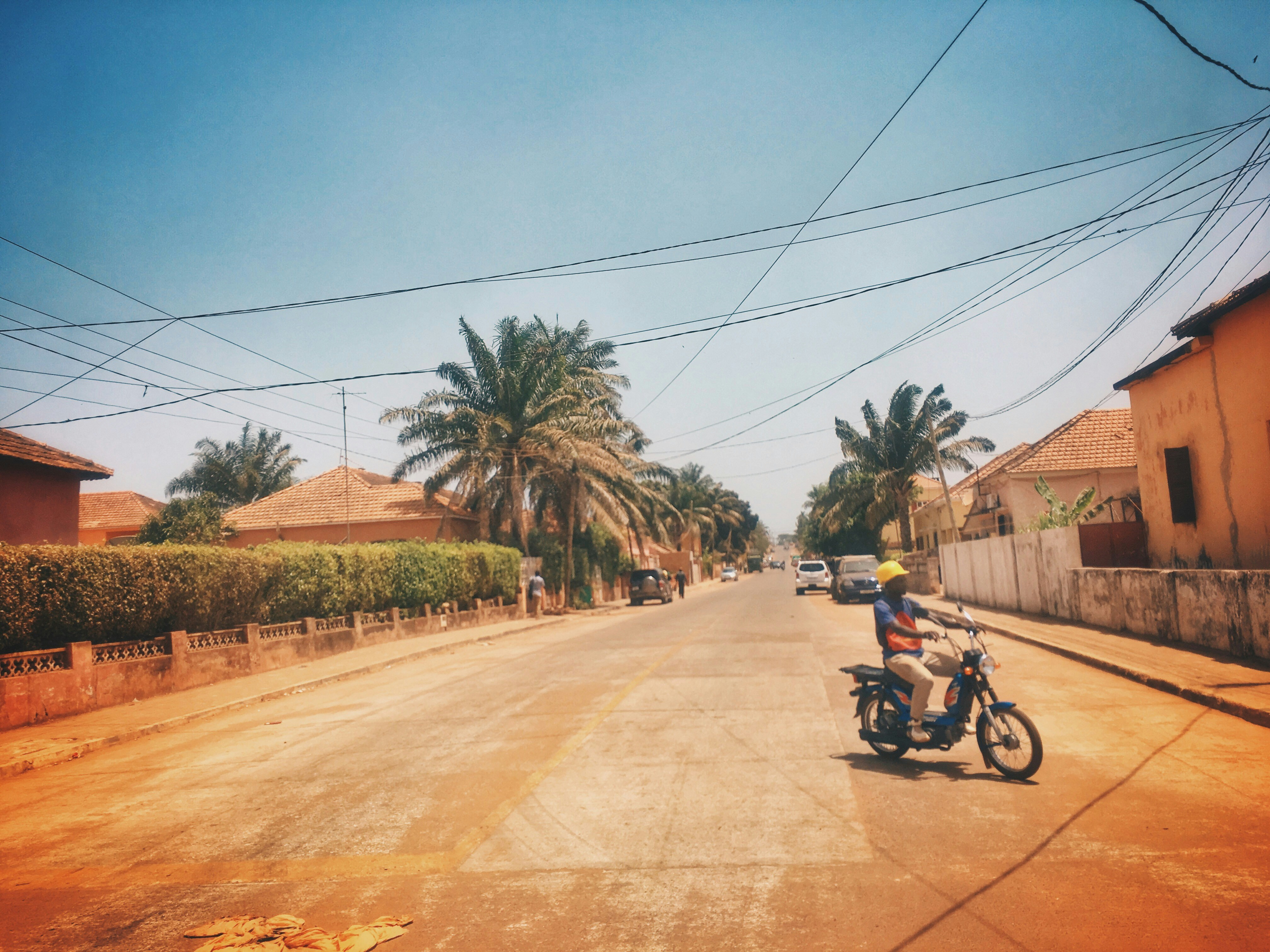
TL;DR: Is Guinea-Bissau Safe to Visit?
Guinea-Bissau is generally safe for experienced, prepared travelers, especially those heading to the Bijagós Islands, but it comes with real challenges: political instability, limited healthcare, petty crime, and unsafe tap water, so good planning, vaccinations, and solid travel insurance are essential.
Most major travel advisories (including Canada, the UK, and New Zealand) class Guinea-Bissau as a destination where you should exercise a high degree of caution, mainly due to political instability, petty crime in Bissau, and weak infrastructure. According to New Zealand’s SafeTravel, some border regions and remote rural areas are considered higher risk and best avoided unless absolutely necessary.
For most visitors, the capital Bissau is manageable by day with standard city precautions, while the Bijagós Islands are regarded as very calm and safe for tourists. However, late-night movements, political gatherings, and poorly lit roads should be avoided.
Health risks are significant: malaria is present year‑round and yellow fever vaccination is required for entry, per World Health Organization guidance and multiple national health advisories. Tap water isn’t considered safe; travelers are advised to stick to bottled or filtered water.
If you’re comfortable with off‑the‑beaten‑path destinations and ready to invest in vaccinations, malaria prophylaxis, emergency‑ready travel insurance, and reliable connectivity (such as a Hello eSIM for Guinea-Bissau), Guinea-Bissau can be rewarding—but this is not a beginner’s first international trip.
Overall Guinea-Bissau Travel Safety: Risks, Areas, and How to Stay Smart
Guinea-Bissau travel safety is moderate but manageable: most trips are incident‑free if you avoid political gatherings, keep a low profile in Bissau, and plan carefully for healthcare and transport, especially outside the capital.
International advisories broadly agree that Guinea-Bissau has more significant safety concerns than typical tourist destinations due to political instability, crime, and limited emergency services. The UK Foreign Office notes petty crime such as pickpocketing and phone snatching is relatively common in Bissau, particularly in busy markets and transport hubs. New Zealand’s SafeTravel highlights crime, corruption, and the presence of unexploded ordnance in some rural areas dating back to the independence war, meaning you should stay on well‑used roads and paths and avoid wandering off‑track.
Daytime in central Bissau is generally fine with normal big‑city precautions:
- Keep valuables out of sight (phones, cameras, jewelry).
- Use hotel safes where available.
- Avoid isolated streets and unlit areas after dark.
The Bijagós Islands are described by multiple traveler reports as very relaxed and safe; most issues here are logistical (boats, weather, medical access) rather than crime.
A practical safety strategy includes:
- Avoid all protests, political meetings, and sensitive sites like military or government buildings.
- Arrange airport transfers through your hotel or a trusted local contact.
- Avoid driving at night; roads can be poorly lit and potholed.
- Save key emergency numbers (police 117, fire 118, ambulance 119) on your phone.
Staying connected with a Hello eSIM for Guinea-Bissau helps you navigate, check news, and call for help even if your physical SIM has issues.
Health, Vaccinations, and Water Safety in Guinea-Bissau
Health risks in Guinea-Bissau are significant but manageable with the right vaccinations, malaria tablets, strict food and water hygiene, and a plan for medical care if something goes wrong.
According to multiple health advisories and the CDC traveler view, Guinea-Bissau is a high‑risk malaria destination year‑round, so travelers are advised to take prescription malaria prophylaxis before, during, and after their trip, wear long sleeves and trousers in the evening, use DEET‑based insect repellent, and sleep under mosquito nets where possible. Yellow fever is present in the region, and proof of yellow fever vaccination is a mandatory entry requirement, so make sure your certificate is up to date and safely stored.
Commonly recommended vaccinations for Guinea-Bissau include:
- Yellow fever (required for entry)
- Hepatitis A and B (strongly recommended)
- Typhoid (due to food and water contamination risks)
Water safety is crucial. Travel health sources agree that tap water is not safe for most visitors due to poor sanitation and infrastructure. Practical rules:
- Drink only sealed bottled or properly filtered water.
- Avoid ice unless you’re sure it’s from purified water.
- Use bottled water even for brushing teeth.
Food‑wise, follow the classic rule: boil it, cook it, peel it, or leave it. Choose busy food stalls where turnover is high, opt for freshly cooked dishes served hot, and avoid raw salads or unpeeled fruit unless you can wash them yourself with safe water.
For swimming, stick to the ocean and hotel pools; avoid freshwater lakes and rivers, which can harbor parasites and waterborne diseases, especially after heavy rains.
Emergency Numbers, Singapore Embassy Support, and Staying Connected
In an emergency in Guinea-Bissau, local numbers work best in Bissau, but you should also rely on your embassy and a stable mobile connection for backup support and coordination.
Local emergency numbers commonly cited for Guinea-Bissau are:
- Police: 117
- Fire department: 118
- Ambulance/medical: 119
Response can be slow or inconsistent, particularly outside Bissau, so treat these as important tools rather than guarantees. In serious situations—especially medical or legal issues—your embassy or consulate is often the most reliable support for evacuation, translation, and liaison with local authorities.
Singapore does not maintain a resident embassy in Guinea-Bissau. Singaporean travelers are typically covered by regional missions (for example, in Dakar, Senegal or Lisbon, Portugal), so always check the latest Ministry of Foreign Affairs guidance before you travel. Before departure, register your trip with Singapore MFA’s eRegister, note the nearest mission’s phone and email, and store these in both your phone and a printed copy.
A stable, local‑friendly data connection makes a big difference in emergencies:
- Use maps to find the nearest clinic or hospital.
- Call or message hotel staff or local contacts instantly.
- Reach your insurer and embassy quickly.
With Hello’s eSIM plans for Guinea-Bissau, you can buy and activate data before you land, arrive connected, and avoid relying on patchy local SIM availability or cash‑only kiosks. Having mobile data also helps you monitor news and avoid areas where protests or disruptions might occur.
Common Scams, Crime Hotspots, and How to Avoid Trouble in Bissau
Most Guinea-Bissau scams and crime incidents involve petty theft, overcharging, and opportunistic targeting of distracted foreigners, so low‑key behavior and a few street‑smart habits go a long way.
In Bissau, the UK’s travel advice notes that pickpocketing and bag or phone snatching are relatively common, especially in crowded areas such as markets, bus stations, and around nightlife. Travelers also report typical West African urban scams: inflated taxi fares, “helpful” strangers at ATMs or banks, and unofficial “guides” demanding payment after unsolicited assistance.
Practical ways to dodge Guinea-Bissau scams:
- Taxis: Agree on a fare before getting in; ask your hotel what a typical ride costs (for example, a short ride within central Bissau might be around 500–1,000 CFA francs, roughly US$1–2 in 2026).
- Money handling: Avoid street money‑changers; use banks or reputable exchange offices where available.
- ATMs: Withdraw in daylight, inside bank premises if possible, and shield your PIN.
- Valuables: Keep phones in a front pocket or zipped bag, and avoid walking with your phone in hand near busy roads.
Comparison of common risks for travelers:
| Risk Type | How Common It Is | Simple Prevention Tip |
|---|---|---|
| Pickpocketing | Moderate in Bissau | Use money belt, secure bags |
| Phone/bag snatching | Moderate | Keep items out of sight, avoid street texting |
| Overcharging/taxis | Common | Confirm fare before ride |
| Violent crime | Low for tourists | Avoid risky areas at night |
Having a Hello eSIM and maps offline lets you navigate without asking random strangers for directions, reducing opportunities for “guide” scams or being steered to overpriced businesses.
Solo Female and LGBTQ+ Travel Safety in Guinea-Bissau
Solo female and LGBTQ+ travelers can visit Guinea-Bissau, but extra caution and cultural awareness are important given conservative norms, weak institutional protections, and limited infrastructure for visitors.
For solo female travelers, most sources describe risk as medium rather than extreme. Street harassment is possible in urban areas, and poor lighting and low police presence at night increase vulnerability. SafeTravel and other advisories recommend:
- Avoid walking alone after dark; use trusted taxis or move with a group.
- Dress modestly, especially in rural areas and around religious sites.
- Choose accommodation with good reviews for safety (locks, lighting, staff presence).
- Stay in central, well‑known neighborhoods rather than outer districts.
Women generally report feeling more comfortable in the Bijagós Islands, where the atmosphere is slower and more community‑focused, though night‑time boat travel and remote beaches still require caution.
LGBTQ+ travelers face a more complex environment. According to regional human rights reporting and travel safety summaries, Guinea-Bissau has no specific legal protections for LGBTQ+ people, and social attitudes are conservative, particularly outside the capital. While there are no widely reported cases of tourists being targeted specifically for orientation, it is sensible to:
- Avoid public displays of affection, regardless of gender.
- Be discreet when discussing sexuality and relationships with new acquaintances.
- Research up‑to‑date guidance from your home country’s LGBTQ+ travel resources.
Where possible, connect with other travelers via guesthouse noticeboards or online communities before you go out at night. Using Hello’s trip planning and budget tracking features helps solo travelers keep itinerary details, reservations, and shared plans organized, which adds an extra layer of practical safety.
Travel Insurance, Budgeting, and Common Questions About Guinea-Bissau Safety
Because healthcare and evacuation options are limited, comprehensive travel insurance and smart budgeting are non‑negotiable for a safe trip to Guinea-Bissau.
Most advisories explicitly recommend strong medical and evacuation coverage when visiting Guinea-Bissau. Local medical facilities often lack advanced equipment, and serious cases may require evacuation to Senegal or Europe, which can cost several thousand US dollars. A good policy should include:
- Emergency medical treatment and hospitalisation
- Medical evacuation and repatriation
- Coverage for theft or loss of belongings
- Trip interruption due to political or security events
When planning your budget for 2026, rough daily costs might look like:
| Expense Category | Typical Range (per day, 2026) | Notes |
|---|---|---|
| Guesthouse/hotel | US$30–80 | More on islands, less in city outskirts |
| Local meals | US$10–20 | Simple restaurants and street food |
| Transport in Bissau | US$5–15 | Taxis and shared rides |
| Island boat transfers | US$20–60 | Depends on route and season |
Using the Hello app for expense tracking (AI receipt scanning, voice entry, and multi‑currency conversion) helps you stay on top of costs and split bills fairly with friends, which matters when cash can be hard to access.
Common Questions
- Is Guinea-Bissau safe for tourists? Generally yes for experienced travelers who stay aware, avoid political gatherings, and take health precautions.
- Can I drink tap water? No. Stick to bottled or properly filtered water and avoid ice of unknown origin.
- Do I really need malaria tablets? Yes. Malaria is present year‑round, and prophylaxis is strongly advised.
- Are the Bijagós Islands safe? They’re widely considered very calm and safe; main risks are logistics and medical access, not crime.
- Do I need travel insurance? Absolutely—medical evacuation alone can cost thousands of dollars, so robust coverage is essential.
Explore These Destinations
Ready for Guinea-Bissau?
eSIM data, expense splitting, budget tracking, and more. Everything you need for a smooth trip in one app.
Related Articles
Guinea-Bissau Currency & Money Guide: Exchange, Cards, and Tips
Currency exchange, credit card acceptance, ATM tips, tipping culture, and money-saving advice for Guinea-Bissau.
26 July 2026
Guinea-Bissau Visa & Entry Requirements for Singapore Passport Holders
Visa requirements, passport validity, customs allowances, and entry tips for Singapore citizens travelling to Guinea-Bissau.
9 July 2026
eSIM for Guinea-Bissau: Best Plans, Coverage, and Setup Tips
Everything you need to know about using eSIM in Guinea-Bissau. Best data plans, network coverage, and setup instructions.
30 June 2026