Germany in 10 Days: The Ultimate Travel Itinerary
A comprehensive 10-day itinerary for Germany covering top attractions, hidden gems, daily costs, and transport between cities.
By Hello Travel Team
This article contains affiliate links. If you book through them, Hello may earn a commission at no additional cost to you. Our editorial recommendations are independent. Learn more.
- 1
Berlin Arrival & Classic Sights
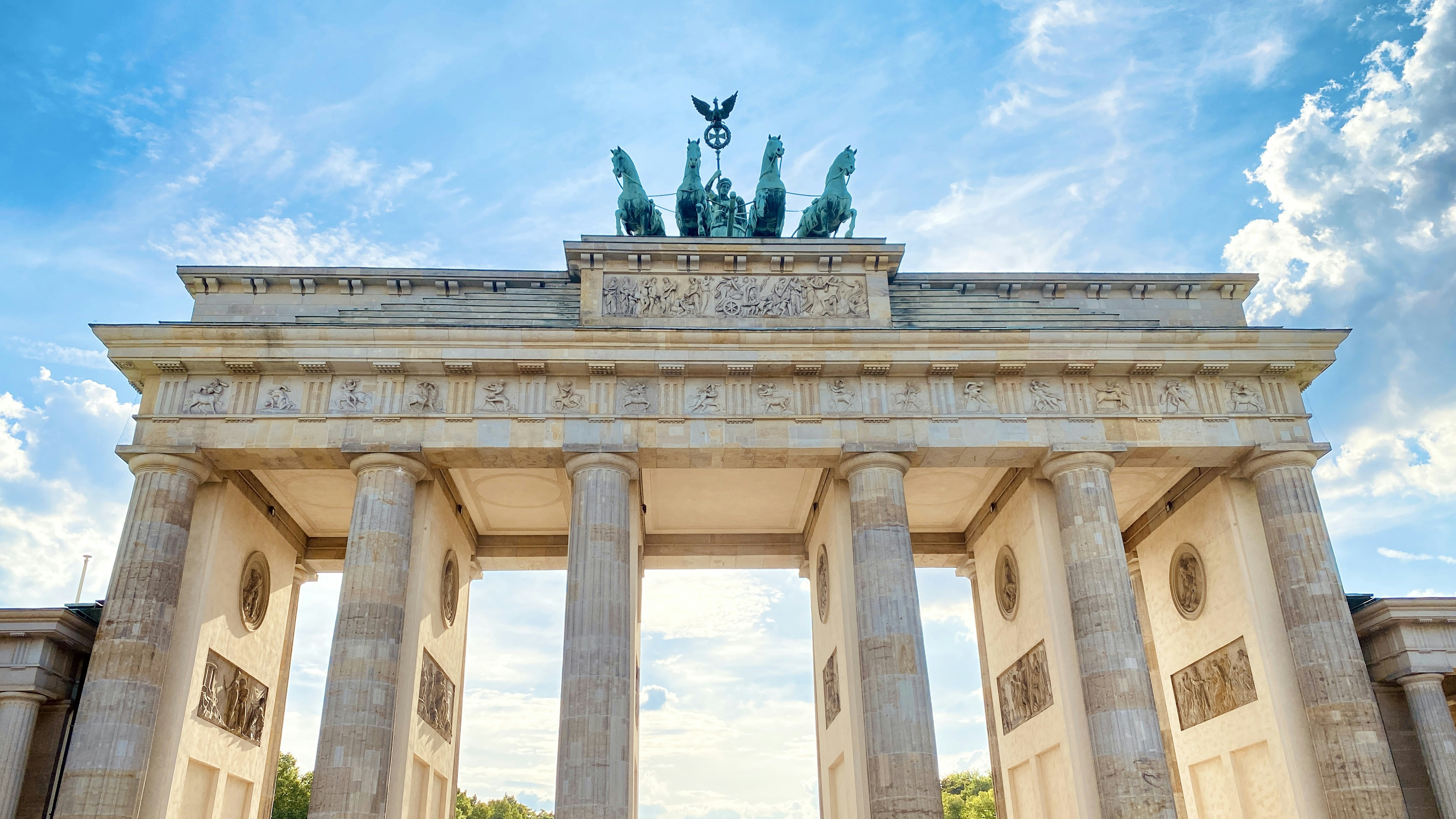
- MorningArrive in Berlin, check-in, Brandenburg Gate & Reichstag~$20
- AfternoonMemorial to the Murdered Jews of Europe & Museum Island~$30
- EveningDinner in Mitte or Prenzlauer Berg~$25
MitteTiergartenPrenzlauer BergUse BVG day ticket (~$10) for U-Bahn/S-Bahn/trams between sights.
Budget$90Mid-range$160Luxury$260 - 2
Berlin Wall, East Side Gallery & Kreuzberg
- MorningBerlin Wall Memorial at Bernauer Straße
- AfternoonEast Side Gallery and Spree river walk~$10
- EveningStreet food and bars in Kreuzberg~$30
MitteFriedrichshainKreuzbergBVG day ticket (~$10); most locations reachable by U-Bahn and tram.
Budget$90Mid-range$160Luxury$260 - 3
Berlin to Dresden & Baroque Old Town
- MorningTrain Berlin → Dresden~$30
- AfternoonFrauenkirche, Neumarkt & Brühl’s Terrace~$10
- EveningDinner by the Elbe riverside~$25
Innere AltstadtElbe riverfrontIntercity train (~2 hours). Local Dresden day ticket about $8 if using trams.
Budget$85Mid-range$150Luxury$250 - 4
Dresden Museums & Elbe Countryside
- MorningZwinger Palace & museums~$18
- AfternoonElbe bike ride or river cruise~$20
- EveningTraditional Saxon dinner in Old Town~$25
Innere AltstadtElbe riverfrontMostly walkable; optional tram tickets (~$3 per ride) if tired.
Budget$85Mid-range$150Luxury$250 - 5
Dresden to Nuremberg & Medieval Old Town
- MorningTrain Dresden → Nuremberg~$40
- AfternoonNuremberg Castle & Old Town walk~$15
- EveningFranconian dinner near Hauptmarkt~$25
AltstadtKaiserburg areaIntercity train (~3.5–4 hours, usually one change). Nuremberg is walkable from Hbf.
Budget$90Mid-range$160Luxury$250 - 6
Nuremberg WWII History & Train to Munich
- MorningDocumentation Center Nazi Party Rally Grounds~$10
- AfternoonTrain Nuremberg → Munich~$25
- EveningMarienplatz, Viktualienmarkt & beer hall dinner~$30
Nuremberg LangwasserMunich Altstadt-LehelLocal Nuremberg transit (~$5), then ~1–1.5 hour train to Munich Hbf.
Budget$100Mid-range$180Luxury$280 - 7
Munich Museums & English Garden
- MorningMunich Residenz or Deutsches Museum~$18
- AfternoonWalk or cycle through the English Garden~$20
- EveningBeer garden dinner at Chinese Tower~$28
Altstadt-LehelMaxvorstadtSchwabingMVV day ticket (~$10) covers U-Bahn and buses to the English Garden.
Budget$100Mid-range$180Luxury$280 - 8
Neuschwanstein Castle Day Trip from Munich
- MorningTrain Munich → Füssen~$30
- AfternoonNeuschwanstein & Hohenschwangau castles~$35
- EveningReturn train to Munich & simple dinner~$25
FüssenSchwangauMunich AltstadtUse Bavaria regional day ticket for train + buses; expect ~2–2.5 hours each way.
Budget$110Mid-range$190Luxury$290 - 9
Munich Flex Day – Side Trip or Deep Dive
- MorningBMW Welt & Olympiapark or day trip to Salzburg~$35
- AfternoonCafés, shopping, or additional museum time~$20
- EveningFinal Bavarian dinner~$30
Milbertshofen-Am HartAltstadt-LehelOptional SalzburgMVV day ticket (~$10) or regional train to Salzburg (~$40 return).
Budget$100Mid-range$190Luxury$300 - 10
Munich Souvenirs & Departure
- MorningViktualienmarkt and last-minute shopping~$20
- AfternoonTransfer to Munich Airport (S-Bahn)~$15
- EveningAirport meals and waiting time~$25
Altstadt-LehelMunich AirportS1/S8 S-Bahn to airport (~45 minutes, about $14 one way).
Budget$90Mid-range$160Luxury$260
Trip Summary
Trip starter
Turn this 10-day itinerary into a Hello trip
Start with a prefilled trip for Germany, then add dates, invite friends, track expenses, and pick an eSIM before you land.
Name and destination carried into the app.
Split costs and settle up during the trip.
Choose data for the destination before departure.
TL;DR: The Perfect Germany 10 Day Itinerary at a Glance
A 10 day Germany itinerary is enough to see Berlin, Dresden, Nuremberg, and Munich, mixing big-city highlights with castles, WWII history, and beer gardens. You’ll travel mostly by train, spend around $90–250 per day, and keep everything on track with Hello’s eSIM connectivity and trip budget tools.
Think of this Germany travel plan as a north-to-south route: start in Berlin, dip into baroque Dresden, explore medieval Nuremberg, and finish among Bavarian palaces and mountains near Munich. This keeps travel times reasonable (2–4 hours between cities) and avoids backtracking.
Typical daily costs in 2026 break down roughly as:
- Budget: $90–120 (hostels, supermarket lunches, public transport, free sights)
- Mid-range: $150–220 (3-star hotels, restaurant meals, museum entries)
- Luxury: $250–400+ (4–5-star stays, fine dining, private tours)
According to the German National Tourist Board, Germany welcomed over 40 million international visitors in 2023, reflecting how popular this route is for first-timers. Rail is fast, clean, and frequent, so you can book advance Sparpreis tickets with Deutsche Bahn to cut costs. Use the Hello app to log each train and meal with AI receipt scanning and multi-currency tracking, so you know if you’re under or over budget day by day.
Days 1–2: Berlin Highlights – History, Culture, and Cool Neighborhoods
Spending two full days in Berlin lets you cover the must-see sights like Brandenburg Gate, the Berlin Wall, and Museum Island while still having time for street food and neighborhood wanders in Kreuzberg and Neukölln.
Day 1 – Classic Berlin (East/Center)
Morning (09:00–13:00): Start at Brandenburg Gate and walk to the Reichstag (book the glass dome online in advance, free with registration). Continue to the Memorial to the Murdered Jews of Europe and then to Potsdamer Platz. A bakery breakfast and coffee will cost about €6–8 ($7–9 in 2026).
Afternoon (13:00–17:00): Head along Unter den Linden to Museum Island, a UNESCO site with five major museums. A day museum pass is around €19–22 in 2026. According to VisitBerlin, the Museum Island complex draws millions of visitors annually, so pre-book if you can.
Evening (18:00–22:00): Dinner in Mitte or Prenzlauer Berg at a mid-range restaurant runs €18–25 ($20–27) for a main and drink. Try käsespätzle or currywurst for something local. End with drinks along the Spree.
Day 2 – Berlin Wall & Neighborhoods
Morning: Visit the Berlin Wall Memorial at Bernauer Straße (free), then tram or S‑Bahn to East Side Gallery to see the murals.
Afternoon: Explore Kreuzberg (street art, Turkish food at Markthalle Neun). Lunch is €10–15.
Evening: Optional bar-hopping or a concert.
Daily budgets (Berlin): Budget $90, Mid-range $160, Luxury $260+.
Days 3–4: Dresden Baroque Beauty and a Taste of Saxony
Two days in Dresden fit perfectly into a Germany 10 day trip, giving you time to see the rebuilt Old Town, the Elbe riverfront, and world-class museums without feeling rushed.
Berlin → Dresden (Day 3 Morning)
Take an early Deutsche Bahn train from Berlin Hbf to Dresden Hbf (about 2 hours). Advance fares from €19–29 ($21–32 in 2026) are common on saver tickets. Grab a quick station breakfast for €5–7.
Day 3 – Old Town & Museums
Afternoon (13:00–17:00): Drop bags at your hotel and walk to the Frauenkirche, Neumarkt, Zwinger Palace, and Semperoper. A combined ticket for Zwinger museums is typically around €14–16. According to Saxony’s tourism board, Dresden is one of eastern Germany’s most visited cities after Berlin, thanks largely to this compact baroque center.
Evening (18:00–21:00): Dinner at a traditional Saxon restaurant near the Elbe (try Sauerbraten or Saxon potato soup) for €18–24. Stroll the Brühl’s Terrace promenade at sunset.
Day 4 – Elbe Views or Day Trip
Morning: Optional river cruise on the Elbe or a bike ride along the river paths; rentals are usually €12–18 per day.
Afternoon: If you want more nature, take a half-day trip into Saxon Switzerland National Park (trains to Bad Schandau from ~€7–10 one way).
Evening: Casual dinner and early night.
Daily budgets (Dresden): Budget $85, Mid-range $150, Luxury $250.
Use the Hello app’s trip planner to log transport legs and museum tickets so you can quickly see how Dresden fits into your wider Germany itinerary costs.
Days 5–7: Nuremberg and Munich – Medieval Streets to Bavarian Beer Gardens
Three days split between Nuremberg and Munich give you medieval charm, poignant WWII history, and classic Bavarian culture, all on fast regional trains.
Dresden → Nuremberg (Day 5 Morning)
Take a train via Leipzig or direct services (around 3.5–4 hours). Expect €25–45 ($27–50) for advance tickets. Snack on a bakery pretzel (~€2) on board.
Day 5 – Nuremberg Old Town
Afternoon: Explore Nuremberg Castle, Hauptmarkt, and St. Sebaldus Church. According to Bavaria’s tourism statistics, Nuremberg ranks among the region’s top city-break destinations thanks to this walkable Old Town. Castle entry is around €7–8.
Evening: Try Nürnberger sausages with sauerkraut and beer (~€18–22). Budget $90, Mid-range $160, Luxury $250.
Day 6 – WWII History & Train to Munich
Morning: Visit the Documentation Center Nazi Party Rally Grounds (approx €6–8). It’s sobering but important context for Germany’s history.
Afternoon: Train Nuremberg → Munich Hbf (~1–1.5 hours, from €17–30). Check into your Munich hotel and stroll Marienplatz, Viktualienmarkt, and the Frauenkirche.
Evening: Dinner in a beer hall like Hofbräuhaus or Augustiner (mains €18–25, 1L beer about €10–12). Daily budget in Munich: Budget $100, Mid-range $180, Luxury $280.
Day 7 – Munich Museums & English Garden
Morning: Choose between the Residenz or Deutsches Museum (tickets about €12–15).
Afternoon: Walk or cycle through the English Garden; bike rental €15–20 for the day.
Evening: Picnic or beer garden dinner near the Chinese Tower.
Days 8–10: Castles, Alps, and Wrapping Up Your Germany 10 Day Trip
End your 10 day Germany itinerary with a castle day trip to Neuschwanstein and one last Munich day for souvenirs, side trips, or slow travel.
Day 8 – Neuschwanstein Castle Day Trip
Morning (07:00–10:00): Take an early train from Munich to Füssen (~2–2.5 hours; from €25–35 return with Bavaria regional tickets). According to the Bavarian tourism authority, Neuschwanstein sees over 1.4 million visitors annually, so pre-booking timed tickets is essential.
Afternoon (11:00–16:00): Walk or shuttle bus up to Neuschwanstein and optionally Hohenschwangau. Combined castle tickets cost about €28–32 in 2026. Allow time for photos from Marienbrücke.
Evening: Train back to Munich and simple dinner (pasta or kebab €10–15). Daily budgets: Budget $110, Mid-range $190, Luxury $290.
Day 9 – Flex Day: Side Trip or Deep Dive
Choose one:
- More Munich: BMW Welt & Museum, Olympiapark, or a food tour (from €60–80).
- Side trip to Salzburg (Austria): 1.5–2 hours by train; day returns often €35–50.
Meals similar to Day 7.
Day 10 – Souvenirs and Departure
Morning: Last wanders around Viktualienmarkt for gifts (mustard, chocolate, local honey).
Afternoon: S‑Bahn to Munich Airport (~45 minutes, about €13–15 one way).
Use the Hello app’s budget tracking to tally your whole Germany 10 day trip; AI-powered categorization will show how much went to trains vs food vs sightseeing so you can plan your next trip even smarter.
Daily Budgets, Transport, and Using Hello to Track Your Germany Itinerary
For a 10 day Germany travel plan, most travelers should budget $900–1,500 for essentials (excluding flights), depending on comfort level and how many paid attractions you include.
Here’s a snapshot of typical daily costs in 2026 for this Germany 10 day itinerary (Berlin, Dresden, Nuremberg, Munich):
| Tier | Accommodation / night | Food & drink / day | Transport & sights / day | Total / day (approx) |
|---|---|---|---|---|
| Budget | $35–55 (hostel/guest) | $25–35 | $25–35 | $90–120 |
| Mid-range | $80–130 (3★ hotel) | $40–60 | $30–50 | $150–220 |
| Luxury | $180–280 (4–5★) | $70–100 | $40–80 | $250–400+ |
Germany’s extensive rail network makes trains the easiest way to move between cities. Advance Deutsche Bahn tickets can reduce intercity rides to €19–29 on popular routes like Berlin–Dresden and Nuremberg–Munich. Urban day tickets on public transport typically cost €8–10.
The Hello app helps keep this under control: AI receipt scanning (in any language), voice expense entry, and automatic exchange rates mean you can track everything from your Berlin street food lunch to your Neuschwanstein tour in one place.
If you’re traveling with friends, use Hello’s expense splitting with automatic currency conversion so one person can pay for group train tickets and settle up later without manual spreadsheets.
Connectivity in Germany: Staying Online with Hello eSIM
Using a Hello eSIM in Germany lets you arrive with mobile data ready to go, making it easier to navigate trains, check schedules, and keep your Germany itinerary flexible.
Mobile data is crucial in Germany for checking Deutsche Bahn delays, booking last-minute museum tickets, or using Google Maps to find your hotel in Berlin or Munich. With an eSIM from Hello, you can purchase and activate a data plan for Germany before you leave, so your phone connects as soon as you land. Plans start from 5GB with live-updated pricing, which is usually more cost-effective than airport SIM kiosks.
Installing a Hello eSIM for Germany takes just a few taps in the Hello app on iOS or Android. You keep your physical SIM for calls if needed, while your data runs on the eSIM. This dual setup works well if you’re traveling onwards to nearby countries like Austria or Czech Republic, since Hello covers over 200 destinations.
Once connected, you can also use the Hello app for:
- Multi-currency budgeting (EUR vs your home currency)
- Trip planning (saving your Berlin–Dresden–Munich route)
- Automatic expense categorization (transport, food, activities)
Stay mindful that some rural parts of Bavaria and Saxon Switzerland have patchier coverage, but cities and main train lines generally have strong 4G/5G.
Common Questions About a Germany 10 Day Itinerary (Q&A)
A 10 day Germany itinerary is enough time to see 3–4 cities at a relaxed pace, and this Berlin–Dresden–Nuremberg–Munich route is one of the most efficient ways to experience history, culture, and landscapes without rushing.
Q1: Is 10 days enough for Germany?
Yes. With 10 days you can comfortably visit Berlin, Dresden, Nuremberg, and Munich, plus a Neuschwanstein day trip, without feeling like you’re just changing hotels every night. Many travelers report that 3–4 bases is the sweet spot for a first-time Germany 10 day trip.
Q2: How much should I budget per day?
Most visitors spend $90–120 per day on a backpacker-style budget and $150–220 per day for mid-range comfort in 2026, excluding flights. This covers trains, simple restaurant meals, and a couple of paid attractions each day.
Q3: Is a rail pass worth it for this route?
For this specific Germany travel plan (4 main cities plus one big day trip), advance point-to-point tickets from Deutsche Bahn are usually cheaper than a rail pass, especially if you book a few weeks ahead.
Q4: Do I need cash in Germany?
Card acceptance has improved significantly since 2020, but small bakeries, kiosks, and public toilets sometimes prefer cash. Withdraw a small amount of euros and track ATM fees and spending in the Hello app.
Q5: Will my phone work, and how do I stay connected?
Most modern phones support eSIM, so using a Hello eSIM for Germany is an easy way to get data on arrival. Activate it before you fly, then use online maps and train apps from the moment you land.
Explore These Destinations
Stay Connected
Book this trip
Compare options on trusted travel sites
Plan stays for this trip
Continue to a reviewed booking partner to check current property details and terms.

Make the most of Germany
From eSIM connectivity to expense tracking, Hello is the all-in-one companion that keeps your trip stress-free.
Related Articles
Germany Currency & Money Guide: Exchange, Cards, and Tips
Currency exchange, credit card acceptance, ATM tips, tipping culture, and money-saving advice for Germany.
26 July 2026
Germany Safety Guide: Tips for a Safe Trip
Safety tips, health advisories, emergency contacts, common scams, and travel insurance advice for Germany.
18 July 2026
Germany Visa & Entry Requirements for Singapore Passport Holders
Visa requirements, passport validity, customs allowances, and entry tips for Singapore citizens travelling to Germany.
8 July 2026