Germany Safety Guide: Tips for a Safe Trip
Safety tips, health advisories, emergency contacts, common scams, and travel insurance advice for Germany.
By Hello Travel Team
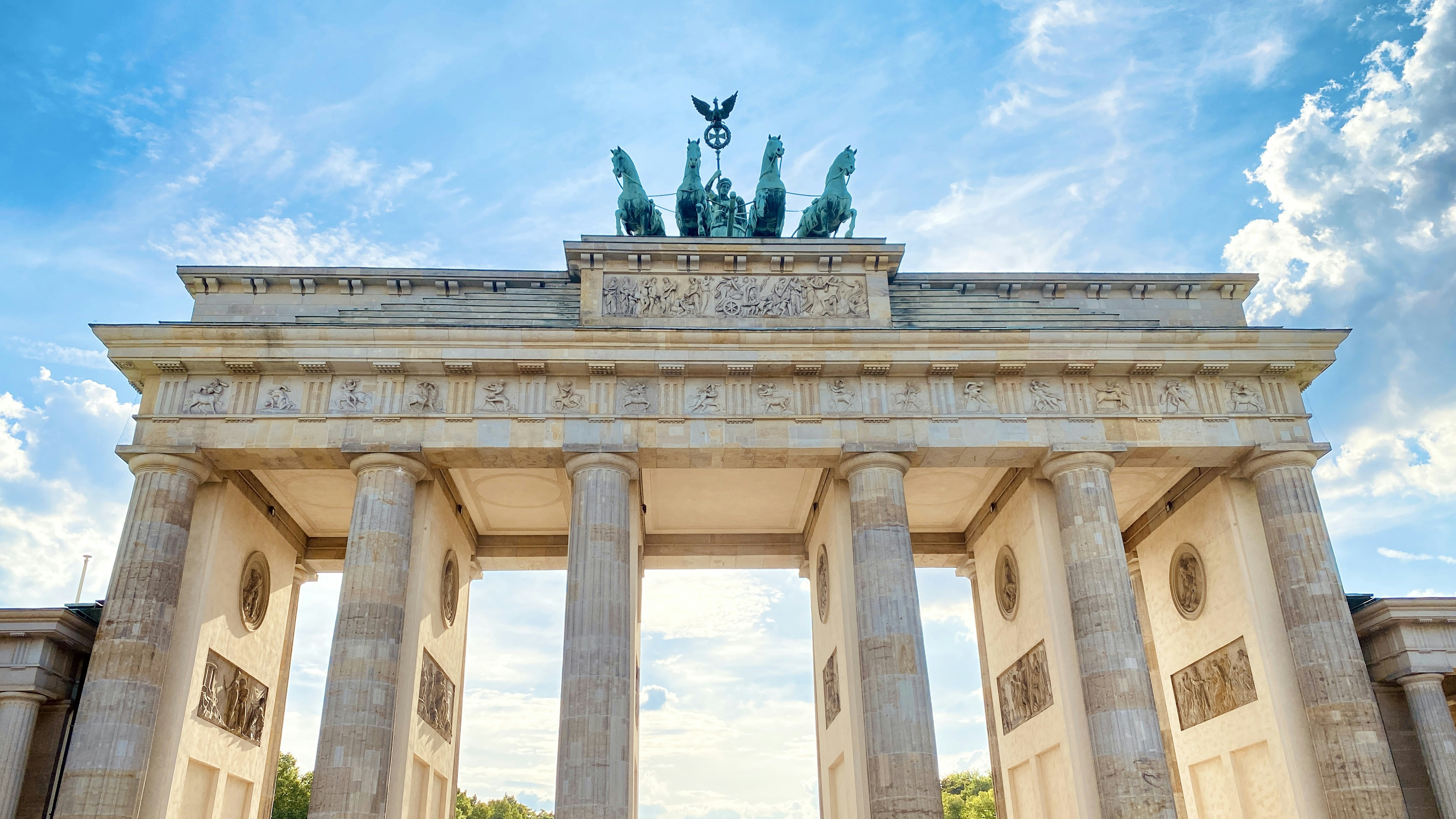
Germany Safety Guide: Is Germany Safe for Travellers?
Yes—Germany is generally safe for tourists, with reliable public services, well-developed transport, and low levels of violent crime in popular visitor areas. Most trips are trouble-free, but travellers should take normal precautions against pickpocketing, bicycle and pedestrian accidents, nightlife risks, and occasional demonstrations. Germany’s overall safety profile makes it suitable for families, solo travellers, and first-time visitors, although large railway stations, festivals, and crowded attractions require extra awareness.
TL;DR: Is Germany safe? Usually, yes. Keep valuables secure, use licensed taxis or official ride services, avoid isolated areas late at night, and save Germany emergency numbers before departure. Police are reached at 110; fire and ambulance services use 112. Singaporeans can contact the Embassy of Singapore in Berlin at +49 30 2263 430, or its after-hours emergency line at +49 152 2341 2182.
Germany is not a cash-free destination: smaller cafés, bakeries, public toilets, lockers, and some rural businesses may prefer cash or debit cards. Carry a small amount of euros while keeping backup funds separately. Download offline maps, record your accommodation address, and consider registering your trip with Singapore’s Ministry of Foreign Affairs. For practical planning, see the Germany destination guide.
Germany Travel Safety: Common Risks and Practical Prevention
The most useful Germany travel safety habit is simple: treat crowded transport hubs and nightlife districts as higher-risk environments, not because they are usually dangerous, but because opportunistic theft is easier there. Berlin Hauptbahnhof, Alexanderplatz, Munich Hauptbahnhof, Cologne Cathedral surroundings, Frankfurt’s central station area, and major Christmas markets can become crowded enough for distraction theft.
Common Germany scams and nuisance tactics include:
- Pickpocketing on packed trains, escalators, platforms, and festival routes. Wear a zipped cross-body bag in front and avoid placing phones in back pockets.
- Distraction approaches, such as someone spilling liquid, asking for directions, or creating a commotion while an accomplice reaches into a bag. Step aside, secure your belongings, and check your wallet immediately.
- Unofficial taxi or transport offers outside airports and stations. Use marked taxis, taxi ranks, or reputable booking channels, and confirm the vehicle and estimated fare before departing.
- ATM skimming or excessive conversion fees. Prefer bank-operated ATMs, inspect the machine, cover your PIN, and choose to pay in euros rather than accepting dynamic currency conversion.
- Ticket misunderstandings on public transport. Buy from official machines or transport apps, validate paper tickets where required, and keep the ticket until leaving the system.
Never hand over a passport or bank card as “security” to an unknown person. If a card is lost, contact the bank immediately and report theft to the police.
Germany Emergency Numbers, Embassy Help, and Connectivity
In an emergency, call 110 for police and 112 for fire, ambulance, or a serious medical emergency; these numbers work throughout Germany and should be saved before your flight. Describe your location using a street name, hotel, station, landmark, or nearby “Bahnhof,” and ask hotel staff or bystanders for help if language becomes a barrier.
| Situation | Number or contact | What to do |
|---|---|---|
| Police | 110 | Report theft, assault, threats, or immediate danger |
| Fire or ambulance | 112 | Use for serious injury, illness, or fire |
| Singapore Embassy, Berlin | +49 30 2263 430 | Consular assistance during office hours |
| Singapore Embassy after hours | +49 152 2341 2182 | Urgent consular emergencies |
| Embassy address | Voßstraße 17, 10117 Berlin | Check opening hours before visiting |
The Singapore Embassy in Berlin is the primary diplomatic contact for Singaporeans in Germany; Singapore also has an Honorary Consulate in Munich. The embassy advises travellers to register their overseas trip so consular staff can assist during emergencies. For lost passports, keep a police report, passport copy, and digital identity documents available.
Reliable data is useful when navigating a late train, contacting emergency services, translating instructions, or using maps. Hello offers eSIM connectivity in more than 200 countries, including Hello eSIM for Germany, with plans that can be activated before departure so you arrive connected.
Germany Health Advisories, Vaccinations, Food, and Water Safety
For most visitors, Germany presents low health risk: tap water is generally safe to drink, medical standards are high, and routine vaccinations are usually the main preparation. Travellers should still review their personal health needs several weeks before departure, especially for pregnancy, chronic illness, prescription medicines, or outdoor activities.
The U.S. Centers for Disease Control and Prevention and other national health authorities commonly advise travellers to be up to date with routine vaccines such as measles-mumps-rubella, tetanus-diphtheria-pertussis, influenza, and COVID-19 vaccination when recommended for their circumstances. Hepatitis A may be considered for some travellers, particularly those with specific medical or itinerary risks; consult a doctor or travel clinic rather than self-prescribing vaccines.
Germany’s tap water is regulated and safe in normal circumstances. Ask before drinking from natural springs or untreated mountain sources. In summer, use sunscreen, drink regularly, and watch for heat stress; in winter, icy pavements create a practical injury risk. Hikers should check weather forecasts, wear suitable footwear, and avoid swimming in unfamiliar rivers, canals, or quarry lakes because currents, cold water, and limited visibility can be dangerous.
Pack prescription medicines in original packaging with copies of prescriptions. Travel insurance should cover medical treatment, hospitalisation, emergency evacuation, personal liability, trip cancellation, and lost baggage. European health cards do not replace comprehensive insurance for visitors from Singapore.
Solo Female Traveller and LGBTQ+ Safety in Germany
Germany is broadly welcoming for solo female and LGBTQ+ travellers, but ordinary urban precautions still matter: stay aware after dark, plan the route home, and move to a staffed location if someone is harassing or following you. Berlin, Hamburg, Cologne, and Munich have visible LGBTQ+ communities and established nightlife scenes, while attitudes can be more conservative in some smaller towns or rural areas.
For solo women, choose accommodation with recent reviews mentioning secure access, avoid accepting drinks from strangers, and keep control of your phone, wallet, and transport plans. On late trains, sit near other passengers or in a designated staffed area where available. If a situation feels uncomfortable, enter a hotel, pharmacy, restaurant, or police station and ask staff to call a taxi or emergency services.
LGBTQ+ visitors should not need to hide their identity, but public affection can attract unwanted attention in isolated or heavily intoxicated settings, as it can anywhere. Check local event guidance for Pride celebrations, football matches, and large demonstrations, where crowds may be emotionally charged. Hate crime or harassment should be reported to police at 110; serious immediate danger requires 112.
A charged phone, offline accommodation details, and an active data connection make solo travel easier. Hello’s app also supports trip planning and budget tracking, while its expense-splitting tools can help friends monitor shared taxis, accommodation, and meals in multiple currencies.
Germany Travel Insurance Advice and Safe Trip Planning
The best Germany travel insurance policy is one that pays for large, unexpected costs rather than simply offering the cheapest premium. Germany’s healthcare system is excellent, but treatment, hospital stays, emergency transport, cancellations, and repatriation can still be expensive without suitable cover.
Before buying a policy, check that it includes:
- At least substantial medical and hospital coverage, with emergency evacuation and repatriation.
- Pre-existing conditions declared and accepted in writing.
- Trip cancellation and interruption for covered reasons.
- Lost, stolen, or delayed baggage, including exclusions for unattended belongings.
- Personal liability, especially if renting a bicycle, car, or holiday apartment.
- Activities on your itinerary, such as skiing, hiking, cycling, or adventure sports.
- A 24-hour assistance line and clear claims procedures.
Record your policy number, insurer hotline, passport details, and emergency contacts offline as well as in your email. Photograph valuables before departure and keep receipts for expensive items. Germany’s transport network is efficient, but strikes, delays, and missed connections can occur, so leave a buffer before flights and major reservations.
For a realistic daily budget, allow approximately €50–€90 for a budget traveller, €100–€180 for a comfortable mid-range trip, and more in Munich, Frankfurt, or during Oktoberfest and major Christmas markets. Hello’s expense tracking can scan receipts in different languages and currencies, import bank statements, categorise spending, and split shared costs automatically.
Common Questions About Germany Safety
Germany is safe for most visitors when they use standard urban precautions, protect valuables in crowded areas, and know how to reach emergency services. The following answers address common questions travellers ask before booking.
Is Germany safe at night? Major city centres and transport routes are generally busy and well serviced, but avoid deserted parks, poorly lit paths, and isolated station exits late at night. Use a licensed taxi or official transport option if you feel uncomfortable walking.
What are Germany’s emergency numbers? Call 110 for police and 112 for fire or ambulance. Give the operator your exact location, the type of emergency, and the number of people needing help.
Is tap water safe in Germany? Yes, treated tap water is generally safe. Bottled water is widely available, but travellers do not normally need it for health reasons.
What are the most common Germany scams? Pickpocketing, distraction theft, unofficial taxi offers, ATM manipulation, and public-transport ticket mistakes are among the practical risks. Keep cards and passports secure, use official services, and check fares and tickets.
Do Singaporeans need embassy contact details? Save the Singapore Embassy in Berlin: +49 30 2263 430, with after-hours emergency assistance at +49 152 2341 2182. The embassy is at Voßstraße 17, 10117 Berlin.
Should visitors buy travel insurance? Yes. Choose cover for medical expenses, evacuation, cancellation, baggage, liability, and planned activities rather than relying on basic payment-card protection.
Explore These Destinations
Stay Connected
Ready for Germany?
eSIM data, expense splitting, budget tracking, and more. Everything you need for a smooth trip in one app.
Related Articles
Germany Currency & Money Guide: Exchange, Cards, and Tips
Currency exchange, credit card acceptance, ATM tips, tipping culture, and money-saving advice for Germany.
26 July 2026
Germany Visa & Entry Requirements for Singapore Passport Holders
Visa requirements, passport validity, customs allowances, and entry tips for Singapore citizens travelling to Germany.
8 July 2026
Best Christmas Markets in Europe 2026: A Traveller's Guide
Top European Christmas markets to visit. From Germany and Austria to France and Czechia. Dates, highlights, and travel tips.
5 July 2026